
Attention and Concentration in Athletic Performance
Attention and Concentration in Athletic Performance
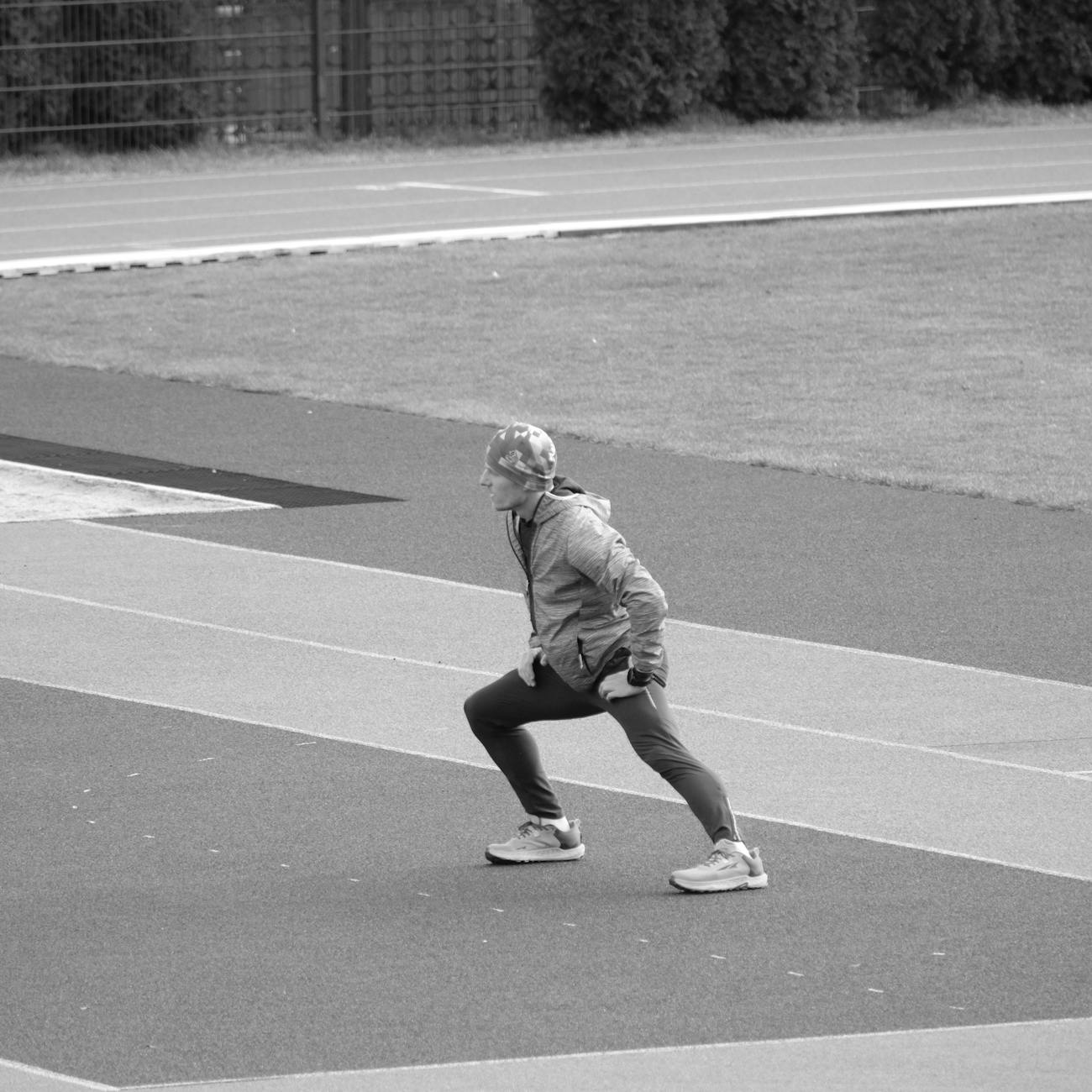
Attention and Concentration in Athletic Performance
Introduction
Athletes require a high level of attention and concentration to perform at their best in sports. Attention refers to the ability to focus on specific tasks or stimuli, while concentration involves sustained focus over an extended period. In the context of athletic performance, attention and concentration play a crucial role in decision-making, reaction time, and overall success in competition. This course will explore key terms and concepts related to attention and concentration in athletic performance, providing fitness specialists with a deeper understanding of how these factors impact athletes' performance.
Key Terms and Vocabulary
1. Selective Attention: Selective attention is the ability to focus on specific stimuli while ignoring distractions. In sports, athletes must be able to tune out irrelevant information and concentrate on the task at hand. For example, a basketball player shooting free throws needs to block out the noise from the crowd and focus on the hoop.
2. Divided Attention: Divided attention refers to the ability to focus on multiple tasks or stimuli simultaneously. Athletes often need to divide their attention between different aspects of the game, such as keeping track of the ball, monitoring opponents, and executing their own strategies.
3. Sustained Attention: Sustained attention involves maintaining focus over an extended period. In sports, athletes must be able to sustain their attention throughout a game or competition, avoiding mental fatigue and maintaining peak performance.
4. Attentional Focus: Attentional focus refers to where an individual directs their attention. Athletes can have an internal focus, where they concentrate on their own movements and sensations, or an external focus, where they focus on the environment or opponents. The type of attentional focus can impact performance outcomes.
5. Cognitive Load: Cognitive load refers to the amount of mental effort required to perform a task. In sports, athletes may experience high cognitive load when making split-second decisions or processing complex information. Managing cognitive load is essential for maintaining attention and concentration.
6. Attentional Control: Attentional control is the ability to regulate and direct attention as needed. Athletes with high attentional control can quickly shift their focus between tasks and maintain concentration under pressure.
7. Mindfulness: Mindfulness involves being fully present and aware of one's thoughts, feelings, and surroundings. Athletes who practice mindfulness techniques can improve their attention and concentration, leading to better performance on the field or court.
8. Choking Under Pressure: Choking under pressure occurs when athletes fail to perform at their best in high-stakes situations. This can be due to increased anxiety, self-doubt, or a loss of focus. Developing strategies to manage pressure and maintain attention is crucial for preventing choking under pressure.
9. Flow State: The flow state, also known as being "in the zone," is a state of optimal performance where athletes feel fully immersed in their activity and perform effortlessly. Achieving a flow state requires a balance of challenge and skill, as well as high levels of attention and concentration.
10. Visualization: Visualization involves mentally rehearsing a skill or performance. Athletes can use visualization techniques to improve their attention and concentration by creating mental images of successful outcomes and focusing on specific aspects of their performance.
11. Attentional Training: Attentional training involves practicing exercises and techniques to enhance attention and concentration. Fitness specialists can incorporate attentional training into athletes' routines to help them improve their focus and cognitive skills.
12. Goal Setting: Goal setting is a technique used to enhance motivation and focus. By setting specific, measurable, achievable, relevant, and time-bound (SMART) goals, athletes can improve their attention and concentration by having clear objectives to work towards.
13. Distraction Control: Distraction control refers to the ability to manage external or internal distractions that can interfere with performance. Athletes must develop strategies to minimize distractions and stay focused on the task at hand.
14. Attentional Cues: Attentional cues are specific signals or prompts that athletes use to direct their attention. Coaches can provide athletes with attentional cues to help them focus on key aspects of their performance and maintain concentration during competition.
15. Feedback: Feedback is information provided to athletes about their performance. Effective feedback can help athletes improve their attention and concentration by highlighting areas for development and reinforcing successful behaviors.
16. Recovery: Recovery is essential for maintaining attention and concentration in sports. Adequate rest, sleep, nutrition, and recovery strategies are crucial for preventing mental fatigue and ensuring athletes can perform at their best.
17. Attentional Fatigue: Attentional fatigue occurs when athletes experience mental exhaustion or depletion of attentional resources. Overtraining, stress, and lack of recovery can contribute to attentional fatigue, leading to decreased performance and cognitive function.
18. Attentional Blink: Attentional blink is a phenomenon where individuals miss a second stimulus presented shortly after a first stimulus. Athletes must be aware of attentional blink and develop strategies to overcome this limitation to maintain focus on fast-paced sports.
19. External Distractions: External distractions are stimuli from the environment that can divert athletes' attention away from the task at hand. Examples of external distractions include noise, crowd movements, and visual disturbances. Athletes must learn to block out external distractions to maintain concentration.
20. Internal Distractions: Internal distractions are thoughts, emotions, or physical sensations that can interfere with athletes' focus. Anxiety, self-doubt, and fatigue are common internal distractions that can impact attention and concentration. Athletes can use mindfulness techniques to manage internal distractions and stay focused on performance.
Practical Applications
1. Attentional Focus Techniques: Fitness specialists can teach athletes different attentional focus techniques, such as using keywords, focusing on specific cues, or utilizing imagery, to enhance concentration during training and competition.
2. Visualization Exercises: Incorporating visualization exercises into athletes' routines can help improve their attention and concentration by mentally rehearsing successful performances and developing a positive mindset.
3. Goal Setting Workshops: Hosting goal-setting workshops for athletes can help them establish clear objectives and enhance their attention and concentration by providing a roadmap for achieving their desired outcomes.
4. Attentional Control Drills: Implementing attentional control drills, such as reaction time exercises, decision-making tasks, and attentional switching activities, can help athletes improve their cognitive skills and ability to regulate attention.
5. Feedback Sessions: Providing athletes with constructive feedback on their performance can help them identify areas for improvement and enhance their attention and concentration by focusing on specific aspects of their game.
6. Mindfulness Training: Introducing mindfulness training to athletes can help them develop awareness, presence, and emotional regulation, leading to improved attention and concentration during training and competition.
7. Distraction Management Strategies: Teaching athletes distraction management strategies, such as deep breathing, refocusing techniques, and attentional cues, can help them minimize external and internal distractions and maintain focus on performance.
8. Recovery Protocols: Implementing recovery protocols, including rest days, sleep hygiene, nutrition plans, and stress management techniques, can help athletes prevent attentional fatigue and optimize their cognitive function.
9. Attentional Blink Awareness: Educating athletes about attentional blink and introducing drills to improve their processing speed and attentional capacity can help them overcome this limitation and maintain focus on fast-paced sports.
10. Competition Simulation: Creating competition simulations that mimic high-pressure situations can help athletes practice maintaining attention and concentration under stress, preparing them for real-world challenges.
Challenges and Considerations
1. Individual Differences: Athletes have unique attentional profiles, with varying strengths and weaknesses. Fitness specialists must consider individual differences when designing attention and concentration training programs to cater to athletes' specific needs.
2. Overtraining: Excessive training volume or intensity can lead to attentional fatigue and decreased cognitive function. Balancing training load with adequate rest and recovery is essential for preventing attentional burnout.
3. External Factors: Environmental factors, such as noise, weather conditions, and crowd dynamics, can impact athletes' attention and concentration. Fitness specialists should help athletes develop strategies to cope with external distractions and maintain focus under challenging conditions.
4. Psychological Factors: Psychological factors, such as anxiety, self-confidence, and motivation, can influence athletes' attention and concentration. Addressing these factors through mental skills training and psychological support can enhance performance outcomes.
5. Long-Term Development: Attention and concentration are skills that can be developed and improved over time through consistent practice and training. Fitness specialists should take a long-term approach to enhancing athletes' attentional capabilities and cognitive skills.
6. Monitoring and Evaluation: Regularly assessing athletes' attention and concentration levels through performance metrics, cognitive tests, and self-report measures can help track progress and adjust training strategies accordingly.
7. Integration with Physical Training: Attention and concentration training should be integrated with physical training programs to optimize overall performance and enhance athletes' cognitive and motor skills in a holistic manner.
8. Adaptability: Athletes may face unexpected challenges or changes during competition that require quick adjustments in attention and concentration. Fitness specialists should help athletes develop adaptability and flexibility in their attentional strategies to respond effectively to changing situations.
9. Multitasking: While athletes may need to divide their attention between multiple tasks during sports, excessive multitasking can lead to cognitive overload and decreased performance. Teaching athletes how to prioritize tasks and manage cognitive load is essential for maintaining optimal attention and concentration.
10. Self-Regulation: Encouraging athletes to develop self-regulation skills, such as self-awareness, self-control, and self-reflection, can empower them to take ownership of their attention and concentration levels and make necessary adjustments to enhance performance.
Conclusion
Attention and concentration are critical factors in athletic performance, influencing decision-making, reaction time, and overall success in sports. Fitness specialists play a vital role in helping athletes develop and enhance their attentional skills through targeted training programs, psychological support, and performance interventions. By understanding key terms and concepts related to attention and concentration, fitness specialists can better support athletes in achieving their performance goals and optimizing their cognitive abilities on and off the field.
Key takeaways
- This course will explore key terms and concepts related to attention and concentration in athletic performance, providing fitness specialists with a deeper understanding of how these factors impact athletes' performance.
- Selective Attention: Selective attention is the ability to focus on specific stimuli while ignoring distractions.
- Athletes often need to divide their attention between different aspects of the game, such as keeping track of the ball, monitoring opponents, and executing their own strategies.
- In sports, athletes must be able to sustain their attention throughout a game or competition, avoiding mental fatigue and maintaining peak performance.
- Athletes can have an internal focus, where they concentrate on their own movements and sensations, or an external focus, where they focus on the environment or opponents.
- In sports, athletes may experience high cognitive load when making split-second decisions or processing complex information.
- Athletes with high attentional control can quickly shift their focus between tasks and maintain concentration under pressure.