
Technology in Food Logistics
Technology in Food Logistics
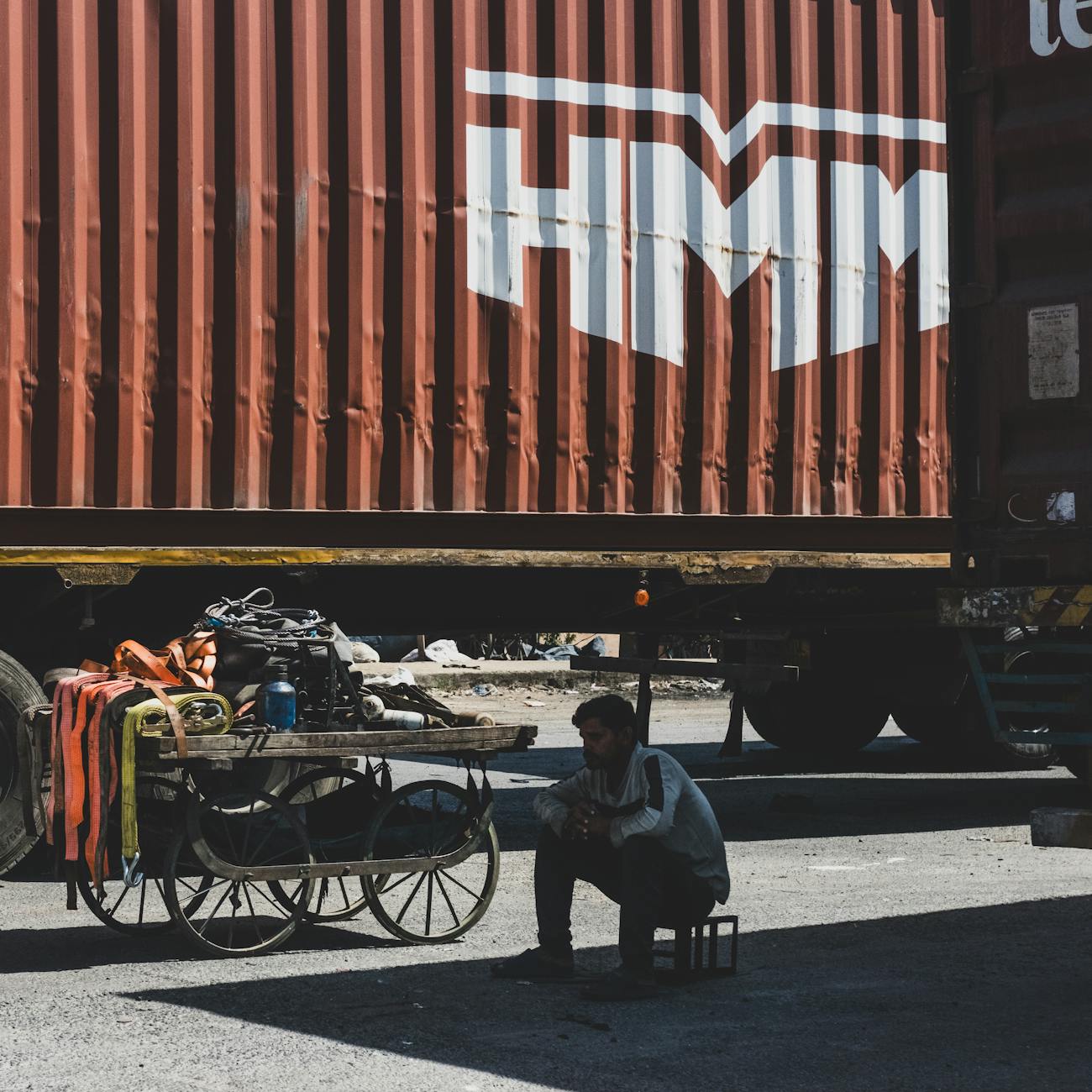
Technology in Food Logistics
Food logistics is a critical aspect of the food supply chain that involves the planning, implementation, and control of the movement and storage of food products from point of origin to consumption. In recent years, technology has played a significant role in revolutionizing food logistics, making processes more efficient, transparent, and sustainable. This course will delve into the key terms and vocabulary related to technology in food logistics, providing a comprehensive understanding of the tools and techniques used in the industry.
Supply Chain Management
Supply chain management is the coordination of activities involved in the flow of goods and services from the point of production to the point of consumption. In the context of food logistics, supply chain management encompasses the planning, sourcing, production, and distribution of food products. Technology plays a crucial role in optimizing supply chain management processes, enabling real-time tracking of inventory, improving demand forecasting, and enhancing communication among stakeholders.
Internet of Things (IoT)
The Internet of Things refers to the network of interconnected devices that can communicate and exchange data with each other over the internet. In food logistics, IoT technology is used to monitor and track the movement of food products throughout the supply chain. For example, sensors can be attached to food packaging to monitor temperature and humidity levels during transportation, ensuring that products remain fresh and safe for consumption.
Blockchain
Blockchain is a decentralized, distributed ledger technology that enables secure and transparent transactions between parties. In food logistics, blockchain technology is used to create an immutable record of every transaction and movement of food products. This helps to enhance traceability and food safety by providing a transparent view of the entire supply chain, from farm to table.
Artificial Intelligence (AI)
Artificial intelligence refers to the simulation of human intelligence by machines, enabling them to perform tasks that typically require human intelligence, such as problem-solving and decision-making. In food logistics, AI is used to optimize route planning, predict demand, and automate repetitive tasks. For example, AI-powered algorithms can analyze historical data to forecast demand for certain food products and adjust production and distribution accordingly.
Big Data
Big data refers to the massive volume of data that is generated by various sources, including sensors, devices, and transactions. In food logistics, big data is used to analyze trends, patterns, and anomalies in the supply chain, enabling companies to make informed decisions and optimize operations. For example, big data analytics can help identify inefficiencies in the supply chain and suggest improvements to reduce costs and improve efficiency.
Cloud Computing
Cloud computing refers to the delivery of computing services over the internet, allowing users to access and store data and applications on remote servers. In food logistics, cloud computing is used to centralize data storage and processing, enabling real-time collaboration and information sharing among stakeholders. For example, cloud-based platforms can provide visibility into inventory levels, transportation schedules, and order status, allowing all parties to make informed decisions.
Warehouse Management System (WMS)
A warehouse management system is a software application that helps manage and control the operations of a warehouse, including inventory management, order fulfillment, and shipping. In food logistics, WMS is used to optimize warehouse processes, such as picking, packing, and shipping food products. For example, WMS can automate inventory tracking, reducing the risk of stockouts and overstocking.
Transportation Management System (TMS)
A transportation management system is a software application that helps manage and optimize transportation operations, including route planning, carrier selection, and freight audit. In food logistics, TMS is used to streamline transportation processes and reduce costs. For example, TMS can optimize delivery routes, consolidate shipments, and track carrier performance to ensure timely and efficient delivery of food products.
Cold Chain Management
Cold chain management refers to the process of maintaining a consistent temperature-controlled environment throughout the supply chain to ensure the quality and safety of perishable food products. In food logistics, cold chain management is crucial for preserving the freshness of products, such as fruits, vegetables, and dairy. Technology, such as temperature sensors, RFID tags, and monitoring systems, is used to track and monitor the temperature of food products during transportation and storage.
Last Mile Delivery
Last mile delivery refers to the final leg of the supply chain, where products are transported from a distribution center to the end consumer. In food logistics, last mile delivery is a critical stage that can impact customer satisfaction and brand reputation. Technology, such as route optimization software, GPS tracking, and real-time notifications, is used to ensure timely and efficient delivery of food products to customers' doorsteps.
Food Safety and Traceability
Food safety and traceability are paramount in the food industry to ensure the quality and integrity of food products. Technology plays a vital role in enhancing food safety and traceability by enabling real-time monitoring of food products throughout the supply chain. For example, blockchain technology can create a transparent and immutable record of every transaction, providing a complete view of the journey of food products from farm to fork.
Sustainability and Green Logistics
Sustainability and green logistics focus on reducing the environmental impact of logistics operations, such as transportation, packaging, and waste management. Technology plays a key role in promoting sustainability in food logistics by optimizing routes, reducing fuel consumption, and minimizing waste. For example, electric vehicles, reusable packaging, and recycling programs are all technologies that contribute to a more sustainable and eco-friendly supply chain.
Challenges and Opportunities
While technology has brought significant benefits to food logistics, there are also challenges that companies must address to fully leverage its potential. Some of the key challenges include data security and privacy concerns, integration of legacy systems with new technologies, and the need for skilled professionals to manage and implement technology solutions. However, there are also numerous opportunities for companies to innovate and improve their operations through the adoption of new technologies, such as AI, IoT, and blockchain.
Conclusion
In conclusion, technology plays a crucial role in transforming food logistics by enhancing efficiency, transparency, and sustainability. By understanding key terms and vocabulary related to technology in food logistics, professionals in the industry can leverage the power of technology to optimize supply chain management, improve food safety, and reduce environmental impact. With continuous advancements in technology, the future of food logistics holds great promise for innovation and improvement in the way food products are sourced, produced, and delivered to consumers around the world.
Key takeaways
- Food logistics is a critical aspect of the food supply chain that involves the planning, implementation, and control of the movement and storage of food products from point of origin to consumption.
- Technology plays a crucial role in optimizing supply chain management processes, enabling real-time tracking of inventory, improving demand forecasting, and enhancing communication among stakeholders.
- For example, sensors can be attached to food packaging to monitor temperature and humidity levels during transportation, ensuring that products remain fresh and safe for consumption.
- In food logistics, blockchain technology is used to create an immutable record of every transaction and movement of food products.
- Artificial intelligence refers to the simulation of human intelligence by machines, enabling them to perform tasks that typically require human intelligence, such as problem-solving and decision-making.
- In food logistics, big data is used to analyze trends, patterns, and anomalies in the supply chain, enabling companies to make informed decisions and optimize operations.
- For example, cloud-based platforms can provide visibility into inventory levels, transportation schedules, and order status, allowing all parties to make informed decisions.