
Inventory Management
Inventory Management is a crucial aspect of supply chain management, especially in the food industry where products are perishable and require careful handling. It involves overseeing the flow of goods from manufacturers to warehouses to re…
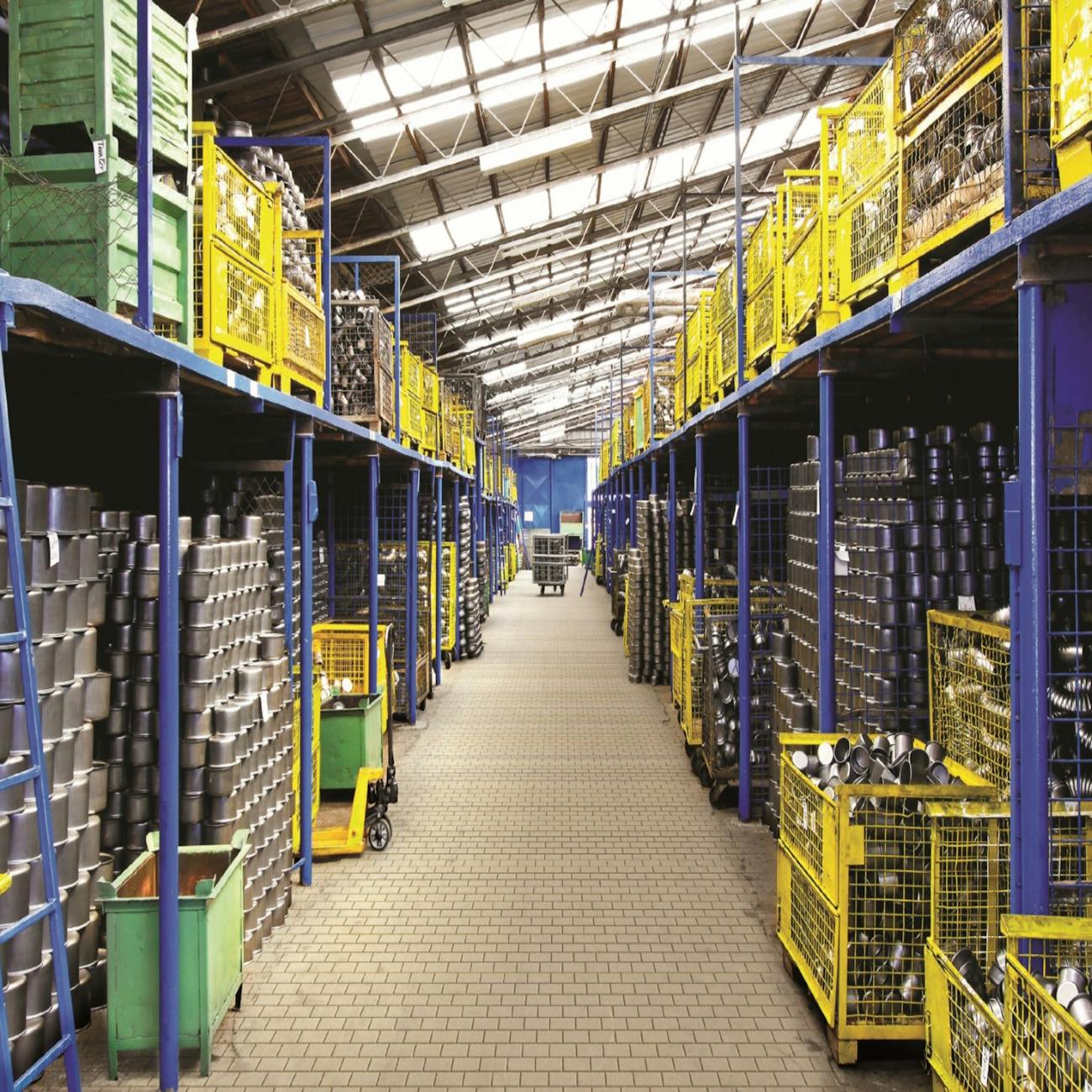
Inventory Management is a crucial aspect of supply chain management, especially in the food industry where products are perishable and require careful handling. It involves overseeing the flow of goods from manufacturers to warehouses to retailers, ensuring that the right products are available at the right time in the right quantities. Effective inventory management can help businesses reduce costs, improve customer service, and increase overall efficiency in their operations.
**Key Terms and Concepts**
1. **Inventory:** Inventory refers to the stock of goods and materials held by a business for future use or sale. It includes raw materials, work-in-progress, and finished goods. Proper inventory management is essential to ensure that a business has enough stock to meet customer demand without holding excessive inventory that ties up capital.
2. **Demand Forecasting:** Demand forecasting is the process of predicting future demand for a product or service based on historical data, market trends, and other factors. Accurate demand forecasting is critical for determining how much inventory to hold to meet customer needs while minimizing stockouts or excess inventory.
3. **Stock Keeping Unit (SKU):** An SKU is a unique code assigned to each product in a company's inventory to track its movement and manage stock levels. SKUs help businesses identify products quickly and accurately, making it easier to monitor inventory levels and reorder when necessary.
4. **Lead Time:** Lead time is the time it takes for a supplier to deliver an order once it has been placed. Understanding lead times is essential for inventory management as it helps businesses plan when to reorder products to avoid stockouts.
5. **Just-in-Time (JIT) Inventory:** JIT inventory is a strategy where businesses only order and receive goods when they are needed, minimizing holding costs and excess inventory. JIT inventory management requires close coordination with suppliers to ensure timely deliveries.
6. **Safety Stock:** Safety stock is extra inventory held by a business to protect against unexpected fluctuations in demand or supply chain disruptions. Safety stock helps prevent stockouts and ensures that customers can still be served even in unforeseen circumstances.
7. **Economic Order Quantity (EOQ):** EOQ is the optimal order quantity that minimizes total inventory costs, including ordering costs and holding costs. By calculating the EOQ, businesses can determine how much to order each time to achieve cost-effective inventory management.
8. **ABC Analysis:** ABC analysis is a method of categorizing inventory based on its value and importance to the business. A items are high-value items that require tight control, while C items are low-value items that can be managed more loosely. ABC analysis helps prioritize inventory management efforts.
9. **Batch Tracking:** Batch tracking is the practice of tracing a group of products from a specific production batch through the supply chain. This is crucial in the food industry to ensure traceability and quality control, especially in case of recalls or quality issues.
10. **Reorder Point:** The reorder point is the inventory level at which a business needs to reorder a product to avoid stockouts before the next order arrives. Calculating the reorder point involves considering lead time, demand variability, and safety stock levels.
**Practical Applications**
Effective inventory management is essential for food supply chain and logistics management. For example, a food manufacturer must ensure that it has enough raw materials on hand to meet production schedules while not overstocking perishable ingredients. By using tools such as demand forecasting and EOQ calculations, the manufacturer can optimize inventory levels to minimize costs and maximize efficiency.
In the retail sector, inventory management is critical for ensuring that stores have enough stock of popular food items to meet customer demand. Retailers can use technologies like RFID tags and barcode scanners to track inventory levels in real-time and automate the reordering process based on preset parameters such as minimum stock levels and lead times.
Challenges in inventory management in the food industry include dealing with perishable goods that have limited shelf life, managing fluctuations in demand due to seasonality or trends, and ensuring compliance with food safety regulations. By implementing robust inventory management practices and leveraging technology solutions, businesses can overcome these challenges and improve their supply chain performance.
**Conclusion**
Inventory management plays a vital role in the food supply chain and logistics management, impacting costs, customer service, and overall efficiency. By understanding key terms and concepts such as demand forecasting, safety stock, and EOQ, businesses can optimize their inventory levels and improve their competitive advantage in the market. Effective inventory management requires a combination of strategic planning, data analysis, and technology adoption to meet the complex demands of the food industry.
Key takeaways
- It involves overseeing the flow of goods from manufacturers to warehouses to retailers, ensuring that the right products are available at the right time in the right quantities.
- Proper inventory management is essential to ensure that a business has enough stock to meet customer demand without holding excessive inventory that ties up capital.
- **Demand Forecasting:** Demand forecasting is the process of predicting future demand for a product or service based on historical data, market trends, and other factors.
- **Stock Keeping Unit (SKU):** An SKU is a unique code assigned to each product in a company's inventory to track its movement and manage stock levels.
- Understanding lead times is essential for inventory management as it helps businesses plan when to reorder products to avoid stockouts.
- **Just-in-Time (JIT) Inventory:** JIT inventory is a strategy where businesses only order and receive goods when they are needed, minimizing holding costs and excess inventory.
- **Safety Stock:** Safety stock is extra inventory held by a business to protect against unexpected fluctuations in demand or supply chain disruptions.