
Transportation and Distribution Management
Transportation and Distribution Management play a crucial role in the efficient functioning of the food supply chain. It involves the planning, coordination, and execution of the movement of goods from producers to consumers. To understand …
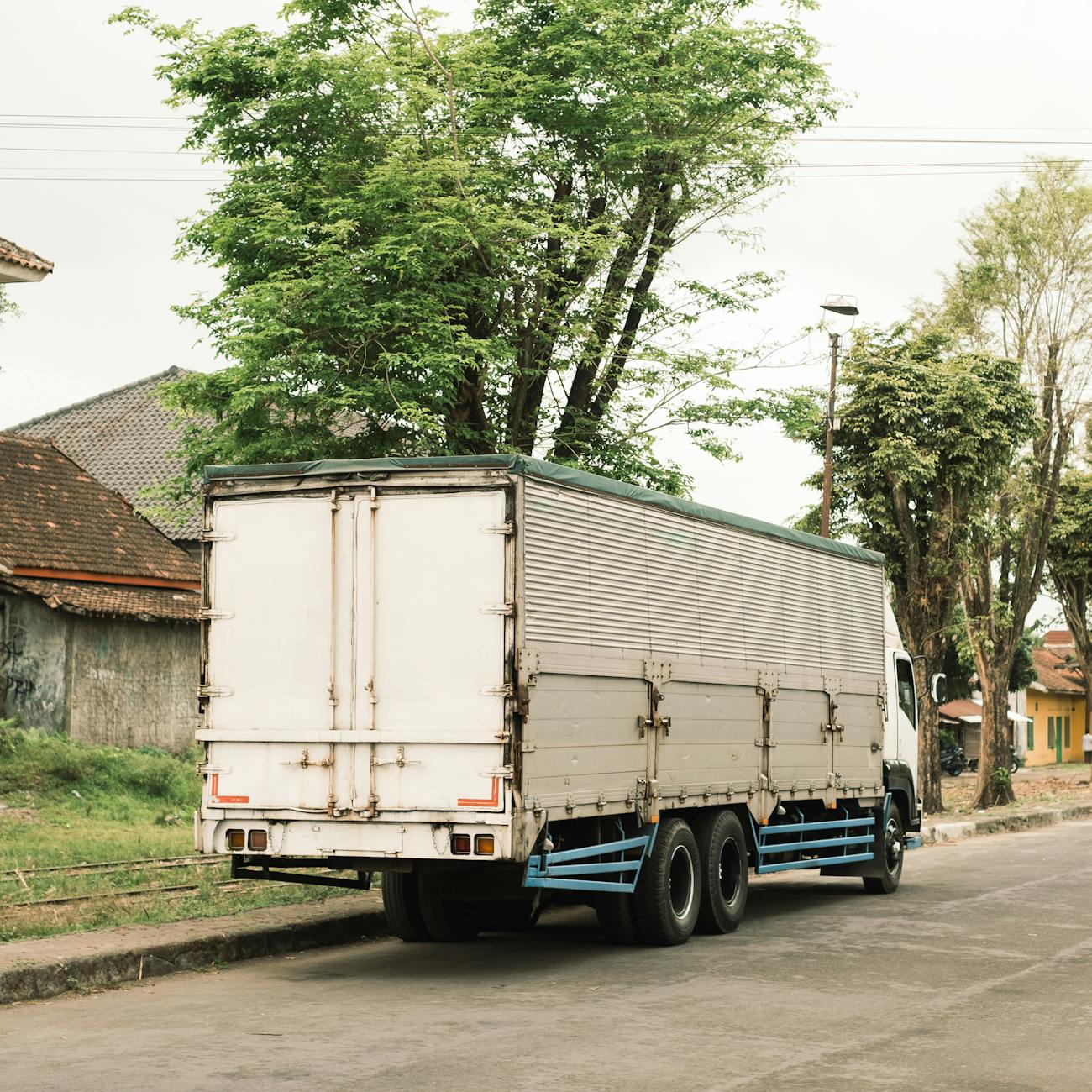
Transportation and Distribution Management play a crucial role in the efficient functioning of the food supply chain. It involves the planning, coordination, and execution of the movement of goods from producers to consumers. To understand Transportation and Distribution Management better, let's delve into some key terms and vocabulary essential for the Professional Certificate in Food Supply Chain and Logistics Management.
1. **Supply Chain**: The network of interconnected businesses involved in the provision of products and services required by end customers. The food supply chain encompasses all stages from farm to fork.
2. **Logistics**: The process of planning, implementing, and controlling the efficient flow of goods, services, and information from the point of origin to the point of consumption.
3. **Transportation**: The physical movement of goods from one location to another. It is a critical aspect of the supply chain as it ensures timely delivery of products to customers.
4. **Distribution**: The process of making products available to customers in the right place, at the right time, and in the right quantity. It involves warehousing, inventory management, and order fulfillment.
5. **Warehousing**: The storage of goods in a facility until they are needed for distribution. Warehouses play a key role in the supply chain by providing a central location for inventory management.
6. **Inventory Management**: The process of overseeing and controlling the flow of goods into and out of a warehouse. Effective inventory management is essential for meeting customer demand while minimizing costs.
7. **Order Fulfillment**: The process of receiving, processing, and delivering customer orders. It involves picking, packing, and shipping products to customers in a timely manner.
8. **Last Mile Delivery**: The final stage of the delivery process where goods are transported from a distribution center to the end customer's location. Last mile delivery is crucial for customer satisfaction.
9. **Transportation Management System (TMS)**: A software solution that helps companies plan, execute, and optimize the movement of goods. TMS allows for real-time visibility into shipments and helps streamline transportation operations.
10. **Distribution Center**: A facility used for storing, packaging, and distributing goods to customers. Distribution centers play a key role in the supply chain by ensuring products are delivered efficiently.
11. **Carrier**: A company or individual that transports goods from one location to another. Carriers can include trucking companies, airlines, ocean carriers, and railroads.
12. **Freight**: Goods or cargo that is transported by a carrier. Freight can be shipped using various modes of transportation, including truck, air, ocean, and rail.
13. **Fleet Management**: The supervision of a company's vehicles to ensure they are operating efficiently and effectively. Fleet management involves vehicle maintenance, driver management, and route optimization.
14. **Intermodal Transportation**: The use of multiple modes of transportation, such as truck, rail, and ocean, to transport goods. Intermodal transportation allows for cost savings and increased flexibility in shipping.
15. **Cross-Docking**: A logistics practice where goods are unloaded from an incoming truck and loaded directly onto an outbound truck with minimal or no storage in between. Cross-docking helps reduce inventory holding costs and speed up delivery times.
16. **Reverse Logistics**: The process of managing the return of goods from customers back to the manufacturer or retailer. Reverse logistics involves handling returns, repairs, and recycling of products.
17. **Supply Chain Visibility**: The ability to track and monitor the movement of goods throughout the supply chain. Supply chain visibility provides real-time information on inventory levels, shipment status, and delivery times.
18. **Cold Chain**: The supply chain process that ensures perishable goods, such as food and pharmaceuticals, are stored and transported at the correct temperature. Maintaining the cold chain is essential for preserving product quality and safety.
19. **Just-In-Time (JIT) Inventory**: A strategy where inventory is ordered and received only when needed for production or distribution. JIT inventory helps reduce carrying costs and minimize waste.
20. **Lead Time**: The amount of time between placing an order and receiving the goods. Lead time is essential for planning production schedules, managing inventory levels, and meeting customer demand.
21. **Route Optimization**: The process of finding the most efficient route for delivering goods to customers. Route optimization helps reduce transportation costs, improve delivery times, and minimize fuel consumption.
22. **Supply Chain Risk Management**: The process of identifying, assessing, and mitigating risks within the supply chain. Risks can include natural disasters, supplier disruptions, and demand fluctuations.
23. **Capacity Planning**: The process of determining the optimal capacity needed to meet customer demand. Capacity planning ensures that transportation and distribution resources are utilized efficiently.
24. **Load Planning**: The process of determining how goods will be loaded onto trucks or other modes of transportation. Load planning helps maximize vehicle capacity and minimize transportation costs.
25. **Supply Chain Collaboration**: The practice of working closely with suppliers, manufacturers, and logistics partners to improve supply chain efficiency. Collaboration involves sharing information, coordinating activities, and aligning goals.
26. **Supply Chain Resilience**: The ability of a supply chain to adapt to disruptions and recover quickly from unexpected events. Building resilience into the supply chain helps mitigate risks and ensure continuity of operations.
27. **Electronic Data Interchange (EDI)**: The electronic exchange of business documents, such as purchase orders and invoices, between trading partners. EDI helps streamline communication and improve efficiency in the supply chain.
28. **Key Performance Indicators (KPIs)**: Metrics used to measure the performance of transportation and distribution operations. KPIs can include on-time delivery, order accuracy, inventory turnover, and transportation costs.
29. **Lean Logistics**: A philosophy that focuses on eliminating waste and optimizing processes in the supply chain. Lean logistics aims to improve efficiency, reduce costs, and enhance customer value.
30. **Total Cost of Ownership (TCO)**: The total cost associated with owning and operating a product or service over its entire lifecycle. TCO includes not only the purchase price but also maintenance, transportation, and disposal costs.
31. **Supply Chain Sustainability**: The practice of incorporating environmental, social, and economic considerations into supply chain operations. Sustainability initiatives can include reducing carbon emissions, promoting ethical sourcing, and minimizing waste.
32. **Incoterms**: International commercial terms that define the responsibilities of buyers and sellers in international trade. Incoterms specify who is responsible for transportation, insurance, and customs clearance.
33. **Food Safety Modernization Act (FSMA)**: A U.S. law that aims to prevent foodborne illnesses by shifting the focus from responding to contamination to preventing it. FSMA includes regulations for food transportation and distribution to ensure food safety.
34. **Hazard Analysis and Critical Control Points (HACCP)**: A systematic approach to identifying and controlling food safety hazards in the production process. HACCP principles are used to prevent contamination and ensure food safety.
35. **Food Defense**: Measures taken to protect food products from intentional contamination or tampering. Food defense strategies include security measures, access control, and employee training.
36. **Blockchain**: A decentralized digital ledger that records transactions across a network of computers. Blockchain technology can be used to track and trace products throughout the supply chain, enhancing transparency and security.
37. **Internet of Things (IoT)**: The network of physical devices embedded with sensors and software that connect and exchange data. IoT technology can be used to monitor temperature, humidity, and location in the food supply chain.
38. **Artificial Intelligence (AI)**: The simulation of human intelligence processes by machines. AI can be used in transportation and distribution management to optimize routes, predict demand, and automate decision-making.
39. **Robotics**: The use of robots and automated systems to perform tasks in the supply chain. Robotics can improve efficiency, accuracy, and safety in warehousing, picking, and packing operations.
40. **Predictive Analytics**: The use of data, statistical algorithms, and machine learning techniques to forecast future trends and outcomes. Predictive analytics can help optimize inventory levels, improve demand forecasting, and reduce transportation costs.
41. **Continuous Improvement**: The ongoing effort to enhance processes, reduce waste, and increase efficiency in the supply chain. Continuous improvement involves identifying opportunities for optimization and implementing changes to drive performance.
42. **Challenges in Transportation and Distribution Management**: Some common challenges in transportation and distribution management include rising fuel costs, capacity constraints, driver shortages, regulatory compliance, and demand variability. Overcoming these challenges requires effective planning, communication, and collaboration across the supply chain.
43. **Case Study: Amazon**: Amazon is a global e-commerce giant known for its innovative approach to transportation and distribution management. The company has invested in technologies such as drones, autonomous vehicles, and robotics to optimize its logistics operations. Amazon's fulfillment centers are strategically located to enable fast and efficient delivery to customers. The company's Prime membership program offers free two-day shipping, setting a new standard for customer expectations in the e-commerce industry.
44. **Practical Applications**: Understanding key terms and concepts in transportation and distribution management is essential for professionals working in the food supply chain. By applying best practices in logistics, inventory management, and order fulfillment, companies can improve efficiency, reduce costs, and enhance customer satisfaction. Leveraging technology such as TMS, EDI, and IoT can help streamline operations and drive continuous improvement in the supply chain.
In conclusion, mastering the key terms and vocabulary in Transportation and Distribution Management is critical for success in the Professional Certificate in Food Supply Chain and Logistics Management. By gaining a deep understanding of these concepts and their practical applications, professionals can optimize supply chain operations, mitigate risks, and drive value for their organizations. Stay updated on industry trends, technologies, and best practices to stay ahead in the dynamic field of transportation and distribution management.
Key takeaways
- To understand Transportation and Distribution Management better, let's delve into some key terms and vocabulary essential for the Professional Certificate in Food Supply Chain and Logistics Management.
- **Supply Chain**: The network of interconnected businesses involved in the provision of products and services required by end customers.
- **Logistics**: The process of planning, implementing, and controlling the efficient flow of goods, services, and information from the point of origin to the point of consumption.
- It is a critical aspect of the supply chain as it ensures timely delivery of products to customers.
- **Distribution**: The process of making products available to customers in the right place, at the right time, and in the right quantity.
- Warehouses play a key role in the supply chain by providing a central location for inventory management.
- **Inventory Management**: The process of overseeing and controlling the flow of goods into and out of a warehouse.