
Rehabilitation Nursing Practice
Rehabilitation nursing practice in the context of spinal cord injury rehabilitation involves a range of specialized skills and knowledge. Nurses working in this field require a deep understanding of the pathophysiology of spinal cord injuri…
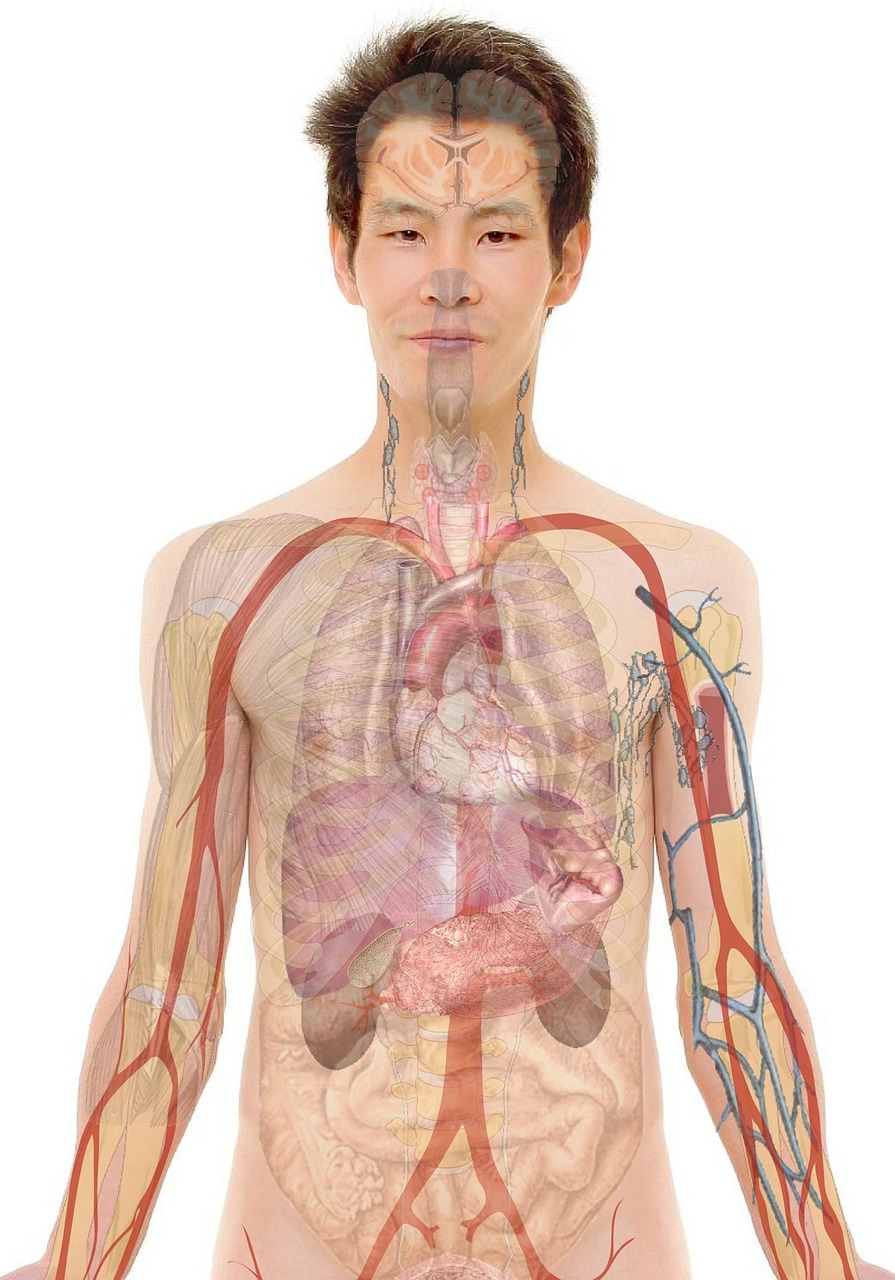
Rehabilitation nursing practice in the context of spinal cord injury rehabilitation involves a range of specialized skills and knowledge. Nurses working in this field require a deep understanding of the pathophysiology of spinal cord injuries, as well as the psychological and sociological factors that impact on an individual's recovery and rehabilitation. The goal of rehabilitation nursing practice is to enable individuals with spinal cord injuries to achieve their maximum potential and participate fully in their communities.
One of the key concepts in rehabilitation nursing practice is the biopsychosocial model, which recognizes that an individual's experience of illness or disability is influenced by biological, psychological, and sociological factors. This model provides a framework for nurses to assess and address the complex needs of individuals with spinal cord injuries, taking into account their physical, emotional, and social well-being. For example, a nurse working with an individual who has a spinal cord injury may use the biopsychosocial model to assess the individual's physical needs, such as their mobility and pain management, as well as their psychological needs, such as their anxiety and depression, and their sociological needs, such as their access to social support and community resources.
Another important concept in rehabilitation nursing practice is the International Classification of Functioning, Disability and Health (ICF), which provides a framework for understanding and addressing the functional needs of individuals with disabilities. The ICF recognizes that disability is not solely the result of a medical condition, but rather the result of the interaction between an individual's health condition and the environmental and personal factors that influence their daily life. For example, a nurse working with an individual who has a spinal cord injury may use the ICF to assess the individual's physical functioning, such as their mobility and self-care abilities, as well as their participation in daily activities, such as work and leisure activities.
Rehabilitation nursing practice also involves a range of interventions and strategies aimed at promoting the physical, psychological, and sociological well-being of individuals with spinal cord injuries. These interventions may include mobility training, pain management, bowel and bladder management, and psychological counseling. For example, a nurse working with an individual who has a spinal cord injury may provide education and training on how to manage their bowel and bladder functions, as well as how to prevent pressure sores and other complications associated with spinal cord injuries.
In addition to these interventions, rehabilitation nursing practice also involves collaboration with other healthcare professionals, such as physicians, occupational therapists, and physical therapists. This collaboration is essential for ensuring that individuals with spinal cord injuries receive comprehensive and coordinated care, and that their physical, psychological, and sociological needs are addressed. For example, a nurse working with an individual who has a spinal cord injury may coordinate with a physical therapist to develop a rehabilitation plan that addresses the individual's mobility and strength needs, as well as their balance and coordination needs.
The rehabilitation process for individuals with spinal cord injuries is often long-term and complex, requiring ongoing assessment and intervention by nurses and other healthcare professionals. This process may involve multiple stages, including acute care, rehabilitation, and community reintegration. For example, a nurse working with an individual who has a spinal cord injury may provide acute care in the intensive care unit, followed by rehabilitation care in a rehabilitation unit, and finally community reintegration care in the individual's home or community setting.
Rehabilitation nursing practice also involves advocacy and empowerment of individuals with spinal cord injuries, as well as their families and caregivers. This may involve providing education and support to help individuals and their families navigate the healthcare system, as well as accessing community resources and services. For example, a nurse working with an individual who has a spinal cord injury may provide education and support to help the individual and their family understand their rights and options for rehabilitation and community reintegration.
One of the challenges of rehabilitation nursing practice is the complexity of spinal cord injuries, which can result in a range of physical, psychological, and sociological complications. For example, individuals with spinal cord injuries may experience pain, fatigue, and depression, as well as bowel and bladder dysfunction, and skin breakdown. These complications can have a significant impact on an individual's quality of life, and require ongoing assessment and intervention by nurses and other healthcare professionals.
Another challenge of rehabilitation nursing practice is the need for interdisciplinary collaboration and communication among healthcare professionals. This can be particularly challenging in complex cases, where individuals may have multiple health conditions and needs. For example, a nurse working with an individual who has a spinal cord injury may need to coordinate with a team of healthcare professionals, including physicians, occupational therapists, and physical therapists, to develop a comprehensive and coordinated care plan.
In terms of research and evidence-based practice, rehabilitation nursing practice is constantly evolving and improving. New technologies and interventions are being developed and tested, such as stem cell therapy and exoskeletons, which have the potential to improve the outcomes and quality of life for individuals with spinal cord injuries. For example, a nurse working with an individual who has a spinal cord injury may use research and evidence-based practice to develop a rehabilitation plan that incorporates the latest technologies and interventions, such as virtual reality and gaming therapies.
The role of the nurse in rehabilitation nursing practice is to coordinate and facilitate the rehabilitation process, working closely with individuals and their families to develop and implement personalized care plans. This requires strong communication and interpersonal skills, as well as knowledge and expertise in rehabilitation nursing practice. For example, a nurse working with an individual who has a spinal cord injury may use motivational interviewing techniques to empower the individual and their family to take an active role in their rehabilitation and recovery.
In terms of education and training, nurses working in rehabilitation nursing practice require specialized education and training in rehabilitation nursing practice, including courses and programs in spinal cord injury rehabilitation, stroke rehabilitation, and brain injury rehabilitation. They also require ongoing professional development and continuing education to stay up-to-date with the latest research and evidence-based practice in rehabilitation nursing.
The future of rehabilitation nursing practice is exciting and promising, with new technologies and interventions being developed and tested all the time. For example, robotic exoskeletons are being used to enhance the mobility and function of individuals with spinal cord injuries, while virtual reality and gaming therapies are being used to improve the cognitive and psychological function of individuals with spinal cord injuries. As research and evidence-based practice continue to evolve and improve, the role of the nurse in rehabilitation nursing practice will become even more critical and central to the rehabilitation process.
In terms of policy and advocacy, rehabilitation nursing practice is influenced by a range of national and international policies and guidelines, including the World Health Organization's International Classification of Functioning, Disability and Health. Nurses working in rehabilitation nursing practice must be aware of these policies and guidelines, and advocate for the rights and needs of individuals with spinal cord injuries and other disabilities. For example, a nurse working with an individual who has a spinal cord injury may advocate for the individual's access to community resources and services, such as home care and respite care.
The impact of rehabilitation nursing practice on the lives of individuals with spinal cord injuries and other disabilities cannot be overstated. Nurses working in rehabilitation nursing practice have the power to transform the lives of individuals and their families, by empowering them to take control of their health and well-being, and to participate fully in their communities. For example, a nurse working with an individual who has a spinal cord injury may empower the individual to take control of their bowel and bladder management, and to participate in leisure activities and hobbies that they enjoy.
In terms of challenges and barriers, rehabilitation nursing practice is not without its challenges and barriers. For example, nurses working in rehabilitation nursing practice may face challenges in terms of limited resources and funding, as well as limited access to community resources and services. They may also face challenges in terms of communication and collaboration with other healthcare professionals, as well as challenges in terms of balancing the physical, psychological, and sociological needs of individuals with spinal cord injuries and other disabilities.
Despite these challenges and barriers, rehabilitation nursing practice remains a rewarding and fulfilling career for many nurses. The opportunity to make a difference in the lives of individuals with spinal cord injuries and other disabilities is a powerful motivator for many nurses, and the chance to work in a dynamic and evolving field is a major draw for many nurses. As research and evidence-based practice continue to evolve and improve, the role of the nurse in rehabilitation nursing practice will become even more critical and central to the rehabilitation process, and the opportunities for nurses to make a difference in the lives of individuals with spinal cord injuries and other disabilities will continue to grow and expand.
The importance of continuing education and professional development in rehabilitation nursing practice cannot be overstated. Nurses working in rehabilitation nursing practice must stay up-to-date with the latest research and evidence-based practice in order to provide high-quality care to individuals with spinal cord injuries and other disabilities. This may involve attending conferences and workshops, reading journal articles and books, and participating in online forums and discussion groups. For example, a nurse working with an individual who has a spinal cord injury may attend a conference on spinal cord injury rehabilitation, or read a book on rehabilitation nursing practice.
In terms of technology and innovation, rehabilitation nursing practice is constantly evolving and improving. New technologies and interventions are being developed and tested all the time, such as robotic exoskeletons and virtual reality therapies. These technologies and interventions have the potential to transform the lives of individuals with spinal cord injuries and other disabilities, and to improve their outcomes and quality of life. For example, a nurse working with an individual who has a spinal cord injury may use virtual reality therapy to enhance the individual's cognitive and psychological function, or may use a robotic exoskeleton to enhance the individual's mobility and function.
The opportunities for nurses to make a difference in the lives of individuals with spinal cord injuries and other disabilities will continue to grow and expand, and the importance of continuing education and professional development will remain a top priority for nurses working in this field.
Key takeaways
- Nurses working in this field require a deep understanding of the pathophysiology of spinal cord injuries, as well as the psychological and sociological factors that impact on an individual's recovery and rehabilitation.
- This model provides a framework for nurses to assess and address the complex needs of individuals with spinal cord injuries, taking into account their physical, emotional, and social well-being.
- Rehabilitation nursing practice also involves a range of interventions and strategies aimed at promoting the physical, psychological, and sociological well-being of individuals with spinal cord injuries.
- In addition to these interventions, rehabilitation nursing practice also involves collaboration with other healthcare professionals, such as physicians, occupational therapists, and physical therapists.
- The rehabilitation process for individuals with spinal cord injuries is often long-term and complex, requiring ongoing assessment and intervention by nurses and other healthcare professionals.
- This may involve providing education and support to help individuals and their families navigate the healthcare system, as well as accessing community resources and services.
- One of the challenges of rehabilitation nursing practice is the complexity of spinal cord injuries, which can result in a range of physical, psychological, and sociological complications.