
Spinal Cord Injury Foundations
The Postgraduate Certificate in Spinal Cord Injury Rehabilitation is a comprehensive program designed to equip healthcare professionals with the knowledge and skills necessary to provide effective care and rehabilitation to individuals with…
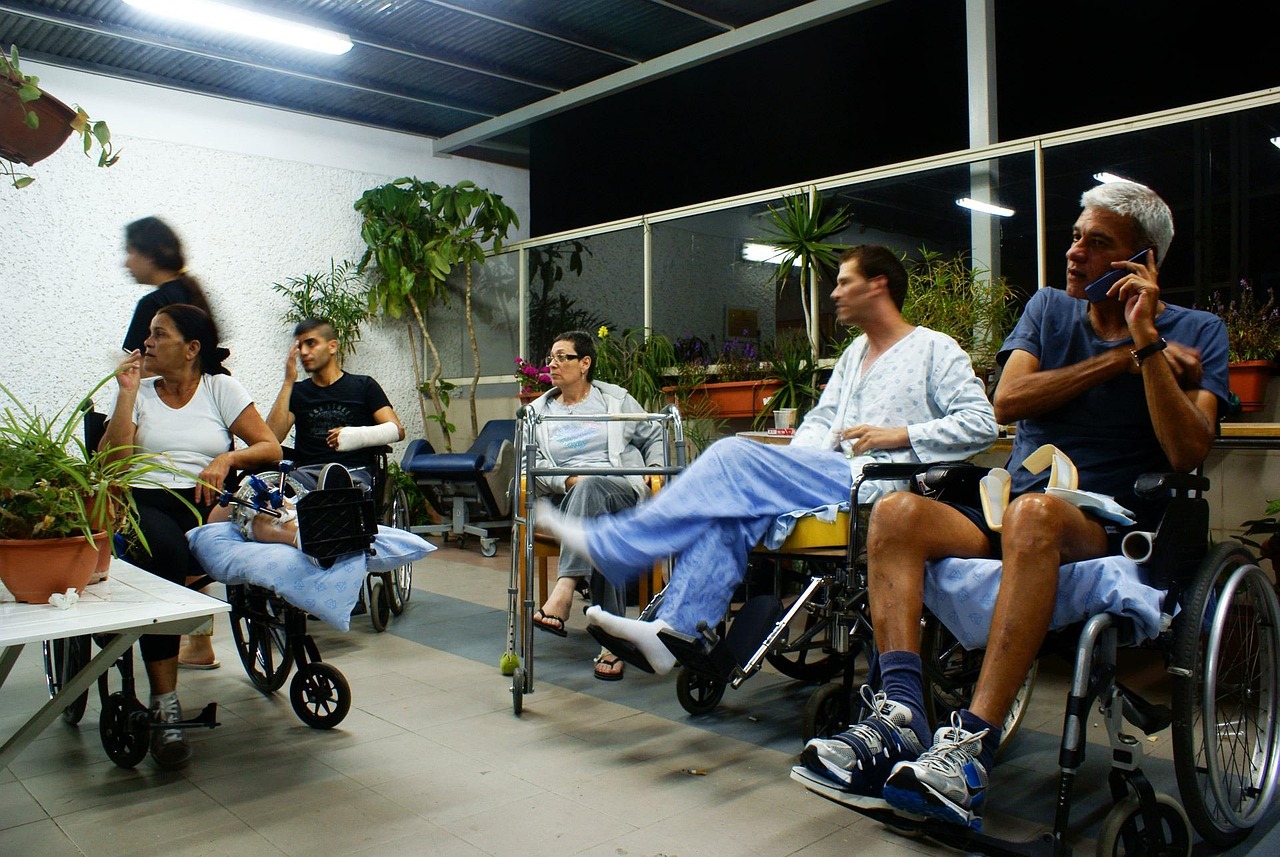
The Postgraduate Certificate in Spinal Cord Injury Rehabilitation is a comprehensive program designed to equip healthcare professionals with the knowledge and skills necessary to provide effective care and rehabilitation to individuals with spinal cord injuries. A key aspect of this program is understanding the foundational terms and vocabulary associated with spinal cord injuries. One of the primary terms used in this context is spinal cord injury, which refers to any damage to the spinal cord that results in a loss of function or sensation. This damage can be caused by a variety of factors, including trauma, infection, or congenital conditions.
Spinal cord injuries can be classified into different types, including complete and incomplete injuries. A complete injury occurs when the spinal cord is completely severed, resulting in a total loss of function and sensation below the level of the injury. In contrast, an incomplete injury occurs when the spinal cord is only partially damaged, resulting in some retention of function and sensation. The level of the injury is also an important factor, as it can affect the individual's mobility, sensation, and ability to perform daily activities.
Another important concept in spinal cord injury rehabilitation is the idea of neuroplasticity, which refers to the brain's ability to reorganize and adapt in response to injury or changes in the environment. This concept is critical in rehabilitation, as it suggests that individuals with spinal cord injuries can potentially regain function and mobility through targeted interventions and exercises. Neuroplasticity can be promoted through a variety of techniques, including repetitive practice, feedback, and reinforcement.
The pathophysiology of spinal cord injuries is also a crucial aspect of understanding the underlying mechanisms of these injuries. The pathophysiology of spinal cord injuries involves a complex interplay of factors, including inflammation, oxidative stress, and excitotoxicity. These factors can contribute to the initial damage and secondary injury processes, which can affect the extent of the injury and the individual's potential for recovery. Understanding the pathophysiology of spinal cord injuries is essential for developing effective treatment strategies and interventions.
In addition to the medical aspects of spinal cord injuries, it is also important to consider the psychosocial factors that can impact an individual's recovery and rehabilitation. Spinal cord injuries can have a significant impact on an individual's quality of life, including their emotional well-being, social relationships, and overall sense of identity. The psychological impact of a spinal cord injury can be significant, and may include feelings of grief, anxiety, and depression. Therefore, it is essential to provide individuals with spinal cord injuries with access to counseling and other support services to help them cope with these challenges.
The assessment and evaluation of individuals with spinal cord injuries is also a critical aspect of rehabilitation. A comprehensive assessment should include a thorough medical evaluation, as well as an assessment of the individual's functional abilities and mobility. This information can be used to develop a personalized rehabilitation plan that addresses the individual's specific needs and goals. The assessment and evaluation process should also involve the use of standardized outcome measures, which can help to track an individual's progress and response to treatment.
One of the primary goals of spinal cord injury rehabilitation is to promote independence and self-sufficiency in individuals with spinal cord injuries. This can be achieved through a variety of interventions, including physical therapy, occupational therapy, and speech therapy. Physical therapy can help to improve mobility and strength, while occupational therapy can help to promote independence in daily activities. Speech therapy can help to address any communication or swallowing difficulties that may be present.
The management of spinal cord injuries also involves the use of a variety of technologies and equipment, including wheelchairs, orthotics, and prosthetics. These technologies can help to promote mobility and independence, and can also help to prevent secondary complications such as pressure sores and urinary tract infections. The use of these technologies and equipment should be tailored to the individual's specific needs and preferences, and should be regularly assessed and evaluated to ensure that they are meeting the individual's needs.
In addition to the physical aspects of spinal cord injury rehabilitation, it is also important to consider the societal and cultural factors that can impact an individual's recovery and rehabilitation. Spinal cord injuries can have a significant impact on an individual's social relationships and overall sense of identity, and can also affect their ability to participate in daily activities and community events. Therefore, it is essential to provide individuals with spinal cord injuries with access to community resources and support services, such as peer mentoring and advocacy programs.
The education and training of healthcare professionals is also a critical aspect of spinal cord injury rehabilitation. Healthcare professionals should have access to ongoing education and training opportunities, including workshops, conferences, and online courses. These opportunities can help to ensure that healthcare professionals have the knowledge and skills necessary to provide effective care and rehabilitation to individuals with spinal cord injuries.
The research and development of new treatments and interventions for spinal cord injuries is also an important aspect of this field. Researchers are continually working to develop new and innovative treatments, including stem cell therapies, gene therapies, and robotic technologies. These advancements have the potential to significantly improve the lives of individuals with spinal cord injuries, and should be closely monitored and evaluated to ensure that they are safe and effective.
In terms of clinical practice, spinal cord injury rehabilitation should be a multidisciplinary effort, involving a team of healthcare professionals from a variety of disciplines. This team should include physical therapists, occupational therapists, speech therapists, and other healthcare professionals who can provide comprehensive care and rehabilitation to individuals with spinal cord injuries. The team should also include the individual with the spinal cord injury, as well as their family members and caregivers, who can provide valuable insights and support throughout the rehabilitation process.
The organization and coordination of spinal cord injury rehabilitation services is also an important aspect of this field. Rehabilitation services should be coordinated and integrated across different settings and disciplines, including acute care, rehabilitation, and community-based services. This can help to ensure that individuals with spinal cord injuries receive seamless and continuity of care, and can also help to reduce the risk of secondary complications and readmissions.
In terms of policy and advocacy, spinal cord injury rehabilitation should be a priority area for healthcare policy and advocacy efforts. This can include efforts to increase funding for spinal cord injury research and rehabilitation services, as well as efforts to promote awareness and education about spinal cord injuries and their effects. Advocacy efforts can also help to promote the rights and interests of individuals with spinal cord injuries, and can help to ensure that they have access to the care and services they need to live full and independent lives.
The challenges and barriers to spinal cord injury rehabilitation are numerous, and can include factors such as limited access to care and services, lack of awareness and education about spinal cord injuries, and limited funding for research and rehabilitation services. Additionally, individuals with spinal cord injuries may face societal and cultural barriers, such as stigma and discrimination, which can affect their ability to participate in daily activities and community events.
In terms of future directions, spinal cord injury rehabilitation is a rapidly evolving field, with new technologies and treatments being developed all the time. Some of the most promising areas of research include the use of stem cells and gene therapies to promote repair and regeneration of the spinal cord, as well as the development of robotic and prosthetic technologies to promote mobility and independence.
The role of family and caregivers in spinal cord injury rehabilitation is also an important aspect of this field. Family members and caregivers can provide valuable support and assistance to individuals with spinal cord injuries, and can help to promote their independence and self-sufficiency. They can also help to facilitate communication and collaboration between healthcare professionals and individuals with spinal cord injuries, and can help to ensure that the individual's needs and preferences are respected and addressed.
The importance of cultural sensitivity and competence in spinal cord injury rehabilitation cannot be overstated. Individuals with spinal cord injuries come from diverse cultural backgrounds, and may have unique needs and preferences that should be respected and addressed. Healthcare professionals should be aware of these cultural differences, and should be able to provide care and services that are sensitive to the individual's cultural background and values.
In terms of best practices, spinal cord injury rehabilitation should be based on the latest evidence and research, and should involve a multidisciplinary team of healthcare professionals. The rehabilitation process should be individualized and person-centered, and should involve the individual with the spinal cord injury, as well as their family members and caregivers. The rehabilitation process should also be coordinated and integrated across different settings and disciplines, and should involve the use of standardized outcome measures to track progress and response to treatment.
The use of technology in spinal cord injury rehabilitation is also an important aspect of this field. Technology can be used to promote independence and self-sufficiency in individuals with spinal cord injuries, and can also be used to facilitate communication and collaboration between healthcare professionals and individuals with spinal cord injuries. Some examples of technologies that can be used in spinal cord injury rehabilitation include wheelchairs, orthotics, and prosthetics, as well as communication devices and computer systems.
The economic and societal impacts of spinal cord injuries are significant, and can include factors such as healthcare costs, productivity losses, and quality of life. Spinal cord injuries can have a significant impact on an individual's ability to work and participate in daily activities, and can also affect their overall sense of well-being and life satisfaction. Therefore, it is essential to provide individuals with spinal cord injuries with access to effective rehabilitation services, as well as support and resources to help them manage their condition and promote their independence and self-sufficiency.
In terms of global perspectives, spinal cord injury rehabilitation is a universal concern, and affects individuals from all over the world. The prevalence and incidence of spinal cord injuries can vary significantly from one country to another, and can be affected by factors such as accidents, violence, and diseases. Therefore, it is essential to develop global strategies and initiatives to promote spinal cord injury rehabilitation, and to provide individuals with spinal cord injuries with access to effective care and services.
The development of guidelines and standards for spinal cord injury rehabilitation is also an important aspect of this field. Guidelines and standards can help to promote best practices, and can ensure that individuals with spinal cord injuries receive high-quality care and services. Guidelines and standards can also help to reduce variability in care, and can promote consistency and uniformity in rehabilitation services.
In terms of future research directions, spinal cord injury rehabilitation is a rapidly evolving field, with many exciting and innovative areas of research.
The importance of collaboration and partnership in spinal cord injury rehabilitation cannot be overstated. Collaboration and partnership can help to promote best practices, and can ensure that individuals with spinal cord injuries receive high-quality care and services. Collaboration and partnership can also help to reduce barriers and challenges, and can promote access to care and services.
The role of government and policy in spinal cord injury rehabilitation is also an important aspect of this field. Government and policy can help to promote access to care and services, and can help to reduce barriers and challenges. Government and policy can also help to promote awareness and education about spinal cord injuries, and can help to support research and development in this field.
In terms of conclusion, spinal cord injury rehabilitation is a complex and multidisciplinary field, which requires a comprehensive and individualized approach. The rehabilitation process should be based on the latest evidence and research, and should involve a multidisciplinary team of healthcare professionals. By working together, we can promote best practices, and can ensure that individuals with spinal cord injuries receive high-quality care and services.
Key takeaways
- One of the primary terms used in this context is spinal cord injury, which refers to any damage to the spinal cord that results in a loss of function or sensation.
- A complete injury occurs when the spinal cord is completely severed, resulting in a total loss of function and sensation below the level of the injury.
- Another important concept in spinal cord injury rehabilitation is the idea of neuroplasticity, which refers to the brain's ability to reorganize and adapt in response to injury or changes in the environment.
- These factors can contribute to the initial damage and secondary injury processes, which can affect the extent of the injury and the individual's potential for recovery.
- In addition to the medical aspects of spinal cord injuries, it is also important to consider the psychosocial factors that can impact an individual's recovery and rehabilitation.
- The assessment and evaluation process should also involve the use of standardized outcome measures, which can help to track an individual's progress and response to treatment.
- One of the primary goals of spinal cord injury rehabilitation is to promote independence and self-sufficiency in individuals with spinal cord injuries.