
Data Governance and Ethical Use in OHS
Welcome to the Executive Certificate in Data Analysis for Occupational Health and Safety Professionals podcast, produced by London School of International Business, or LSIB. I'm your host, and I'm thrilled to dive into one of the most criti…
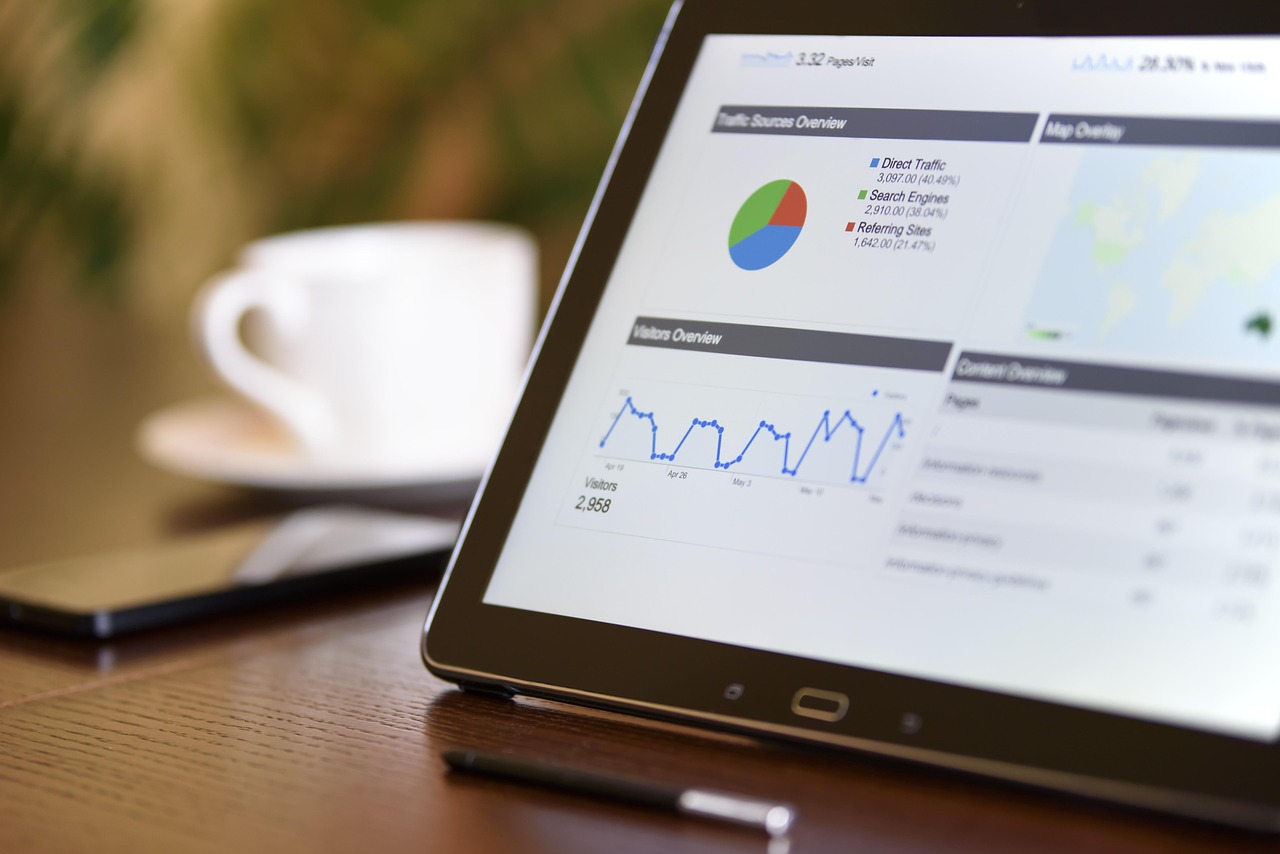
Photo from Pexels
Welcome to the Executive Certificate in Data Analysis for Occupational Health and Safety Professionals podcast, produced by London School of International Business, or LSIB. I'm your host, and I'm thrilled to dive into one of the most critical topics in the field of occupational health and safety: Data Governance and Ethical Use in OHS. This unit is a game-changer for professionals like you, who are dedicated to creating safer, healthier work environments.
As we explore this fascinating topic, let's take a step back and appreciate the incredible journey that has brought us to where we are today. The concept of data governance and ethics in OHS has evolved significantly over the years, from the early days of manual data collection to the current era of advanced analytics and artificial intelligence. It's amazing to think about how far we've come, and yet, we're still just scratching the surface of what's possible.
In the past, data was often seen as a secondary consideration in OHS, but today we recognize that it's the lifeblood of informed decision-making. With the vast amounts of data being generated every day, it's more important than ever to have a robust framework in place for governing and using that data in an ethical, responsible way. This is where Data Governance and Ethical Use in OHS comes in – it's the key to unlocking the full potential of your data, and driving meaningful improvements in workplace safety and health.
So, what does this look like in practice? Let's consider a real-world example. Imagine you're working as an OHS professional in a large manufacturing facility, and you've been tasked with analyzing injury data to identify trends and areas for improvement. As you delve into the data, you start to notice some interesting patterns – but you also realize that there are some significant gaps in the data, and some potential biases that could be influencing your findings. This is where data governance and ethics come into play.
By applying the principles of data governance, you can ensure that your data is accurate, complete, and unbiased – and that you're using it in a way that respects the privacy and confidentiality of your employees. This might involve implementing new data collection procedures, or developing guidelines for data sharing and collaboration. It might also involve educating your team on the importance of data ethics, and the potential consequences of misusing or mishandling sensitive information.
As you delve into the data, you start to notice some interesting patterns – but you also realize that there are some significant gaps in the data, and some potential biases that could be influencing your findings.
One of the most common pitfalls in data governance and ethics is the lack of transparency and accountability. Without clear guidelines and protocols in place, it's easy for data to be misused or manipulated – which can have serious consequences for your organization, and for the employees you're trying to protect. To avoid this, it's essential to establish a culture of openness and trust, where data is shared and used in a responsible, ethical way.
So, what can you do to start applying these principles in your own work? One actionable strategy is to conduct a data audit, to identify areas where your data governance and ethics practices may be falling short. This might involve reviewing your data collection procedures, assessing your data quality, and evaluating your data sharing and collaboration protocols. Another tip is to develop a data governance framework, that outlines your organization's policies and procedures for data management and use.
As you continue on your journey of growth and development, remember that data governance and ethics is an ongoing process – it's not a one-time fix, but rather a continuous effort to improve and refine your practices. By staying committed to these principles, you can unlock the full potential of your data, and drive meaningful improvements in workplace safety and health.
In conclusion, I want to leave you with a inspiring message: you have the power to create positive change in your organization, and in the lives of your employees. By applying the principles of data governance and ethics, you can build a safer, healthier work environment – and make a real difference in the world. If you're as passionate about this topic as I am, I invite you to subscribe to our podcast, share this episode with your network, and join the conversation on social media. Together, let's continue to push the boundaries of what's possible in the field of occupational health and safety – and create a brighter, safer future for all. Thanks for tuning in to this episode, produced by London School of International Business, or LSIB – we'll see you in the next one.
Key takeaways
- Welcome to the Executive Certificate in Data Analysis for Occupational Health and Safety Professionals podcast, produced by London School of International Business, or LSIB.
- The concept of data governance and ethics in OHS has evolved significantly over the years, from the early days of manual data collection to the current era of advanced analytics and artificial intelligence.
- This is where Data Governance and Ethical Use in OHS comes in – it's the key to unlocking the full potential of your data, and driving meaningful improvements in workplace safety and health.
- As you delve into the data, you start to notice some interesting patterns – but you also realize that there are some significant gaps in the data, and some potential biases that could be influencing your findings.
- By applying the principles of data governance, you can ensure that your data is accurate, complete, and unbiased – and that you're using it in a way that respects the privacy and confidentiality of your employees.
- Without clear guidelines and protocols in place, it's easy for data to be misused or manipulated – which can have serious consequences for your organization, and for the employees you're trying to protect.
- This might involve reviewing your data collection procedures, assessing your data quality, and evaluating your data sharing and collaboration protocols.