
Fire Protection Systems
Welcome to this episode of the London School of International Business podcast, where we're exploring the fascinating world of fire protection engineering. I'm your host, and I'm excited to dive into the critical topic of Fire Protection Sy…
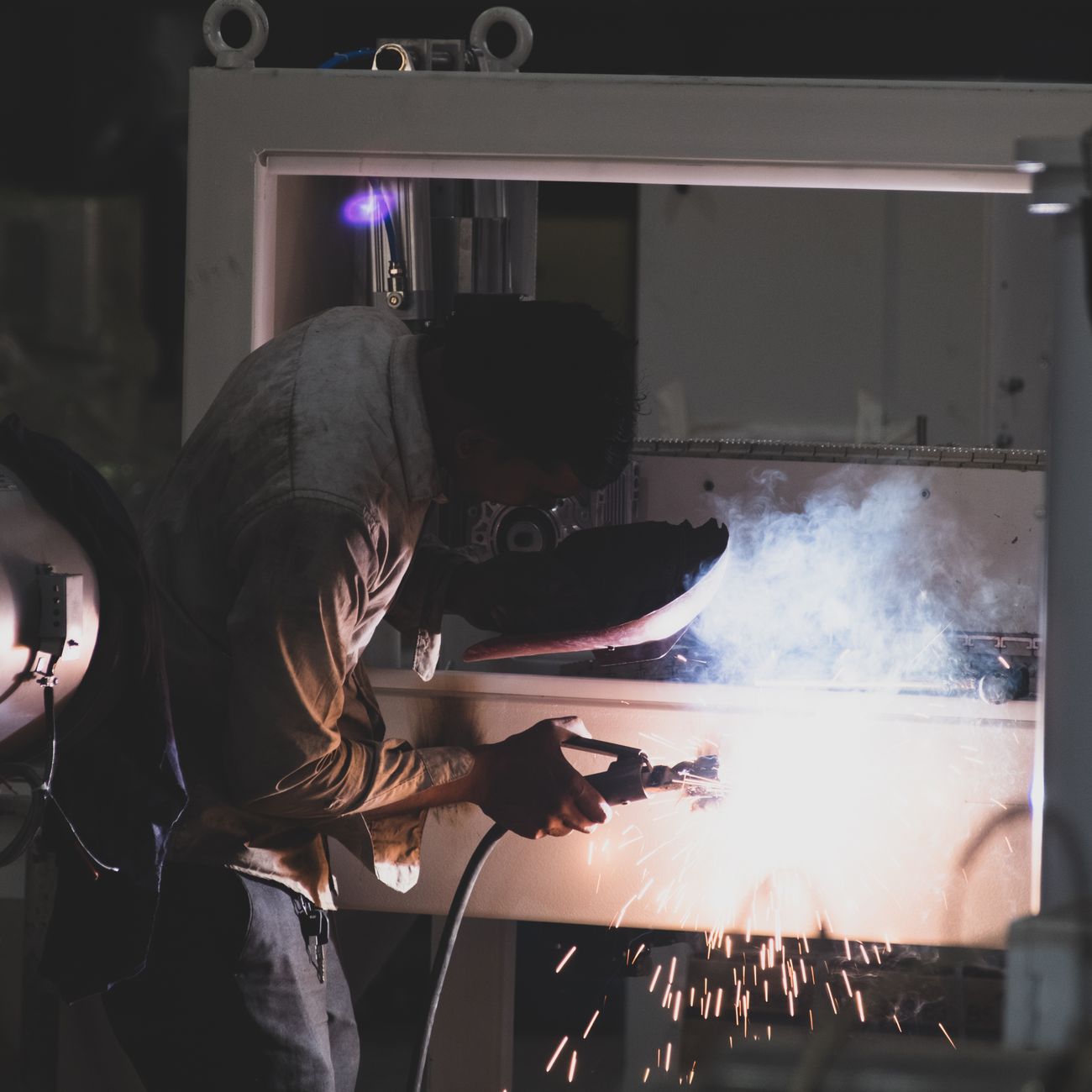
Photo from Pexels
Welcome to this episode of the London School of International Business podcast, where we're exploring the fascinating world of fire protection engineering. I'm your host, and I'm excited to dive into the critical topic of Fire Protection Systems, a crucial unit in our Postgraduate Certificate in Fire Protection Engineering. As we delve into this subject, you'll discover how fire protection systems have evolved over time, from basic smoke detectors to sophisticated, integrated systems that save lives and protect property.
The history of fire protection dates back to ancient civilizations, where people used simple yet effective methods to prevent and extinguish fires. As cities grew and urbanization increased, so did the risk of fires, leading to the development of more complex fire protection systems. Fast forward to the present day, and we have a wide range of technologies and strategies at our disposal to prevent, detect, and suppress fires. The importance of fire protection systems cannot be overstated, as they play a vital role in safeguarding human life, reducing property damage, and minimizing the economic impact of fires.
So, what makes fire protection systems so crucial? In simple terms, these systems are designed to detect fires early, alert occupants, and suppress or extinguish the fire before it spreads. This is achieved through a combination of smoke detectors, sprinkler systems, fire alarms, and other safety measures. But, as with any complex system, there are potential pitfalls to avoid. For instance, inadequate maintenance, poor system design, and insufficient training can all compromise the effectiveness of fire protection systems.
To illustrate the importance of fire protection systems, let's consider a real-life example. Imagine a large commercial building with a state-of-the-art fire protection system. One day, a fire breaks out in the kitchen, but the system quickly detects the smoke and alerts the occupants. The sprinkler system kicks in, extinguishing the fire before it spreads. Thanks to the fire protection system, the building is evacuated safely, and the damage is minimal. This scenario highlights the critical role that fire protection systems play in saving lives and property.
For instance, inadequate maintenance, poor system design, and insufficient training can all compromise the effectiveness of fire protection systems.
Now, let's talk about some practical applications of fire protection systems. If you're a facilities manager or a building owner, it's essential to ensure that your fire protection system is regularly maintained and inspected. This includes checking smoke detectors, testing sprinkler systems, and conducting fire drills to ensure that occupants know what to do in case of a fire. Additionally, it's crucial to stay up-to-date with the latest technologies and innovations in fire protection, such as advanced smoke detection systems and clean agent suppression systems.
As we conclude this episode, I want to leave you with an inspiring message. Fire protection engineering is a field that requires constant learning, innovation, and collaboration. By applying the knowledge and skills you've gained from this episode, you can make a real difference in your community and contribute to a safer, more resilient world. If you're interested in learning more about fire protection engineering, I encourage you to explore our Postgraduate Certificate in Fire Protection Engineering at the London School of International Business. This comprehensive program will equip you with the knowledge, skills, and expertise to design, install, and maintain fire protection systems that save lives and protect property.
Before we go, I want to thank you for tuning in to this episode of the London School of International Business podcast. If you found this episode informative and engaging, please subscribe to our podcast, share it with your friends and colleagues, and join the conversation on social media. At the London School of International Business, we're committed to providing high-quality educational content that inspires, motivates, and empowers our listeners. Until next time, stay safe, and keep learning.
Key takeaways
- As we delve into this subject, you'll discover how fire protection systems have evolved over time, from basic smoke detectors to sophisticated, integrated systems that save lives and protect property.
- The importance of fire protection systems cannot be overstated, as they play a vital role in safeguarding human life, reducing property damage, and minimizing the economic impact of fires.
- For instance, inadequate maintenance, poor system design, and insufficient training can all compromise the effectiveness of fire protection systems.
- One day, a fire breaks out in the kitchen, but the system quickly detects the smoke and alerts the occupants.
- Additionally, it's crucial to stay up-to-date with the latest technologies and innovations in fire protection, such as advanced smoke detection systems and clean agent suppression systems.
- If you're interested in learning more about fire protection engineering, I encourage you to explore our Postgraduate Certificate in Fire Protection Engineering at the London School of International Business.
- If you found this episode informative and engaging, please subscribe to our podcast, share it with your friends and colleagues, and join the conversation on social media.