
Creating a YouTube Channel
Welcome to the Masterclass Certificate in YouTube Marketing, a podcast series brought to you by the London School of International Business, or LSIB. I'm your host, and I'm excited to dive into one of the most fundamental topics in YouTube …
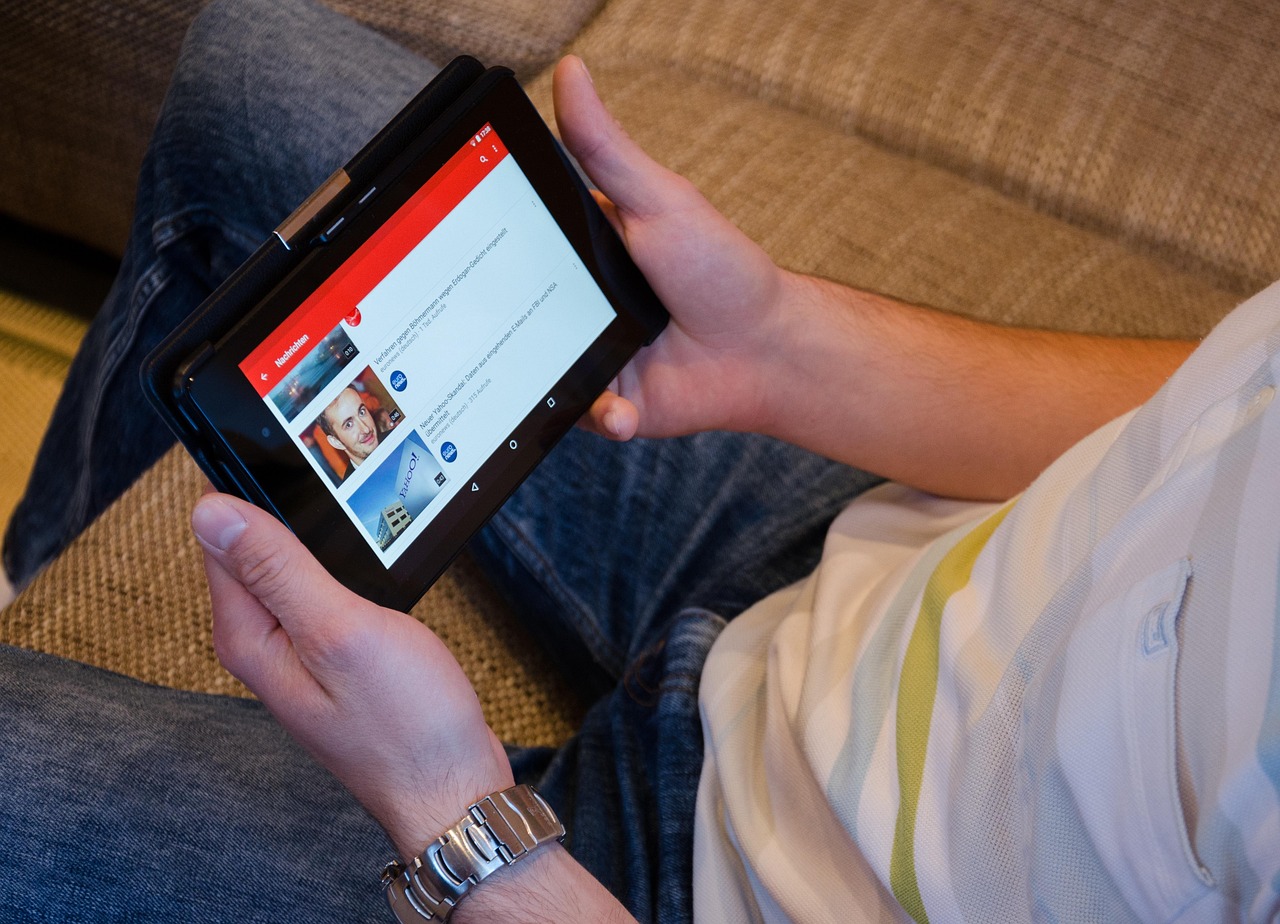
Photo from Pexels
Welcome to the Masterclass Certificate in YouTube Marketing, a podcast series brought to you by the London School of International Business, or LSIB. I'm your host, and I'm excited to dive into one of the most fundamental topics in YouTube marketing: Creating a YouTube Channel. This unit is all about laying the groundwork for your YouTube journey, and trust me, it's a crucial step that can make all the difference in your success.
Let's take a step back and look at how far YouTube has come. From its humble beginnings in 2005, when it was founded by three former PayPal employees, to the global phenomenon it is today, with over 2 billion monthly active users, YouTube has revolutionized the way we consume video content. And with the rise of social media, influencer marketing, and online learning, having a strong presence on YouTube is no longer a nice-to-have, but a must-have for anyone looking to build a personal brand, grow a business, or simply share their passions with the world.
So, why is creating a YouTube channel so important? Well, think of it like building a house. You need a solid foundation to support the structure, and in this case, your channel is the foundation of your YouTube presence. It's where you'll showcase your brand, connect with your audience, and ultimately, drive traffic, sales, and revenue. But, just like building a house, creating a successful YouTube channel requires careful planning, execution, and ongoing maintenance.
Now, let's get practical. When it comes to creating a YouTube channel, there are a few key things to keep in mind. First, you need to define your niche or topic area. What are you passionate about? What are you knowledgeable about? What problems can you solve for your audience? Once you have a clear idea of your niche, you can start thinking about your brand identity, including your channel name, logo, and tagline.
Next, you'll want to set up your channel art, which includes your profile picture, banner, and background image. This is like dressing your channel for success, so make sure it looks professional, consistent, and aligned with your brand. And don't forget to optimize your channel description, which should clearly communicate what your channel is about, what viewers can expect, and what makes you unique.
Now, here's a common pitfall to avoid: don't try to be everything to everyone. It's tempting to want to appeal to a broad audience, but trust me, it's better to focus on a specific niche or topic area and own it. Think of it like a restaurant. If you try to serve everything from pizza to sushi to burgers, you'll likely end up with a mediocre menu that doesn't impress anyone. But, if you specialize in one type of cuisine, you can perfect it, and people will come from all over to taste your expertise.
And don't forget to optimize your channel description, which should clearly communicate what your channel is about, what viewers can expect, and what makes you unique.
Another key strategy is to create high-quality, engaging content that resonates with your audience. This means investing in good camera equipment, editing software, and sound quality. It also means being authentic, passionate, and consistent in your messaging. Remember, your viewers are looking for value, entertainment, or inspiration, so make sure you're delivering on at least one of those fronts.
As you start creating content, you'll also want to think about your channel's visibility and discoverability. This is where keywords, tags, and descriptions come in. Think of it like SEO for your channel. You want to make it easy for people to find you, so use relevant keywords in your titles, descriptions, and tags. And don't forget to promote your channel on social media, your website, and other online platforms.
As you continue on your YouTube journey, you'll encounter ups and downs, successes and failures. But, don't be discouraged. Every successful YouTuber has been where you are, and the key is to keep learning, adapting, and improving. At the London School of International Business, or LSIB, we're committed to helping you navigate the world of YouTube marketing, and we're excited to be a part of your journey.
So, what's next? We encourage you to take action on what you've learned today. Start creating your YouTube channel, and don't be afraid to experiment, try new things, and make mistakes. And, if you haven't already, subscribe to our podcast, share it with your friends and colleagues, and join the conversation on social media using the hashtag #LSIB. We can't wait to see what you create, and we're honored to be a part of your journey to success. Thanks for tuning in, and we'll see you in the next episode of the Masterclass Certificate in YouTube Marketing, brought to you by the London School of International Business, or LSIB.
Key takeaways
- This unit is all about laying the groundwork for your YouTube journey, and trust me, it's a crucial step that can make all the difference in your success.
- From its humble beginnings in 2005, when it was founded by three former PayPal employees, to the global phenomenon it is today, with over 2 billion monthly active users, YouTube has revolutionized the way we consume video content.
- But, just like building a house, creating a successful YouTube channel requires careful planning, execution, and ongoing maintenance.
- Once you have a clear idea of your niche, you can start thinking about your brand identity, including your channel name, logo, and tagline.
- And don't forget to optimize your channel description, which should clearly communicate what your channel is about, what viewers can expect, and what makes you unique.
- It's tempting to want to appeal to a broad audience, but trust me, it's better to focus on a specific niche or topic area and own it.
- Remember, your viewers are looking for value, entertainment, or inspiration, so make sure you're delivering on at least one of those fronts.