
International Trade Law in Germany
Welcome to this exciting episode of our podcast, brought to you by Greenwich School of Business and Finance, or GSBF, where we're exploring the fascinating world of international trade law in Germany. As part of our course, Professionelles …
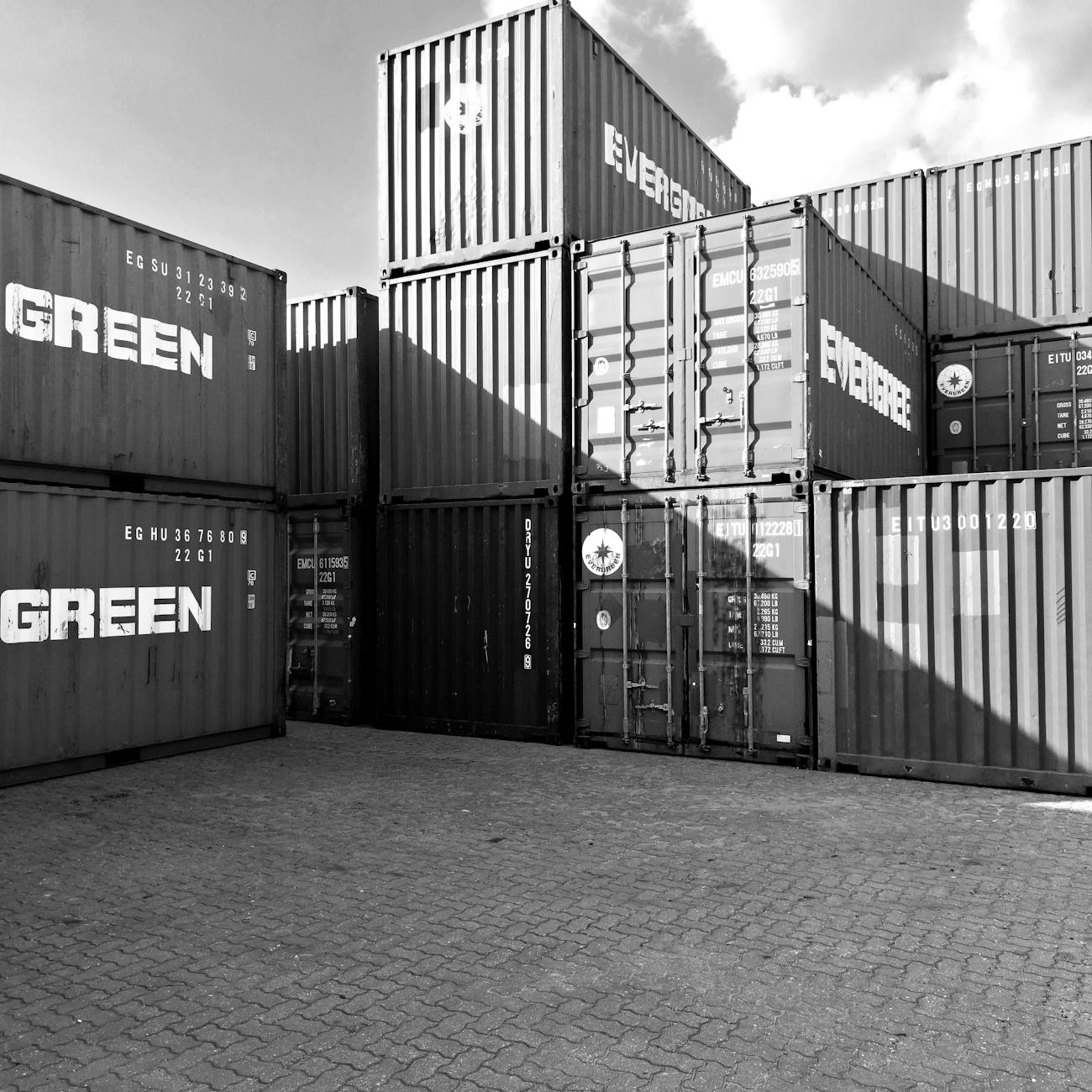
Photo from Pexels
Welcome to this exciting episode of our podcast, brought to you by Greenwich School of Business and Finance, or GSBF, where we're exploring the fascinating world of international trade law in Germany. As part of our course, Professionelles Zertifikat in deutschem Handelsgesetzbuch für internationales Geschäft, we're diving into the intricacies of International Trade Law in Germany, a topic that's not only crucial for businesses but also for individuals looking to navigate the complex landscape of global commerce.
To set the stage, let's take a brief look at the evolution of international trade law in Germany. From the early days of the Hanseatic League to the modern era of the European Union, Germany has played a significant role in shaping trade regulations and laws. The country's strategic location at the heart of Europe has made it a hub for international trade, with its laws and regulations influencing trade practices across the continent. As we fast-forward to the present, it's clear that understanding international trade law in Germany is essential for anyone looking to succeed in the global market.
So, why is this topic so important? In today's interconnected world, businesses and individuals are increasingly engaging in cross-border transactions, making it vital to grasp the nuances of international trade law in Germany. Whether you're an entrepreneur looking to expand your business, a professional seeking to enhance your skills, or simply an individual interested in global commerce, this unit will provide you with the knowledge and insights you need to navigate the complexities of international trade law.
Now, let's get practical. When it comes to applying international trade law in Germany, there are several key strategies and tips to keep in mind. For instance, understanding the concept of Incoterms, or International Commercial Terms, is crucial for avoiding costly mistakes and ensuring smooth transactions. Additionally, being aware of the different types of contracts, such as the German Civil Code and the Uniform Commercial Code, can help you negotiate and draft contracts that protect your interests. And, of course, staying up-to-date with the latest regulations and laws, such as the EU's General Data Protection Regulation, is essential for compliance and risk management.
But, as with any complex topic, there are common pitfalls to avoid. One of the most significant mistakes is failing to conduct thorough due diligence on potential business partners or suppliers. This can lead to costly disputes, reputational damage, and even legal action. Another pitfall is neglecting to consider the cultural and linguistic nuances of doing business in Germany. For example, the concept of "Kulanz" or "goodwill" is deeply ingrained in German business culture, and failing to understand its significance can lead to misunderstandings and lost opportunities.
Additionally, being aware of the different types of contracts, such as the German Civil Code and the Uniform Commercial Code, can help you negotiate and draft contracts that protect your interests.
So, what's the solution? By taking a proactive and informed approach to international trade law in Germany, you can avoid these pitfalls and set yourself up for success. This might involve seeking the advice of a qualified lawyer or trade expert, investing in ongoing education and training, and staying attuned to the latest developments and trends in the field.
As we conclude this episode, I want to leave you with an inspiring message. Mastering international trade law in Germany is not just about complying with regulations or avoiding risks; it's about unlocking new opportunities, building strong relationships, and driving growth and innovation. By applying the knowledge and insights you've gained from this unit, you'll be empowered to navigate the complexities of global commerce with confidence and precision.
So, what's next? We invite you to subscribe to our podcast, brought to you by Greenwich School of Business and Finance, or GSBF, and join our community of learners and professionals who are passionate about international trade law. Share this episode with your network, and engage with us on social media to continue the conversation. Together, let's explore the exciting world of international trade law and unlock new possibilities for growth, innovation, and success. Thank you for tuning in, and we look forward to your feedback and engagement.
Key takeaways
- Welcome to this exciting episode of our podcast, brought to you by Greenwich School of Business and Finance, or GSBF, where we're exploring the fascinating world of international trade law in Germany.
- The country's strategic location at the heart of Europe has made it a hub for international trade, with its laws and regulations influencing trade practices across the continent.
- In today's interconnected world, businesses and individuals are increasingly engaging in cross-border transactions, making it vital to grasp the nuances of international trade law in Germany.
- Additionally, being aware of the different types of contracts, such as the German Civil Code and the Uniform Commercial Code, can help you negotiate and draft contracts that protect your interests.
- For example, the concept of "Kulanz" or "goodwill" is deeply ingrained in German business culture, and failing to understand its significance can lead to misunderstandings and lost opportunities.
- This might involve seeking the advice of a qualified lawyer or trade expert, investing in ongoing education and training, and staying attuned to the latest developments and trends in the field.
- Mastering international trade law in Germany is not just about complying with regulations or avoiding risks; it's about unlocking new opportunities, building strong relationships, and driving growth and innovation.