
Postgraduate Certificate in Marine Salvage Operations (Spain)
… operations undertaken to recover a vessel, cargo, or other maritime property after an incident such as grounding, collision, or sinking. The vocabulary associated with marine salvage equipment and techniques is extensive, reflecting the multidisciplinary nature of the field. The following explanation provides a detailed overview of the most important terms, definitions, …

Postgraduate Certificate in Marine Salvage Operations (Spain)
Marine Salvage Operations Planning is a multidisciplinary field that integrates legal, technical, environmental, and economic considerations to recover vessels, cargo, and equipment after an incident at sea. The following key terms and vocabulary form the foundation for professionals studying the Postgraduate Certificate in Marine Salvage Operations in Spain. …

Certified Professional in Lead Paint Removal in Construction
… process of meeting all applicable local, state, and federal laws governing lead‑based paint activities. In the United States, the primary regulations are the EPA’s Lead Renovation, Repair and Painting (RRP) Rule and OSHA’s Lead Standard (29 CFR 1926.62). Compliance requires that contractors obtain proper certification, implement a written control plan, provide appr …
Certified Professional in Lead Paint Removal in Construction
… lead‑based paint may have a baseline Blood Lead Level of 5 µg/dL before starting a project. After a week of intensive removal work, the level might rise to 15 µg/dL, prompting immediate medical evaluation and possible removal from the job until the level declines. The challenge in interpreting these results lies in the variability of individual metabolism and the timing …
Certified Professional in Lead Paint Removal in Construction
… concentrations approaching the PEL, additional controls must be implemented immediately. Action Level – A lower threshold than the PEL that triggers specific employer responsibilities, such as medical surveillance and additional exposure controls. OSHA’s action level for lead is 30 µg/m³ (8‑hour TWA). When a worker’s exposure exceeds this level, the employer must provide a medi …

Certified Professional in Lead Paint Removal in Construction
… removal projects require a clear understanding of the specialized language that governs decontamination and waste management. The following glossary presents the essential terms a Certified Professional in Lead Paint Removal must master. Each definition includes practical examples, typical applications on a construction site, and common challenges that may arise. The …

Certified Professional in Lead Paint Removal in Construction
… OSHA Standard 1926.62 is the specific regulation that governs occupational exposure to lead in construction. It mandates that employers implement an exposure control plan, provide medical surveillance, and ensure that workers use appropriate personal protective equipment (PPE). The standard also defines permissible exposure limits (PELs), requires periodic air moni …
Certified Professional in Lead Paint Removal in Construction
… altering how work is performed. Examples include rotating workers to limit individual exposure time, establishing mandatory hand‑washing stations, and implementing a strict schedule for equipment decontamination. Administration also encompasses training programs that educate workers on the hazards of lead, proper use of protective equipment, and emergency response protocol …

Certified Professional in Lead Paint Removal in Construction
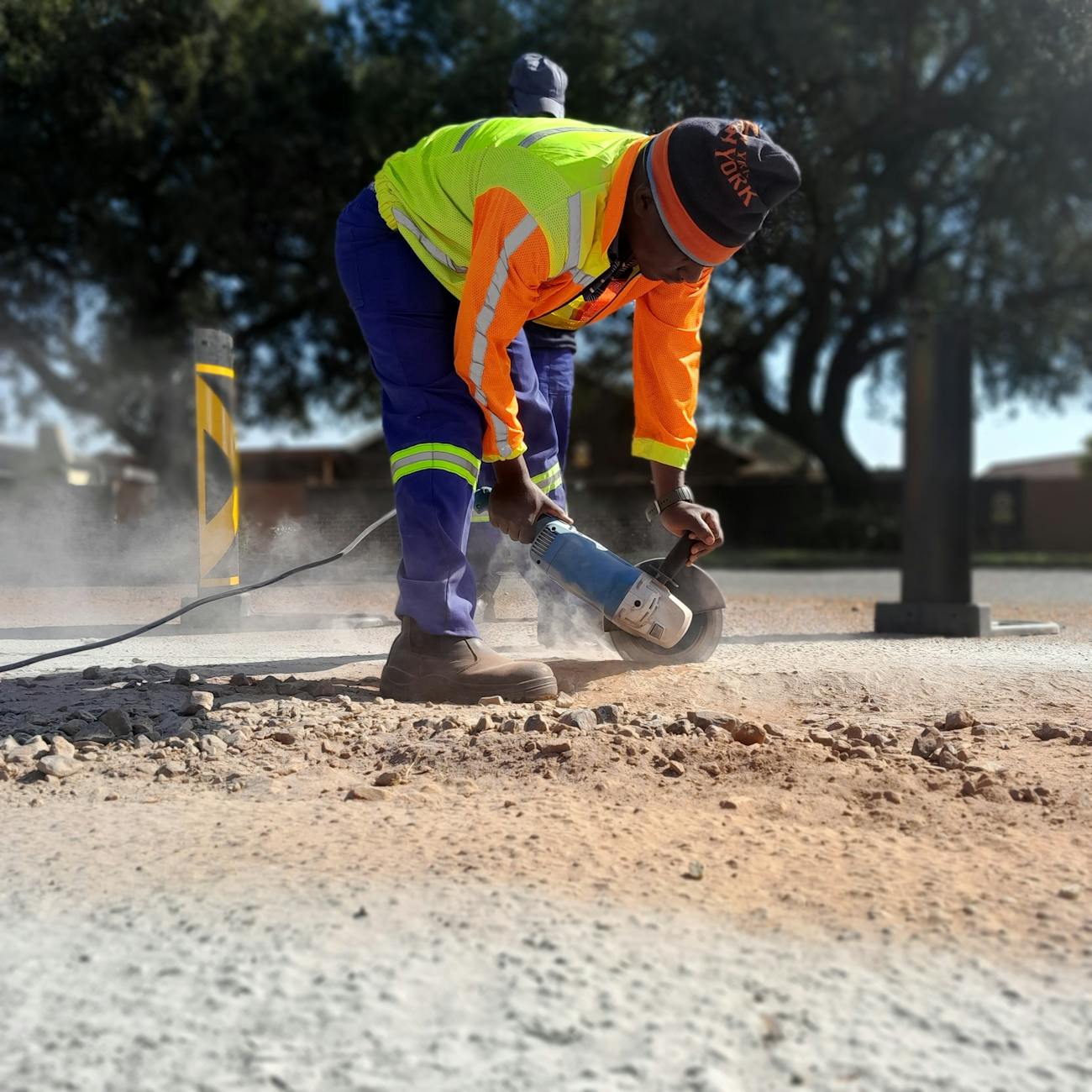
… area when those doors are removed or sanded. lead‑safe work practices are a set of procedures designed to prevent the creation of lead‑containing dust and debris during renovation, repair, or painting projects. These practices include using wet methods to suppress dust, sealing off the work area with plastic sheeting, employing HEPA‑filtered vacuum equipment, and c …
Certified Professional in Lead Paint Removal in Construction
… minimize the release of lead particles during renovation or demolition. These practices include using wet methods, containing the work area, and employing proper personal protective equipment (PPE). LBWP are mandatory under most lead‑hazard regulations and are essential for protecting both workers and occupants. Personal protective equipment (PPE) includes items such a …

Advanced Certificate in Radiology Management
… examinations per hour with a 15‑minute turnover, the theoretical maximum is 240 studies per 8‑hour shift. However, real‑world throughput is often reduced by factors such as patient no‑shows, equipment downtime, and staffing constraints. Planners must therefore incorporate a realistic “efficiency factor” (often 70–80 %) to avoid over‑optimistic capacity assumptions. Capacity Pla …
Advanced Certificate in Radiology Management
… medicine. It is responsible for producing diagnostic images, interpreting them, and supporting patient care pathways. Operational hub of imaging. Modality – Any imaging technique or equipment that generates diagnostic images, for example, CT, MRI, PET, or digital radiography. Understanding each modality’s capabilities, limitations, and workflow requirements is essentia …
Gym Facility Safety Management
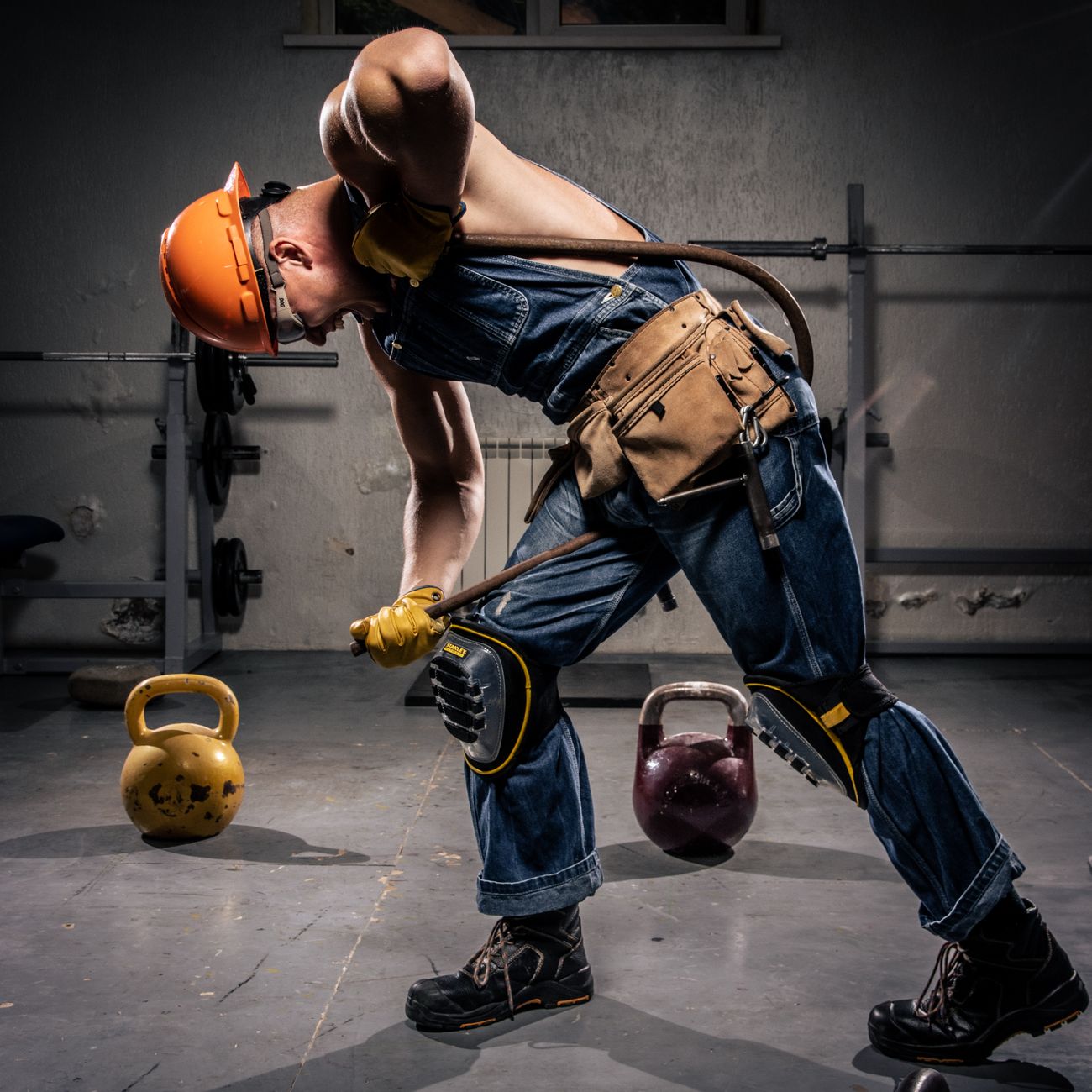
Personal Protective Equipment (PPE) refers to the clothing and gear that protect members and staff from injury while using gym facilities. Typical items include gloves, safety glasses, and non‑slip footwear. I …
Gym Facility Safety Management
… conditions, actions, or substances that have the potential to cause injury, illness, or damage to property within a gym environment. In practice, staff walk through the facility, review equipment manuals, and consult incident reports to spot anything that could lead to a negative outcome. A common example is the discovery of a loose treadmill belt that could cause a user t …
Specialist Certification in Sports Injury Recovery for Tennis Players
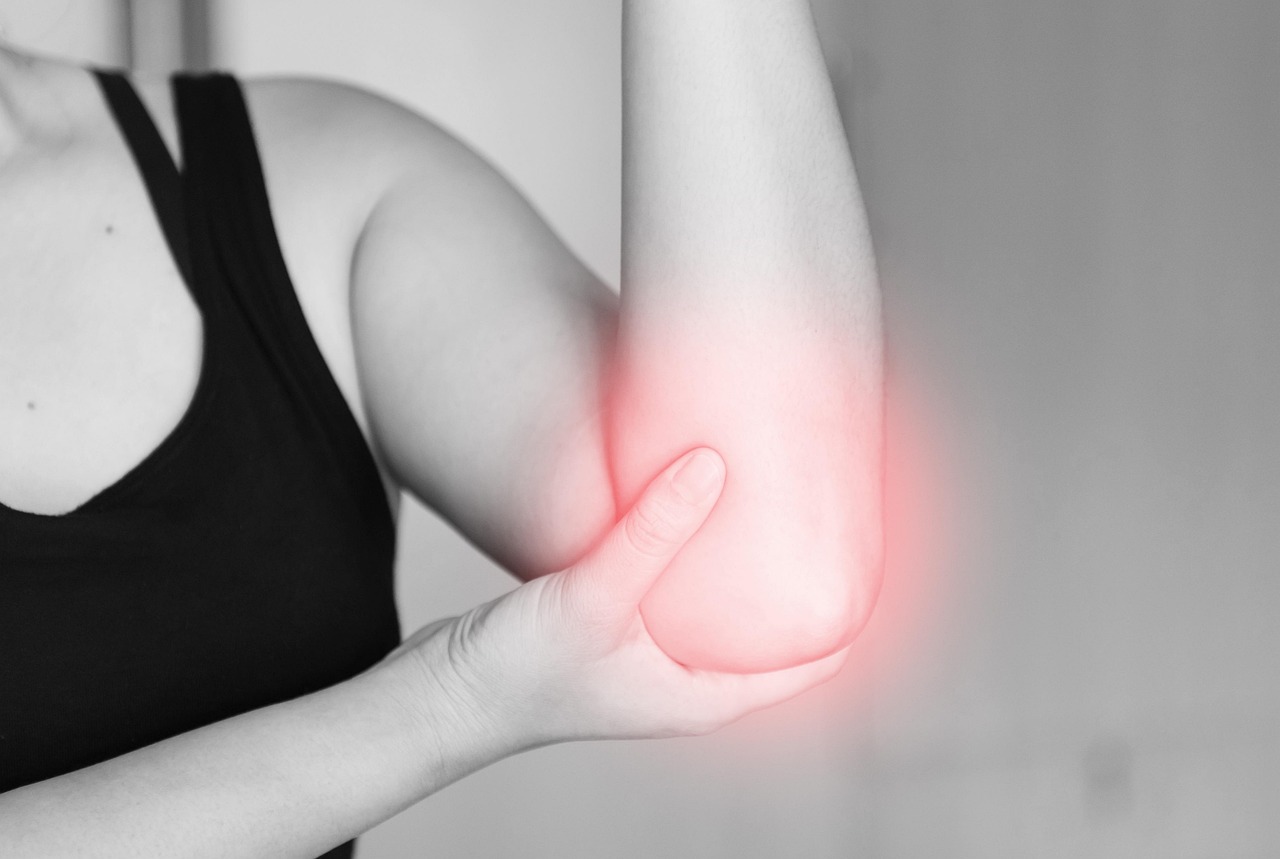
… recurrence by ensuring progressive but controlled exposure. recovery modalities – interventions such as compression garments, active recovery, and sleep optimization that support tissue repair. The protocol recommends specific recovery strategies aligned with each training micro‑cycle. return‑to‑play (RTP) criteria – objective benchmarks that must be met before an athle …

Graduate Certificate in Health and Safety Management for Film Productions (United Kingdom)
… that a crew member will be struck by a falling prop) and the potential consequences (such as fatal injury or costly production delays). Understanding risk enables producers and safety professionals to prioritise controls where they will have the greatest impact. Risk Assessment is the systematic process of evaluating identified hazards to determine their associated risks. T …
Graduate Certificate in Health and Safety Management for Film Productions (United Kingdom)
… Finance/Administration. For example, when a fire breaks out on a soundstage, the Operations section coordinates the fire‑extinguishing crew, while the Logistics section ensures that necessary equipment (e.G., Fire blankets, extinguishers) is readily available. A frequent challenge is the lack of familiarity with the specific roles defined by ICS, leading to duplicated efforts or …

Graduate Certificate in Health and Safety Management for Film Productions (United Kingdom)
… controls – A prioritized sequence of control strategies, from most to least effective: elimination, substitution, engineering controls, administrative controls, and personal protective equipment. When planning a chase sequence that involves a moving vehicle, the first step is to eliminate the need for a real car if a realistic mock‑up can achieve the same visual effect. I …
Global Certificate Course in Safe Use of Powered Air-Purifying Respirators
… Controls is a prioritized approach for selecting control measures . The order is: elimination, substitution, engineering controls, administrative controls, and personal protective equipment (PPE). The hierarchy emphasizes that PPE is the last line of defense. Elimination removes the hazard entirely. If a process uses a toxic solvent, replacing that process with a wat …

Global Certificate Course in Safe Use of Powered Air-Purifying Respirators
… tight‑fitting respirators, a minimum fit factor of 100 is required for half‑mask respirators, and a minimum of 500 for full‑face respirators. The fit factor is calculated by the fit testing equipment and recorded in the worker’s fit test record. Qualitative Fit Test (QLFT) – A qualitative fit test relies on the wearer’s sensory detection of a test agent (taste, smell, or irrit …
