
Introduction To Integrative Cancer Care
The field of integrative cancer care is a holistic approach that combines conventional Western medicine with evidence-based complementary therapies to provide comprehensive care for cancer patients. This approach focuses on treating the who…
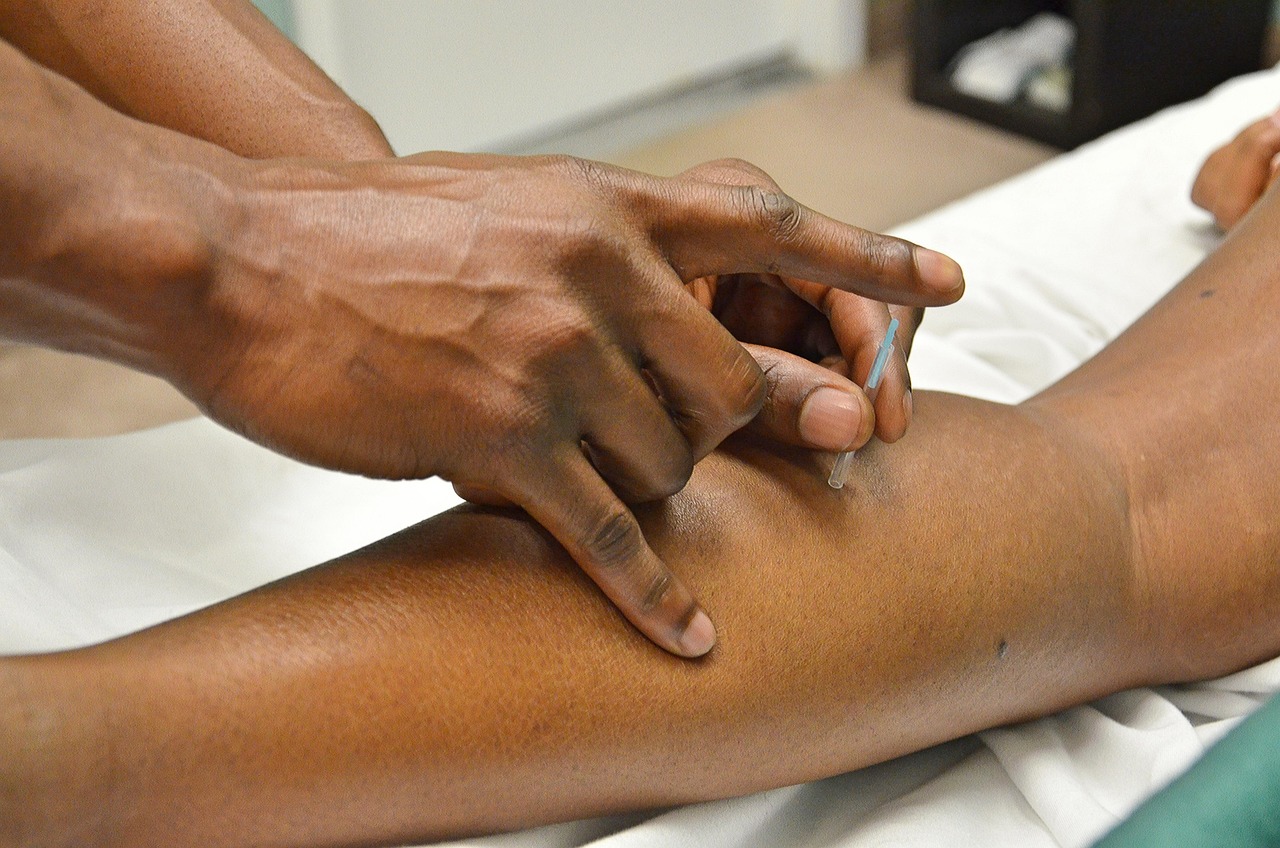
The field of integrative cancer care is a holistic approach that combines conventional Western medicine with evidence-based complementary therapies to provide comprehensive care for cancer patients. This approach focuses on treating the whole person, including their physical, emotional, and spiritual well-being, rather than just the disease itself. In the context of the Certificate Programme in Acupuncture for Integrative Cancer Care, students will learn about the various key concepts and vocabulary related to cancer care, including the different types of cancer, stages of cancer, and treatment options.
One of the primary goals of integrative cancer care is to improve the quality of life for cancer patients, enhancing their physical and emotional well-being, and reducing the side effects of conventional cancer treatments. This can be achieved through the use of various complementary therapies, such as acupuncture, herbal medicine, and mind-body therapies. For example, acupuncture has been shown to be effective in reducing nausea and vomiting in cancer patients undergoing chemotherapy, as well as improving pain management and reducing anxiety and depression.
The concept of holism is central to integrative cancer care, recognizing that the whole person is more than the sum of their parts. This approach considers the physical, emotional, mental, and spiritual aspects of a person's being, and how these aspects interact and influence one another. By addressing these different aspects, integrative cancer care aims to promote healing and recovery, rather than just treating the disease.
In the context of cancer care, the term complementary therapy refers to any treatment or intervention that is used in conjunction with conventional medical treatment. These therapies can include acupuncture, herbal medicine, mind-body therapies, and other approaches that are not part of conventional Western medicine. Complementary therapies can be used to enhance the effectiveness of conventional treatments, reduce side effects, and improve quality of life for cancer patients.
The biopsychosocial model is a framework for understanding the complex interactions between biological, psychological, and sociological factors that influence health and disease. This model recognizes that cancer is not just a physical disease, but also has emotional, mental, and social dimensions. By considering these different factors, healthcare providers can develop more comprehensive and individualized treatment plans that address the unique needs of each patient.
The concept of evidence-based practice is critical in integrative cancer care, ensuring that all treatments and interventions are based on the best available scientific evidence. This approach involves systematic reviews of the literature, clinical trials, and other forms of research to evaluate the safety and effectiveness of different treatments. By using evidence-based practice, healthcare providers can make informed decisions about the most effective treatments and interventions for their patients.
In the Certificate Programme in Acupuncture for Integrative Cancer Care, students will learn about the fundamentals of acupuncture, including the principles of traditional Chinese medicine and the techniques of acupuncture. They will also learn about the research evidence supporting the use of acupuncture in cancer care, including its effects on symptom management, quality of life, and survival rates.
The diagnosis of cancer involves a range of clinical and laboratory tests, including imaging studies, biopsies, and blood tests. These tests help to determine the type and stage of cancer, as well as the most effective treatment options. In integrative cancer care, the diagnosis is not just focused on the physical aspects of the disease, but also considers the emotional, mental, and spiritual aspects of the patient's experience.
The treatment options for cancer depend on the type and stage of cancer, as well as the patient's overall health and well-being. Conventional treatments may include surgery, chemotherapy, radiation therapy, and hormone therapy. Complementary therapies, such as acupuncture, herbal medicine, and mind-body therapies, can be used in conjunction with conventional treatments to enhance their effectiveness and reduce side effects.
The side effects of cancer treatment can be significant, and may include nausea and vomiting, fatigue, pain, and anxiety and depression. Complementary therapies, such as acupuncture and mind-body therapies, can be effective in reducing these side effects and improving quality of life for cancer patients. For example, acupuncture has been shown to be effective in reducing nausea and vomiting in patients undergoing chemotherapy, while mind-body therapies such as meditation and yoga can help to reduce stress and anxiety.
The concept of palliative care is an essential aspect of integrative cancer care, focusing on the relief of suffering and improvement of quality of life for patients with advanced cancer. Palliative care involves a range of physical, emotional, and spiritual interventions designed to address the complex needs of patients and their families. This approach recognizes that cancer is not just a physical disease, but also has emotional, mental, and social dimensions that must be addressed in order to provide comprehensive care.
The role of the practitioner in integrative cancer care is critical, requiring a deep understanding of the complex interactions between biological, psychological, and sociological factors that influence health and disease. Practitioners must be able to communicate effectively with patients and their families, and work collaboratively with other healthcare providers to develop comprehensive and individualized treatment plans. They must also be able to evaluate the evidence for different treatments and interventions, and make informed decisions about the most effective approaches for their patients.
The challenges of integrative cancer care are numerous, and may include limited access to complementary therapies, lack of standardization in treatment protocols, and limited research evidence to support the use of certain interventions. Additionally, integrative cancer care may require significant changes in practice for healthcare providers, who must be willing to adapt to new approaches and collaborate with other practitioners. Despite these challenges, the benefits of integrative cancer care are clear, and this approach is becoming increasingly recognized as an essential aspect of comprehensive cancer care.
The future of integrative cancer care is exciting, with ongoing research and innovation in the field. As our understanding of the complex interactions between biological, psychological, and sociological factors that influence health and disease continues to evolve, we can expect to see new and innovative approaches to cancer care emerge. These approaches may include the use of personalized medicine, genomics, and other advanced technologies to develop more effective and targeted treatments for cancer.
In terms of clinical practice, integrative cancer care requires a range of skills and knowledge, including the ability to communicate effectively with patients and their families, and to evaluate the evidence for different treatments and interventions. Practitioners must also be able to adapt to new approaches and collaborate with other healthcare providers to develop comprehensive and individualized treatment plans. The use of case studies and clinical scenarios can be a helpful way to illustrate the principles of integrative cancer care, and to demonstrate the practical applications of this approach.
The importance of self-care for healthcare providers cannot be overstated, as the demands of working in cancer care can be significant. Practitioners must be able to manage their own stress and emotional well-being, in order to provide the best possible care for their patients. This may involve engaging in self-care activities, such as meditation, yoga, or other mind-body therapies, as well as seeking support from colleagues and mentors.
The role of education in integrative cancer care is critical, as healthcare providers must be able to stay up-to-date with the latest research evidence and best practices in the field. This may involve attending conferences and workshops, as well as participating in online courses and other forms of continuing education. The use of online resources and educational materials can be a helpful way to support learning and professional development in this area.
In terms of policy and advocacy, there is a growing recognition of the importance of integrative cancer care, and the need for greater support and resources to be dedicated to this area. This may involve advocating for policy changes that support the use of complementary therapies in cancer care, as well as raising awareness about the benefits and effectiveness of integrative cancer care. The use of social media and other forms of communication can be a helpful way to promote this message, and to build support for integrative cancer care.
The impact of integrative cancer care on patients and their families can be significant, and may include improved quality of life, reduced symptoms, and enhanced well-being. This approach can also help to reduce stress and anxiety, and to promote a sense of hope and optimism in the face of a cancer diagnosis. The use of patient-centered care and personalized medicine can be a helpful way to tailor integrative cancer care to the unique needs and preferences of each patient.
The relationship between integrative cancer care and conventional cancer treatment is complex, and may involve collaboration and communication between healthcare providers from different disciplines. This approach recognizes that conventional cancer treatment is often necessary and effective, but that complementary therapies can be used to enhance its effectiveness and reduce side effects. The use of multidisciplinary teams and interprofessional collaboration can be a helpful way to support this approach, and to ensure that patients receive comprehensive and coordinated care.
The cost-effectiveness of integrative cancer care is an important consideration, as healthcare systems around the world face increasing pressure to control costs and improve outcomes. This approach may involve reducing the use of expensive and ineffective treatments, and increasing the use of cost-effective and evidence-based interventions. The use of health economic evaluation and cost-benefit analysis can be a helpful way to support this approach, and to demonstrate the value of integrative cancer care.
The future directions of integrative cancer care are likely to involve continued innovation and advances in research, as well as greater recognition and acceptance of this approach by healthcare providers and patients. This may involve expanding the range of complementary therapies and interventions that are available, as well as developing new models and approaches to integrative cancer care. The use of technology and digital health can be a helpful way to support this approach, and to improve access to integrative cancer care for patients around the world.
The importance of cultural competence in integrative cancer care cannot be overstated, as patients from diverse cultural backgrounds may have unique needs and preferences that must be respected and addressed. This approach involves recognizing and valuing the diversity of patients and their families, and providing care that is sensitive to their cultural beliefs and values. The use of culturally sensitive and linguistically appropriate educational materials can be a helpful way to support this approach, and to improve health outcomes for patients from diverse cultural backgrounds.
The role of nutrition in integrative cancer care is critical, as a healthy and balanced diet can help to support the immune system and reduce the risk of cancer recurrence. This approach may involve providing guidance on healthy eating and nutrition, as well as recommending supplements and other interventions that can help to support cancer prevention and treatment. The use of nutrition counseling and education can be a helpful way to support this approach, and to empower patients to make informed decisions about their diet and lifestyle.
The impact of integrative cancer care on healthcare systems can be significant, and may involve reducing the burden on healthcare resources, improving health outcomes, and enhancing patient satisfaction. This approach can also help to reduce the cost of cancer care, and to improve the efficiency of healthcare services. The use of health system redesign and quality improvement initiatives can be a helpful way to support this approach, and to create a more sustainable and effective healthcare system.
The relationship between integrative cancer care and patient empowerment is critical, as patients who are informed and empowered are better able to make decisions about their care and take control of their health. This approach involves providing patients with the knowledge and skills they need to manage their condition and improve their health outcomes. The use of patient education and support groups can be a helpful way to support this approach, and to empower patients to take an active role in their care.
The importance of spirituality in integrative cancer care cannot be overstated, as patients who are spiritually fulfilled and connected may experience better health outcomes and improved quality of life. This approach involves recognizing and respecting the spiritual beliefs and values of patients, and providing care that is sensitive to their spiritual needs. The use of spiritual care and chaplaincy services can be a helpful way to support this approach, and to provide patients with the spiritual support and guidance they need.
The role of mind-body therapies in integrative cancer care is critical, as these therapies can help to reduce stress and anxiety, and improve mood and overall well-being. This approach may involve providing guidance on mind-body therapies such as meditation, yoga, and deep breathing exercises, as well as recommending other interventions that can help to support relaxation and reduce stress. The use of mind-body therapy programs and workshops can be a helpful way to support this approach, and to empower patients to take control of their mental and emotional health.
The importance of social support in integrative cancer care cannot be overstated, as patients who have strong social connections and support networks may experience better health outcomes and improved quality of life. This approach involves recognizing and respecting the social needs and values of patients, and providing care that is sensitive to their social circumstances. The use of support groups and social work services can be a helpful way to support this approach, and to provide patients with the social support and guidance they need.
The relationship between integrative cancer care and healthcare policy is complex, and may involve advocating for policy changes that support the use of complementary therapies in cancer care. This approach involves working with healthcare leaders and policymakers to develop and implement policies that promote the use of integrative cancer care, and to ensure that patients have access to the care they need. The use of healthcare advocacy and policy analysis can be a helpful way to support this approach, and to create a more supportive and inclusive healthcare system.
The importance of research in integrative cancer care cannot be overstated, as ongoing research and evaluation are necessary to develop and refine this approach. This involves conducting studies to evaluate the safety and effectiveness of different complementary therapies, as well as investigating the mechanisms by which these therapies work. The use of research grants and funding opportunities can be a helpful way to support this approach, and to advance the field of integrative cancer care.
The role of technology in integrative cancer care is critical, as technology can help to improve access to care, enhance patient engagement, and support the delivery of high-quality care. This approach may involve using digital health technologies such as telehealth, mobile health apps, and electronic health records to support the delivery of integrative cancer care. The use of technology-enabled care and digital health platforms can be a helpful way to support this approach, and to create a more efficient and effective healthcare system.
The importance of collaboration in integrative cancer care cannot be overstated, as collaboration between healthcare providers from different disciplines is necessary to develop and deliver high-quality care. This approach involves working together with other healthcare providers to develop comprehensive and individualized treatment plans, and to ensure that patients receive the care they need. The use of interprofessional collaboration and team-based care can be a helpful way to support this approach, and to create a more cohesive and effective healthcare team.
The role of education and training in integrative cancer care is critical, as healthcare providers must be educated and trained to provide high-quality care. This approach involves providing education and training programs for healthcare providers, as well as promoting ongoing learning and professional development. The use of continuing education and professional development opportunities can be a helpful way to support this approach, and to ensure that healthcare providers have the knowledge and skills they need to provide high-quality care.
The importance of patient-centered care in integrative cancer care cannot be overstated, as patient-centered care involves putting the patient at the center of care, and providing care that is sensitive to their unique needs and preferences. This approach involves listening to patients and responding to their concerns, as well as involving patients in the decision-making process. The use of patient-centered care models and person-centered care approaches can be a helpful way to support this approach, and to create a more patient-centered and effective healthcare system.
Key takeaways
- The field of integrative cancer care is a holistic approach that combines conventional Western medicine with evidence-based complementary therapies to provide comprehensive care for cancer patients.
- For example, acupuncture has been shown to be effective in reducing nausea and vomiting in cancer patients undergoing chemotherapy, as well as improving pain management and reducing anxiety and depression.
- This approach considers the physical, emotional, mental, and spiritual aspects of a person's being, and how these aspects interact and influence one another.
- Complementary therapies can be used to enhance the effectiveness of conventional treatments, reduce side effects, and improve quality of life for cancer patients.
- The biopsychosocial model is a framework for understanding the complex interactions between biological, psychological, and sociological factors that influence health and disease.
- The concept of evidence-based practice is critical in integrative cancer care, ensuring that all treatments and interventions are based on the best available scientific evidence.
- They will also learn about the research evidence supporting the use of acupuncture in cancer care, including its effects on symptom management, quality of life, and survival rates.