
Experience Innovation and Technology Integration
In the context of Experience Innovation and Technology Integration, customer experience is a crucial aspect of the hospitality and tourism industry. It refers to the overall experience a guest has when interacting with a hospitality or tour…
In the context of Experience Innovation and Technology Integration, customer experience is a crucial aspect of the hospitality and tourism industry. It refers to the overall experience a guest has when interacting with a hospitality or tourism organization, from the initial booking to the post-stay evaluation. This experience is shaped by various touchpoints, including the website, social media, front desk staff, room amenities, and food and beverage services. To create a memorable and engaging experience, organizations must consider the emotional and psychological aspects of their guests' journeys.
One key concept in Experience Innovation is design thinking, which involves a human-centered approach to problem-solving. This approach emphasizes empathy and understanding of the guest's needs, desires, and pain points. By putting themselves in their guests' shoes, organizations can identify opportunities to innovate and improve the experience. For example, a hotel might use customer feedback to redesign its check-in process, making it more efficient and convenient for guests. This could involve implementing a mobile check-in system, where guests can use their smartphones to check-in and access their rooms.
Technology plays a vital role in Experience Innovation, as it enables organizations to personalize and tailor the experience to individual guests. This can be achieved through the use of data analytics and artificial intelligence, which allow organizations to gather insights about their guests' preferences and behaviors. For instance, a hotel might use data analytics to identify a guest's loyalty program status and offer them a personalized promotion or discount. Similarly, a restaurant might use artificial intelligence-powered chatbots to offer guests personalized menu recommendations based on their dietary preferences and ordering history.
Another important concept in Experience Innovation is co-creation, which involves collaborating with guests to create a unique and memorable experience. This can be achieved through various channels, including social media, online reviews, and feedback forms. By encouraging guests to share their thoughts and ideas, organizations can gain valuable insights and ideas for innovation. For example, a hotel might launch a social media campaign asking guests to share their favorite hotel experiences, and then use this feedback to inform the development of new services and amenities.
In the context of Technology Integration, digital transformation is a key driver of innovation in the hospitality and tourism industry. This involves the use of technology to transform business processes, products, and services, and to create new revenue streams and business models. For example, a hotel might invest in a cloud-based property management system to streamline its operations and improve efficiency. Similarly, a tourism board might develop a mobile app to provide visitors with personalized recommendations and guides to local attractions and experiences.
One of the challenges of Technology Integration is the need to balance technology with human interaction. While technology can enhance the experience, it is equally important to maintain a human touch and provide guests with warm and welcoming service. This can be achieved by training staff to use technology in a way that complements their interpersonal skills, rather than replacing them. For example, a hotel might train its front desk staff to use a mobile check-in system, while also ensuring that they are friendly and courteous to guests.
Another challenge of Technology Integration is the need to manage data effectively. With the increasing use of technology, organizations are generating vast amounts of data about their guests, including their preferences, behaviors, and demographics. To get the most out of this data, organizations must invest in analytics and insights tools, and develop strategies for data governance and security. For example, a hotel might use data analytics to identify trends and patterns in guest behavior, and then use this information to inform its marketing and revenue management strategies.
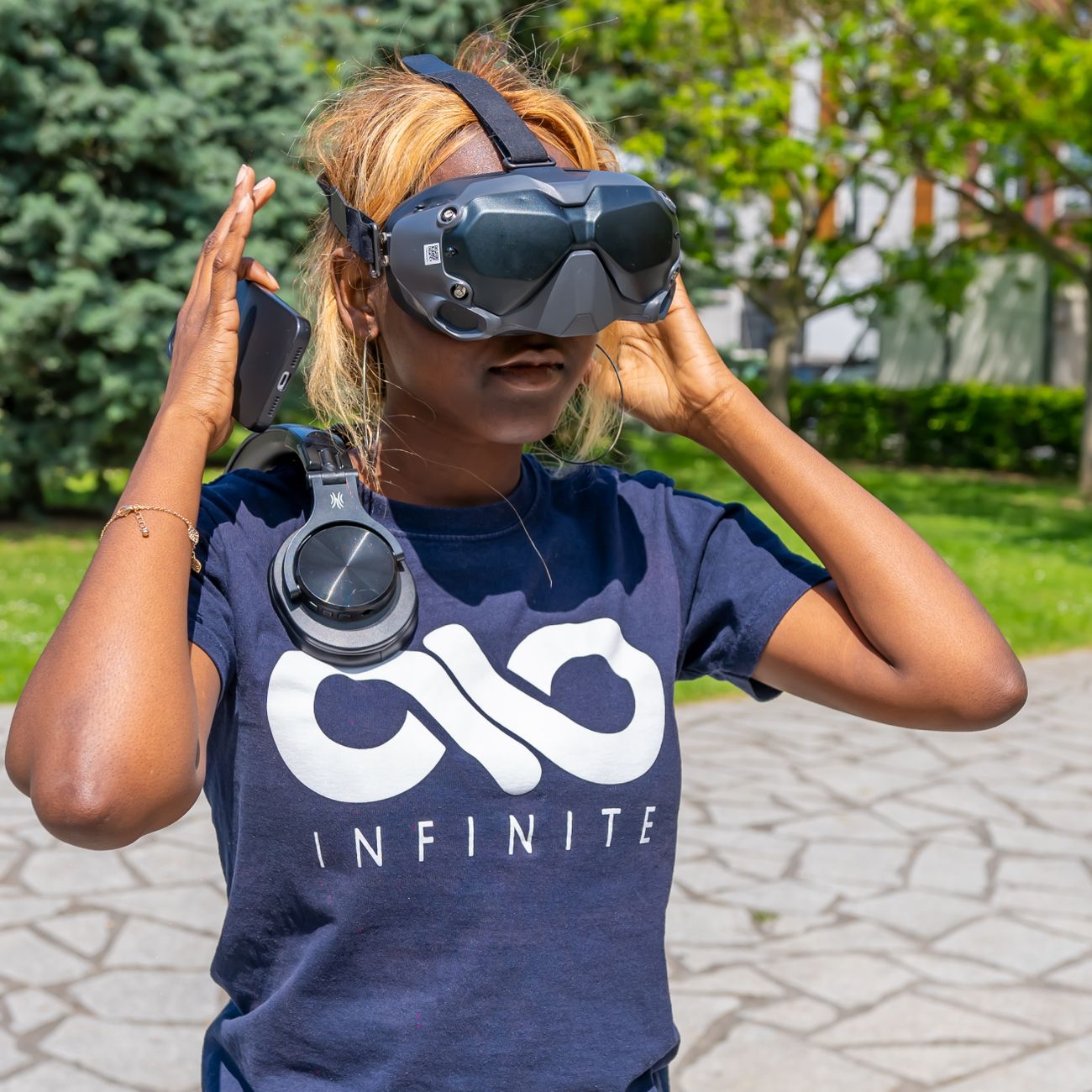
In terms of practical applications, Experience Innovation and Technology Integration can be seen in various aspects of the hospitality and tourism industry. For example, a hotel might use virtual reality technology to create immersive and engaging experiences for its guests, such as virtual tours of the hotel or local attractions. Similarly, a restaurant might use tablets and mobile devices to provide guests with interactive menus and personalized service. A tourism board might use augmented reality technology to create interactive and immersive guides to local attractions and experiences.
The use of social media is another key aspect of Experience Innovation and Technology Integration. Social media platforms provide organizations with a channel to engage with guests, share information, and build communities. By leveraging social media, organizations can create buzz and excitement around their brand, and encourage guests to share their experiences with others. For example, a hotel might launch a social media campaign to promote its new loyalty program, and offer guests exclusive rewards and benefits for sharing their experiences on social media.
The internet of things (IoT) is another key technology that is being used to enhance the guest experience. The IoT refers to the network of physical devices, vehicles, and other items that are embedded with sensors and software, and can collect and exchange data. In the hospitality and tourism industry, the IoT can be used to create smart hotels and intelligent spaces, where guests can control the lighting, temperature, and entertainment systems in their rooms using their mobile devices. For example, a hotel might use the IoT to create a smart room that can learn a guest's preferences and adjust the lighting and temperature accordingly.
In addition to the IoT, artificial intelligence (AI) is another key technology that is being used to enhance the guest experience. AI refers to the use of algorithms and machine learning to create systems that can think and act like humans. In the hospitality and tourism industry, AI can be used to create chatbots and virtual assistants that can provide guests with personalized service and support. For example, a hotel might use an AI-powered chatbot to provide guests with recommendations for local attractions and activities, and to help them with their booking and check-in processes.
The use of blockchain technology is another key aspect of Experience Innovation and Technology Integration. Blockchain refers to a distributed ledger technology that allows for secure and transparent data storage and exchange. In the hospitality and tourism industry, blockchain can be used to create secure and efficient systems for payment and booking. For example, a hotel might use blockchain to create a secure and transparent system for guest payments, and to reduce the risk of fraud and error.
In terms of challenges, one of the main barriers to Experience Innovation and Technology Integration is the need for investment in new technologies and infrastructure. This can be a significant cost for organizations, particularly small and medium-sized enterprises. However, the benefits of Experience Innovation and Technology Integration can far outweigh the costs, in terms of increased revenue, customer satisfaction, and competitiveness.
Another challenge is the need to manage the change process, and to ensure that staff are trained and equipped to use new technologies and systems. This can be a significant challenge, particularly for organizations with limited resources and budgets. However, the benefits of Experience Innovation and Technology Integration can be significant, in terms of increased efficiency, productivity, and competitiveness.
The future of Experience Innovation and Technology Integration is likely to be shaped by emerging technologies such as virtual and augmented reality, and the internet of things. These technologies have the potential to create new and innovative experiences for guests, and to enhance the overall quality and value of hospitality and tourism services.
In addition to these technologies, the future of Experience Innovation and Technology Integration is also likely to be shaped by changing consumer behaviors and expectations. Guests are increasingly expecting personalized and tailored experiences, and are willing to pay a premium for high-quality and unique experiences. To meet these expectations, organizations must be willing to invest in new technologies and infrastructure, and to innovate and improve their services and experiences.
The use of data analytics and insights is also likely to play a key role in the future of Experience Innovation and Technology Integration. By leveraging data and analytics, organizations can gain a deeper understanding of their guests' behaviors and preferences, and can use this information to create personalized and tailored experiences.
In terms of practical applications, Experience Innovation and Technology Integration can be seen in various aspects of the hospitality and tourism industry. For example, a hotel might use mobile technology to provide guests with personalized service and support, such as mobile check-in and keyless entry. A restaurant might use tablets and mobile devices to provide guests with interactive menus and personalized service. A tourism board might use virtual reality technology to create immersive and engaging experiences for visitors, such as virtual tours of local attractions and landmarks.
The benefits of Experience Innovation and Technology Integration are numerous, and can include increased revenue, customer satisfaction, and competitiveness. By leveraging new technologies and innovations, organizations can create unique and memorable experiences for their guests, and can differentiate themselves from their competitors.
In addition to these benefits, Experience Innovation and Technology Integration can also help organizations to improve their operations and efficiency. By leveraging new technologies and innovations, organizations can streamline their processes and procedures, and can reduce their costs and waste.
The challenges of Experience Innovation and Technology Integration are numerous, and can include the need for investment in new technologies and infrastructure, the need to manage the change process, and the need to ensure that staff are trained and equipped to use new technologies and systems.
In terms of future developments, Experience Innovation and Technology Integration are likely to continue to evolve and advance in the coming years. New technologies and innovations are emerging all the time, and organizations must be willing to invest in these technologies and innovations in order to remain competitive.
The use of artificial intelligence and machine learning is also likely to play a key role in the future of Experience Innovation and Technology Integration. By leveraging these technologies, organizations can create personalized and tailored experiences for their guests, and can improve their operations and efficiency. For example, a hotel might use artificial intelligence to create a chatbot that can provide guests with personalized service and support, such as recommendations for local attractions and activities.
Overall, Experience Innovation and Technology Integration are critical components of the hospitality and tourism industry, and are essential for creating unique and memorable experiences for guests. By leveraging new technologies and innovations, organizations can differentiate themselves from their competitors, and can improve their operations and efficiency. The future of Experience Innovation and Technology Integration is likely to be shaped by emerging technologies and innovations, as well as changing consumer behaviors and expectations.
Key takeaways
- It refers to the overall experience a guest has when interacting with a hospitality or tourism organization, from the initial booking to the post-stay evaluation.
- For example, a hotel might use customer feedback to redesign its check-in process, making it more efficient and convenient for guests.
- This can be achieved through the use of data analytics and artificial intelligence, which allow organizations to gather insights about their guests' preferences and behaviors.
- For example, a hotel might launch a social media campaign asking guests to share their favorite hotel experiences, and then use this feedback to inform the development of new services and amenities.
- Similarly, a tourism board might develop a mobile app to provide visitors with personalized recommendations and guides to local attractions and experiences.
- For example, a hotel might train its front desk staff to use a mobile check-in system, while also ensuring that they are friendly and courteous to guests.
- For example, a hotel might use data analytics to identify trends and patterns in guest behavior, and then use this information to inform its marketing and revenue management strategies.