
Interactive Props and Toys
Prop refers to any object that is deliberately introduced into a baby dance class to enrich the movement experience. In the context of infants and toddlers, props must be safe, lightweight, and easy to manipulate. A simple example is a soft…
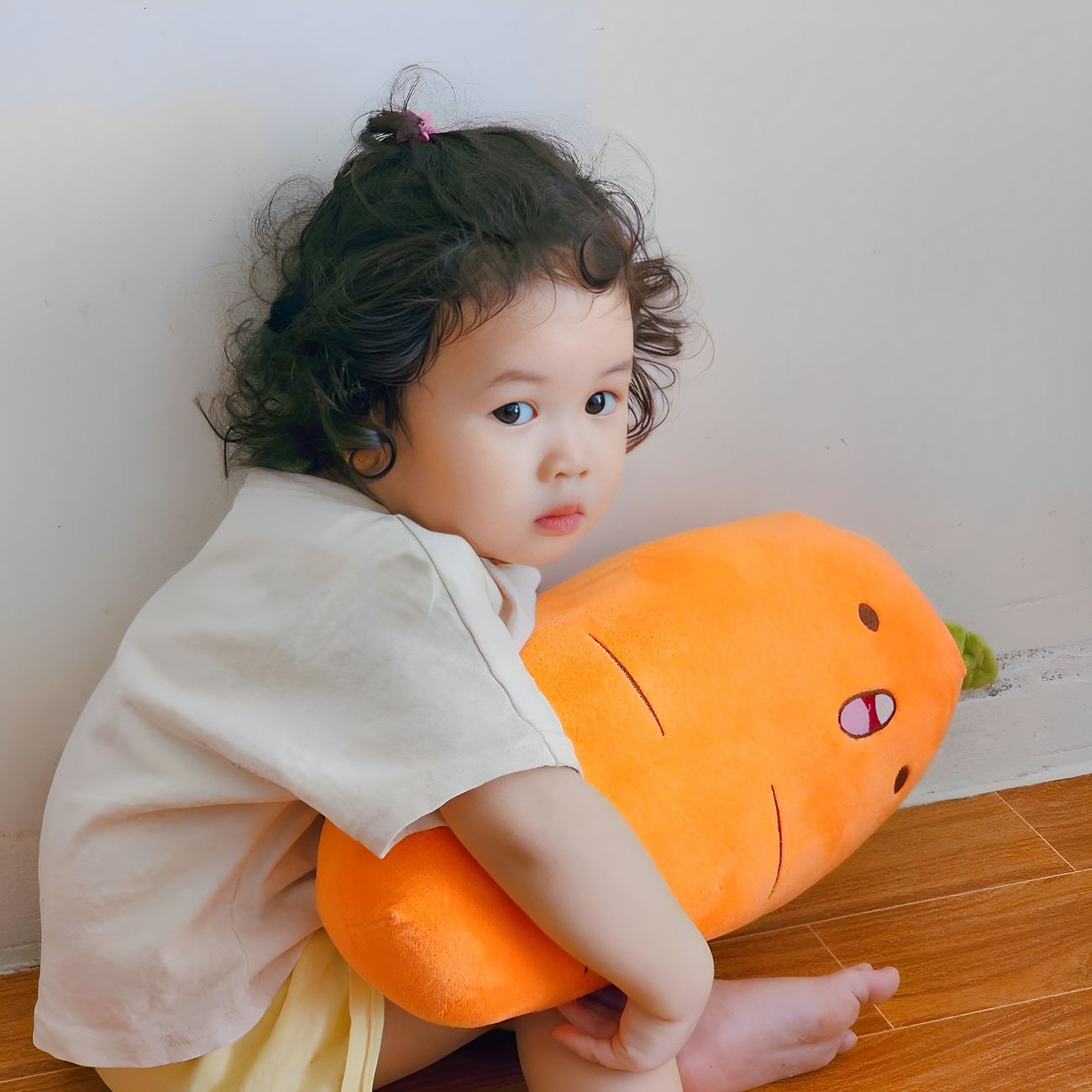
Prop refers to any object that is deliberately introduced into a baby dance class to enrich the movement experience. In the context of infants and toddlers, props must be safe, lightweight, and easy to manipulate. A simple example is a soft fabric scarf that can be waved, twirled, or draped over the body to encourage expansive arm movements. The practical application of a prop is to provide a visual and tactile focus that helps children coordinate their limbs with the rhythm of music. A common challenge when selecting a prop is ensuring that it does not become a choking hazard; therefore, all components should be securely sewn and free of loose strings.
Interactive prop is a step beyond a static prop; it responds to the child’s actions, often through sound, light, or motion. For instance, a plush animal that squeaks when squeezed can motivate a baby to reach out and grasp, reinforcing fine‑motor development while also reinforcing the musical beat. When using an interactive prop, instructors should monitor the volume level to avoid overstimulation. A typical challenge is that some children may become overly fixated on the sound, diverting attention from the group activity, so the instructor must balance engagement with collective participation.
Sensory toy is any item that engages one or more of the five senses during movement activities. A textured ball, for example, offers tactile stimulation that encourages grasping and rolling, while also providing a visual cue through its bright color. In practice, a sensory toy can be rolled across a mat to prompt a child to crawl or scoot, integrating locomotor skills with rhythmic timing. The main difficulty lies in selecting toys that are neither too smooth nor too rough for the child’s developmental stage, as extremes can either fail to capture interest or cause discomfort.
Texture is the quality of a surface that can be felt by touch. In a baby dance setting, textures are used to differentiate objects and guide exploration. A ribbon wand with a satin finish feels distinct from a corded rope with a rough braid, allowing the instructor to introduce variety within a single activity. When planning an activity, the teacher should consider how the texture aligns with the child’s age: Infants under six months may respond best to smooth, soft textures, whereas toddlers can handle more complex, uneven textures. A challenge is ensuring that the texture does not irritate delicate skin, especially for children with sensitivities.
Weight of a prop is a critical factor that influences a child’s ability to lift, carry, or manipulate the object. A lightweight foam block, typically weighing less than 200 grams, is suitable for babies who are beginning to develop arm strength. As children grow, slightly heavier items such as wooden cylinders (around 500 grams) can be introduced to promote controlled movement and coordination. The instructor must gauge each child’s capacity to avoid fatigue or injury. One common obstacle is that a prop that is too heavy may discourage participation, while one that is too light may not provide enough resistance for muscle development.
Grip describes the ease with which a child can hold onto a prop. A prop with an ergonomic handle, such as a soft‑rubber cylinder, offers a secure grip that encourages independent handling. In practice, a teacher might distribute a set of grip‑enhanced sticks during a rhythm exercise, prompting children to tap in time with the beat. The challenge is to accommodate varying hand sizes; a grip that is too large for a baby’s tiny hand will be difficult to manage, while a grip that is too small may be uncomfortable for a toddler.
Noise level is the amount of sound a prop produces when it is used. Certain toys, like a small tambourine, emit a bright jingle that can reinforce musical timing. However, the acoustic output must be moderated to avoid overwhelming young listeners. In a group class, the instructor should test the noise level before the session begins and consider using soft‑mallet instruments for quieter sound production. A frequent difficulty is balancing the need for auditory feedback with the risk of sensory overload, especially for children who are sensitive to loud noises.
Durability refers to a prop’s ability to withstand repeated handling, dropping, and cleaning. Materials such as high‑density foam, silicone, and sturdy fabric are commonly used to create durable props. For example, a set of silicone rings can be passed from child to child without tearing or losing shape. Durable props reduce the need for frequent replacement, making the class more cost‑effective. The main challenge is that overly rigid materials may be less comfortable for infants, so a balance between durability and softness is essential.
Portability describes how easily a prop can be moved, stored, or transported. Lightweight, collapsible items like foldable ribbons or inflatable mats are ideal for mobile teaching environments. In practice, a traveling instructor can pack a set of portable props into a small tote and set up a pop‑up class in a community center. The challenge is to maintain the prop’s integrity while keeping it lightweight; some portable items may lose shape after repeated compression, requiring careful selection of materials.
Safety is the overarching principle that governs all prop selection. All props must be free of small parts, sharp edges, and toxic substances. An appropriate safety check includes confirming that the prop meets ASTM or EN standards for children’s products. For instance, a plush toy used as a prop should be tested for flammability and have secure stitching to prevent fabric from unraveling. The biggest challenge is ensuring that safety standards are adhered to while still providing engaging, stimulating props that meet educational goals.
Age‑appropriate indicates that a prop’s design, size, and complexity are suitable for the target age group. A baby under nine months will benefit from a soft, small ball that can be easily grasped, whereas a child approaching three years can handle a larger, more intricate prop such as a wooden puzzle piece. Teachers should reference developmental milestones when selecting age‑appropriate props, ensuring that each item supports the child’s current abilities while encouraging growth. A common difficulty is accommodating a wide age range within a single class; the instructor may need to provide multiple versions of a prop to suit different developmental stages.
Visual cue is any color, shape, or movement that draws a child’s attention and helps them anticipate an action. Brightly colored ribbons, for example, provide a clear visual cue that can be followed during a flowing movement sequence. In practice, an instructor might wave a red ribbon in time with a drumbeat, prompting children to mimic the motion. The challenge lies in avoiding overly complex visual cues that could confuse younger children; simplicity and contrast are key for effective visual guidance.
Auditory cue is a sound that signals a specific action or transition. A gentle chime played at the start of a routine serves as an auditory cue that helps children recognize the beginning of a new activity. In a dance class, a soft drumbeat can cue a change in tempo, encouraging children to adjust their movements accordingly. The difficulty is ensuring that the auditory cue is distinct yet not startling; volume, pitch, and duration must be calibrated to suit the auditory sensitivity of infants and toddlers.
Motor development refers to the progression of a child’s ability to control and coordinate movements. Props are tools that can enhance both gross and fine motor skills. A large foam roll can be used for crawling exercises, promoting core strength, while a set of small wooden beads can improve hand‑eye coordination as children string them together. The instructor should align prop choices with specific motor milestones, such as reaching, grasping, and stepping. A frequent challenge is differentiating between developmental delays and typical variations, requiring careful observation and possibly consultation with a pediatric specialist.
Gross motor skill involves large muscle groups used for movements like walking, jumping, and turning. Props that encourage whole‑body engagement, such as a lightweight hoop that can be rolled or spun, are ideal for developing gross motor skills. For example, a child can push a hoop across the floor while moving to the rhythm, integrating balance and coordination. The main obstacle is ensuring the prop’s size is appropriate for the child’s reach; a hoop that is too large may be intimidating, while one that is too small may not provide sufficient challenge.
Fine motor skill concerns the coordination of small muscles, particularly in the hands and fingers. Small props like textured beads, fabric squares, or mini‑maracas help develop these skills. In a dance activity, a child might shake a maraca in time with a beat, refining wrist control and timing. The difficulty often lies in preventing frustration; if a prop is too intricate, a child may become discouraged, so simplicity and gradual increase in complexity are advisable.
Spatial awareness is the understanding of one’s position in relation to surrounding objects. Props can be arranged to create pathways or obstacles that foster spatial reasoning. A simple layout of foam blocks placed at varying distances can encourage a child to navigate around them, enhancing their perception of space. Practical application includes guiding children to move forward, backward, and sideways while maintaining a rhythmic pattern. A common challenge is ensuring the space remains safe and free from hazards, especially when props are positioned at the edges of a dance area.
Rhythmic timing is the ability to synchronize movements with a beat. Props that produce sound, such as a small drum or a hand‑clap toy, provide immediate feedback that helps children internalize rhythm. During a class, an instructor might have each child tap a soft stick on a drum in unison, reinforcing collective timing. The obstacle is that infants may not yet have the capacity to match precise beats; therefore, the instructor should start with slow, steady tempos and gradually increase complexity as the children develop.
Coordination refers to the harmonious operation of multiple body parts during movement. Using props that require simultaneous actions, such as holding a ribbon in one hand while stepping with the opposite foot, promotes coordination. For example, a child can wave a light‑weight scarf while hopping in place, linking upper‑body movement with lower‑body action. The challenge is to keep the coordination tasks within the child’s developmental range; overly demanding tasks can lead to frustration and disengagement.
Engagement describes the level of interest and involvement a child has with an activity. Interactive props naturally boost engagement by providing multisensory stimulation. A toy that lights up when moved can capture a baby’s attention and encourage repeated attempts to activate the light. In practice, the instructor can introduce a light‑responsive ball that glows each time it is rolled, prompting children to explore rolling motions. A potential difficulty is that high‑stimulus props may cause short‑term overstimulation, so the teacher must monitor signs of fatigue and offer calmer activities when needed.
Attention span is the duration a child can maintain focus on a task. Props that change state, such as a pop‑up toy that springs open when pressed, can help extend attention by offering a predictable cause‑and‑effect. An instructor might use a series of small, hidden‑surprise boxes that open when a child lifts a lid, encouraging the child to stay engaged for a longer period. The challenge is to balance novelty with routine; too frequent changes can shorten the attention span, while predictable patterns can promote longer focus.
Cause‑and‑effect learning occurs when a child discovers that their actions produce specific outcomes. Props designed for cause‑and‑effect, such as a push‑button that emits a melodic tone, reinforce this concept. In a dance session, a child can press a button on a floor mat that lights up, linking movement with visual feedback. The difficulty lies in ensuring the cause‑and‑effect relationship is clear and immediate, as delayed responses may confuse young learners.
Developmental milestone is a specific skill or behavior that most children achieve within a certain age range. Props should be aligned with these milestones to support appropriate growth. For instance, a soft, textured cylinder can be used to encourage grasping, a milestone typically reached around four to six months. The instructor should review milestone charts regularly and select props that address current developmental needs. A challenge is that children develop at different rates; instructors must be flexible and provide differentiated prop options to accommodate varied progress.
Multi‑sensory experiences engage more than one sense simultaneously, enhancing learning and memory. A prop that combines soft fabric, gentle music, and subtle vibration offers a multi‑sensory experience. In class, a plush pillow that vibrates lightly when squeezed can be used during a calming segment, helping children associate soothing touch with auditory cues. The main obstacle is preventing sensory overload; the instructor must carefully modulate the intensity of each sensory component.
Parent involvement is crucial in baby dance classes, as caregivers often assist with prop handling and reinforce learning at home. Providing parents with a brief guide on how to use a prop—such as demonstrating how to gently roll a textured ball—encourages consistency between class and home environments. The challenge is ensuring that parents feel confident using the props without feeling overwhelmed by technical instructions.
Classroom layout determines how props are arranged within the dance space. An open layout with clear zones for movement allows props to be placed strategically, facilitating easy access for both children and instructors. For example, a circle of soft mats can serve as a central area where props are introduced, while the surrounding space remains free for larger movements. The difficulty is maintaining a safe distance between props to prevent collisions, especially when multiple children are active simultaneously.
Cleaning protocol is essential for maintaining hygiene, especially when props are shared among many children. Props made from wipe‑clean surfaces, such as silicone or vinyl, can be sanitized quickly between sessions. In practice, an instructor should establish a routine of wiping down each prop with a mild disinfectant after class. A common challenge is ensuring that cleaning agents are safe for children’s skin and do not leave residues that could cause irritation.
Storage solution involves keeping props organized and protected when not in use. Transparent bins with labels can help staff quickly locate the appropriate prop for each activity. For instance, a bin marked “soft toys” can house plush animals, while another marked “musical props” can contain tambourines and maracas. The challenge is finding storage that is both space‑efficient and accessible, particularly in small studio environments.
Instructional cue is a verbal or visual prompt that guides children’s actions with a prop. A simple cue such as “wave the ribbon high” directs the child to lift the prop, reinforcing both language and movement. In practice, the instructor may combine a cue with a demonstration, showing how to move a scarf in a flowing motion. The difficulty is ensuring that cues are clear and concise, especially for non‑verbal infants who rely more on visual modeling.
Progressive difficulty refers to gradually increasing the complexity of prop activities as children become more proficient. An instructor might start with a single soft ball for basic rolling, then add a second ball to encourage bilateral coordination. The challenge is to gauge each child’s readiness; advancing too quickly can lead to frustration, while moving too slowly may result in boredom.
Feedback loop is the process by which children receive information about their performance, often through the prop itself. A light‑up toy that glows brighter when moved faster provides immediate visual feedback, encouraging the child to adjust speed. In class, an instructor can highlight these moments, reinforcing the child’s successful attempts. The obstacle is ensuring that feedback is positive and not discouraging; props should celebrate effort rather than merely indicating correctness.
Adaptation involves modifying a prop to meet the needs of children with diverse abilities. For a child with reduced grip strength, a prop can be wrapped with a soft, non‑slip sleeve to enhance hold. In practice, an instructor may offer a larger handle on a drum for a toddler who finds the standard size challenging. The main difficulty is identifying appropriate adaptations without compromising the prop’s intended function.
Inclusivity ensures that all children, regardless of ability or background, can participate meaningfully with the props. Selecting a range of props that vary in texture, weight, and sensory output helps accommodate different preferences and needs. For example, offering both a quiet silicone ball and a gently rattling wooden block allows children to choose based on their sensory sensitivities. A challenge is maintaining an equitable distribution of props so that no child feels left out.
Observation is the systematic watching of children as they interact with props to assess skill acquisition and engagement. Instructors should note how a child manipulates a ribbon—whether they use one hand or both, the speed of movement, and the facial expression. These observations inform future prop selection and activity planning. The difficulty lies in balancing observation with active facilitation; instructors must be attentive without dominating the child’s experience.
Documentation involves recording observations, progress notes, and any incidents related to prop usage. A simple log that includes the date, prop used, child’s response, and any safety concerns can be valuable for tracking development. In practice, this documentation helps parents understand their child’s growth and provides data for program evaluation. The obstacle is ensuring that documentation is concise yet comprehensive, avoiding excessive paperwork that may detract from instructional time.
Risk assessment is the process of identifying potential hazards associated with each prop and implementing mitigation strategies. For a prop with small detachable parts, the risk assessment would recommend securing all pieces with strong adhesive or eliminating the part entirely. In class, the instructor should conduct a brief safety check before each session, confirming that no prop is damaged. The challenge is that risk assessments must be regularly updated as props age and wear.
Regulatory compliance ensures that all props meet local and international safety standards for children’s products. This may involve checking for CE marking in Europe or ASTM certification in the United States. An instructor should keep records of compliance certificates for each prop and verify that they are up‑to‑date. The difficulty is staying informed about changes in regulations and ensuring that all props, even those sourced from second‑hand suppliers, meet current standards.
Environmental sustainability is increasingly relevant when selecting props. Materials such as recycled fabric, bamboo, or sustainably sourced wood reduce the ecological footprint. In practice, a class might use bamboo sticks for rhythm exercises, which are biodegradable and sturdy. The challenge is balancing sustainability with durability; some eco‑friendly materials may be less robust, requiring careful handling and regular inspection.
Cost‑effectiveness involves selecting props that provide educational value while staying within budget constraints. Bulk purchasing of simple items like fabric ribbons can lower per‑unit costs, allowing a larger inventory. Instructors should assess the longevity and versatility of each prop, opting for those that can be used across multiple activities. The challenge is avoiding low‑cost props that compromise safety or quality, as these can lead to higher long‑term expenses due to replacement and potential injury.
Learning objective is a clear statement of what the child should achieve by using a specific prop. For example, the objective for a soft ball might be “to develop bilateral hand coordination through rolling and catching.” In lesson planning, the instructor aligns each prop with a corresponding objective, ensuring purposeful use. The difficulty is ensuring that objectives are realistic for the age group and measurable within a typical class session.
Curriculum integration refers to how props are woven into the broader educational framework of the baby dance program. A prop that supports rhythmic timing should be paired with music theory basics appropriate for toddlers, such as recognizing fast versus slow beats. In practice, an instructor may schedule a series of sessions where each introduces a new prop that builds on prior skills. The challenge is maintaining coherence across sessions, preventing prop use from becoming disjointed or random.
Demonstration is the instructor’s modeling of the desired use of a prop. A clear demonstration, such as gently shaking a maraca to the rhythm, provides a visual template for children to imitate. Demonstrations should be slow and exaggerated for infants, who benefit from pronounced movements. The difficulty is ensuring that the demonstration is accessible to all children, including those with visual impairments; supplemental tactile cues may be necessary.
Repetition is essential for reinforcing motor patterns and prop handling skills. Repeating a simple activity, like passing a soft ball back and forth, helps embed the movement into the child’s muscle memory. In class, the instructor can cycle through the same prop activity across several weeks, gradually adding variations. The challenge is preventing monotony; teachers must introduce subtle changes to keep the repetition engaging.
Variation introduces new elements to a familiar activity, keeping children curious and motivated. Adding a gentle spin to a ribbon wave after mastering a basic up‑and‑down motion offers a variation that expands skill. In practice, variations can be as simple as changing the color of a prop or as complex as integrating a new sensory component. The difficulty is ensuring that variations are appropriate for the child’s current skill level, avoiding over‑complication.
Transition is the movement from one activity to another, often facilitated by a prop. A soft scarf can be used to signal the end of a high‑energy segment and the start of a calm, cool‑down period, with the instructor gently draping the scarf over the children’s shoulders. Effective transitions help maintain flow and reduce confusion. The challenge is timing the transition correctly, especially when children are deeply engaged with a prop; abrupt changes may cause distress.
Group dynamics pertain to how children interact with each other while using props. Sharing a large foam tube encourages cooperative play, as children must coordinate pushing and rolling together. Instructors should observe how props influence social behavior, fostering positive interactions and discouraging dominance or exclusion. A common challenge is managing conflicts that arise when multiple children want the same prop; clear rules and turn‑taking strategies are essential.
Turn‑taking is a fundamental social skill cultivated through shared prop use. A simple protocol, such as raising a hand before picking up a ribbon, teaches children to wait their turn. In practice, the instructor can model turn‑taking by passing a plush animal from one child to another in a predictable order. The difficulty lies in reinforcing the concept consistently, especially for children who have limited impulse control.
Emotional regulation involves helping children manage feelings that arise during prop activities. A prop that produces a soothing sound, like a soft rain‑maker, can be used during moments when a child becomes overstimulated, offering a calming anchor. Instructors should be attentive to signs of distress and have calming props readily available. The challenge is recognizing early cues of dysregulation, as infants may express discomfort through subtle changes in facial expression or body tension.
Language development is supported when props are used as vocabulary anchors. Naming a prop—“soft ball,” “shiny ribbon”—and repeatedly pairing it with actions helps children associate words with objects and motions. An instructor might say, “Let’s roll the soft ball across the floor,” reinforcing both the noun and the verb. The difficulty is ensuring that language exposure is natural and not forced, allowing children to absorb new terms at their own pace.
Imitation is a primary learning mechanism for infants and toddlers. Props that are easy to mimic, such as a wooden spoon used to tap a rhythm, encourage children to copy the instructor’s movements. In class, the teacher can pause after each demonstration, giving children time to imitate before proceeding. The challenge is providing enough modeling opportunities without overwhelming the children with rapid sequences.
Creativity is nurtured when props allow open‑ended exploration. A set of fabric squares in various colors and patterns can be arranged, folded, or draped in countless ways, inviting children to invent new movements. In practice, a teacher might lay out a “creative corner” where children can freely experiment with props, fostering imagination. The difficulty is balancing structure with freedom; too much open play may lack direction, while too much guidance can stifle creative expression.
Problem‑solving skills develop as children encounter challenges with prop manipulation. A child may figure out how to lift a heavier block by pushing rather than lifting, demonstrating adaptive thinking. Instructors can pose gentle problems, such as “How can we move this large cylinder across the mat without dropping it?” Encouraging collaborative solutions. The challenge is ensuring that problems are age‑appropriate and do not lead to frustration.
Motor planning is the ability to conceive and execute a movement sequence. Props that require a series of actions—like stacking rings before rolling them—help children practice motor planning. In a lesson, an instructor can guide children through a three‑step activity: Pick up, place, then roll. The difficulty is breaking down complex sequences into manageable steps for young learners, ensuring each step is mastered before proceeding.
Feedback from the instructor is essential for reinforcing correct prop use. Positive reinforcement, such as a gentle smile or verbal praise (“Great job moving the ribbon!”), Strengthens desired behaviors. In practice, an instructor should observe a child’s attempt, acknowledge effort, and suggest a small adjustment if needed. The challenge is maintaining a supportive tone while providing constructive guidance, especially when multiple children require attention simultaneously.
Safety check is a brief inspection performed before each class to confirm that props are free from damage, wear, or loose components. The instructor should look for tears in fabric, cracks in plastic, and any sharp edges that may have appeared after previous use. Conducting a safety check reduces the risk of accidents and ensures a secure environment. The difficulty is integrating the safety check into the class schedule without causing delays.
Maintenance involves regular cleaning, repair, and replacement of props to preserve their functionality and safety. For example, a silicone ball that becomes sticky after prolonged use should be washed with mild soap and, if necessary, replaced. Instructors should keep a maintenance log indicating the date of each cleaning and any repairs performed. The challenge is allocating time for maintenance tasks while balancing instructional responsibilities.
Innovation encourages the development of new prop ideas that address emerging needs in baby dance education. An instructor might design a prop that combines a soft pillow with a built‑in music player, offering both tactile comfort and auditory cue. Experimentation with novel materials, such as biodegradable foam, can also lead to innovative solutions. The difficulty is testing new props thoroughly to ensure they meet safety and developmental criteria before introduction to the class.
Collaboration among instructors, parents, and designers enhances prop selection and usage. Sharing feedback about which props work best can lead to collective improvements. For instance, a parent might suggest that a particular ribbon is too long and propose a shorter version, prompting the instructor to adjust the prop inventory. The challenge is coordinating communication channels and ensuring that all voices are heard and considered.
Professional development includes ongoing training for instructors on prop safety, child development, and instructional strategies. Workshops on how to integrate sensory toys into dance routines can deepen an instructor’s expertise. Participation in conferences provides exposure to the latest research on motor skill acquisition and prop effectiveness. The main obstacle is finding time and resources for continuous learning while maintaining class schedules.
Assessment is the systematic evaluation of a child’s progress with respect to prop‑based activities. Assessment tools may include checklists of observed skills, such as “holds ribbon for 10 seconds” or “responds to light‑up toy cue.” Instructors can record these observations to track development over weeks. The difficulty lies in creating assessments that are both reliable and non‑intrusive, allowing children to perform naturally.
Documentation (re‑mentioned for emphasis) should be stored securely, respecting privacy regulations and parental consent. Digital records can be organized by child name, date, and prop used, facilitating easy retrieval for progress meetings. The challenge is ensuring data protection while maintaining accessibility for authorized staff.
Inclusivity (re‑mentioned) also extends to cultural considerations. Props that reflect diverse backgrounds—such as scarves with patterns from various cultures—can foster a sense of belonging. Instructors should be mindful of cultural sensitivities when selecting colors, symbols, or music associated with props. The difficulty is balancing representation with universal appeal, ensuring that each child feels recognized.
Engagement (re‑mentioned) can be further enhanced by incorporating technology. A simple interactive mat that lights up when stepped on can merge physical movement with digital feedback, captivating children’s interest. However, electronic props must be evaluated for durability, battery safety, and electromagnetic emissions. The challenge is integrating technology without compromising the tactile, low‑tech experiences that many infants find comforting.
Transition (re‑mentioned) strategies may include a “prop pause” where all props are placed on a designated shelf, signaling a shift from active play to a quiet listening period. This visual cue helps children understand that the activity is changing. The difficulty is ensuring consistency across sessions so children learn to associate the pause with the transition.
Motor development (re‑mentioned) can be further supported by layering prop use with natural movement patterns. For example, a child can be encouraged to crawl under a low arch made from a flexible foam tube, promoting gross‑motor strength while integrating a prop. The challenge is aligning prop placement with the child’s natural movement trajectory, avoiding obstacles that impede rather than assist.
Fine motor skill (re‑mentioned) can be refined by offering manipulatives like large beads that fit easily into a child’s hand, allowing for threading activities that develop pincer grasp. An instructor might set up a “bead trail” where children move beads from one container to another, reinforcing hand coordination. The difficulty is providing enough variety to keep the activity stimulating without overwhelming the child’s capacity.
Spatial awareness (re‑mentioned) can be expanded through obstacle courses constructed from soft props, such as a series of foam blocks that children must navigate. The instructor can guide children to step over, around, or through the obstacles, reinforcing body awareness. The challenge is ensuring that the course layout remains safe, with no gaps that could cause tripping.
Rhythmic timing (re‑mentioned) may be reinforced by using props that emit subtle vibrations in sync with music, such as a vibrating wristband that children can feel. This tactile beat helps children internalize rhythm even when auditory cues are less prominent. The difficulty is calibrating vibration intensity so it is perceptible yet gentle.
Coordination (re‑mentioned) can be practiced using dual‑hand props, like a pair of light‑weight sticks that children hold in each hand, moving them in opposite directions to the beat. This activity challenges bilateral coordination and timing. The challenge is ensuring the sticks are balanced and safe, with no sharp edges.
Attention span (re‑mentioned) can be lengthened by introducing a “prop story” where each prop represents a character in a simple narrative. Children follow the story, moving from one prop to the next, maintaining focus throughout. The difficulty is keeping the story concise and the transitions smooth to avoid loss of interest.
Cause‑and‑effect (re‑mentioned) can be deepened with a prop that changes color when pressed, such as a pressure‑sensitive pad that lights up. Children learn that their action directly alters the environment, reinforcing the concept. The challenge is ensuring the pad’s response time is immediate enough for young learners to associate cause and effect clearly.
Learning objective (re‑mentioned) may be articulated in child‑friendly language on a visual chart, such as “We will learn to roll the ball gently.” This visual reinforcement helps children understand the purpose of each activity. The difficulty is translating technical objectives into simple, understandable statements for both children and parents.
Curriculum integration (re‑mentioned) can be demonstrated by linking prop activities to broader themes, such as “seasons.” A prop set of soft leaves can be used in a fall-themed dance, integrating sensory exploration with thematic learning. The challenge is ensuring that thematic props do not distract from core movement goals.
Demonstration (re‑mentioned) may be enhanced by using a mirror so children can see themselves while the instructor demonstrates prop use, promoting self‑awareness. The difficulty is positioning the mirror safely and ensuring it does not become a source of distraction.
Repetition (re‑mentioned) can be structured into a “prop routine” that repeats weekly, allowing children to anticipate and prepare for familiar sequences, fostering confidence. The challenge is introducing subtle changes over time to prevent the routine from becoming stale.
Variation (re‑mentioned) might involve swapping the color of a ribbon each week, encouraging children to notice differences while maintaining the same movement pattern. The difficulty is managing inventory to ensure sufficient variety without excessive waste.
Group dynamics (re‑mentioned) can be positively influenced by cooperative prop games, such as a “team balloon lift” where children work together to keep a balloon aloft using gentle pats. This activity builds teamwork and shared responsibility. The challenge is moderating excitement to avoid overly vigorous play that could lead to accidents.
Turn‑taking (re‑mentioned) may be reinforced with a visual timer that signals when a child’s turn with a prop ends, promoting fairness. The difficulty is ensuring the timer is clear and not intimidating for young children.
Emotional regulation (re‑mentioned) can be supported by a “calm‑down corner” equipped with soft props like plush pillows and a low‑volume rain‑maker, offering a safe space for children to self‑soothe. The challenge is teaching children to recognize when they need to move to the calm‑down area without prompting.
Language development (re‑mentioned) is further enriched by singing songs that name each prop, reinforcing vocabulary through melody. An example might be a song that repeats “soft ball, soft ball, roll it down the hall.” The difficulty is ensuring the lyrics are simple and repetitive enough for early language acquisition.
Imitation (re‑mentioned) is facilitated by pairing a prop with a mirror so children can see both the instructor’s movement and their own reflection, encouraging self‑matching. The challenge is preventing the mirror from becoming a source of visual overload.
Creativity (re‑mentioned) can be expanded by providing an “open prop box” where children select any combination of items to create their own dance sequence, fostering autonomous expression. The difficulty is supervising to ensure safety while allowing freedom.
Problem‑solving (re‑mentioned) may be presented as a simple puzzle: “How can we move the heavy block from one side of the mat to the other without dropping it?” Children can brainstorm using different props, such as a fabric sling, encouraging innovative thinking. The challenge is guiding the problem‑solving process without providing the answer too quickly.
Motor planning (re‑mentioned) can be practiced through multi‑step prop activities like “pick up the ribbon, wave it, then place it on the mat,” encouraging children to think ahead. The difficulty is scaffolding each step to match the child’s developmental stage.
Feedback (re‑mentioned) may also be provided through the prop itself; for instance, a light‑up ball that glows brighter when rolled faster offers immediate visual reinforcement. The challenge is ensuring the feedback is consistent and not misleading.
Safety check (re‑mentioned) is especially important for props with electronic components, where battery leakage could pose hazards. Regular inspection of battery compartments and secure sealing are essential. The difficulty is maintaining vigilance over many small electronic items.
Maintenance (re‑mentioned) for electronic props includes checking battery levels, updating firmware if applicable, and ensuring cords are intact. A maintenance schedule should be documented and adhered to. The challenge is training staff to perform these tasks correctly.
Innovation (re‑mentioned) can also involve repurposing everyday household items as props, such as using a clean, empty plastic container as a drum. This approach promotes resourcefulness and reduces cost. The difficulty is ensuring that repurposed items meet safety standards.
Collaboration (re‑mentioned) may extend to community partners, such as local artisans who craft custom props, enriching the class with unique, locally sourced items. The challenge is negotiating agreements that align with safety and budget constraints.
Professional development (re‑mentioned) can include certifications in early childhood movement education, enhancing instructor credibility and expertise. The difficulty is balancing certification requirements with practical classroom demands.
Assessment (re‑mentioned) can be supplemented with parent questionnaires that capture observations of prop usage at home, providing a broader perspective on child development. The challenge is designing questionnaires that are concise and easy for parents to complete.
Key takeaways
- A common challenge when selecting a prop is ensuring that it does not become a choking hazard; therefore, all components should be securely sewn and free of loose strings.
- A typical challenge is that some children may become overly fixated on the sound, diverting attention from the group activity, so the instructor must balance engagement with collective participation.
- The main difficulty lies in selecting toys that are neither too smooth nor too rough for the child’s developmental stage, as extremes can either fail to capture interest or cause discomfort.
- When planning an activity, the teacher should consider how the texture aligns with the child’s age: Infants under six months may respond best to smooth, soft textures, whereas toddlers can handle more complex, uneven textures.
- One common obstacle is that a prop that is too heavy may discourage participation, while one that is too light may not provide enough resistance for muscle development.
- The challenge is to accommodate varying hand sizes; a grip that is too large for a baby’s tiny hand will be difficult to manage, while a grip that is too small may be uncomfortable for a toddler.
- In a group class, the instructor should test the noise level before the session begins and consider using soft‑mallet instruments for quieter sound production.