
Roman Imperial Coinage Grading
Obverse – The front side of a Roman imperial coin, typically bearing the portrait of the emperor or a deity. In grading the obverse is examined for clarity of the portrait, the sharpness of the legend , and the presence of any die wear or c…
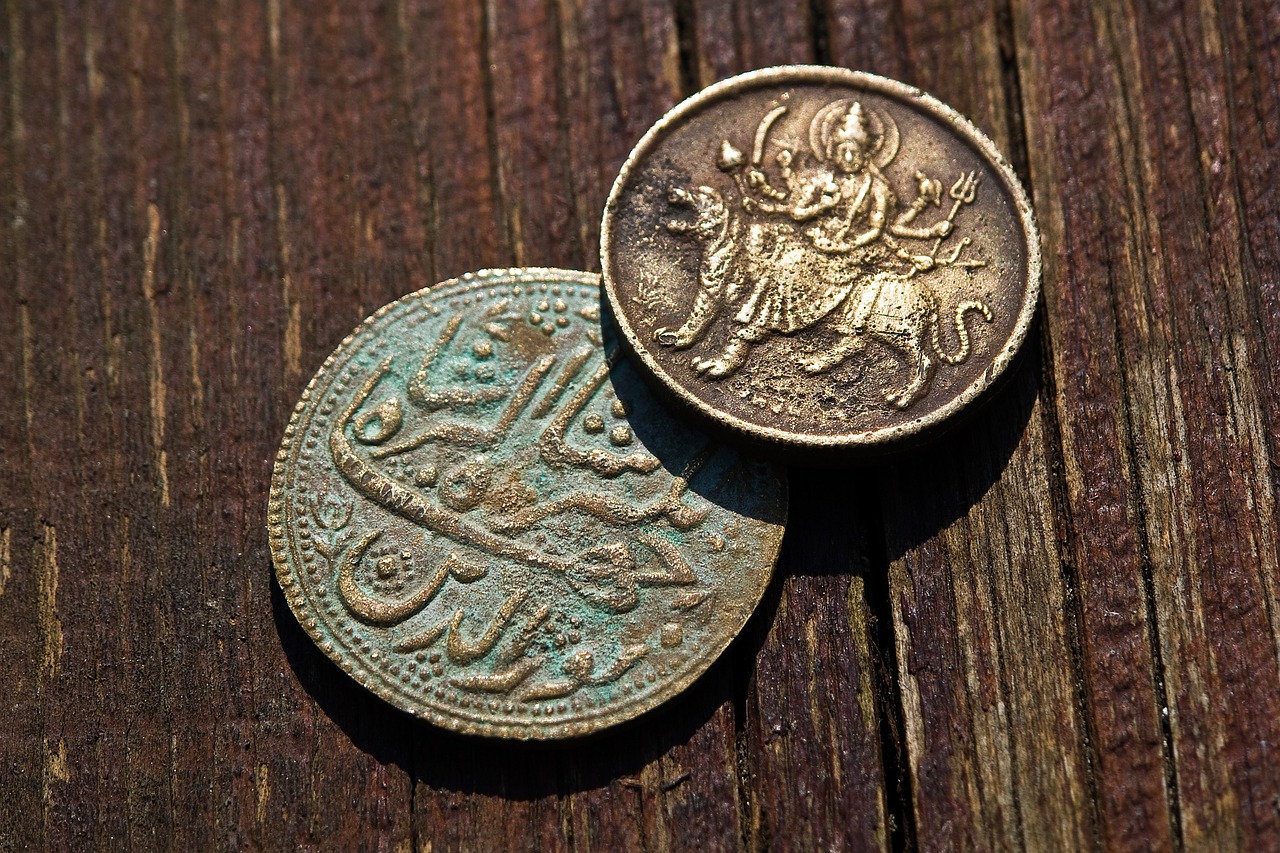
Obverse – The front side of a Roman imperial coin, typically bearing the portrait of the emperor or a deity. In grading the obverse is examined for clarity of the portrait, the sharpness of the legend, and the presence of any die wear or cracks. A well‑preserved obverse will display a crisp portrait, legible lettering, and a clean surface free of corrosion.
Reverse – The opposite side of the coin, usually displaying a symbolic or propagandistic design such as a deity, a personification, or a military motif. Graders assess the reverse for detail, symmetry, and the condition of the reverse legend. A reverse that retains its original detail without heavy toning or corrosion contributes positively to the overall grade.
Legend – The inscription on either the obverse or the reverse, usually in Latin or Greek. The legend includes the emperor’s name, titles, and sometimes the mint name. Legibility is a crucial factor; a faint or partially missing legend often reduces a grade, even when the portrait itself is well preserved.
Mintmark – A small symbol or letter indicating the city where the coin was struck. In Roman imperial coinage, mintmarks can appear as letters (e.G., “L” for Lugdunum) or as specific symbols. The presence, clarity, and correct placement of the mintmark are important for authentication and grading.
Die – The engraved metal piece that strikes the design onto the planchet. Each die creates a series of coins; the die’s condition directly impacts the coin’s detail. Graders must consider die wear, die cracks, and die breaks, which manifest as weak or missing details on the struck coin.
Die Axis – The angular relationship between the obverse and reverse dies, expressed in degrees (commonly 0°, 180°, or 90°). An alignment close to the expected axis for the issue is considered normal; deviations can indicate a die misalignment, which may affect the grade if it results in a noticeable tilt.
Planchet – The blank metal disc before striking. Its composition, thickness, and weight are essential for identifying the coin’s authenticity. Grading includes checking for planchet irregularities such as bending, scorching, or uneven thickness, which can affect the overall appearance.
Alloy – The mixture of metals used to create the coin. Roman imperial coinage employed gold (aurum), silver (argentum), bronze, and sometimes copper‑based alloys. Knowing the typical alloy for a given issue helps graders assess authenticity; an unexpected alloy may indicate a counterfeit or a post‑medieval alteration.
Patina – The surface layer that develops over time due to oxidation and environmental exposure. While a natural patina can add historical value, excessive corrosion or aggressive cleaning that removes the patina can significantly lower a grade.
Weight – The measured mass of the coin, usually recorded in grams. Weight is compared to the official weight standards for the issue; deviations may signal clipping, casting, or other forms of tampering. Accurate weighing is a fundamental step in the grading process.
Diameter – The measurement across the coin’s face, typically in millimetres. Consistency with known specifications aids in authentication and helps identify die varieties that may have slight size differences.
Edge – The side of the coin that can be plain, reeded, or inscribed with lettering. Edge condition is a separate grading factor; a damaged or clipped edge reduces the grade, while a well‑preserved edge with intact lettering can enhance it.
Rim – The raised border surrounding the obverse and reverse. Rim wear is a common form of damage on circulated Roman coins; the extent of rim wear is noted in the grade, often expressed as “rim worn” or “rim intact”.
Strike Quality – Refers to how well the die transferred its design onto the planchet. High strike quality presents deep, clear details; a weak strike may result in shallow, faint features. Graders evaluate strike quality by examining the depth of portrait lines, the sharpness of the legend, and the overall definition of the design.
Strike Force – The pressure applied by the minting press. While not directly observable, variations in strike force can be inferred from the uniformity of the coin’s surface. Inconsistent force may lead to uneven detail, which is reflected in the grade.
Circulated – Coins that have been used in everyday transactions. Circulated Roman imperial coins typically exhibit wear, scratches, and sometimes corrosion. Grading circulated coins involves assessing the degree of wear, which is categorized using terms such as Fine (F), Very Fine (VF), Extremely Fine (EF), and About Uncirculated (AU).
Mint State (MS) – A designation for coins that have never been in circulation. A true MS coin shows no wear, only possible minor handling marks. The Sheldon scale (1–6) is applied, with higher numbers indicating superior condition. For Roman imperial coins, MS‑6 is extremely rare and denotes a coin with perfect preservation of all features.
Sheldon Scale – A numerical grading system originally created for United States coins but commonly adapted for world coins, including Roman imperial issues. The scale runs from 1 (Poor) to 6 (Perfect Mint State). Each numeric grade can be modified with plus (+) or minus (–) signs to indicate subtle differences within a grade.
Grade Modifiers – Symbols such as “+”, “–”, “½”, or “S” (for “Specimen”) that provide additional nuance. For example, a grade of VF‑30 indicates a Very Fine coin with a diameter of 30 mm; a “+” after a grade (e.G., EF+) suggests the coin is at the higher end of the EF range.
Die Variety – Minor differences that arise from changes in the die during its lifespan, such as a new mintmark, a slightly altered portrait, or a different legend spelling. Identifying die varieties is essential for accurate cataloguing and can affect the coin’s market value, though it does not directly alter the physical grade unless the variety introduces a defect.
Die Break – A fracture in the die that results in a missing portion of the design on the struck coin. Coins with a die break often have a clean, sharp cut where the design is absent. The presence of a die break is recorded as a defect and usually reduces the grade, but collectors may value the rarity of certain break patterns.
Die Crack – A thin line caused by a crack in the die. Cracks can appear as fine hairline lines on the portrait or legend. A die crack that does not detract from the overall readability may be considered a minor defect; extensive cracking, however, can significantly lower the grade.
Die Wear – The gradual erosion of the die’s details due to repeated striking. As die wear progresses, the coin’s details become softer and less defined. Graders note the stage of die wear, often using terms like “early wear”, “mid‑wear”, or “late wear”. Late die wear can result in a coin that appears weakly struck, impacting the grade.
Die Pair – Two coins struck from the same die, often used as reference specimens for grading. Having a die pair allows a grader to compare a questionable coin with a known exemplar, improving consistency in the grading process.
Mintmaster – The official responsible for overseeing the production of coinage at a particular mint. Mintmaster marks sometimes appear on Roman coins, providing an additional layer of authentication. Recognizing a mintmaster’s symbol can aid in confirming the coin’s provenance.
Minting Technique – The method used to produce the coin, such as striking, casting, or hammering. Roman imperial coins were primarily struck, but later issues may exhibit casting characteristics. Understanding the technique assists graders in identifying anomalies like casting seams or irregular strike patterns.
Cleaning – The removal of corrosion, dirt, or residues from a coin’s surface. While cleaning can improve visual appeal, it may also damage the patina and remove original metal, which is detrimental to grading. The grading community generally discourages aggressive cleaning; a grade should reflect the coin’s condition as found, with any cleaning noted in the grading description.
Conservation – The professional treatment of a coin to stabilize its condition without altering its historical integrity. Conservation may involve gentle cleaning, stabilization of loose fragments, or protective coating. In grading, a conservatively treated coin is acceptable, provided the treatment is disclosed and does not obscure original details.
Handling – The practice of touching a coin only with gloves or by the edges to prevent oils from the skin from depositing on the surface. Proper handling is essential for preserving the coin’s condition and ensuring an accurate grade.
Photography – High‑resolution imaging used to document a coin’s features. Graders rely on clear photographs taken under consistent lighting to evaluate fine details such as die cracks, legend clarity, and surface toning. The use of a macro lens and a lightbox is recommended for best results.
Lighting – The arrangement of light sources during photography. Diffused, even lighting reduces glare and highlights surface imperfections. Graders should be aware of shadows that can obscure details; proper lighting aids in making reliable grading decisions.
Magnification – The use of magnifying tools, such as a jeweler’s loupe (10×) or a microscope (30×–50×), to inspect fine details. Magnification is essential for detecting subtle defects like micro‑cracks, die scratches, or small corrosion spots that may not be visible to the naked eye.
Scale – The calibrated instrument used to weigh a coin. A digital scale accurate to 0.01 G is standard for Roman imperial coin grading. Consistent weighing methodology ensures reliable comparisons between specimens.
Measurement – The process of determining a coin’s diameter and thickness using calipers. Accurate measurements help confirm the issue’s specifications and can reveal irregularities such as clipping or planchet deformation.
Clipping – The removal of a small amount of metal from the edge of a coin, often to harvest precious metal. Clipping is a serious defect that reduces weight and can affect the coin’s authenticity. Graders must note any clipping and adjust the grade accordingly.
Cast – A counterfeit method where a mold is used to produce a replica of a genuine coin. Cast coins often display surface bubbles, casting seams, or uneven relief. Identifying casting is a critical skill; a cast piece, regardless of its visual appeal, receives a very low grade.
Forgery – An intentional imitation of a genuine Roman imperial coin, often created to deceive collectors. Forgeries may be made from modern alloys, exhibit inaccurate weight, or contain anachronistic design elements. Authenticity assessment is a prerequisite to grading; a forged coin is generally graded as “FAKE” with no numeric grade.
Authenticity – The determination that a coin is genuine, based on alloy analysis, weight, diameter, die study, and historical context. Grading should only proceed after authenticity is confirmed; a genuine coin receives a condition grade, while an inauthentic piece is marked as a forgery.
Provenance – The documented history of ownership. While provenance does not directly affect the physical grade, a well‑documented lineage can increase a coin’s market value and provide confidence in its authenticity.
Market Value – The price a coin commands in the current market. Market value is influenced by factors such as rarity, historical significance, condition, and demand. Graders must be aware of market trends, as a high grade on a rare issue can dramatically increase its value.
Rarity – The scarcity of a particular coin type or variety. Rarity is often expressed in catalogues as “common”, “scarce”, “rare”, or “extremely rare”. A rare coin in high grade can be exceptionally valuable, whereas a common coin may have modest value even at the same grade.
Cataloguing – The process of recording a coin’s details in a reference work, such as the “Roman Imperial Coinage” (RIC) series. Accurate cataloguing includes the emperor’s name, reign dates, denomination, mint, and any known varieties. A well‑catalogued coin provides a framework for grading and valuation.
Condition Descriptors – The verbal terms used to describe the state of a coin, such as “uncirculated”, “about uncirculated”, “extremely fine”, etc. These descriptors are paired with numeric grades to convey a precise assessment. Consistency in using descriptors is essential for maintaining grading standards.
Grade Verification – The process of having a coin’s grade reviewed by a second, independent expert. Verification helps reduce subjectivity and provides confidence to buyers and sellers. Many professional grading services require a verification step before assigning a final grade.
Professional Grading Service – An organization that provides standardized grading, authentication, and encapsulation (slabbing) of coins. Services such as NGC, PCGS, and ANACS apply consistent criteria and assign a grade that is widely recognized in the marketplace.
Encapsulation (Slabbing) – The placement of a graded coin in a tamper‑evident plastic holder, usually with a label indicating the grade, weight, and authentication number. Slabbing protects the coin from handling damage and provides a permanent record of its grade.
Label – The printed information on a slab, including the coin’s denomination, issue, grade, and a unique serial number. The label may also contain a barcode for easy reference. Accurate labeling is a vital part of the grading process.
Serial Number – A unique identifier assigned to each slabbed coin. The serial number allows collectors to track provenance and verify the authenticity of the grading.
Challenges in Grading – Grading Roman imperial coinage presents several difficulties. First, the age of the coins means that many have suffered extensive corrosion, making it hard to discern original details. Second, the limited surviving documentation of certain dies can lead to uncertainty about die varieties. Third, subjective interpretation of wear levels can cause disagreement among graders. Finally, the prevalence of high‑quality forgeries requires graders to maintain a vigilant eye for subtle anomalies.
Subjectivity – The element of personal judgment involved in assigning a grade. While objective measurements such as weight and diameter are fixed, the assessment of wear, strike quality, and overall eye appeal can vary between graders. To mitigate subjectivity, graders should reference standardized grade guides, use comparative specimens, and document their observations thoroughly.
Comparative Specimens – Known coins of established grade used as benchmarks. By comparing a questionable coin to a series of comparative specimens, a grader can calibrate their assessment and achieve greater consistency.
Documentation – The written record of the grading process, including photographs, measurements, and notes on observed defects. Proper documentation provides transparency and supports the grade assigned, especially when disputes arise.
Dispute Resolution – The procedure for handling disagreements over a coin’s grade. Typically, a third‑party expert or a professional grading service will review the coin and the original grading notes to render a final decision.
Ethical Considerations – Graders must adhere to principles of honesty, transparency, and fairness. Misrepresenting a coin’s condition, concealing cleaning, or assigning an inflated grade for profit are unethical practices that undermine the integrity of the numismatic community.
Practical Application: Grading Workflow – A systematic approach ensures consistency. Step one: Verify authenticity using alloy analysis, weight, and die study. Step two: Clean the coin only if necessary, documenting any treatment. Step three: Measure weight, diameter, and thickness with calibrated tools. Step four: Photograph the obverse, reverse, and edge under standardized lighting. Step five: Examine the coin under magnification, noting die wear, cracks, mintmark clarity, and edge condition. Step six: Compare the coin to established comparative specimens. Step seven: Assign a numeric grade with appropriate modifiers and descriptive terms. Step eight: Record all observations in a grading report, attach photographs, and, if applicable, submit the coin to a professional grading service for encapsulation.
Example Grading Scenario – A collector presents a silver denarius of Emperor Hadrian, dated AD 130, with a known weight of 3.90 G. The coin measures 18.5 Mm in diameter, matching the RIC specification. Visual inspection reveals a crisp obverse portrait, clear legend, and a mintmark “L” in good condition. The reverse shows a well‑defined figure of the goddess Roma, with minor rim wear limited to the upper left quadrant. Magnification reveals a faint die crack crossing the reverse legend, but the crack does not obscure any letters. Edge is plain and shows no clipping. The coin’s weight is 3.88 G, within acceptable tolerance. Based on these observations, the grader assigns a grade of EF‑30 (Extremely Fine, 30 mm) with a “+” modifier, noting the die crack as a minor defect. The grading report includes the weight, diameter, photographs of both sides, a description of the die crack, and a recommendation for encapsulation.
Example of a Challenging Case – A bronze sestertius attributed to Emperor Marcus Aurelius displays a heavily corroded surface. The portrait is barely discernible, and the legend is partially missing. The edge shows signs of clipping, reducing the weight by 2 g from the standard 27 g. Under magnification, the grader identifies a casting seam, indicating the coin is a modern cast replica. Because the coin is both inauthentic and heavily damaged, the grader records it as a “FAKE” with a condition note of “severe corrosion, clipped edge, casting seam”. No numeric grade is assigned, and the coin is returned to the owner with a detailed explanation.
Advanced Vocabulary for Die Study – Obverse Die Axis (the orientation of the portrait relative to the reverse), Reverse Die Type (the specific design variant on the reverse), Portrait Style (e.G., “Greek‑style” versus “Roman‑realistic”), Legend Position (the placement of the inscription, such as “upper left”, “centered”), Mint Name Abbreviation (e.G., “L” for Lugdunum, “M” for Mediolanum), Die Pair Number (catalogue number linking two sides of the same die), Die Break Pattern (the shape of the missing portion, such as “triangular” or “rectangular”), and Die Crack Direction (the orientation of the crack, which can help identify the die’s usage history).
Terminology for Surface Condition – Patina (natural oxidation), toning (color changes due to exposure), corrosion (chemical degradation), scarring (scratches from handling), pitting (small holes caused by metal loss), flaking (layered metal separating), and stress lines (micro‑fractures from striking). Each term has a specific impact on grading; for example, extensive pitting on the reverse may downgrade a coin from VF to F.
Terms Relating to Mint Practices – Batch Production (a series of coins struck from the same dies before the dies are re‑engraved), Die Change (the point at which a new die replaces an old one, often resulting in a noticeable shift in design details), Minting Period (the span of years a particular die was in use), and Coinage Reform (official changes in weight, alloy, or design mandated by the emperor). Understanding these practices helps graders place a coin within its historical context and anticipate expected variations.
Technical Tools for Grading – Digital Scale (precision to 0.01 G), Caliper (digital or Vernier, accuracy to 0.01 Mm), Microscope (stereoscopic for surface study), Loupe (10× for quick inspection), Lightbox (diffused illumination), Camera (macro capability, high resolution), and Software (image analysis programs for measuring details). Mastery of these tools enhances grading accuracy and reduces reliance on subjective visual assessment alone.
Glossary of Frequently Encountered Terms – AE (Aes, referring to bronze alloy), AR (Argentum, silver), AU (Aurum, gold), RIC (Roman Imperial Coinage catalogue), SNG (S. N. Gruber, a reference for die varieties), VIR (vir, meaning “man” in legends), AVG (average weight), FUS (fused, indicating a coin that has been welded to a backing for preservation), HR (historical rating, a collector’s subjective rating of importance), and GEO (geographical mint location). Familiarity with these abbreviations streamlines communication among graders and collectors.
Practical Tips for Consistency – Keep a grading journal to record personal observations and compare them with published standards. Use a standardized grading checklist to ensure no factor is overlooked. Regularly calibrate scales and measurement tools. Participate in grading forums or study groups to discuss ambiguous cases. When in doubt, seek a second opinion from a recognized expert or submit the coin for professional grading.
Future Directions in Grading Technology – Emerging techniques such as X‑ray fluorescence (XRF) for non‑destructive alloy analysis, 3‑D scanning for precise surface topography, and machine‑learning algorithms trained on large image databases promise to increase objectivity and speed in the grading process. Graders should stay informed about these developments, as they may become standard tools in the next decade.
Summary of Core Vocabulary – The essential terms a student must master include obverse, reverse, legend, mintmark, die, die axis, planchet, alloy, patina, weight, diameter, edge, rim, strike quality, circulated, mint state, Sheldon scale, grade modifiers, die variety, die break, die crack, die wear, mintmaster, minting technique, cleaning, conservation, handling, photography, lighting, magnification, scale, measurement, clipping, cast, forgery, authenticity, provenance, market value, rarity, cataloguing, condition descriptors, grade verification, professional grading service, encapsulation, label, serial number, subjectivity, comparative specimens, documentation, dispute resolution, ethical considerations, practical workflow, advanced die study, surface condition, mint practices, technical tools, glossary, consistency tips, and future technology. Mastery of these terms equips a grader to evaluate Roman imperial coinage with precision, integrity, and confidence.
Key takeaways
- In grading the obverse is examined for clarity of the portrait, the sharpness of the legend, and the presence of any die wear or cracks.
- Reverse – The opposite side of the coin, usually displaying a symbolic or propagandistic design such as a deity, a personification, or a military motif.
- Legibility is a crucial factor; a faint or partially missing legend often reduces a grade, even when the portrait itself is well preserved.
- The presence, clarity, and correct placement of the mintmark are important for authentication and grading.
- Graders must consider die wear, die cracks, and die breaks, which manifest as weak or missing details on the struck coin.
- An alignment close to the expected axis for the issue is considered normal; deviations can indicate a die misalignment, which may affect the grade if it results in a noticeable tilt.
- Grading includes checking for planchet irregularities such as bending, scorching, or uneven thickness, which can affect the overall appearance.