
Water Management and Irrigation Systems
Water management and irrigation systems are crucial components of landscape engineering and design, as they play a vital role in maintaining healthy plants, reducing water waste, and promoting sustainable practices. In this context, it is e…
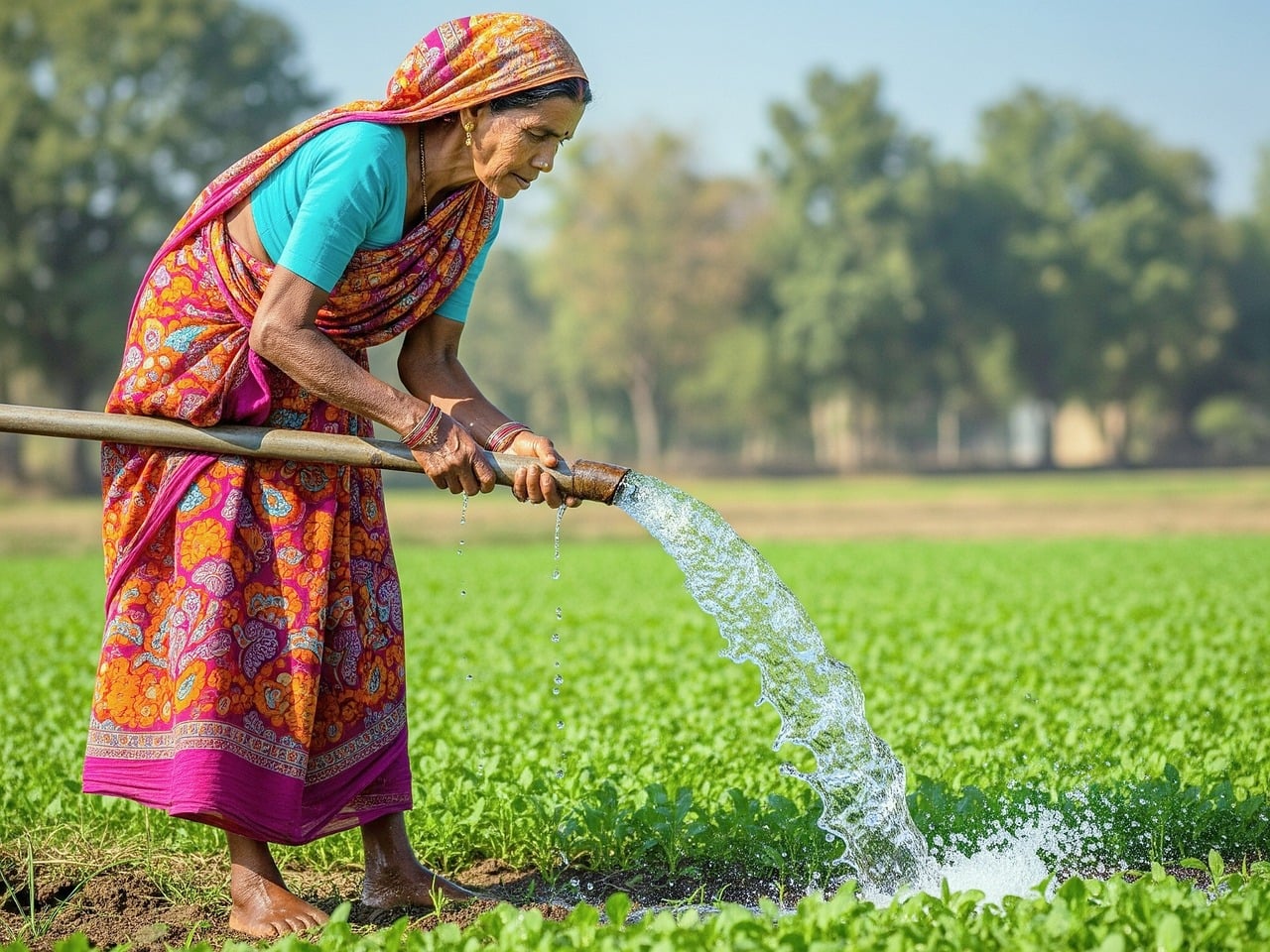
Water management and irrigation systems are crucial components of landscape engineering and design, as they play a vital role in maintaining healthy plants, reducing water waste, and promoting sustainable practices. In this context, it is essential to understand key terms and vocabulary related to water management and irrigation systems. One of the fundamental concepts is hydrology, which is the study of the movement, distribution, and quality of water on Earth. Hydrology is essential in understanding the water cycle, including evaporation, condensation, and precipitation, which are critical processes in the water management cycle.
Another critical term is irrigation, which refers to the artificial application of water to land or soil to support plant growth. Irrigation systems can be classified into different types, including sprinkler systems, drip irrigation systems, and micro irrigation systems. Each type of irrigation system has its advantages and disadvantages, and the choice of system depends on factors such as climate, soil type, and crop requirements. For example, drip irrigation systems are suitable for watering plants in areas with high temperatures and low humidity, as they deliver water directly to the roots of the plants, reducing evaporation and runoff.
Water management and irrigation systems also involve the use of various infrastructure components, including pipes, valves, pumps, and reservoirs. These components work together to distribute water from the source to the point of use, and they must be designed and installed to ensure efficient and safe water delivery. The design of irrigation systems requires careful consideration of factors such as topography, soil type, and climate, as well as the type of plants being irrigated. For instance, sprinkler systems are often used in large-scale agricultural applications, where uniformity of water distribution is critical.
In addition to irrigation systems, water management also involves the use of drainage systems, which are designed to remove excess water from the landscape. Drainage systems can be classified into different types, including surface drainage systems and subsurface drainage systems. Surface drainage systems involve the use of swales and channels to direct water away from the landscape, while subsurface drainage systems use pipes and pumps to remove water from the soil. Effective drainage is critical in preventing waterlogging and erosion, which can damage plants and infrastructure.
Another important concept in water management and irrigation systems is water conservation, which refers to the practice of using water efficiently and reducing waste. Water conservation can be achieved through the use of low-flow irrigation systems, rainwater harvesting, and grey water reuse. Grey water refers to wastewater generated from domestic activities such as washing and bathing, which can be reused for irrigation and other non-potable purposes. Rainwater harvesting involves the collection and storage of rainwater for use in irrigation and other applications, reducing the demand on municipal water supplies.
The design and implementation of water management and irrigation systems require careful consideration of environmental factors, including climate change, soil degradation, and biodiversity conservation. Climate change is expected to have significant impacts on water availability and irrigation requirements, and water management strategies must be adapted to address these challenges. Soil degradation can be mitigated through the use of conservation tillage and cover crops, which help to reduce erosion and improve soil health. Biodiversity conservation can be promoted through the use of native plant species and ecological restoration techniques, which help to maintain ecosystem services and promote sustainability.
In terms of practical applications, water management and irrigation systems are used in a wide range of contexts, including agriculture, urban landscaping, and golf course management. In agriculture, irrigation systems are used to support crop growth and reduce water waste, while in urban landscaping, irrigation systems are used to maintain healthy plants and promote aesthetic appeal. Golf course management requires the use of sophisticated irrigation systems to maintain healthy turf and promote playability. The use of advanced technologies, such as GIS mapping and remote sensing, can help to optimize irrigation scheduling and reduce water waste.
One of the significant challenges in water management and irrigation systems is the issue of water scarcity, which refers to the lack of sufficient water to meet demand. Water scarcity can be addressed through the use of water-saving technologies, such as drip irrigation and low-flow sprinklers. Another challenge is the issue of water quality, which refers to the physical, chemical, and biological characteristics of water. Water quality can be affected by factors such as pollution, sedimentation, and climate change, and it is essential to monitor and manage water quality to ensure safe and efficient irrigation.
The use of advanced technologies, such as precision agriculture and artificial intelligence, can help to optimize water management and irrigation systems. Precision agriculture involves the use of GPS and sensors to monitor and manage crop growth, while artificial intelligence can be used to analyze data and make predictions about water demand and irrigation requirements. The integration of these technologies can help to reduce water waste, promote efficiency, and enhance sustainability in water management and irrigation systems.
In addition to the technical aspects of water management and irrigation systems, it is also essential to consider the social and economic factors that influence water use and management. Water management and irrigation systems can have significant impacts on communities and economies, and it is essential to engage with stakeholders and promote participation in water management decision-making. The use of inclusive and participatory approaches can help to ensure that water management and irrigation systems are designed and implemented to meet the needs of all stakeholders, including farmers, communities, and environmental groups.
The role of policy and regulation in water management and irrigation systems is also critical. Governments and regulatory agencies can play a crucial role in promoting sustainable water management practices, enforcing water conservation measures, and providing incentives for the adoption of water-saving technologies. The development of water policies and regulations can help to ensure that water management and irrigation systems are designed and implemented to promote sustainability and reduce environmental impacts.
In terms of education and training, it is essential to provide professionals and stakeholders with the knowledge and skills needed to design, implement, and manage water management and irrigation systems. This can include training in hydrology, irrigation engineering, and water conservation, as well as communication and stakeholder engagement. The use of online platforms and distance learning can help to increase access to education and training, particularly in rural and remote areas.
The integration of traditional knowledge and modern technologies can also help to promote sustainable water management practices. Traditional knowledge and practices, such as rainwater harvesting and crop rotation, can provide valuable insights and solutions for water management and irrigation systems. The use of modern technologies, such as GIS mapping and remote sensing, can help to optimize irrigation scheduling and reduce water waste. The combination of traditional and modern approaches can help to promote resilience and sustainability in water management and irrigation systems.
The use of green infrastructure can also help to promote sustainable water management practices. Green infrastructure, such as green roofs and rain gardens, can help to reduce stormwater runoff and promote water conservation. The use of permeable pavements and bioretention systems can also help to reduce urban runoff and promote water quality. The integration of green infrastructure into water management and irrigation systems can help to promote ecological sustainability and reduce environmental impacts.
In terms of research and development, there are many opportunities to improve water management and irrigation systems. Researchers and practitioners can work together to develop new technologies and innovative solutions, such as precision irrigation and artificial intelligence. The use of big data and analytics can help to optimize irrigation scheduling and reduce water waste. The development of new materials and technologies, such as water-efficient appliances and grey water systems, can also help to promote water conservation and reduce environmental impacts.
The importance of collaboration and partnership in water management and irrigation systems cannot be overstated. Collaboration between stakeholders, including governments, communities, and private sector organizations, can help to promote sustainable water management practices and reduce environmental impacts. The use of participatory approaches and inclusive decision-making processes can help to ensure that water management and irrigation systems are designed and implemented to meet the needs of all stakeholders. The development of new business models and financing mechanisms can also help to promote sustainable water management practices and reduce environmental impacts.
In conclusion, water management and irrigation systems are critical components of landscape engineering and design, and it is essential to understand key terms and vocabulary related to these systems. The use of advanced technologies, such as precision agriculture and artificial intelligence, can help to optimize water management and irrigation systems, while the integration of traditional knowledge and modern technologies can help to promote sustainable water management practices. The importance of collaboration and partnership in water management and irrigation systems cannot be overstated, and the development of new business models and financing mechanisms can help to promote sustainable water management practices and reduce environmental impacts.
Key takeaways
- Water management and irrigation systems are crucial components of landscape engineering and design, as they play a vital role in maintaining healthy plants, reducing water waste, and promoting sustainable practices.
- For example, drip irrigation systems are suitable for watering plants in areas with high temperatures and low humidity, as they deliver water directly to the roots of the plants, reducing evaporation and runoff.
- The design of irrigation systems requires careful consideration of factors such as topography, soil type, and climate, as well as the type of plants being irrigated.
- Surface drainage systems involve the use of swales and channels to direct water away from the landscape, while subsurface drainage systems use pipes and pumps to remove water from the soil.
- Another important concept in water management and irrigation systems is water conservation, which refers to the practice of using water efficiently and reducing waste.
- The design and implementation of water management and irrigation systems require careful consideration of environmental factors, including climate change, soil degradation, and biodiversity conservation.
- In agriculture, irrigation systems are used to support crop growth and reduce water waste, while in urban landscaping, irrigation systems are used to maintain healthy plants and promote aesthetic appeal.