
Chemical Reactions in Embalming
Chemical reactions in embalming are a critical aspect of the process, as they help to preserve the body, prevent decay, and restore a natural appearance. One key concept in this context is the role of fixatives , which are chemicals used to…
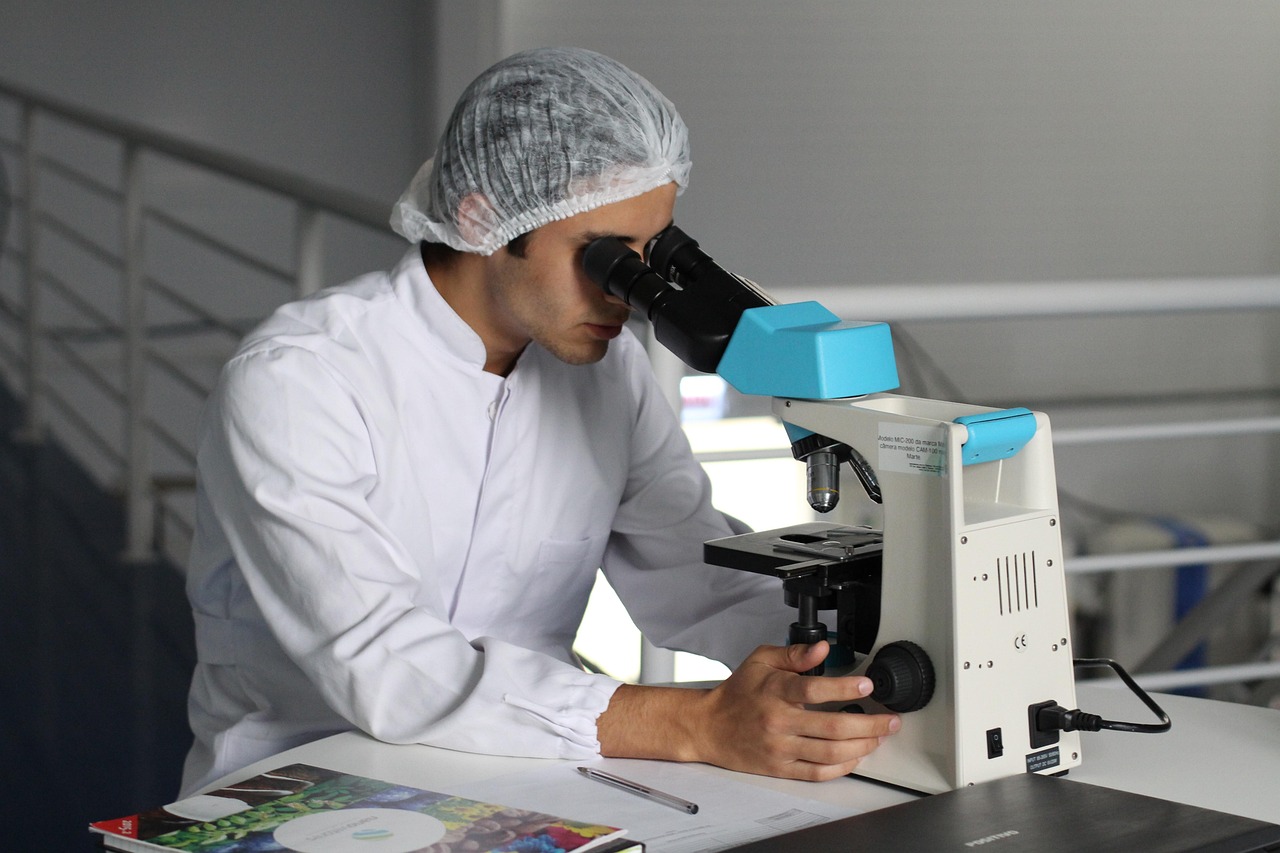
Chemical reactions in embalming are a critical aspect of the process, as they help to preserve the body, prevent decay, and restore a natural appearance. One key concept in this context is the role of fixatives, which are chemicals used to stabilize and preserve tissues. Formaldehyde is a common fixative used in embalming, as it helps to cross-link proteins and prevent the breakdown of tissues. However, formaldehyde can be hazardous to both the embalmer and the environment, and its use is subject to strict regulations and guidelines.
Another important aspect of chemical reactions in embalming is the process of disinfection, which involves the use of chemicals to kill bacteria, viruses, and other microorganisms that may be present on or in the body. This is typically achieved through the use of disinfectants such as phenol or glutaraldehyde, which are applied to the body during the embalming process. Disinfection is critical in preventing the spread of disease and ensuring that the body is safe to handle.
In addition to fixatives and disinfectants, preservatives are also used in embalming to prevent the growth of microorganisms and the breakdown of tissues. These may include chemicals such as methanol or ethanol, which are added to the embalming fluid to help prevent spoilage and decay. Preservatives may also be used to help restore a natural appearance to the body, by preventing the growth of microorganisms that can cause discoloration or other visible changes.
The process of embalming also involves the use of fluids, which are used to help preserve and restore the body. These may include arterial fluids, which are injected into the arteries to help distribute the embalming chemicals throughout the body, as well as cavity fluids, which are used to treat the internal organs and prevent decay. The choice of fluid will depend on the specific needs of the body, as well as the goals of the embalming process.
One of the key challenges in embalming is the need to balance the use of chemicals with the potential risks and hazards associated with their use. For example, formaldehyde is a known carcinogen, and its use is subject to strict regulations and guidelines. Embalmers must take precautions to minimize their exposure to formaldehyde and other hazardous chemicals, and must also ensure that the body is properly treated and disposed of to prevent any potential risks to the environment or public health.
In terms of practical applications, chemical reactions in embalming are used in a variety of contexts, including funeral homes, mortuaries, and anatomical laboratories. Embalmers may use a range of techniques and chemicals to achieve the desired outcome, depending on the specific needs of the body and the goals of the embalming process. For example, a body that is to be viewed at a funeral may require more extensive restoration work, including the use of cosmetology techniques to restore a natural appearance.
The use of chemical reactions in embalming also raises a number of ethical and regulatory issues, particularly with regard to the use of hazardous chemicals and the potential risks to the environment and public health. Embalmers must be aware of and comply with relevant regulations and guidelines, including those related to the use of formaldehyde and other hazardous chemicals. They must also take steps to minimize their exposure to these chemicals, and to ensure that the body is properly treated and disposed of to prevent any potential risks.
In terms of the chemistry of embalming, the process involves a range of complex chemical reactions, including cross-linking reactions, which help to stabilize and preserve tissues. These reactions involve the formation of chemical bonds between molecules, which helps to prevent the breakdown of tissues and the growth of microorganisms. The chemistry of embalming also involves the use of acids and bases, which are used to help restore a natural appearance to the body and to prevent decay.
The use of enzymes in embalming is another important aspect of the chemistry of the process. Enzymes are biological molecules that help to break down and digest tissues, and they play a critical role in the decomposition process. Embalmers may use enzyme inhibitors to help prevent the breakdown of tissues and the growth of microorganisms, and to restore a natural appearance to the body. The use of enzymes in embalming is a complex and highly specialized field, and requires a deep understanding of the underlying chemistry and biology.
In addition to the use of chemicals and enzymes, the process of embalming also involves the use of physical techniques, such as washing and dissecting, to help restore a natural appearance to the body. These techniques may be used in conjunction with chemical treatments, such as the use of fixatives and preservatives, to help stabilize and preserve tissues. The use of physical techniques in embalming requires a high degree of skill and expertise, and must be performed with care and attention to detail to achieve the desired outcome.
The history of embalming is also closely tied to the development of chemical reactions and techniques. The use of natron and other natural substances to preserve bodies dates back thousands of years, and was used by ancient cultures such as the Egyptians and Greeks. The development of modern embalming techniques, including the use of formaldehyde and other synthetic chemicals, has helped to improve the safety and effectiveness of the process, and has enabled embalmers to achieve a high degree of preservation and restoration.
In terms of research and development, the field of embalming is continually evolving, with new techniques and chemicals being developed to improve the safety and effectiveness of the process. This may include the use of alternative fixatives and preservatives, such as essential oils and other natural substances, which are being explored as potential alternatives to traditional chemicals. The use of nanotechnology and other advanced technologies is also being explored, with the goal of developing new and innovative techniques for embalming and preservation.
The education and training of embalmers is also critical to the safe and effective practice of embalming. Embalmers must have a deep understanding of the underlying chemistry and biology of the process, as well as the practical skills and techniques required to achieve the desired outcome. This may include training in the use of chemicals and enzymes, as well as the use of physical techniques such as washing and dissecting. Embalmers must also be aware of and comply with relevant regulations and guidelines, including those related to the use of hazardous chemicals and the potential risks to the environment and public health.
In terms of professional development, embalmers must stay up-to-date with the latest techniques and technologies, and must continually update their skills and knowledge to remain current and effective. This may include attending workshops and conferences, as well as participating in online forums and other professional networks. The use of continuing education and professional development is critical to the safe and effective practice of embalming, and is essential for maintaining the highest standards of quality and care.
The use of chemical reactions in embalming also raises a number of environmental concerns, particularly with regard to the potential risks associated with the use of hazardous chemicals. Embalmers must be aware of and comply with relevant regulations and guidelines, including those related to the use of formaldehyde and other hazardous chemicals. They must also take steps to minimize their exposure to these chemicals, and to ensure that the body is properly treated and disposed of to prevent any potential risks to the environment or public health.
In terms of public health, the use of chemical reactions in embalming is critical to preventing the spread of disease and ensuring that the body is safe to handle. Embalmers must be aware of and comply with relevant regulations and guidelines, including those related to the use of disinfectants and other chemicals. They must also take steps to minimize their exposure to hazardous chemicals, and to ensure that the body is properly treated and disposed of to prevent any potential risks to the environment or public health.
The use of chemical reactions in embalming is a complex and highly specialized field, and requires a deep understanding of the underlying chemistry and biology. Embalmers must be aware of and comply with relevant regulations and guidelines, including those related to the use of hazardous chemicals and the potential risks to the environment and public health. They must also stay up-to-date with the latest techniques and technologies, and must continually update their skills and knowledge to remain current and effective. The use of chemical reactions in embalming is critical to the safe and effective practice of embalming, and is essential for maintaining the highest standards of quality and care.
In terms of the future of embalming, the use of chemical reactions and techniques is likely to continue to evolve and improve. This may include the development of new and innovative techniques, such as the use of nanotechnology and other advanced technologies. The use of alternative fixatives and preservatives, such as essential oils and other natural substances, is also being explored as a potential alternative to traditional chemicals. The future of embalming is likely to be shaped by a range of factors, including advances in technology and changes in regulatory requirements and public health concerns.
The importance of chemical reactions in embalming cannot be overstated, as they play a critical role in the preservation and restoration of the body. Embalmers must have a deep understanding of the underlying chemistry and biology of the process, as well as the practical skills and techniques required to achieve the desired outcome. The use of chemical reactions in embalming is a complex and highly specialized field, and requires a high degree of skill and expertise to perform safely and effectively.
In terms of the challenges facing embalmers, the use of chemical reactions and techniques is likely to continue to evolve and improve. This may include the development of new and innovative techniques, such as the use of nanotechnology and other advanced technologies. The use of alternative fixatives and preservatives, such as essential oils and other natural substances, is also being explored as a potential alternative to traditional chemicals. The challenges facing embalmers are likely to be shaped by a range of factors, including advances in technology and changes in regulatory requirements and public health concerns.
The use of chemical reactions in embalming is a critical aspect of the process, and requires a deep understanding of the underlying chemistry and biology. Embalmers must be aware of and comply with relevant regulations and guidelines, including those related to the use of hazardous chemicals and the potential risks to the environment and public health. They must also stay up-to-date with the latest techniques and technologies, and must continually update their skills and knowledge to remain current and effective. The use of chemical reactions in embalming is essential for maintaining the highest standards of quality and care, and is critical to the safe and effective practice of embalming.
The application of chemical reactions in embalming is a complex and highly specialized field, and requires a high degree of skill and expertise to perform safely and effectively. Embalmers must have a deep understanding of the underlying chemistry and biology of the process, as well as the practical skills and techniques required to achieve the desired outcome. The use of chemical reactions in embalming is critical to the preservation and restoration of the body, and is essential for maintaining the highest standards of quality and care.
In terms of the benefits of chemical reactions in embalming, the use of these techniques and chemicals can help to achieve a high degree of preservation and restoration, and can help to prevent the spread of disease and ensure that the body is safe to handle. The use of chemical reactions in embalming can also help to restore a natural appearance to the body, and can help to prevent decay and spoilage. The benefits of chemical reactions in embalming are numerous, and are critical to the safe and effective practice of embalming.
The limitations of chemical reactions in embalming are also important to consider, as these techniques and chemicals are not without risks and challenges. The use of hazardous chemicals, such as formaldehyde, can pose risks to the embalmer and the environment, and must be handled with care and caution. The use of chemical reactions in embalming also requires a high degree of skill and expertise, and must be performed in accordance with relevant regulations and guidelines. The limitations of chemical reactions in embalming are important to consider, and must be carefully weighed against the benefits and advantages of these techniques and chemicals.
The use of chemical reactions in embalming is a complex and highly specialized field, and requires a deep understanding of the underlying chemistry and biology. Embalmers must be aware of and comply with relevant regulations and guidelines, including those related to the use of hazardous chemicals and the potential risks to the environment and public health. They must also stay up-to-date with the latest techniques and technologies, and must continually update their skills and knowledge to remain current and effective. The use of chemical reactions in embalming is critical to the safe and effective practice of embalming, and is essential for maintaining the highest standards of quality and care.
In terms of the role of chemical reactions in embalming, these techniques and chemicals play a critical role in the preservation and restoration of the body. Embalmers must have a deep understanding of the underlying chemistry and biology of the process, as well as the practical skills and techniques required to achieve the desired outcome. The use of chemical reactions in embalming is essential for maintaining the highest standards of quality and care, and is critical to the safe and effective practice of embalming.
The impact of chemical reactions in embalming on the environment and public health is also an important consideration. The use of hazardous chemicals, such as formaldehyde, can pose risks to the environment and public health, and must be handled with care and caution. Embalmers must be aware of and comply with relevant regulations and guidelines, including those related to the use of hazardous chemicals and the potential risks to the environment and public health. The impact of chemical reactions in embalming on the environment and public health is an important consideration, and must be carefully weighed against the benefits and advantages of these techniques and chemicals.
The use of chemical reactions in embalming is a complex and highly specialized field, and requires a deep understanding of the underlying chemistry and biology. Embalmers must be aware of and comply with relevant regulations and guidelines, including those related to the use of hazardous chemicals and the potential risks to the environment and public health. They must also stay up-to-date with the latest techniques and technologies, and must continually update their skills and knowledge to remain current and effective. The use of chemical reactions in embalming is critical to the safe and effective practice of embalming, and is essential for maintaining the highest standards of quality and care.
Key takeaways
- Chemical reactions in embalming are a critical aspect of the process, as they help to preserve the body, prevent decay, and restore a natural appearance.
- Another important aspect of chemical reactions in embalming is the process of disinfection, which involves the use of chemicals to kill bacteria, viruses, and other microorganisms that may be present on or in the body.
- Preservatives may also be used to help restore a natural appearance to the body, by preventing the growth of microorganisms that can cause discoloration or other visible changes.
- These may include arterial fluids, which are injected into the arteries to help distribute the embalming chemicals throughout the body, as well as cavity fluids, which are used to treat the internal organs and prevent decay.
- One of the key challenges in embalming is the need to balance the use of chemicals with the potential risks and hazards associated with their use.
- In terms of practical applications, chemical reactions in embalming are used in a variety of contexts, including funeral homes, mortuaries, and anatomical laboratories.
- The use of chemical reactions in embalming also raises a number of ethical and regulatory issues, particularly with regard to the use of hazardous chemicals and the potential risks to the environment and public health.