
Collaborating With Families And Communities
Collaborating with Families and Communities is a crucial aspect of the Professional Certificate in Trauma-Informed Practices in Education, as it recognizes that a student's educational journey is deeply intertwined with their family and com…
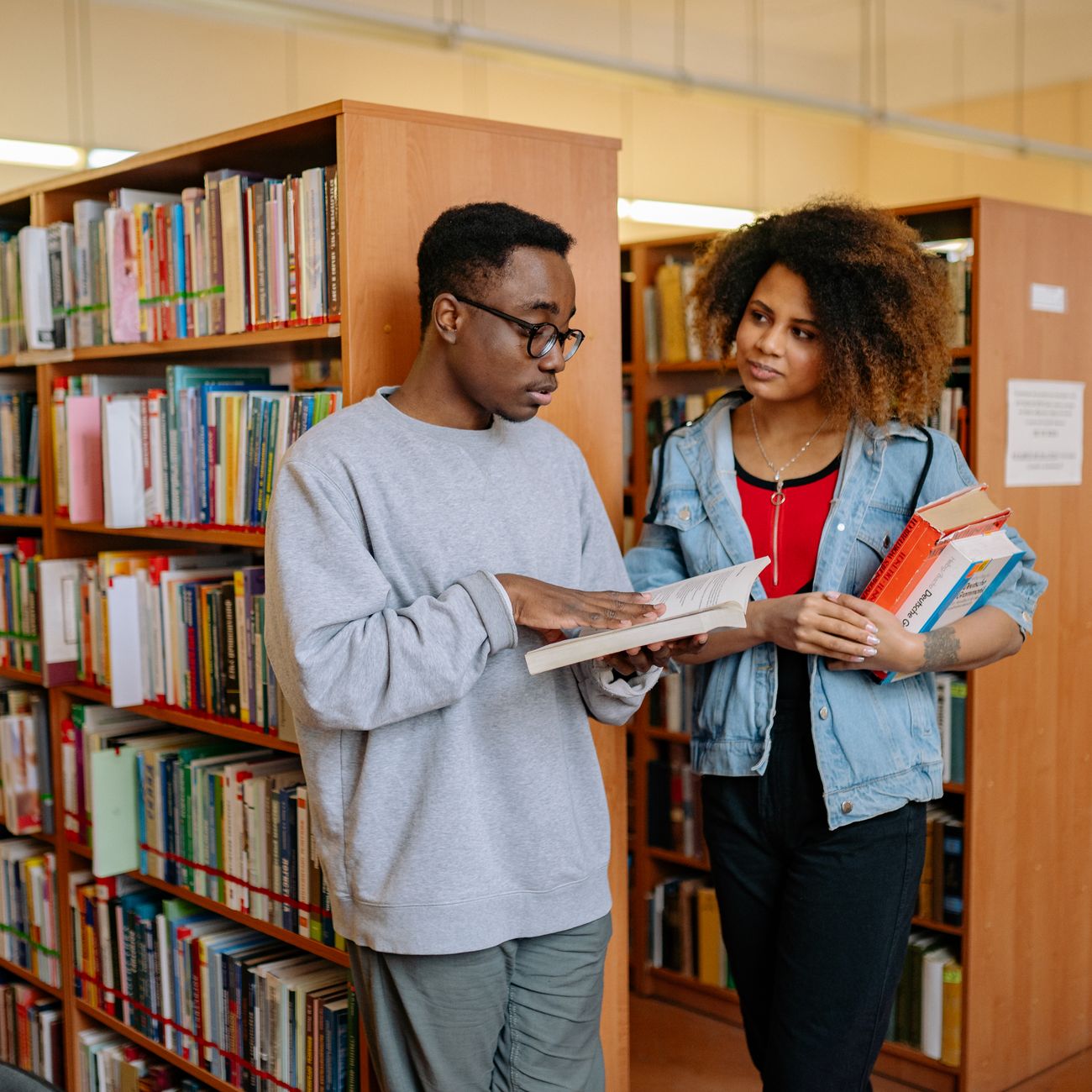
Collaborating with Families and Communities is a crucial aspect of the Professional Certificate in Trauma-Informed Practices in Education, as it recognizes that a student's educational journey is deeply intertwined with their family and community life. When educators and schools form strong bonds with these entities, they can create a support network that fosters a student's academic, emotional, and social growth. This collaboration is not just about involving families and communities in school activities but also about understanding and addressing the trauma and adversity that students may face outside the classroom.
One key term in this context is trauma-informed care, which refers to an approach that acknowledges the prevalence of trauma in students' lives and strives to create a safe, supportive, and non-triggering environment. This involves educators being aware of the signs of trauma, such as anxiety, aggression, or withdrawal, and knowing how to respond in a way that is sensitive to the student's experiences. For instance, a teacher might recognize that a student's defiant behavior is actually a coping mechanism for unresolved trauma and respond with empathy rather than discipline.
Another important concept is cultural competence, which is about educators understanding and respecting the cultural backgrounds and values of their students and their families. This means being aware of how cultural differences can impact communication styles, learning preferences, and behavior, and adapting one's approach accordingly. For example, an educator might learn that in some cultures, direct eye contact is seen as disrespectful, and therefore, adjust their interaction style to build trust with students from those backgrounds.
Family engagement is also a critical aspect of collaborating with families and communities. This involves creating opportunities for families to be involved in their children's education, whether through volunteering, attending parent-teacher conferences, or participating in decision-making processes. Effective family engagement strategies include outreach programs that bring services and resources directly to families, parent education workshops that empower families with knowledge and skills, and partnerships with community organizations that can provide additional support.
Moreover, community partnership is essential for providing students with a comprehensive network of support. This can involve collaborations with local businesses, non-profit organizations, healthcare providers, and government agencies to offer resources such as mentoring programs, after-school activities, and counseling services. For instance, a school might partner with a local community center to offer recreational activities and academic support to students outside of regular school hours.
However, collaborating with families and communities is not without its challenges. One of the main obstacles is communication barriers, which can arise from language differences, cultural misunderstandings, or technological divides. To overcome these barriers, educators and schools must be proactive in seeking out interpretation services, cultural brokers, and technology access initiatives that can facilitate communication and engagement.
Another challenge is power dynamics, where trust and credibility issues can hinder the development of meaningful partnerships. Educators and schools must work to establish authentic relationships with families and communities, built on mutual respect, empathy, and a willingness to listen. This can involve community-based initiatives that empower families and communities to take an active role in decision-making processes and co-creation of educational programs.
Additionally, socio-economic factors can also pose challenges to collaboration. Families from low-income backgrounds may face barriers to access due to transportation issues, work schedules, or financial constraints. Schools must be resourceful and flexible in finding ways to reach and support these families, such as through home visits, online resources, or community outreach programs.
In terms of practical applications, educators can start by building relationships with their students' families through regular communication, parent-teacher conferences, and volunteer opportunities. They can also seek out training on trauma-informed practices, cultural competence, and family engagement strategies to enhance their skills and knowledge. Furthermore, schools can develop partnerships with local community organizations and businesses to provide students with real-world learning experiences and career opportunities.
To address the challenges of collaboration, educators and schools can leverage technology to facilitate communication and engagement, such as through social media platforms, online forums, and video conferencing tools. They can also seek out funding and resources to support community-based initiatives and family engagement programs. Additionally, schools can develop policies and procedures that promote inclusivity, diversity, and equity, and provide training and support for educators to work effectively with diverse families and communities.
Ultimately, collaborating with families and communities requires a commitment to understanding and addressing the complex needs and challenges that students face. By building trust, establishing partnerships, and providing support, educators and schools can create a comprehensive network of care that fosters academic success, emotional well-being, and social growth for all students. This requires a long-term perspective, flexibility, and a willingness to adapt to the evolving needs of students, families, and communities.
In the context of trauma-informed practices, collaborating with families and communities is essential for healing and recovery. By acknowledging and addressing the trauma and adversity that students face, educators and schools can create a safe and supportive environment that promotes resilience and post-traumatic growth. This involves training educators to recognize the signs of trauma and respond with empathy and understanding, as well as developing policies and procedures that promote trauma-informed care and support for students and families.
Furthermore, cultural competence is critical in collaborating with families and communities from diverse cultural backgrounds. This involves understanding and respecting the cultural values and beliefs of different communities, as well as being aware of the historical and systemic factors that have shaped their experiences. By embracing diversity and promoting inclusivity, educators and schools can create a welcoming and inclusive environment that values and celebrates the diversity of all students and families.
In addition, family engagement is a key strategy for collaborating with families and communities. This involves empowering families with knowledge and skills to support their children's education, as well as providing opportunities for families to be involved in decision-making processes and co-creation of educational programs. By building partnerships with families and communities, educators and schools can create a comprehensive network of support that fosters academic success, emotional well-being, and social growth for all students.
To achieve this, educators and schools must be proactive and strategic in their approach to collaborating with families and communities. This involves developing a clear vision and mission for family engagement and community partnership, as well as setting goals and objectives that are measurable and achievable. By monitoring progress and evaluating outcomes, educators and schools can refine and improve their strategies for collaborating with families and communities, and ultimately, enhance the educational experiences and outcomes of all students.
Overall, collaborating with families and communities is a complex and multifaceted process that requires commitment, dedication, and a willingness to adapt to the evolving needs of students, families, and communities. By embracing this challenge, educators and schools can create a comprehensive network of care that fosters academic success, emotional well-being, and social growth for all students, and ultimately, enhance the educational experiences and outcomes of all students. This requires a long-term perspective, flexibility, and a willingness to learn from the diverse experiences and perspectives of students, families, and communities.
In the context of education, collaborating with families and communities is essential for bridging the gap between home and school, and creating a seamless and supportive environment that fosters academic success and personal growth. This involves recognizing and valuing the diversity of students' experiences and backgrounds, as well as providing opportunities for students to connect and engage with their communities through service-learning and community-based projects.
By fostering a sense of community and belonging among students, families, and educators, schools can create a positive and supportive environment that promotes academic achievement, social growth, and emotional well-being. This requires effective communication, active listening, and a willingness to adapt to the evolving needs of students, families, and communities. By working together and collaborating with families and communities, educators and schools can enhance the educational experiences and outcomes of all students, and ultimately, create a better future for all.
In terms of policy and practice, collaborating with families and communities requires a commitment to equity and inclusion, as well as a willingness to challenge and change existing policies and practices that may be barriers to family engagement and community partnership. This involves developing and implementing policies and procedures that promote diversity, equity, and inclusion, as well as providing training and support for educators to work effectively with diverse families and communities.
Furthermore, research and evaluation are essential for understanding the impact and effectiveness of collaborating with families and communities. This involves conducting studies and gatherings data on the outcomes and experiences of students, families, and communities, as well as analyzing and interpreting the results to inform policy and practice. By using research and evaluation to inform their approach, educators and schools can refine and improve their strategies for collaborating with families and communities, and ultimately, enhance the educational experiences and outcomes of all students.
In the context of trauma-informed practices, collaborating with families and communities is essential for healing and recovery. By acknowledging and addressing the trauma and adversity that students face, educators and schools can create a safe and supportive environment that promotes resilience and post-traumatic growth. This involves training educators to recognize the signs of trauma and respond with empathy and understanding, as well as developing policies and procedures that promote trauma-informed care and support for students and families.
Overall, collaborating with families and communities is a complex and multifaceted process that requires commitment, dedication, and a willingness to adapt to the evolving needs of students, families, and communities. By embracing this challenge, educators and schools can create a comprehensive network of care that fosters academic success, emotional well-being, and social growth for all students, and ultimately, enhance the educational experiences and outcomes of all students. This requires a long-term perspective, flexibility, and a willingness to learn from the diverse experiences and perspectives of students, families, and communities.
Key takeaways
- This collaboration is not just about involving families and communities in school activities but also about understanding and addressing the trauma and adversity that students may face outside the classroom.
- One key term in this context is trauma-informed care, which refers to an approach that acknowledges the prevalence of trauma in students' lives and strives to create a safe, supportive, and non-triggering environment.
- For example, an educator might learn that in some cultures, direct eye contact is seen as disrespectful, and therefore, adjust their interaction style to build trust with students from those backgrounds.
- This involves creating opportunities for families to be involved in their children's education, whether through volunteering, attending parent-teacher conferences, or participating in decision-making processes.
- For instance, a school might partner with a local community center to offer recreational activities and academic support to students outside of regular school hours.
- To overcome these barriers, educators and schools must be proactive in seeking out interpretation services, cultural brokers, and technology access initiatives that can facilitate communication and engagement.
- Educators and schools must work to establish authentic relationships with families and communities, built on mutual respect, empathy, and a willingness to listen.