
Working With Children And Adolescents
Trauma‑informed practice is the foundational philosophy that guides every interaction with children and adolescents in this programme. It requires clinicians to recognise that many young people have experienced adverse events that affect th…
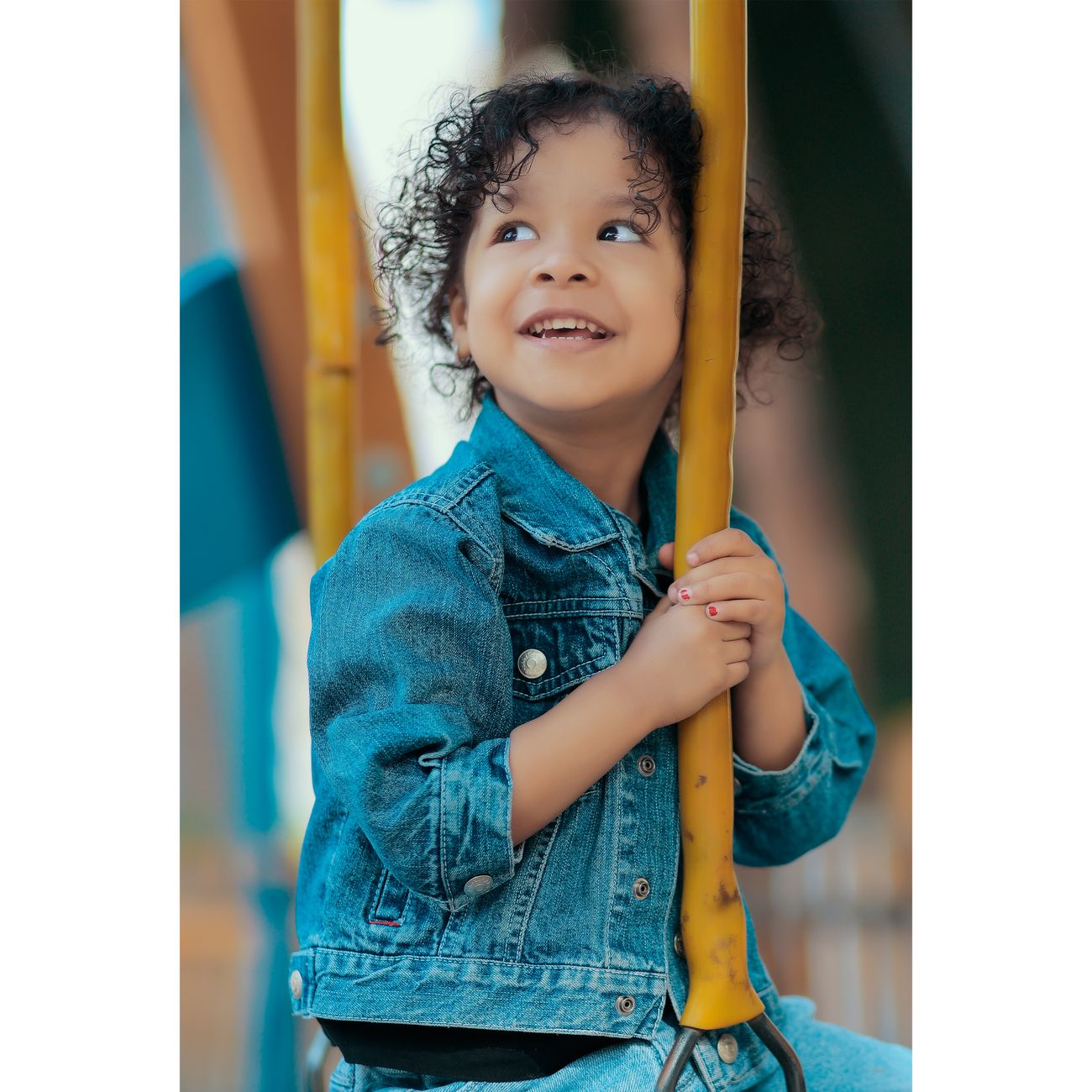
Trauma‑informed practice is the foundational philosophy that guides every interaction with children and adolescents in this programme. It requires clinicians to recognise that many young people have experienced adverse events that affect their brain development, emotional regulation, and relational patterns. A trauma‑informed stance means consistently offering safety, choice, collaboration, and empowerment. For example, when a therapist invites a child to choose the medium for expression—crayon, clay, or movement—the act of choice itself reinforces a sense of control that may have been compromised by earlier experiences of powerlessness.
Expressive arts therapy integrates visual art, music, movement, drama, and storytelling to facilitate healing. Unlike traditional talk therapy, it taps into non‑verbal channels that are often more accessible for children whose language skills are still developing or who have difficulty articulating feelings. A therapist might use a drum circle to help a teenager regulate arousal, then transition to a collaborative mural to explore themes of identity and belonging. The multimodal nature of expressive arts supports the brain’s natural capacity for integration, linking sensory, emotional, and cognitive processes.
Neurodevelopment refers to the ongoing maturation of the brain’s structures and connections from infancy through adolescence. Understanding neurodevelopment is crucial because trauma can alter typical pathways, leading to heightened stress reactivity, difficulties with attention, and challenges in social cognition. For instance, a child who has experienced chronic neglect may show an overactive amygdala, resulting in hypervigilance. In expressive arts sessions, the therapist can provide grounding sensory experiences—such as gentle brushing of the arms with a soft feather—to help modulate the nervous system and create a window for learning.
Attachment describes the emotional bond that forms between a child and primary caregivers. Secure attachment provides a safe base from which children explore the world; insecure or disorganized attachment often results from trauma and can manifest as avoidance, ambivalence, or fear of closeness. In the therapeutic setting, the therapist serves as a “secondary attachment figure,” offering consistent, attuned responses. Simple practices like mirroring a child’s facial expression or matching their breathing rhythm can convey empathy and foster a sense of being seen.
Resilience is the capacity to adapt positively despite adversity. While resilience is not an innate trait, it can be cultivated through supportive relationships, skill development, and meaningful experiences. Expressive arts therapy builds resilience by allowing children to experiment with new roles, rehearse coping strategies, and celebrate mastery. A group painting project, for example, can highlight each participant’s contribution, reinforcing a collective sense of efficacy.
Safety is the first pillar of trauma‑informed care. Physical, emotional, and psychological safety must be established before any therapeutic work can begin. Practically, this means arranging the therapy space with soft lighting, clear exits, and materials that are age‑appropriate. Emotional safety is cultivated by setting clear boundaries, using predictable routines, and offering explicit consent before each activity. A therapist might say, “If at any point you feel uncomfortable, you can pause or stop the activity,” thereby embedding choice directly into the session structure.
Trustworthiness involves maintaining consistency and transparency. Children who have experienced betrayal often struggle with trust. By reliably following through on promises—such as returning a borrowed art supply or honoring a scheduled session—therapists model reliability. Moreover, explaining the purpose of each activity in simple language helps demystify the process and reduces anxiety. For example, “We will use the drum to explore how our bodies feel when we are excited” clarifies intent and invites collaboration.
Choice is a core tenet that counters the powerlessness inherent in many traumatic experiences. Offering genuine options empowers children and respects their autonomy. In practice, a therapist might present three art materials—watercolour, collage, or modelling clay—and ask the child which they prefer. Even small choices, such as where to sit or which song to listen to, reinforce agency and can reduce defensive behaviours.
Collaboration emphasizes partnership rather than hierarchy. When therapists co‑create the therapeutic agenda with children, it validates the young person’s expertise about their own experience. A collaborative approach might involve jointly setting session goals: “Would you like to explore how you feel when you’re angry, or would you rather focus on something that makes you feel safe?” This dialogue invites the child into the decision‑making process and nurtures a sense of ownership.
Empowerment follows naturally from choice and collaboration. It is about recognizing and amplifying the strengths that children already possess. In expressive arts therapy, empowerment can be facilitated by highlighting skill development—such as mastering a new rhythm pattern on a drum—or by encouraging the child to lead a group improvisation. When a teenager successfully directs a short drama piece, the experience reinforces self‑efficacy and can translate into other life domains, such as school or family.
Therapeutic alliance describes the relational bond between therapist and client, characterised by mutual trust, respect, and shared purpose. A strong alliance is predictive of positive outcomes across modalities. In work with children, the alliance often hinges on the therapist’s ability to meet the child at their developmental level, use playfulness, and respect the child’s pacing. Consistently using a warm tone, maintaining eye contact (when culturally appropriate), and responding to the child’s affective cues are practical ways to nurture this bond.
Attunement is the process of sensing and resonating with another’s emotional state. It requires the therapist to be present, observe subtle cues, and reflect them back in a way that conveys understanding. For a child who is trembling while holding a paintbrush, an attuned response might be, “I notice your hands are shaking a little; would you like to take a break or try a softer colour?” This acknowledges the child’s internal experience and offers a supportive option.
Regulation refers to the ability to maintain emotional and physiological equilibrium. Trauma can disrupt regulation, leading to dysregulated states such as hyperarousal or dissociation. Expressive arts therapy provides concrete tools for regulation, including rhythmic movement, breath‑synchronised drumming, and tactile art materials. A therapist might guide a group through a “body scan” while gently moving a ribbon, encouraging participants to notice sensations and release tension.
Sensory processing involves how the nervous system receives, integrates, and responds to sensory input. Children with trauma histories often exhibit sensory sensitivities—either hyper‑ or hypo‑reactivity. In a therapy room, this might manifest as a child covering their ears during loud music or seeking intense pressure by pressing hands into clay. Understanding each child’s sensory profile allows the therapist to adapt materials; for instance, offering noise‑cancelling headphones for a child who is overwhelmed by auditory stimuli.
Play therapy is a modality that uses play as the primary language of communication. It aligns closely with expressive arts therapy, as both rely on symbolic expression. In a play‑based session, a therapist might provide a sandbox and miniature figures, inviting the child to create a scene that reflects their inner world. The therapist observes the narrative, noting themes of safety, loss, or control, and gently reflects them back to the child, fostering insight.
Art therapy specifically focuses on visual media—drawing, painting, sculpture—to explore emotions and experiences. Art can serve as a bridge between the implicit, non‑verbal memories of trauma and the explicit, verbal narrative. A adolescent who feels unable to talk about a bullying incident might instead produce a series of abstract canvases that convey feelings of isolation and anger. The therapist can then discuss colour choices, line intensity, and composition as metaphors for the adolescent’s internal state.
Music therapy utilizes rhythm, melody, and sound to address emotional, cognitive, and social needs. Music can regulate arousal, support memory recall, and provide a communal sense of belonging. A therapist might employ a simple chord progression on a guitar to help a child explore feelings of sadness, then transition to an upbeat percussion pattern to encourage a sense of joy and movement. The act of creating music together also reinforces relational synchrony.
Movement therapy (or dance‑movement therapy) engages the body as a medium for expression. Trauma often resides in the body, manifesting as stiffness, avoidance, or involuntary movements. Guided movement exercises—such as slow, flowing arm gestures or grounding footwork—can help children reconnect with their bodies in a safe manner. A therapist might ask a teenager to “move your body as if you are a tree swaying in the wind,” encouraging embodied metaphor and emotional release.
Drama therapy leverages role‑play, storytelling, and improvisation to explore personal narratives and social dynamics. By adopting characters, children can experiment with alternative behaviours and perspectives. For instance, a child who feels powerless at school might enact a confident superhero, then discuss how the qualities of that character could be applied in real life. This experiential learning supports the development of problem‑solving skills and self‑advocacy.
Storytelling is a natural human activity that structures experience into meaningful sequences. In trauma‑informed contexts, storytelling can help children re‑author fragmented memories, placing them within a coherent timeline. A therapist might invite a child to create a “life story” using picture cards, arranging them in chronological order. This activity not only aids memory integration but also offers opportunities to highlight strengths and moments of resilience.
Grounding techniques are strategies used to anchor a person in the present moment, reducing dissociation and anxiety. Common grounding methods in expressive arts include tactile engagement with materials (e.g., feeling the texture of sand), auditory focus on a steady drumbeat, or visual concentration on a painted mandala. A therapist may teach a child to “press your palms together and notice the warmth,” providing a quick tool for self‑soothing.
Mindfulness involves purposeful, non‑judgmental awareness of the present. While mindfulness is often taught through meditation, it can be woven into expressive arts by encouraging attention to the sensory qualities of the creative process. For example, a child painting may be guided to notice the scent of the paint, the friction of the brush on canvas, and the rhythm of their breath. This practice cultivates self‑regulation and reduces intrusive trauma memories.
Boundaries are essential for creating predictable, secure environments. In work with children, clear boundaries protect both the therapist and the client, establishing a framework within which exploration can occur safely. Boundaries include physical limits (e.g., no touching without consent), emotional limits (e.g., respecting the child’s readiness to share), and time limits (e.g., ending a session at the agreed time). Consistently reinforced boundaries reinforce trust.
Counter‑transference describes the therapist’s emotional responses to the client, which can be intensified when working with trauma. A therapist may feel protectiveness, frustration, or sadness in response to a child’s distress. Recognising counter‑transference is vital; it allows the therapist to remain attuned rather than reacting impulsively. Supervision and reflective journaling are practical ways to monitor and process these reactions.
Transference occurs when a child projects feelings associated with past relationships onto the therapist. A child who experienced neglect may view the therapist as a caretaker, oscillating between clinginess and distrust. Understanding transference helps the therapist respond appropriately, maintaining therapeutic boundaries while validating the child’s feelings.
Rescripting is a therapeutic technique that invites clients to rewrite distressing memories with alternative outcomes. In expressive arts, rescripting can be enacted through drawing a new ending to a traumatic scene or improvising a dialogue where the child’s voice is heard and validated. This process can reduce the emotional intensity of the original memory and foster a sense of mastery.
Playful scaffolding refers to the supportive structure a therapist provides while allowing the child to explore freely. It balances guidance with autonomy, much like a parent who holds a child’s hand while they learn to walk. In a drama exercise, the therapist might suggest a basic scenario (e.g., “You are a brave explorer”) and then step back, letting the child develop the plot, characters, and resolution.
Reflective practice is the ongoing process of reviewing one’s work to improve effectiveness. For therapists, this includes analysing session recordings, noting moments of success and difficulty, and integrating feedback from supervisors. Reflective practice ensures that interventions remain trauma‑informed and responsive to each child’s evolving needs.
Cultural competence involves recognising and respecting the diverse cultural backgrounds of children and their families. Trauma expression and coping strategies can be heavily influenced by cultural norms. A therapist working with a child from a collectivist culture may incorporate communal art projects that honour family ties, while also being mindful of potential stigma surrounding mental health discussions.
Developmental appropriateness ensures that interventions match the child’s cognitive, emotional, and motor abilities. Younger children benefit from concrete, sensory‑rich activities (e.g., finger painting), whereas adolescents can engage in more abstract, symbolic work (e.g., creating a mixed‑media collage that represents identity). Tailoring activities prevents frustration and maximises therapeutic impact.
Safety planning is a proactive strategy for children who may be at risk of ongoing harm (e.g., domestic violence). It involves identifying safe adults, places, and actions the child can take if danger arises. In expressive arts sessions, safety planning can be woven into a metaphorical activity—such as drawing a “safe island”—allowing the child to visualise resources without explicit discussion of the threat.
Emotion regulation skills are teachable competencies that help children identify, label, and modulate feelings. Expressive arts provides a natural context for practising these skills. For instance, a therapist might guide a group to create a colour‑coded mood board, then discuss how each hue relates to a specific emotion. This visual tool reinforces the language of feelings and supports self‑monitoring.
Self‑advocacy encourages children to voice their needs and preferences. In a therapeutic setting, self‑advocacy can be modelled by offering the child choices and respecting their decisions. A teenager who prefers to work alone on a music composition can be supported in setting personal goals, thereby strengthening their capacity to assert boundaries in other settings, such as school or home.
Peer support can be harnessed within group expressive arts therapy. When children share their creations and receive validation from peers, it normalises their experiences and reduces isolation. Group activities like collaborative mural painting foster a sense of belonging and collective efficacy. However, therapists must monitor dynamics to prevent bullying or exclusion, intervening promptly if negative patterns emerge.
Trauma narrative is the organized account of traumatic events that the child constructs over time. Expressive arts can facilitate the gradual development of a trauma narrative by allowing symbolic representation before verbal articulation. A child might first paint a stormy sky, then later add a sunrise, symbolising movement from chaos toward hope. The therapist supports this evolution without forcing premature disclosure.
Body‑based interventions recognise that trauma is stored not only in the mind but also in the body. Techniques such as progressive muscle relaxation, yoga‑inspired stretches, or rhythmic drumming engage somatic awareness. A therapist might begin a session with a “body scan” using a soft brush, gently moving over the child’s shoulders to highlight areas of tension and promote release.
Attachment‑based interventions focus on repairing relational wounds by nurturing secure bonds. In expressive arts, this can involve joint creation—such as a parent and child painting together—where the therapist observes and reinforces positive interaction patterns. The shared artwork becomes a tangible symbol of connection, offering a platform for discussing feelings of safety and trust.
Psychosocial assessment is the systematic gathering of information about a child’s mental health, family context, and environmental factors. Conducting a thorough assessment before beginning expressive arts work ensures that interventions are tailored appropriately. Tools may include structured interviews, observation checklists, and collateral reports from caregivers or teachers.
Case formulation synthesises assessment data into a coherent understanding of the child’s presenting concerns, strengths, and therapeutic goals. A well‑crafted formulation guides the selection of expressive arts modalities, the pacing of interventions, and the measurement of progress. For example, a formulation that identifies sensory hyper‑reactivity will prioritize low‑stimulus materials like pastel crayons over loud percussion.
Outcome measurement involves tracking changes in symptoms, functioning, and wellbeing. In trauma‑informed expressive arts, outcome tools may include rating scales for anxiety, observation of emotional expression during sessions, and self‑report questionnaires adapted for age. Consistent measurement helps demonstrate efficacy and informs adjustments to the therapeutic plan.
Ethical considerations are paramount, especially when working with vulnerable populations. Confidentiality, informed consent, and mandatory reporting obligations must be adhered to. Therapists should obtain assent from children in developmentally appropriate language, and ensure that parents or guardians understand the nature of expressive arts activities. Any use of recording devices must be disclosed and approved.
Informed consent is the process by which a client (or their legal guardian) voluntarily agrees to treatment after receiving clear information about risks, benefits, and alternatives. In the context of expressive arts, consent should describe the types of materials used, the potential for emotional activation, and the confidentiality policies surrounding the artwork.
Mandatory reporting laws require professionals to report suspected abuse or neglect to authorities. Therapists must be familiar with jurisdiction‑specific statutes and have clear protocols for documentation and disclosure. When a child reveals abuse through a drawing, the therapist must balance the therapeutic value of the disclosure with legal obligations to protect the child.
Professional boundaries protect the therapeutic relationship from dual relationships and conflicts of interest. In expressive arts, boundaries may be tested when a child wishes to take home a piece of artwork or when a therapist is asked to provide art supplies outside of sessions. Clear policies and consistent communication prevent misunderstandings.
Supervision provides ongoing guidance, support, and accountability for therapists. Regular supervisory meetings allow for discussion of challenging cases, reflection on counter‑transference, and reinforcement of trauma‑informed principles. Supervision also offers a space to explore creative ideas for integrating new expressive arts techniques.
Continuing education ensures that practitioners stay current with emerging research on trauma, child development, and expressive arts methodologies. Participation in workshops, conferences, and peer‑reviewed journals contributes to professional growth and enhances the quality of service delivery.
Group dynamics refer to the patterns of interaction that emerge among participants in a therapy group. Understanding these dynamics is essential for creating a safe, supportive environment. Therapists monitor for dominance, withdrawal, alliances, and conflict, intervening to maintain balance. In expressive arts groups, collaborative projects can reveal leadership styles and social hierarchies, providing opportunities for skillful facilitation.
Individualised treatment planning recognises that each child’s trauma history, cultural background, and personal preferences are unique. A therapist may combine art, music, and movement in varying proportions to meet the child’s needs. For a child with limited verbal skills but strong rhythmic ability, music‑focused sessions may be primary, with occasional visual art to supplement.
Trauma‑sensitive assessment involves using language and techniques that minimise re‑traumatisation. Instead of asking “What happened to you?” a therapist may ask “Can you tell me about a time that made you feel scared?” and offer the option to express the experience through drawing. This approach respects the child’s readiness and reduces the risk of overwhelming distress.
Playful inquiry is a method of exploring topics through curiosity and imagination rather than direct questioning. For instance, a therapist might ask a child, “If your feelings were a weather pattern, what would they look like?” This invites metaphorical expression and can uncover underlying emotions without confronting the child with explicit trauma details.
Emotion‑focused art is a specific technique where the therapist guides the child to create artwork that represents a particular feeling. The process includes naming the emotion, selecting colours that correspond, and discussing the finished piece. This method helps children develop a richer emotional vocabulary and improves affect regulation.
Rhythmic entrainment is the synchronisation of physiological processes to an external rhythm, such as a drumbeat. This phenomenon can be harnessed to stabilise heart rate and breathing in children experiencing anxiety. A therapist may lead a group in a simple clapping pattern, encouraging participants to match their breath to the rhythm, thereby fostering calm.
Symbolic play involves using objects or actions to represent abstract ideas. In trauma work, symbolic play can provide a safe distance from painful memories while still allowing processing. A child might use a broken twig to symbolize a ‘hurtful event’ and then repair it with tape, symbolising healing.
Multisensory integration refers to the brain’s ability to combine information from different senses into a unified perception. Trauma can disrupt this integration, leading to sensory overload. Expressive arts therapy often incorporates multiple senses simultaneously—visual (painting), auditory (music), tactile (clay)—to support reintegration and promote neural plasticity.
Co‑regulation is the process by which a caregiver (or therapist) helps a child achieve emotional balance through shared physiological attunement. In practice, a therapist may sit beside a child, matching their breathing rhythm and offering gentle touch, thereby modelling calm and providing a scaffold for self‑regulation.
Reflective listening is a communication technique where the therapist restates the child’s statements to confirm understanding. Even in non‑verbal contexts, the therapist can reflect the child’s gestures or artistic choices, saying, “I see you used dark colours to show feeling heavy.” This validates the child’s experience and encourages deeper exploration.
Therapeutic metaphor is a symbolic representation that conveys complex ideas in an accessible way. Metaphors are especially useful with children, who think concretely. A therapist might compare the process of creating a collage to “building a puzzle of who you are,” helping the child conceptualise identity formation.
Gradual exposure is a technique where the child is slowly introduced to trauma‑related material in a controlled, safe manner. In expressive arts, this might involve first drawing a neutral scene, then adding a subtle element that hints at the traumatic event, and finally depicting the full narrative when the child feels ready. The pacing respects the child’s tolerance.
Resilience‑building activities are purposeful interventions designed to strengthen coping skills. Examples include role‑playing problem‑solving scenarios, creating a “strengths tree” where each leaf represents a personal asset, and rehearsing relaxation scripts set to music. These activities reinforce adaptive behaviours and empower the child.
Parent‑child joint sessions integrate caregivers into the therapeutic process, fostering relational repair and shared understanding. In expressive arts, a joint session might involve a parent and child co‑creating a mural that represents their family story. The therapist observes interaction patterns, provides feedback, and guides the dyad toward healthier communication.
Trauma‑sensitive language emphasises the use of words that avoid blame, stigma, or re‑triggering. Instead of “You should not feel angry,” a therapist might say, “It is understandable to feel angry after what happened.” This respectful phrasing validates the child’s experience and maintains safety.
Strength‑based approach focuses on the child’s abilities, resources, and successes rather than deficits. In expressive arts, the therapist highlights moments of creativity, perseverance, and collaboration, reinforcing a positive self‑image. This orientation counteracts the often deficit‑focused narratives associated with trauma.
Self‑care for therapists is critical to prevent burnout and vicarious trauma. Engaging in personal expressive arts practice, regular supervision, and mindfulness routines helps maintain professional effectiveness. Therapists who model self‑care also demonstrate healthy coping strategies to the children they serve.
Trauma‑informed policy refers to organisational guidelines that embed trauma‑sensitive principles across all levels of service delivery. Policies may dictate safe physical environments, staff training requirements, and procedures for handling disclosures. When the entire programme adheres to such policies, consistency enhances trust for families.
Micro‑aggressions are subtle, often unintentional, comments or actions that convey bias. In a therapeutic setting, micro‑aggressions can undermine safety, particularly for children from marginalized backgrounds. Therapists must remain vigilant, seeking feedback and correcting behaviours that could inadvertently marginalise a child.
Empathic curiosity combines genuine interest with compassionate understanding. When a child creates an ambiguous drawing, the therapist may ask, “I notice the shapes you used; could you tell me what they mean to you?” This invites exploration without judgment, deepening the therapeutic connection.
Creative problem‑solving leverages artistic processes to brainstorm solutions. A therapist might ask a child to draw multiple possible endings to a challenging scenario, then discuss each option. This visual brainstorming expands the child’s repertoire of coping strategies and nurtures flexibility.
Non‑verbal communication encompasses facial expressions, body language, and artistic output. Children who have experienced trauma may rely heavily on non‑verbal channels. Therapists attune to these cues, interpreting a clenched fist in a sculpture as potential anger, and responding with appropriate regulation techniques.
Secure base is a concept from attachment theory describing a person or environment that provides safety and support, enabling exploration. In expressive arts therapy, the therapy room, with its predictable routines and welcoming atmosphere, functions as a secure base from which children can venture into creative risk‑taking.
Therapeutic containment involves holding the child’s emotional experience within a safe frame. The therapist does this by providing structure, acknowledging feelings, and preventing overwhelm. For example, if a child becomes intensely upset while painting a traumatic memory, the therapist may gently pause the activity, offer a calming object, and later resume when the child feels regulated.
Resilience narratives are stories that emphasise growth and recovery. Therapists can co‑create these narratives with children, using art to illustrate past challenges and future hopes. A collage that juxtaposes storm clouds with a sunrise can symbolise overcoming adversity, reinforcing an optimistic outlook.
Developmental trauma describes chronic exposure to adverse experiences during critical periods of brain development. It often results in complex symptomatology, including emotional dysregulation, relational difficulties, and cognitive impairments. Recognising developmental trauma informs the pacing and intensity of expressive arts interventions, ensuring they are gentle yet effective.
Trauma‑specific interventions are techniques designed to directly address trauma symptoms, such as EMDR (Eye Movement Desensitisation and Reprocessing) adapted for children, or narrative exposure therapy. While expressive arts may not replace these modalities, it can complement them by providing a creative avenue for processing memories.
Safety cues are signals that remind a child of the secure environment. These may include a specific piece of music played at the start of each session, a calming scent, or a visual symbol on the wall. Consistent safety cues help the child transition into therapy with reduced anxiety.
Therapeutic closure is the intentional ending of a session or series of sessions, providing a sense of completeness. In expressive arts, closure might involve a reflective discussion of the artwork created, a ritual of returning materials, or a shared relaxation exercise. Proper closure respects the child’s emotional investment and prevents lingering distress.
Intergenerational trauma refers to the transmission of trauma effects across family lines. Children may inherit coping patterns, beliefs, or physiological stress responses from parents who have also experienced trauma. Expressive arts therapy can surface these patterns, allowing families to break cycles through collaborative creative work.
Trauma‑informed assessment tools are instruments specifically designed to capture trauma exposure and its impact without re‑traumatizing. Examples include the Child Trauma Screening Questionnaire and the Trauma Symptom Checklist for Children. When combined with expressive arts observations, these tools provide a comprehensive picture of the child’s needs.
Artistic self‑expression is the process of communicating internal states through creative media. For children, this may be as simple as selecting a colour to represent a feeling, while for adolescents it could involve composing a song that narrates their experience. Encouraging authentic artistic expression validates the child’s voice.
Therapeutic resonance describes the alignment between therapist and child’s emotional states, often facilitated by shared artistic experiences. When a therapist mirrors a child’s rhythm on a drum, it creates a sense of partnership and deepens the therapeutic bond.
Trauma‑informed supervision incorporates the same principles applied to client work into the supervisory relationship. Supervisors model safety, transparency, and empowerment, providing a supportive environment for clinicians to process their own trauma responses.
Emotion coaching is a skill‑building approach where adults help children label, understand, and regulate emotions. In expressive arts, emotion coaching can be woven into the activity: the therapist asks, “What does the colour red feel like for you?” and then guides the child in naming the sensation.
Adaptive coping refers to healthy strategies for managing stress, such as deep breathing, seeking social support, or engaging in creative play. Expressive arts therapy expands the child’s repertoire of adaptive coping by offering varied modalities for emotional release and problem solving.
Maladaptive coping includes avoidance, substance use, self‑harm, or aggression. Identifying these patterns early allows the therapist to intervene with expressive arts techniques that provide safer alternatives. For example, a child who habitually rages at a drum may be guided to channel that energy into a structured rhythmic pattern, reducing impulsivity.
Therapeutic reframing is the practice of shifting perspective on a problem to promote insight and empowerment. In expressive arts, the therapist might ask a child to depict a ‘challenge’ as a mountain, then later add a path leading to the summit, symbolising the possibility of overcoming obstacles.
Trauma‑informed documentation requires careful recording of observations while maintaining sensitivity to the child’s privacy and dignity. Notes should focus on behaviours, artistic choices, and therapeutic progress rather than graphic descriptions of trauma content. This approach protects the child from unnecessary re‑exposure.
Community resources are external supports that complement therapy, such as school counsellors, youth clubs, or cultural organisations. Therapists collaborate with these resources to create a network of safety and continuity for the child. Referrals to community art programs can reinforce skills learned in therapy.
Risk assessment involves evaluating the likelihood of harm to the child or others. In expressive arts sessions, heightened emotional states may signal increased risk. Therapists must have clear protocols for escalating concerns, including immediate safety planning and liaison with protective services.
Therapeutic presence is the quality of being fully attentive, grounded, and emotionally available. In expressive arts, presence is demonstrated through engaged eye contact, genuine curiosity about the child’s creations, and a calm demeanor that models stability.
Trauma‑sensitive pedagogy applies trauma‑informed principles to educational settings. When expressive arts therapists collaborate with teachers, they can advise on classroom strategies that reduce triggers, such as flexible seating, predictable routines, and opportunities for creative expression.
Boundary‑maintaining interventions are specific actions that reinforce limits while remaining supportive. For instance, if a child attempts to take home a piece of artwork that belongs to the group, the therapist gently explains the shared nature of the project and offers an individual copy for the child’s personal use.
Creative resilience describes the capacity to use artistic expression as a means of coping with adversity. This concept underscores the therapeutic value of fostering artistic skills not merely for symptom reduction but as a lifelong resource for emotional health.
Therapeutic fidelity refers to the degree to which an intervention is delivered as intended. Maintaining fidelity in trauma‑informed expressive arts requires adherence to core principles—safety, choice, empowerment—while allowing flexibility for individual child needs.
Trauma‑informed advocacy involves supporting children’s rights and needs beyond the therapy room. Therapists may advocate for policy changes, resource allocation, or improved school practices that align with trauma‑sensitive values.
Reflective art journal is a personal notebook where children can record thoughts, feelings, and sketches outside of formal sessions. Encouraging journalling supports continuity of processing and provides material for later therapeutic discussion.
Emotionally focused music uses specific tonalities and tempos to mirror or modulate feelings. A therapist might select a slow, minor‑key piece to accompany a child’s exploration of sadness, then transition to an upbeat major‑key song to facilitate uplift.
Therapeutic affordances are the possibilities for healing that a particular medium or setting offers. For example, the tactile nature of clay affords opportunities for grounding, while the improvisational aspect of drumming offers space for spontaneous emotional release.
Family systems perspective views the child’s behaviour within the context of relational patterns among family members. Expressive arts interventions can involve multiple family members, revealing systemic dynamics through shared creations and collaborative storytelling.
Trauma‑informed evaluation assesses both process and outcomes, ensuring that interventions remain responsive to the child’s evolving needs. Evaluation may include qualitative feedback from children about their sense of safety, as well as quantitative symptom measures.
Therapeutic resonance (re‑used for emphasis) underscores the mutual attunement that occurs when therapist and child share a rhythmic or artistic moment, deepening connection and fostering trust.
Somatic awareness is the cultivated ability to notice internal bodily sensations. In expressive arts therapy, somatic awareness can be heightened through activities such as body tracing with charcoal, where children map the shape of their torso and note areas of tension.
Trauma‑informed collaboration extends beyond the therapist‑child dyad to include caregivers, educators, and community partners. Collaborative planning ensures that the child’s environment reinforces therapeutic gains, creating a cohesive support network.
Creative containment uses artistic structures to hold intense emotions. For instance, a therapist may provide a “storm jar” (a sealed jar with water and glitter) that the child shakes to visualise inner turbulence, then watches as the glitter settles, symbolising calm after the storm.
Trauma‑sensitive narrative is the story the child constructs about their experience, shaped by cultural, familial, and personal meanings. Therapists help children edit this narrative toward empowerment, often through metaphorical artwork that re‑positions the child as a survivor rather than a victim.
Expressive arts integration denotes the intentional blending of multiple art forms within a single session. A therapist might begin with a rhythmic drum pattern, transition to a collaborative painting, and conclude with a group improvisation, weaving together sensory experiences to support holistic processing.
Therapeutic scaffolding (re‑used) reinforces that support is gradually withdrawn as competence grows. In expressive arts, therapists may initially guide a child step‑by‑step through a drawing, then later allow the child to independently select materials and themes.
Trauma‑informed communication means speaking in a calm, clear, and non‑threatening manner. It involves checking in frequently (“How are you feeling right now?”) and providing reassurance that the child’s feelings are valid and manageable.
Creative risk‑taking encourages children to step outside comfort zones in a protected environment. This may involve trying a new instrument, experimenting with abstract shapes, or performing a short piece for peers. Successful risk‑taking builds confidence and resilience.
Therapeutic transition refers to the moments when a child moves from one activity to another, which can be points of vulnerability. Providing clear signals—such as a short bell chime or a visual cue—helps children anticipate change and reduces anxiety.
Trauma‑informed peer mentorship involves training older adolescents who have benefited from expressive arts therapy to support younger participants. Mentors model healthy coping, share experiences, and reinforce the therapeutic community’s values.
Reflective dialogue is a conversational technique that encourages children to think about their creative choices and underlying meanings. After a mural session, the therapist might ask, “What does the river you painted represent for you?” prompting deeper insight.
Therapeutic embodiment integrates mind and body,
Key takeaways
- For example, when a therapist invites a child to choose the medium for expression—crayon, clay, or movement—the act of choice itself reinforces a sense of control that may have been compromised by earlier experiences of powerlessness.
- Unlike traditional talk therapy, it taps into non‑verbal channels that are often more accessible for children whose language skills are still developing or who have difficulty articulating feelings.
- In expressive arts sessions, the therapist can provide grounding sensory experiences—such as gentle brushing of the arms with a soft feather—to help modulate the nervous system and create a window for learning.
- Secure attachment provides a safe base from which children explore the world; insecure or disorganized attachment often results from trauma and can manifest as avoidance, ambivalence, or fear of closeness.
- Expressive arts therapy builds resilience by allowing children to experiment with new roles, rehearse coping strategies, and celebrate mastery.
- A therapist might say, “If at any point you feel uncomfortable, you can pause or stop the activity,” thereby embedding choice directly into the session structure.
- By reliably following through on promises—such as returning a borrowed art supply or honoring a scheduled session—therapists model reliability.