
Maintenance Scheduling And Planning
Maintenance scheduling and planning is a critical component of the Certificate in Gym Equipment Maintenance And Repair course, as it enables gym owners and maintenance personnel to ensure that equipment is properly maintained, reducing the …
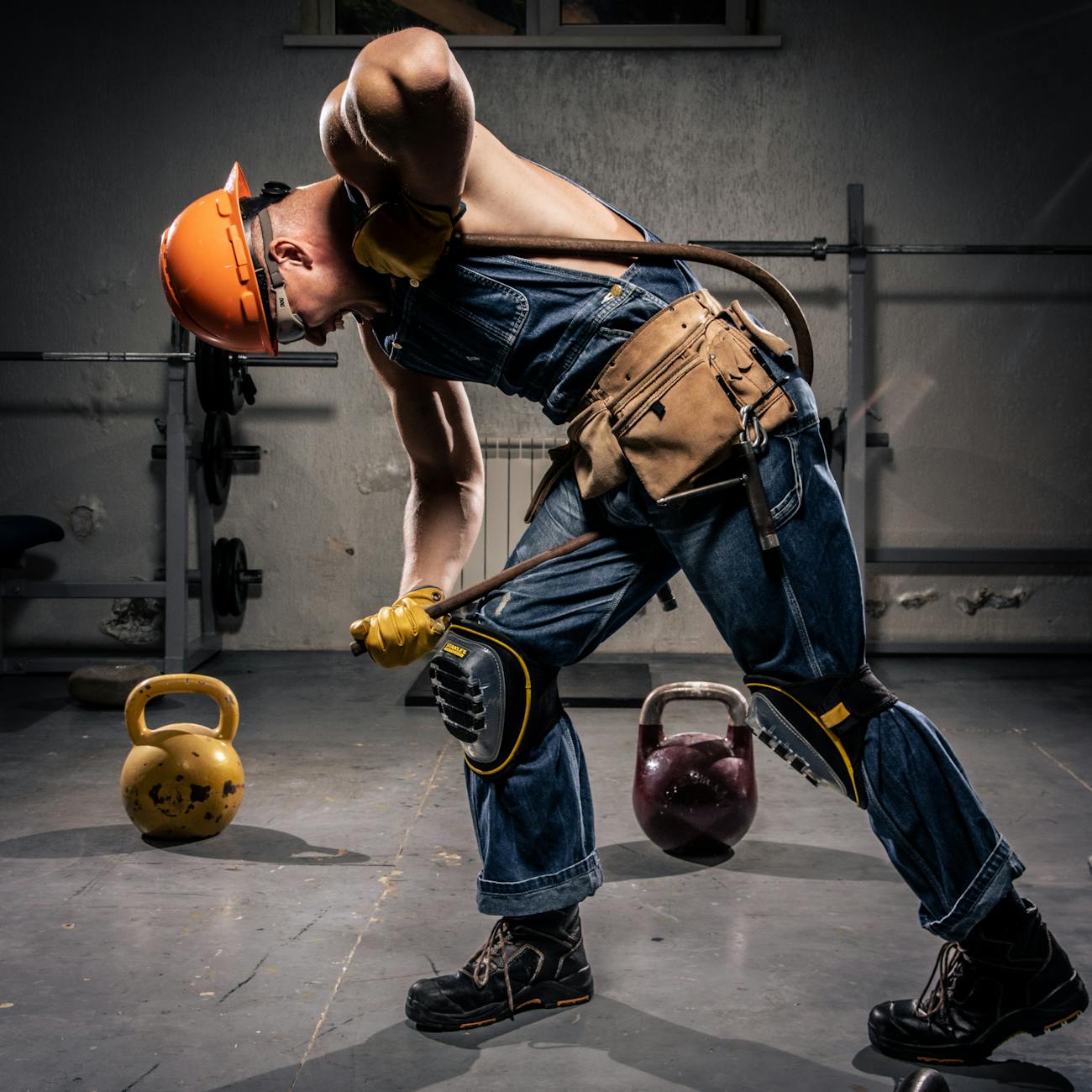
Maintenance scheduling and planning is a critical component of the Certificate in Gym Equipment Maintenance And Repair course, as it enables gym owners and maintenance personnel to ensure that equipment is properly maintained, reducing the risk of injuries and equipment downtime. Effective planning and scheduling of maintenance activities is essential to achieve this goal. In this context, prevention is better than cure, as regular maintenance can help prevent equipment failures and reduce the need for costly repairs.
To develop a comprehensive maintenance schedule, it is essential to identify the types of maintenance required for each piece of equipment. This includes routine maintenance tasks such as cleaning and lubricating equipment, as well as periodic maintenance tasks such as inspecting and replacing worn-out parts. The frequency of these tasks depends on the type of equipment, usage, and manufacturer recommendations. For example, a treadmill may require daily cleaning and weekly lubrication of its deck and rollers, while a free weight machine may require monthly inspection and quarterly adjustment of its weight stacks.
Another critical aspect of maintenance scheduling and planning is the development of a preventive maintenance program. This program outlines the maintenance tasks to be performed, the frequency of these tasks, and the personnel responsible for completing them. A preventive maintenance program helps to reduce equipment downtime, minimize repair costs, and ensure compliance with regulatory requirements. For instance, a gym may develop a preventive maintenance program that includes daily checks of equipment, weekly cleaning and disinfection, and monthly inspections of equipment to identify potential problems before they occur.
In addition to preventive maintenance, it is also essential to develop a corrective maintenance program. This program outlines the procedures to be followed when equipment fails or is damaged. A corrective maintenance program helps to minimize equipment downtime, reduce repair costs, and ensure that equipment is restored to a safe and functional condition. For example, a gym may develop a corrective maintenance program that includes emergency procedures for responding to equipment failures, troubleshooting procedures for identifying the cause of equipment problems, and repair procedures for restoring equipment to a safe and functional condition.
Effective maintenance scheduling and planning also requires the use of tools and equipment such as maintenance software, spreadsheets, and calendars. These tools help to schedule and track maintenance activities, assign tasks to personnel, and monitor equipment performance. For instance, a gym may use maintenance software to schedule and track daily, weekly, and monthly maintenance tasks, while also using spreadsheets to monitor equipment performance and identify trends and patterns.
Furthermore, maintenance scheduling and planning involves coordination with other departments and personnel. This includes coordinating with fitness instructors and personal trainers to schedule maintenance activities during off-peak hours, coordinating with suppliers to order replacement parts and materials, and coordinating with contractors to perform specialized maintenance tasks. Effective coordination helps to minimize equipment downtime, reduce costs, and ensure that maintenance activities are completed efficiently and effectively. For example, a gym may coordinate with its fitness instructors to schedule maintenance activities during early morning or late evening hours when the gym is less busy.
The development of a maintenance schedule also requires consideration of regulatory requirements and industry standards. This includes compliance with occupational health and safety regulations, building codes, and industry standards for equipment maintenance and repair. For instance, a gym may be required to comply with regulations governing the maintenance and repair of electrical equipment, or industry standards for the maintenance and repair of fitness equipment.
In addition to regulatory requirements and industry standards, maintenance scheduling and planning also involves consideration of budgetary constraints and resource allocation. This includes allocating funds for maintenance activities, personnel, and equipment, as well as allocating resources such as time, materials, and supplies. Effective budgeting and resource allocation help to ensure that maintenance activities are completed efficiently and effectively, while also minimizing costs and maximizing returns on investment. For example, a gym may allocate a certain amount of its budget to maintenance activities, while also allocating personnel and resources to perform these activities.
The implementation of a maintenance schedule also requires training and development of personnel. This includes providing personnel with the necessary skills, knowledge, and competencies to perform maintenance tasks, as well as providing ongoing training and development to ensure that personnel stay up-to-date with the latest technologies, techniques, and industry standards. For instance, a gym may provide its maintenance personnel with training on the use of maintenance software, or training on the maintenance and repair of specific types of equipment.
Moreover, maintenance scheduling and planning involves monitoring and evaluation of equipment performance and maintenance activities. This includes tracking equipment usage, monitoring equipment condition, and evaluating the effectiveness of maintenance activities. Effective monitoring and evaluation help to identify areas for improvement, optimize maintenance schedules, and ensure that equipment is operating safely and efficiently. For example, a gym may use data analytics to track equipment usage and identify trends and patterns, while also using maintenance software to monitor equipment condition and evaluate the effectiveness of maintenance activities.
The use of technology and innovation is also critical in maintenance scheduling and planning. This includes the use of maintenance software, mobile apps, and other digital tools to schedule and track maintenance activities, as well as the use of innovative technologies such as predictive maintenance and condition-based maintenance. Effective use of technology and innovation helps to optimize maintenance schedules, reduce costs, and improve equipment performance. For instance, a gym may use predictive maintenance software to predict when equipment is likely to fail, while also using condition-based maintenance to monitor equipment condition and perform maintenance activities only when necessary.
In terms of challenges and opportunities, maintenance scheduling and planning in the gym equipment maintenance and repair industry is not without its challenges. One of the main challenges is the lack of standardization in maintenance scheduling and planning, which can make it difficult to develop and implement effective maintenance schedules. Another challenge is the complexity of modern fitness equipment, which can require specialized maintenance and repair skills. However, these challenges also present opportunities for innovation and improvement, such as the development of new maintenance technologies and techniques, or the creation of new job roles and career paths in maintenance and repair.
To overcome these challenges, it is essential to develop a comprehensive maintenance schedule that takes into account the unique needs and requirements of each piece of equipment. This includes considering factors such as equipment usage, maintenance history, and manufacturer recommendations, as well as developing a flexible maintenance schedule that can be adjusted as needed. Effective communication and coordination with other departments and personnel are also critical, as is the use of technology and innovation to optimize maintenance schedules and improve equipment performance.
In terms of best practices, there are several key principles that can help guide maintenance scheduling and planning in the gym equipment maintenance and repair industry. One of the most important principles is the use of preventive maintenance, which can help reduce equipment downtime and minimize repair costs. Another key principle is the use of condition-based maintenance, which involves monitoring equipment condition and performing maintenance activities only when necessary. Effective communication and coordination with other departments and personnel are also critical, as is the use of !Technology and innovation to optimize maintenance schedules and improve equipment performance.
The development of a maintenance schedule also requires consideration of equipment life cycle, which includes the design, installation, operation, maintenance, and disposal of equipment. Effective management of the equipment life cycle can help minimize costs, reduce waste, and ensure that equipment is operated safely and efficiently. For instance, a gym may consider the design and installation of equipment, as well as its operation and maintenance, when developing a maintenance schedule.
Furthermore, maintenance scheduling and planning involves consideration of energy efficiency and environmental sustainability. This includes the use of energy-efficient equipment, the reduction of energy consumption, and the minimization of waste and pollution. Effective management of energy efficiency and environmental sustainability can help reduce costs, minimize the gym's environmental footprint, and ensure that equipment is operated in a safe and responsible manner. For example, a gym may consider the use of LED lighting, energy-efficient equipment, and sustainable materials when developing a maintenance schedule.
In addition to energy efficiency and environmental sustainability, maintenance scheduling and planning also involves consideration of quality and safety. This includes the use of quality maintenance practices, the implementation of safety procedures, and the minimization of risks and hazards. Effective management of quality and safety can help ensure that equipment is operated safely and efficiently, while also minimizing the risk of injuries and accidents. For instance, a gym may consider the use of quality maintenance software, safety procedures, and risk assessments when developing a maintenance schedule.
The implementation of a maintenance schedule also requires management and leadership. This includes the allocation of resources, the assignment of tasks, and the monitoring of progress. Effective management and leadership can help ensure that maintenance activities are completed efficiently and effectively, while also minimizing costs and maximizing returns on investment. For example, a gym may consider the use of management software, leadership training, and performance metrics when implementing a maintenance schedule.
In terms of metrics and benchmarks, there are several key performance indicators that can help guide maintenance scheduling and planning in the gym equipment maintenance and repair industry. One of the most important metrics is equipment uptime, which measures the amount of time that equipment is available for use. Another key metric is maintenance cost, which measures the cost of maintenance activities. Effective use of metrics and benchmarks can help optimize maintenance schedules, reduce costs, and improve equipment performance. For instance, a gym may use metrics such as equipment uptime, maintenance cost, and mean time between failures to evaluate the effectiveness of its maintenance schedule.
The development of a maintenance schedule also requires consideration of stakeholder engagement. This includes the engagement of personnel, contractors, and suppliers, as well as the consideration of customer needs and expectations. Effective stakeholder engagement can help ensure that maintenance activities are completed efficiently and effectively, while also minimizing costs and maximizing returns on investment. For example, a gym may consider the use of stakeholder engagement strategies, such as communication plans, training programs, and feedback mechanisms, when developing a maintenance schedule.
In addition to stakeholder engagement, maintenance scheduling and planning also involves consideration of continuity and resilience. This includes the development of contingency plans, the implementation of backup systems, and the minimization of risks and hazards. Effective management of continuity and resilience can help ensure that equipment is operated safely and efficiently, while also minimizing the risk of disruptions and downtime. For instance, a gym may consider the use of continuity plans, backup systems, and risk assessments when developing a maintenance schedule.
The implementation of a maintenance schedule also requires review and revision. This includes the regular review of maintenance activities, the revision of maintenance schedules, and the update of maintenance procedures. Effective review and revision can help optimize maintenance schedules, reduce costs, and improve equipment performance. For example, a gym may consider the use of review processes, revision procedures, and update mechanisms when implementing a maintenance schedule.
In terms of future trends and directions, there are several key developments that are likely to shape the future of maintenance scheduling and planning in the gym equipment maintenance and repair industry. One of the most important trends is the use of predictive maintenance, which involves the use of data analytics and machine learning to predict when equipment is likely to fail. Another key trend is the use of condition-based maintenance, which involves monitoring equipment condition and performing maintenance activities only when necessary. Effective use of future trends and directions can help optimize maintenance schedules, reduce costs, and improve equipment performance. For instance, a gym may consider the use of predictive maintenance software, condition-based maintenance procedures, and data analytics when developing a maintenance schedule.
The development of a maintenance schedule also requires consideration of cybersecurity and data protection. This includes the protection of maintenance data, the security of maintenance systems, and the minimization of cyber risks and threats. Effective management of cybersecurity and data protection can help ensure that equipment is operated safely and efficiently, while also minimizing the risk of cyber attacks and data breaches. For example, a gym may consider the use of cybersecurity measures, data protection procedures, and risk assessments when developing a maintenance schedule.
Furthermore, maintenance scheduling and planning involves consideration of compliance and regulation. Effective management of compliance and regulation can help ensure that equipment is operated safely and efficiently, while also minimizing the risk of fines and penalties. For instance, a gym may consider the use of compliance procedures, regulatory frameworks, and risk assessments when developing a maintenance schedule.
In addition to compliance and regulation, maintenance scheduling and planning also involves consideration of innovation and technology. This includes the use of new maintenance technologies, the development of innovative maintenance procedures, and the minimization of risks and hazards. Effective management of innovation and technology can help optimize maintenance schedules, reduce costs, and improve equipment performance. For example, a gym may consider the use of innovative maintenance software, technological advancements, and research and development when developing a maintenance schedule.
The implementation of a maintenance schedule also requires communication and collaboration. This includes the communication of maintenance activities, the collaboration of personnel and contractors, and the minimization of risks and hazards. Effective communication and collaboration can help ensure that maintenance activities are completed efficiently and effectively, while also minimizing costs and maximizing returns on investment. For instance, a gym may consider the use of communication plans, collaboration tools, and stakeholder engagement strategies when implementing a maintenance schedule.
In terms of practical applications, maintenance scheduling and planning has several key uses in the gym equipment maintenance and repair industry. One of the most important applications is the optimization of maintenance schedules, which can help reduce costs, minimize equipment downtime, and improve equipment performance. Another key application is the improvement of equipment reliability, which can help minimize the risk of equipment failures and reduce the need for costly repairs. Effective use of practical applications can help optimize maintenance schedules, reduce costs, and improve equipment performance. For example, a gym may use practical applications such as maintenance software, condition-based maintenance procedures, and data analytics to optimize its maintenance schedule.
The development of a maintenance schedule also requires consideration of equipment reliability. This includes the design, installation, operation, maintenance, and disposal of equipment, as well as the minimization of risks and hazards. Effective management of equipment reliability can help ensure that equipment is operated safely and efficiently, while also minimizing the risk of equipment failures and reducing the need for costly repairs. For instance, a gym may consider the use of reliability procedures, maintainability procedures, and safety procedures when developing a maintenance schedule.
In addition to equipment reliability, maintenance scheduling and planning also involves consideration of spare parts and inventory management. This includes the management of spare parts, the minimization of inventory costs, and the optimization of inventory levels. Effective management of spare parts and inventory can help ensure that equipment is operated safely and efficiently, while also minimizing the risk of equipment downtime and reducing the need for costly repairs. For example, a gym may consider the use of spare parts management software, inventory management procedures, and just-in-time inventory systems when developing a maintenance schedule.
This includes the provision of training and development programs, the assignment of tasks and responsibilities, and the monitoring of progress. Effective training and development can help ensure that personnel have the necessary skills, knowledge, and competencies to perform maintenance tasks, while also minimizing the risk of errors and accidents. For instance, a gym may consider the use of training programs, development programs, and performance metrics when implementing a maintenance schedule.
The development of a maintenance schedule also requires consideration of budgetary constraints and resource allocation. Effective budgeting and resource allocation can help ensure that maintenance activities are completed efficiently and effectively, while also minimizing costs and maximizing returns on investment.
In addition to budgetary constraints and resource allocation, maintenance scheduling and planning also involves consideration of energy efficiency and environmental sustainability. For instance, a gym may consider the use of LED lighting, energy-efficient equipment, and sustainable materials when developing a maintenance schedule.
Key takeaways
- In this context, prevention is better than cure, as regular maintenance can help prevent equipment failures and reduce the need for costly repairs.
- For example, a treadmill may require daily cleaning and weekly lubrication of its deck and rollers, while a free weight machine may require monthly inspection and quarterly adjustment of its weight stacks.
- A preventive maintenance program helps to reduce equipment downtime, minimize repair costs, and ensure compliance with regulatory requirements.
- A corrective maintenance program helps to minimize equipment downtime, reduce repair costs, and ensure that equipment is restored to a safe and functional condition.
- For instance, a gym may use maintenance software to schedule and track daily, weekly, and monthly maintenance tasks, while also using spreadsheets to monitor equipment performance and identify trends and patterns.
- For example, a gym may coordinate with its fitness instructors to schedule maintenance activities during early morning or late evening hours when the gym is less busy.
- For instance, a gym may be required to comply with regulations governing the maintenance and repair of electrical equipment, or industry standards for the maintenance and repair of fitness equipment.