
Sustainable And Energy Efficient Design
Sustainable Design in healthcare facilities refers to the integration of environmental, economic, and social considerations throughout the planning, construction, operation, and de‑commissioning phases of a building. The aim is to minimise …
Sustainable Design in healthcare facilities refers to the integration of environmental, economic, and social considerations throughout the planning, construction, operation, and de‑commissioning phases of a building. The aim is to minimise negative impacts on the natural environment while delivering safe, efficient, and therapeutic spaces for patients, staff, and visitors. In the United Kingdom, the regulatory framework is shaped by the Building Regulations Part L, the Health Technical Memorandum (HTM) series, and voluntary schemes such as BREEAM Healthcare. Understanding the vocabulary associated with this discipline is essential for designers, architects, engineers, and facility managers who wish to achieve high performance, compliance, and resilience.
Energy Efficiency is the practice of delivering the same level of service using less energy. In a hospital context, this may involve reducing the electricity required for lighting, heating, ventilation, air‑conditioning, and medical equipment while maintaining clinical standards. The concept is measured by metrics such as Specific Energy Consumption (SEC) expressed in kilowatt‑hours per square metre per year (kWh·m‑2·yr‑1). An example of an energy‑efficient strategy is the installation of high‑efficiency variable speed drives on pumps and fans, which can adapt motor speed to real‑time demand, thereby cutting unnecessary power use.
Passive Design strategies exploit the building’s orientation, form, and materials to regulate temperature and lighting without mechanical assistance. For a new NHS acute hospital, passive design might include aligning the main façade to the south to maximise winter daylight while using shading devices to limit summer solar gain. The building envelope’s thermal performance is enhanced by selecting walls with low U‑values, high thermal mass, and airtight construction. These measures reduce the heating and cooling loads, leading to lower operational costs and a smaller carbon footprint.
Building Envelope is the physical barrier separating the interior from the exterior environment. It consists of the roof, walls, windows, doors, and foundations. In a healthcare setting, the envelope must balance thermal insulation, acoustic isolation, and infection control. The U‑value of a window, for instance, quantifies heat transfer; a double‑glazed unit with a low‑emissivity coating may achieve a U‑value of 1.2 W·m‑2·K‑1, compared with 5.8 W·m‑2·K‑1 for a single‑glazed pane. Selecting high‑performance glazing helps maintain stable indoor temperatures and reduces HVAC demand.
HVAC (Heating, Ventilation, and Air‑Conditioning) systems are the heart of environmental control in hospitals. They must provide precise temperature, humidity, and filtration levels to support patient care and infection control. Energy‑efficient HVAC designs employ concepts such as demand‑controlled ventilation, where CO₂ sensors adjust fresh‑air flow based on occupancy, and heat recovery ventilators that capture waste heat from exhaust air to pre‑heat incoming fresh air. For example, a tertiary care centre may install a heat recovery unit with an efficiency of 80 %, meaning that for every 100 kW of exhaust heat, 80 kW is reclaimed and used to warm the incoming stream.
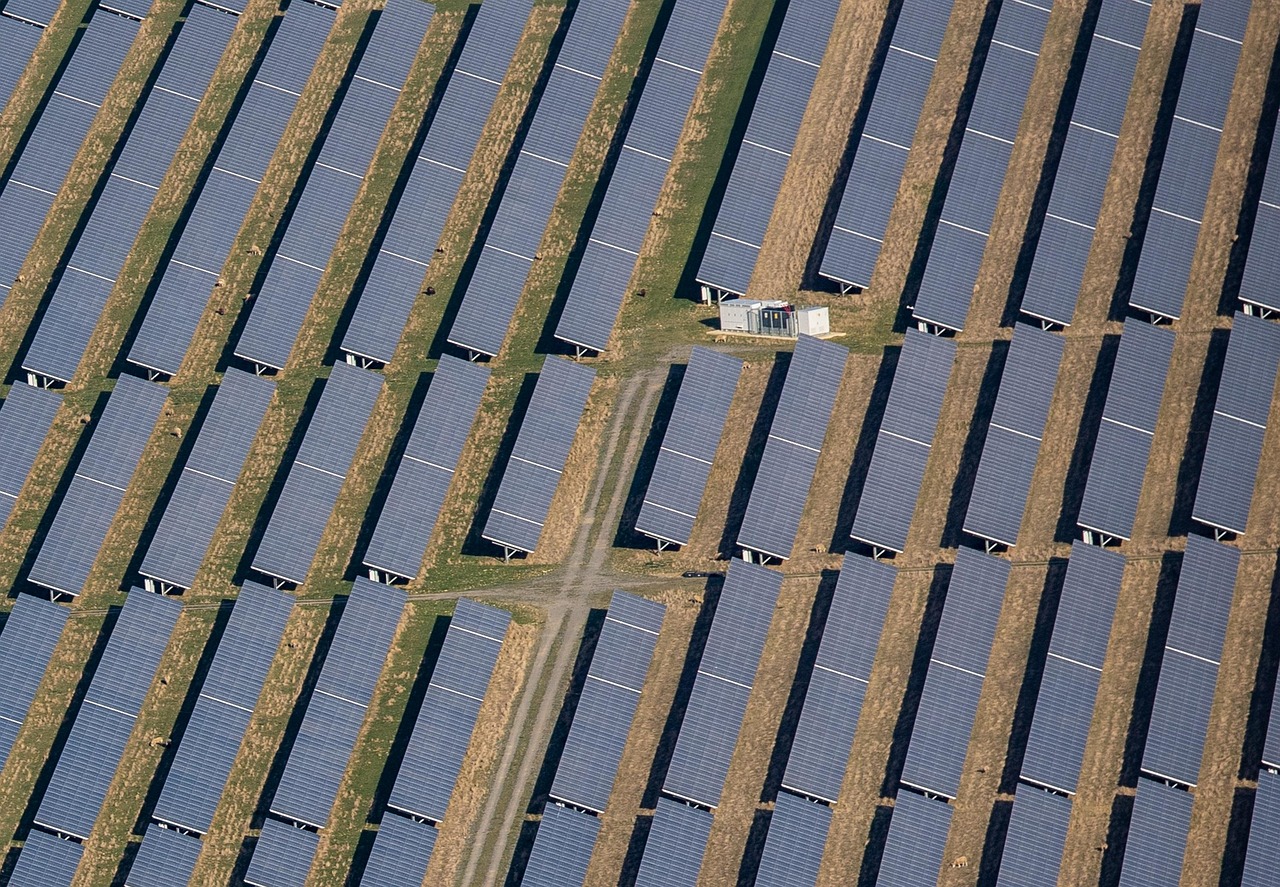
Renewable Energy sources are those that are replenished naturally on a human timescale. In the UK, common renewable technologies for healthcare facilities include photovoltaic (PV) solar panels, ground‑source heat pumps (GSHP), and biomass boilers. A community hospital with a rooftop PV array of 150 kW peak capacity can generate approximately 130 MWh of electricity per year, offsetting a portion of its grid consumption and reducing its Scope 2 emissions. Ground‑source heat pumps, when paired with low‑temperature radiators, can supply heating and cooling with coefficients of performance (COP) ranging from 3 to 5, meaning they deliver three to five units of heat for each unit of electricity consumed.
Life Cycle Assessment (LCA) is a systematic method for evaluating the environmental impacts of a product or building from raw material extraction through manufacture, use, and disposal. In the design of a new outpatient clinic, an LCA might compare the embodied carbon of a steel structural frame against a timber‑frame alternative. The analysis would consider factors such as the energy required for steel production, the carbon sequestration benefits of sustainably sourced timber, and the end‑of‑life recycling potential. By selecting the option with the lower total carbon impact, designers can achieve more sustainable outcomes.
Carbon Footprint quantifies the total greenhouse gas (GHG) emissions associated with a building’s operation, expressed in carbon dioxide equivalents (CO₂e). The footprint is divided into three scopes: Scope 1 covers direct emissions from on‑site fuel combustion; Scope 2 includes indirect emissions from purchased electricity, heat, or steam; Scope 3 captures all other indirect emissions such as those from the supply chain, waste disposal, and staff commuting. A typical UK general hospital may have an operational carbon footprint of 25 tonnes CO₂e per square metre per year, with the majority arising from energy use. Reducing this footprint involves strategies like improving insulation, installing renewable generation, and encouraging sustainable travel for staff.
Embodied Energy refers to the total energy consumed during the extraction, processing, manufacturing, transport, and installation of building materials. For healthcare facilities, where durability and hygiene are paramount, selecting materials with low embodied energy can be challenging. However, alternatives such as recycled steel, reclaimed timber, or low‑impact concrete can provide comparable performance while reducing the overall energy demand of construction. For instance, using a concrete mix that incorporates 30 % fly ash can cut embodied energy by up to 15 % compared with conventional Portland cement.
Net Zero is a target where a building’s total GHG emissions are balanced by an equivalent amount of removal or offsetting, resulting in a net neutral impact on the climate. Achieving net‑zero in a hospital requires a combination of energy efficiency, renewable energy generation, and carbon offsetting measures. A practical pathway may include retrofitting existing wards with high‑performance insulation, installing a district heating connection powered by renewable sources, and purchasing certified carbon credits for any remaining emissions. The NHS Carbon Reduction Strategy aims for all new facilities to be net‑zero operationally by 2030.
Green Building certification schemes provide structured frameworks for measuring and rewarding sustainable performance. In the UK, the most widely used system for healthcare is BREEAM Healthcare, which assesses categories such as energy, water, waste, health and wellbeing, and management. The scheme awards points for measures like daylight provision, low‑carbon heating, and sustainable procurement, ultimately awarding a rating from “Pass” to “Outstanding”. Achieving a high BREEAM score can also unlock funding incentives and enhance the reputation of the facility.
LEED (Leadership in Energy and Environmental Design) is an internationally recognised certification developed by the U.S. Green Building Council. Although less common in the UK than BREEAM, some UK hospitals seeking global recognition may pursue LEED certification. It evaluates similar criteria, including energy efficiency, water conservation, and indoor environmental quality. Understanding the terminology used across both schemes enables designers to align projects with multiple standards and maximise sustainability benefits.
Building Management System (BMS) is a digital platform that monitors and controls a building’s mechanical and electrical services. In a modern hospital, the BMS integrates data from temperature sensors, airflow meters, lighting controls, and energy meters to optimise performance. Advanced BMS software can implement predictive algorithms that anticipate peak demand periods and adjust equipment operation accordingly. For example, during a scheduled operating theatre surge, the BMS may pre‑cool the zone to reduce the load on the HVAC system, thereby avoiding costly on‑the‑fly adjustments.
Thermal Comfort is the condition of mind that expresses satisfaction with the thermal environment. It is defined by standards such as ISO 7730, which specify acceptable ranges for temperature, relative humidity, air velocity, and mean radiant temperature. In a patient recovery ward, maintaining thermal comfort is critical for healing and reducing stress. Designers may use radiant heating panels combined with low air velocities to achieve a uniform temperature distribution without creating drafts, thereby supporting both comfort and infection control.
Daylighting is the practice of using natural light to illuminate interior spaces, reducing reliance on artificial lighting. Proper daylighting design improves visual comfort, supports circadian rhythms, and can lower energy consumption. In a pediatric clinic, large glazed atriums with light‑reflecting interior finishes can provide ample daylight while maintaining privacy. However, excessive daylight can cause glare or overheating; therefore, shading devices, low‑emissivity glazing, and light‑diffusing blinds are employed to manage these risks.
Solar Gain describes the increase in temperature caused by solar radiation entering a building through windows or other glazed surfaces. While solar gain can be beneficial in winter by reducing heating demand, it can become a source of overheating in summer. Healthcare designers mitigate unwanted solar gain by using external shading louvers, internal blinds, or dynamic glazing that changes its solar transmittance in response to temperature. An example is an operating theatre with a south‑facing façade that incorporates automated blinds which close when interior temperatures exceed 22 °C.
Insulation reduces heat flow through the building envelope, improving energy efficiency. In hospitals, insulation must also meet fire safety and acoustic performance criteria. Common insulation materials include mineral wool, phenolic foam, and aerogel blankets. Aerogel, with its ultra‑low thermal conductivity, can be installed in thin layers where space is limited, such as around service shafts. Proper installation is essential to avoid thermal bridges that could compromise overall performance.
U‑value is the measure of heat transfer through a building element, expressed in watts per square metre kelvin (W·m‑2·K‑1). Lower U‑values indicate better insulation. For example, a high‑performance external wall system may achieve a U‑value of 0.18 W·m‑2·K‑1, whereas a conventional cavity wall might have a U‑value of 0.30 W·m‑2·K‑1. Designers use U‑values to calculate heating and cooling loads and to demonstrate compliance with Part L energy performance standards.
Air Tightness refers to the degree to which unintended air leakage is prevented in a building envelope. Leakage can increase heating and cooling loads, affect indoor air quality, and create drafts. In the UK, the target air‑tightness for new hospitals is often set at 0.5 ACH50 (air changes per hour at 50 Pa pressure differential). Achieving this involves careful detailing of joints, penetrations, and service openings, as well as the use of airtight membranes and sealants. A blower‑door test is performed during commissioning to verify compliance.
Ventilation supplies fresh outdoor air to maintain indoor air quality (IAQ) and remove pollutants. In healthcare facilities, ventilation design must meet stringent standards for air changes per hour (ACH), especially in critical zones such as operating theatres (minimum 20 ACH) and isolation rooms (minimum 12 ACH). Mechanical ventilation systems are typically equipped with high‑efficiency particulate air (HEPA) filters to capture airborne pathogens. Demand‑controlled ventilation, based on occupancy sensors, can reduce energy consumption in less critical areas like administrative offices.
Heat Recovery devices capture waste heat from exhaust air or water and transfer it to incoming fresh air or water streams. This process improves overall system efficiency. A heat recovery ventilator (HRV) in a hospital may achieve a heat exchange efficiency of 85 %, meaning that a large portion of the heat from exhaust air is reclaimed. In a district heating context, waste heat from a hospital’s combined heat and power (CHP) plant can be supplied to neighboring residential developments, creating a synergistic relationship that reduces overall carbon emissions.
Combined Heat and Power (CHP) systems generate electricity and useful heat from a single fuel source, typically natural gas, biogas, or waste heat. The electrical efficiency of a CHP plant can be around 35 %, while the overall fuel‑to‑heat‑and‑power efficiency can exceed 80 %. In a large teaching hospital, a CHP unit may provide base‑load electricity for critical equipment, while the recovered heat supplies hot water and space heating. The integration of CHP reduces reliance on the grid and can lower operational costs.
Energy Monitoring involves the continuous measurement and analysis of energy use across a facility. Sub‑metering allows the disaggregation of consumption into categories such as lighting, HVAC, medical equipment, and domestic hot water. Real‑time dashboards enable facility managers to identify anomalies, such as a sudden increase in ventilation fan power, and take corrective action. Energy monitoring is a prerequisite for performance verification and for meeting the reporting requirements of the UK Climate Change Act.
Demand Side Management (DSM) comprises strategies that influence the timing and magnitude of energy consumption to align with supply conditions or pricing signals. In a hospital, DSM may include scheduling non‑critical loads such as laundry or sterilisation equipment during off‑peak periods, or using battery storage to shave peak demand. By reducing peak demand, the facility can avoid costly demand charges and contribute to grid stability.
Water Efficiency is a critical component of sustainable healthcare design, given the high volumes of water used for domestic, clinical, and sanitation purposes. Measures include installing low‑flow fixtures, dual‑flush toilets, and sensor‑controlled faucets. In addition, water‑saving technologies such as heat‑recovery systems for hot‑water loops can reclaim up to 70 % of the heat from used water, reducing both water and energy consumption. Hospitals may also implement rainwater harvesting for irrigation of landscaped areas, further decreasing reliance on municipal water supplies.
Greywater recycling involves the collection, treatment, and reuse of lightly contaminated water from sinks, showers, and laundry for non‑potable applications. A hospital can treat greywater on‑site using membrane bioreactors and then reuse it for toilet flushing or cooling tower make‑up water. This approach reduces the demand for potable water and lowers wastewater discharge volumes. The design must ensure that treatment levels meet the relevant British Standards (e.g., BS 8550) to protect public health.
Sustainable Materials are those selected for their low environmental impact throughout their life cycle. In healthcare, material choices must also satisfy hygiene, durability, and fire safety requirements. Examples include low‑VOC (volatile organic compound) paints, antimicrobial copper alloy fittings, and recycled aluminium cladding. Using responsibly sourced timber certified by the Forest Stewardship Council (FSC) can provide structural elements with a reduced carbon footprint while meeting stringent fire resistance criteria when treated appropriately.
Low‑Carbon Materials specifically aim to minimise embodied carbon. Concrete alternatives such as geopolymer concrete or cement‑free composites can achieve up to 50 % lower CO₂ emissions compared with traditional Portland cement. In a new diagnostic imaging centre, the structural engineer may specify a geopolymer mix for floor slabs, thereby reducing the embodied carbon of the building by several thousand tonnes.
Recyclability is the potential for a material to be recovered and reused at the end of its service life. Designing for deconstruction involves selecting components that can be easily disassembled, such as modular wall panels with mechanical fasteners instead of adhesives. For example, a modular operating theatre wall system can be dismantled and the steel framing reused in future projects, supporting a circular economy approach.
Adaptive Reuse refers to the conversion of existing structures for new healthcare functions, thereby preserving embodied energy and reducing construction waste. An example is the transformation of a historic manor house into a mental health clinic. Adaptive reuse requires careful assessment of the building’s structural capacity, thermal performance, and accessibility. Upgrading the envelope with external insulation and installing modern HVAC systems can bring the building up to contemporary sustainability standards while retaining its cultural heritage.
Commissioning is the systematic process of verifying that building systems operate according to design intent and performance specifications. In a hospital, commissioning includes functional testing of ventilation, fire protection, medical gas systems, and building automation. A commissioning plan outlines test procedures, acceptance criteria, and documentation requirements. Successful commissioning ensures that energy‑saving measures are correctly implemented and that the indoor environment meets clinical standards.
Post‑Occupancy Evaluation (POE) involves gathering data on building performance after it is occupied, to assess whether sustainability goals have been achieved. POE may examine energy use, indoor air quality, occupant satisfaction, and maintenance costs. In a newly opened community health centre, a POE might reveal that actual lighting energy use is 15 % lower than predicted, confirming the effectiveness of daylight‑linked lighting controls. Findings from POE inform future design refinements and support continuous improvement.
Resilience in the context of sustainable healthcare design means the ability of a facility to maintain essential services under adverse conditions such as extreme weather, power outages, or pandemics. Resilience strategies include providing on‑site backup power generation, designing redundant water supplies, and ensuring that critical zones have independent ventilation systems. For instance, a hospital may incorporate a diesel generator sized to supply life‑support equipment for at least 72 hours, while also installing battery storage to bridge the gap between outage and generator start‑up.
Climate Change Adaptation is the process of adjusting building design and operation to cope with projected changes in climate patterns. In the UK, increased rainfall intensity and higher average temperatures pose challenges for hospital infrastructure. Design responses may involve raising ground‑floor levels to mitigate flood risk, installing permeable paving to improve surface water drainage, and specifying roofing materials with higher reflectivity to reduce heat island effects. Incorporating climate‑resilient design ensures long‑term functionality and reduces future retrofitting costs.
Indoor Air Quality (IAQ) is a measure of the air’s cleanliness, composition, and comfort level within occupied spaces. IAQ is particularly critical in hospitals where vulnerable patients may be susceptible to airborne contaminants. IAQ management includes filtration, ventilation rates, humidity control, and source control. A hospital may adopt a ventilation strategy that maintains a minimum of 6 ACH in patient rooms, combined with HEPA filtration and UV‑C germicidal irradiation to inactivate pathogens. Monitoring IAQ parameters such as CO₂ concentration, particulate matter, and volatile organic compounds enables proactive adjustments.
Acoustic Comfort is essential in healthcare environments to promote patient rest and reduce stress. Sound‑absorbing materials, double‑glazed windows, and careful planning of equipment placement contribute to a quieter environment. For example, locating MRI scanners in a separate acoustic enclosure with vibration isolation pads prevents noise transmission to adjacent wards, improving overall patient experience.
Lighting Quality encompasses factors such as illuminance levels, colour rendering index (CRI), and uniformity. Clinical areas require high CRI (≥ 90) and precise illuminance to support medical procedures. Energy‑efficient LED luminaires with dimming capability and occupancy sensors can deliver the required lighting quality while reducing electricity consumption. In a surgical suite, task lighting may be combined with ambient lighting to achieve a balanced visual environment that reduces eye strain for staff.
Smart Controls integrate sensors, actuators, and algorithms to optimise building performance automatically. In a modern hospital, smart controls can adjust lighting levels based on daylight availability, modulate HVAC set points according to occupancy patterns, and coordinate with renewable generation to prioritise on‑site energy use. Machine learning models can predict equipment failure, allowing preventive maintenance that avoids unnecessary energy waste.
Occupancy Sensors detect the presence of people using technologies such as infrared, ultrasonic, or video analytics. By linking occupancy sensors to lighting and HVAC controls, a facility can automatically switch off lights and reduce ventilation rates when spaces are unoccupied, achieving substantial energy savings. In a physiotherapy department, occupancy sensors may be installed at each treatment bay to ensure that ventilation is only active during patient sessions.
Demand Response (DR) programmes enable large energy users to adjust consumption in response to grid signals, helping to balance supply and demand. Hospitals with significant electrical loads can participate in DR by temporarily reducing non‑critical loads, such as delaying non‑essential cleaning equipment operation during peak grid periods. Participation in DR can provide financial incentives and support grid stability, while still maintaining core clinical functions.
Carbon Management involves the systematic tracking, reporting, and reduction of GHG emissions across an organisation. In the NHS, carbon management is guided by the Carbon Reduction Commitment (CRC) and the NHS Net Zero plan. Facilities managers use carbon accounting software to compile emissions data from electricity meters, fuel bills, and travel logs, then develop action plans that set targets, identify mitigation measures, and monitor progress.
Supply Chain Sustainability extends environmental responsibility to the procurement of goods and services. Hospitals can require suppliers to demonstrate compliance with sustainability criteria such as ISO 14001 environmental management, ethical sourcing, and low‑carbon logistics. For example, a procurement policy may stipulate that all surgical instrument suppliers provide documentation on the carbon footprint of their products, encouraging manufacturers to adopt greener production methods.
Thermal Bridging occurs when a conductive material creates a direct pathway for heat flow through an otherwise insulated envelope. In healthcare construction, thermal bridges can lead to localized cold spots, increasing heating demand and potentially causing condensation, which can affect indoor air quality. To mitigate thermal bridging, designers employ continuous insulation layers, thermal break elements, and detailed coordination of structural and envelope components.
Low‑E Coating (low‑emissivity) is a microscopically thin metallic layer applied to glazing that reflects infrared radiation while allowing visible light to pass. This coating reduces heat loss in winter and limits heat gain in summer, contributing to overall energy efficiency. In a surgical theatre with large glazed walls, low‑E glazing can maintain a stable temperature environment while providing ample daylight.
Solar Photovoltaic (PV) Array is a collection of solar panels that convert sunlight into electricity. The performance of a PV system is expressed by its peak capacity (kW p) and annual generation (kWh). For a hospital with a roof area of 5 000 m², a PV installation covering 40 % of the surface could achieve a capacity of approximately 200 kW p, generating around 180 MWh per year, depending on orientation and shading. Integrating PV with a building’s electrical system requires careful consideration of inverter sizing, grid connection agreements, and safety protocols.
Ground‑Source Heat Pump (GSHP) extracts heat from the ground via a series of buried pipes (ground loops) and upgrades it for space heating or cooling. The coefficient of performance (COP) typically ranges from 3 to 5, meaning that for each kilowatt of electricity consumed, the system delivers 3–5 kW of heat. In a new mental health facility, a GSHP system can provide low‑temperature heating for underfloor heating, reducing the need for high‑temperature boilers and associated carbon emissions.
Biomass Boiler burns organic material such as wood pellets to generate heat and hot water. Biomass is considered renewable when sourced sustainably, with certifications such as the Sustainable Biomass Program (SBP). A hospital may install a 500 kW biomass boiler to supplement existing heating, achieving a reduction in fossil fuel use and qualifying for Renewable Heat Incentive (RHI) payments.
District Heating supplies heat from a central plant to multiple buildings via insulated pipes. Hospitals can connect to district heating networks that utilise waste heat from industrial processes, combined cycle power plants, or renewable sources. By participating in district heating, a hospital reduces on‑site boiler capacity, simplifies maintenance, and benefits from shared renewable energy investments.
Heat Pump Water Heater uses electricity to extract heat from ambient air or ground water to heat domestic hot water. Compared with conventional electric resistance heaters, heat pump water heaters can achieve efficiencies of 300 % or more, cutting hot‑water energy demand significantly. In a hospital kitchen, a heat pump water heater can supply large volumes of hot water for washing and food preparation while reducing electricity costs.
Zero‑Carbon Emissions is an aspirational target where a building’s operational emissions are effectively eliminated. Achieving zero‑carbon status often requires a combination of ultra‑low energy demand, on‑site renewable generation, and the purchase of renewable energy certificates (RECs) to offset any residual emissions. For a large teaching hospital, this may involve retrofitting the envelope to achieve a U‑value of 0.15 W·m‑2·K‑1, installing a 1 MW solar PV array, and integrating a 1.5 MW ground‑source heat pump system.
Embodied Carbon is the CO₂ emitted during the extraction, processing, manufacture, transport, and construction of building materials. It is expressed in kilograms of CO₂ per kilogram of material (kg CO₂·kg‑1) or per cubic metre for concrete (kg CO₂·m‑3). Calculating embodied carbon requires data from Environmental Product Declarations (EPDs) and can be incorporated into the overall carbon assessment of a hospital project. Reducing embodied carbon may involve selecting low‑carbon concrete mixes, using recycled steel, and minimising material waste.
Scope 1, 2, 3 Emissions are categories defined by the Greenhouse Gas Protocol. Scope 1 covers direct emissions from on‑site fuel combustion, such as natural gas boilers. Scope 2 includes indirect emissions from purchased electricity, steam, or heat. Scope 3 encompasses all other indirect emissions, such as those from the supply chain, employee travel, and waste disposal. A comprehensive carbon reduction strategy addresses all three scopes, with particular emphasis on Scope 2 for hospitals, as electricity use often dominates the carbon profile.
Carbon Offset is a reduction in emissions elsewhere that compensates for emissions produced by a facility. Offsets can be purchased from projects that generate renewable energy, reforestation, or methane capture. While offsets can help achieve net‑zero targets, they should be used as a last resort after all feasible reduction measures have been implemented. In the NHS, carbon offset purchases must meet the criteria set out in the NHS Carbon Management Framework.
Renewable Energy Certificates (RECs) represent proof that a certain amount of renewable electricity has been generated and fed into the grid. By acquiring RECs, a hospital can claim that its electricity consumption is matched by renewable generation, even if the physical electrons do not flow directly to the site. This approach supports the transition to a low‑carbon grid and can be part of a broader sustainability reporting strategy.
Carbon Capture and Storage (CCS) is a technology that captures CO₂ emissions from large point sources, such as gas‑fired boilers, and stores them underground. While still emerging, CCS could become relevant for hospitals that rely on high‑temperature process heat and cannot easily switch to low‑carbon alternatives. Pilot projects in the UK are exploring the feasibility of integrating CCS with district heating networks.
Building Integrated Photovoltaics (BIPV) incorporate solar cells directly into building components such as façades, windows, or roofing tiles. BIPV provides both energy generation and aesthetic benefits. In a modern outpatient centre, BIPV glazing can generate electricity while maintaining transparency, contributing to the building’s overall energy balance without requiring additional roof space.
Thermal Energy Storage (TES) stores heat for later use, typically in water tanks or phase‑change materials. TES can decouple heat generation from demand, allowing a hospital to produce heat during off‑peak periods when electricity is cheaper or renewable generation is abundant, and then use the stored heat during peak demand times. A 5 MWh water‑based TES system might be integrated with a CHP plant to smooth out heating loads and improve overall efficiency.
Smart Metering provides real‑time data on electricity, gas, and water consumption at a granular level. Smart meters enable dynamic tariff selection, demand response participation, and detailed performance benchmarking. For a hospital, smart metering can highlight high‑energy‑use equipment, such as MRI scanners, and support targeted efficiency measures.
Heat Mapping is a visual analysis technique that displays temperature distribution across a building’s interior or envelope. Heat maps can reveal areas of thermal loss, overheating, or inadequate ventilation. In a diagnostic imaging department, heat mapping may identify cold spots near exterior walls, prompting the addition of additional insulation or the adjustment of HVAC zoning.
Performance Contracting involves an agreement between a facility owner and an energy service company (ESCO) where the ESCO implements energy‑saving measures and is compensated based on the verified savings achieved. This arrangement reduces upfront capital risk for the hospital and aligns the ESCO’s incentives with long‑term energy performance. Typical measures include lighting retrofits, HVAC upgrades, and building envelope improvements.
Hybrid Energy Systems combine multiple generation technologies, such as solar PV, wind turbines, and CHP, to provide a balanced and reliable energy supply. In a hospital located in a coastal region, a hybrid system might integrate offshore wind power with on‑site solar arrays and a backup diesel generator. The hybrid configuration can be managed by an intelligent control system that optimises the mix of sources based on availability, cost, and emissions.
Passive House (Passivhaus) standards set rigorous requirements for energy use, airtightness, and thermal comfort. Although primarily applied to residential buildings, the principles can be adapted for healthcare facilities where feasible. Passive House design aims for a heating demand of no more than 15 kWh·m‑2·yr‑1 and an airtightness of 0.6 ACH50. Achieving these targets in a hospital requires careful integration of high‑performance envelope, heat recovery ventilation, and low‑temperature heating systems.
Thermal Comfort Model such as the Predicted Mean Vote (PMV) and Predicted Percentage of Dissatisfied (PPD) can be used to assess occupant comfort in different zones. For example, a PMV of 0 indicates neutral comfort, while values beyond ± 1 suggest noticeable discomfort. Designers use these models to fine‑tune HVAC set points, airflow rates, and radiant heating to achieve acceptable comfort levels without excessive energy use.
Acid‑Base Balance in indoor environments relates to the concentration of volatile organic compounds (VOCs) and their effect on occupant health. Low‑VOC materials, proper ventilation, and source control are essential to maintain a neutral indoor chemical environment. In a pharmacy dispensing area, controlling VOC emissions from cleaning products and storage cabinets helps protect both staff and patients.
Energy‑Positive Building generates more energy than it consumes over a defined period, typically a year. Achieving an energy‑positive status for a hospital requires a combination of aggressive envelope performance, high‑efficiency systems, and substantial on‑site renewable generation. The surplus energy can be exported to the grid, providing additional revenue streams and supporting broader decarbonisation goals.
Carbon‑Neutral Operation focuses on offsetting operational emissions rather than eliminating them entirely. This may involve purchasing renewable electricity, installing on‑site solar, and buying carbon offsets for remaining emissions. Carbon‑neutral operation is a stepping stone towards net‑zero, allowing hospitals to demonstrate progress while they work on more ambitious reduction pathways.
Smart Lighting Controls include daylight harvesting sensors, occupancy detectors, and programmable dimming schedules. By linking lighting levels to natural light availability, a hospital can reduce artificial lighting consumption by up to 50 % in daylight‑rich zones. In an administrative block, integrating daylight sensors with LED luminaires ensures that lighting is maintained at a constant illuminance, improving visual comfort and reducing eye strain for staff.
Heat Pump‑Driven Cooling uses a reversible heat pump to provide both heating and cooling from the same equipment. This approach simplifies plant design and reduces the need for separate chillers. In a hospital’s summer season, the heat pump can operate in cooling mode, extracting heat from indoor air and rejecting it to the ground loop, achieving a coefficient of performance (COP) of 3–4 for cooling, which is superior to conventional electric chillers.
Water‑Based Cooling systems use chilled water circulated through fan coil units or air handling units to provide cooling. Water‑based systems are often more efficient than direct‑expansion (DX) cooling because water has a higher heat capacity. In a large teaching hospital, a central chilled water plant with variable speed pumps can serve multiple zones, and the plant can be coupled with thermal storage to shift cooling production to off‑peak periods.
Thermal Zoning divides a building into distinct areas with separate temperature control based on function and occupancy patterns. In a hospital, thermal zones may include patient wards, operating theatres, laboratories, and administrative offices. By tailoring set points to each zone’s specific requirements, energy waste is minimised. For example, a laboratory may require a tighter temperature range (± 1 °C) compared with a general ward (± 2 °C), and the HVAC system can be programmed accordingly.
Heat Recovery Chiller integrates a heat exchanger that recovers waste heat from the cooling process and uses it for domestic hot water or space heating. This dual‑use of energy improves overall plant efficiency. A hospital employing a heat recovery chiller can achieve a combined efficiency of up to 85 %, significantly reducing the need for separate boiler systems.
Variable Air Volume (VAV) System modulates the amount of supply air to a zone while maintaining a constant temperature. VAV systems are widely used in hospitals to provide precise temperature control with reduced fan energy. By integrating VAV with demand‑controlled ventilation, the system can adapt to fluctuating occupancy, providing fresh air only when required.
Constant Air Volume (CAV) System supplies a fixed airflow rate to a space, with temperature regulation achieved by adjusting the supply air temperature. CAV is often employed in critical care areas where precise temperature stability is paramount. However, CAV can be less energy‑efficient compared with VAV, especially in zones with variable occupancy.
Heat Pump‑Driven Ventilation combines ventilation with heat recovery, using a heat pump to pre‑heat or pre‑cool incoming fresh air. This method reduces the energy required for conditioning ventilation air, particularly in climates with large temperature differentials. In a mental health facility, heat pump‑driven ventilation can maintain comfortable indoor conditions while minimising energy consumption.
Heat Pump‑Powered Domestic Hot Water (DHW) supplies hot water for patient showers, laundry, and kitchen use using heat pump technology. The system extracts heat from ambient air or ground water, delivering a high COP and reducing electricity consumption compared with traditional electric water heaters. A hospital with a 500 kW heat pump DHW system can achieve annual energy savings of up to 30 % relative to resistance heating.
Hybrid Ventilation combines natural and mechanical ventilation strategies. Operable windows, solar chimneys, and night‑purge ventilation can be used in conjunction with mechanical fans to provide fresh air while minimising energy use. In a low‑rise community health centre, hybrid ventilation may be employed during mild weather to reduce HVAC loads, while mechanical systems take over during extreme temperatures.
Thermal Storage Tank stores heated water for later use, allowing a hospital to generate heat during off‑peak electricity periods and draw from the tank during peak demand. This load‑shifting approach can lower electricity costs and support grid stability. A 10 MWh water‑based thermal storage system can supply heating for several hours, reducing the need for continuous boiler operation.
District Cooling delivers chilled water from a central plant to multiple buildings, similar to district heating. For a hospital located in a dense urban area, district cooling can replace on‑site chillers, freeing up space and reducing maintenance. The central plant may use renewable electricity to drive the chillers, further decreasing the carbon intensity of cooling.
Energy‑Efficient Medical Equipment includes devices designed to consume less power while maintaining clinical performance. Examples are LED surgical lights, low‑power imaging equipment, and energy‑saving sterilisers. Selecting equipment with high energy‑efficiency ratings can contribute significantly to overall hospital energy reduction, as medical devices often represent a substantial portion of electricity use.
Low‑Voltage Distribution systems supply electricity to non‑critical loads at lower voltage levels, reducing transmission losses. In a hospital, low‑voltage distribution may
Key takeaways
- Sustainable Design in healthcare facilities refers to the integration of environmental, economic, and social considerations throughout the planning, construction, operation, and de‑commissioning phases of a building.
- An example of an energy‑efficient strategy is the installation of high‑efficiency variable speed drives on pumps and fans, which can adapt motor speed to real‑time demand, thereby cutting unnecessary power use.
- For a new NHS acute hospital, passive design might include aligning the main façade to the south to maximise winter daylight while using shading devices to limit summer solar gain.
- The U‑value of a window, for instance, quantifies heat transfer; a double‑glazed unit with a low‑emissivity coating may achieve a U‑value of 1.
- For example, a tertiary care centre may install a heat recovery unit with an efficiency of 80 %, meaning that for every 100 kW of exhaust heat, 80 kW is reclaimed and used to warm the incoming stream.
- A community hospital with a rooftop PV array of 150 kW peak capacity can generate approximately 130 MWh of electricity per year, offsetting a portion of its grid consumption and reducing its Scope 2 emissions.
- Life Cycle Assessment (LCA) is a systematic method for evaluating the environmental impacts of a product or building from raw material extraction through manufacture, use, and disposal.