
Medical Device Decontamination
Cleaning is the first and essential step in the decontamination process. It involves the physical removal of organic material such as blood, tissue, and other body fluids from the surface of a medical device. Effective cleaning reduces the …
Cleaning is the first and essential step in the decontamination process. It involves the physical removal of organic material such as blood, tissue, and other body fluids from the surface of a medical device. Effective cleaning reduces the bioburden, which is the number of microorganisms present, and allows subsequent disinfection or sterilisation steps to work more efficiently. In practice, cleaning may be performed manually using brushes, wipes, and detergents, or mechanically in ultrasonic cleaners, washer‑disinfectors, or automated end‑oscope reprocessors. A common challenge is the presence of hard‑to‑reach lumens or intricate hinges where debris can remain trapped; in these cases, flushing with a compatible cleaning solution and using appropriately sized brushes are critical. For example, a flexible bronchoscope with a 2 mm working channel must be flushed with a low‑surface‑tension detergent and then rinsed thoroughly to prevent residue that could impair the next disinfection stage.
Disinfection follows cleaning and aims to reduce the number of viable microorganisms to a level that is considered safe for the intended use of the device. The term encompasses several levels: Low‑level, intermediate‑level, and high‑level disinfection. Low‑level disinfection is suitable for non‑critical items that only contact intact skin, such as stethoscope diaphragms, and typically uses agents like quaternary ammonium compounds. Intermediate‑level disinfection targets semi‑critical devices that contact mucous membranes, such as respiratory therapy masks, and may employ 2‑percent glutaraldehyde or 0.55 % Ortho‑phthalaldehyde. High‑level disinfection is required for semi‑critical devices that have complex structures, such as flexible endoscopes, and uses agents capable of killing bacterial spores, often through prolonged exposure times. A practical example is the use of a 3‑minute soak in a high‑level disinfectant for a cystoscope after thorough cleaning, followed by a sterile rinse to remove any chemical residues.
Sterilisation is the highest level of microbial control, achieving a state where all forms of microbial life, including spores, are destroyed. Sterilisation methods can be classified as physical, chemical, or a combination. Physical methods include steam under pressure (autoclaving), dry heat, and gas plasma, while chemical methods involve ethylene oxide gas or liquid chemicals such as peracetic acid. The selection of a sterilisation method depends on the material composition of the device, its heat sensitivity, and the intended clinical application. For instance, a stainless‑steel surgical instrument can be safely processed in a steam autoclave at 134 °C for 3 minutes, whereas a heat‑sensitive polymeric catheter may require low‑temperature hydrogen peroxide plasma sterilisation. One of the main challenges in sterilisation is validating that the process parameters (temperature, time, pressure, concentration) consistently achieve the required sterility assurance level (SAL) of 10⁻⁶.
Bioburden refers to the number of viable microorganisms present on a device before any decontamination step. Measuring bioburden is essential for validating cleaning efficacy and for determining the appropriate disinfection or sterilisation parameters. Bioburden testing typically involves sampling a representative set of devices, extracting the microorganisms using a neutralising solution, and plating the extract on suitable growth media. The resulting colony‑forming units (CFU) provide a quantitative estimate of the initial contamination. An example of bioburden assessment is the routine monitoring of reusable surgical trays, where a mean bioburden of less than 10³ CFU is often considered acceptable before proceeding to sterilisation. Challenges arise when devices have complex geometries that hinder sampling, potentially leading to under‑estimation of the true microbial load.
Critical items are those that enter sterile body sites or the vascular system, such as surgical implants, needles, and intracavitary catheters. Because any residual microorganisms on these devices can cause severe infection, they must undergo sterilisation rather than merely disinfection. In practice, critical devices are often supplied as single‑use items that are sterile out of the package, but reusable critical devices, like certain orthopaedic instruments, must be carefully processed in validated sterilisation cycles. A common practical difficulty is ensuring that the packaging integrity is maintained throughout sterilisation; any breach can compromise sterility and necessitate reprocessing.
Semi‑critical devices contact mucous membranes or non‑intact skin but do not penetrate sterile tissue. Examples include endoscopes, respiratory therapy equipment, and certain dental instruments. These items require high‑level disinfection or sterilisation, depending on the risk assessment and regulatory guidance. The decontamination of semi‑critical devices often involves a multi‑step protocol: Thorough cleaning, high‑level disinfection, rinsing with sterile water, and, where required, drying to prevent microbial growth. For flexible endoscopes, the drying phase is particularly important; residual moisture can support bacterial proliferation, leading to “outbreak” scenarios. Implementing a forced‑air drying system after the disinfection step is a practical solution that many NHS trusts have adopted to mitigate this risk.
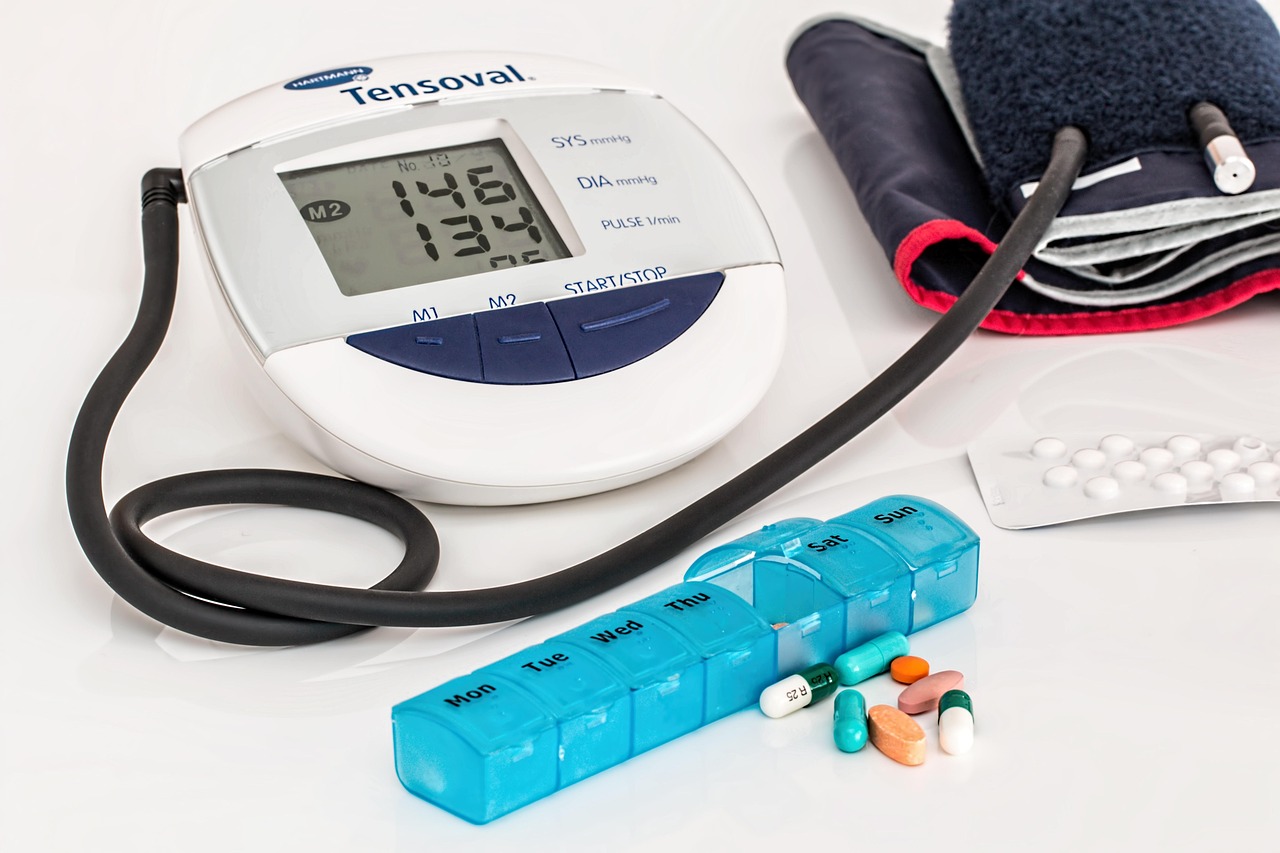
Non‑critical items only contact intact skin, such as blood pressure cuffs and stethoscope heads. These devices typically require low‑level disinfection after each use. The cleaning agents used for non‑critical items are often less harsh, allowing for faster turnaround times. However, the challenge lies in ensuring compliance with cleaning protocols, especially during high‑throughput periods. For example, a busy emergency department may need to clean and disinfect a large number of blood pressure cuffs within a short window, necessitating the use of disposable covers or rapid cleaning stations to maintain patient safety.
Cleaning solution is a detergent formulated specifically for medical device decontamination. It must be compatible with the materials of the device, possess adequate surfactant properties to break down organic matter, and be neutralised before the subsequent disinfection step to avoid inactivating the disinfectant. An example of a commonly used cleaning solution is an alkaline detergent with a pH of 9–10, which is effective at solubilising proteins and lipids. The selection of the appropriate cleaning solution is critical; using a solution that is too acidic may corrode metal components, while a solution that is too basic may damage polymeric parts.
Rinse water is used after the cleaning step to remove residual detergent and debris. The quality of rinse water is a key factor; it must be free of contaminants, preferably meeting the standards for potable water, and must be at a temperature that promotes effective removal of residues. In many NHS facilities, filtered and heated water (approximately 30–35 °C) is used to ensure that detergent residues are fully dissolved and flushed away. A practical challenge is the risk of re‑contamination if the rinse water system is not regularly maintained; biofilm formation in the water lines can introduce microorganisms back onto cleaned devices.
Neutraliser is a chemical agent used to inactivate residual disinfectant after the disinfection step, preventing it from affecting subsequent processes or causing toxicity to patients. For example, after a high‑level disinfection soak in glutaraldehyde, a neutralising solution containing glycine is employed to quench any remaining glutaraldehyde before the device is rinsed and packaged. The neutraliser must be compatible with the device materials and should not leave a residue that could interfere with the next stage. Inadequate neutralisation can lead to false failures in sterility testing or cause adverse reactions in patients.
Drying is a critical final stage for many semi‑critical devices, particularly those with narrow lumens and channels. Moisture left in these devices can serve as a growth medium for bacteria, especially when the device is stored for later use. Forced‑air drying systems, which blow filtered, heated air through the channels, are widely adopted to achieve rapid and thorough drying. An example is the use of a dedicated drying cabinet that maintains an air temperature of 50 °C and a relative humidity of less than 20 %. The main challenge in drying is ensuring that the airflow reaches all parts of the device; inadequate drying can result in “wet spots” that become sources of infection.
Packaging protects a sterilised device from re‑contamination until the point of use. Packaging materials must be impermeable to microorganisms, maintain sterility under storage conditions, and allow for appropriate sterilisation method penetration. Common packaging options include sterile pouches, wraps, and trays made of Tyvek® or medical‑grade paper. For devices that will be sterilised by steam, the packaging must allow steam penetration while preventing condensation; for low‑temperature methods, the packaging must be compatible with the chemical agents used. A practical consideration is the need for clear labeling indicating the sterilisation method, expiration date, and any special handling instructions. Inadequate packaging can lead to breaches and subsequent device recall.
Indicator strips or tapes are used to verify that a sterilisation or disinfection cycle has been successful. Biological indicators contain highly resistant spores, such as Geobacillus stearothermophilus for steam cycles, and are placed within the load to confirm that the process achieved the required SAL. Chemical indicators change colour when exposed to specific parameters (temperature, humidity, time) and provide a quick visual check. For example, a dual‑indicator system may use a colour‑changing tape that turns from orange to green after a successful hydrogen peroxide plasma cycle, supplemented by a biological indicator placed in a worst‑case location. The challenge lies in correctly placing and interpreting indicators; misinterpretation can lead to false assurance of sterility.
Validation is the documented process of establishing that a decontamination method reliably produces the intended outcome. Validation includes installation qualification (IQ), operational qualification (OQ), and performance qualification (PQ). For a washer‑disinfector, IQ confirms that the equipment is installed correctly, OQ verifies that it operates within specified parameters, and PQ demonstrates that it consistently cleans and disinfects devices under routine conditions. An example of validation is the routine quarterly challenge of a steriliser with a biological indicator placed in the most difficult-to‑sterilise part of the load. The results must be recorded, and any failure must trigger an investigation and corrective action. Maintaining validated processes is essential for regulatory compliance and patient safety.
Standard Operating Procedure (SOP) documents outline the step‑by‑step instructions for each decontamination activity. SOPs ensure consistency, provide training material, and serve as a reference for audits. A typical SOP for endoscope reprocessing will include sections on pre‑cleaning, leak testing, manual cleaning, automated disinfection, rinsing, drying, and storage. It will also specify the acceptable ranges for parameters such as detergent concentration, temperature, and exposure time. The challenge with SOPs is keeping them current; changes in equipment, guidelines, or manufacturer recommendations require timely updates to avoid deviation from best practice.
Risk assessment evaluates the potential hazards associated with the decontamination of a specific device and determines the necessary control measures. In the NHS, the risk assessment process follows the hierarchy of controls, prioritising elimination of risk, substitution, engineering controls, administrative controls, and personal protective equipment (PPE). For example, a risk assessment for a reusable laparoscopic camera may identify the risk of microbial transmission, the potential for damage to the delicate optics, and the need for a dedicated cleaning area with appropriate ventilation. Mitigation strategies could include using a low‑temperature plasma steriliser, training staff on careful handling, and implementing a routine inspection schedule.
Personal Protective Equipment (PPE) protects staff from exposure to hazardous chemicals, infectious agents, and sharp instruments during decontamination. Required PPE may include gloves, gowns, eye protection, and masks, depending on the task. For instance, when handling glutaraldehyde, staff must wear chemical‑resistant gloves and goggles to prevent skin and eye irritation. The challenge is ensuring that PPE is correctly selected, fitted, and used consistently; non‑compliance can lead to occupational injuries and cross‑contamination.
Environmental monitoring tracks the presence of microorganisms in the decontamination area to detect potential sources of contamination. Methods include surface sampling with contact plates, air sampling using settle plates or active air samplers, and water testing for microbial load. Regular monitoring helps identify trends, such as increasing colony counts on work surfaces, which may indicate lapses in cleaning protocols. An example is the weekly swabbing of the interior of a washer‑disinfector’s chamber to ensure that no biofilm is forming. When monitoring results exceed predefined limits, corrective actions such as deep cleaning or equipment maintenance are required.
Audit is a systematic review of decontamination processes, documentation, and compliance with standards. Audits can be internal, conducted by the department itself, or external, performed by regulatory bodies such as the Care Quality Commission (CQC). An audit may examine records of sterilisation cycles, indicator results, maintenance logs, and staff training files. Findings are documented, and non‑conformities are addressed through corrective action plans. A practical challenge is ensuring that audit findings lead to measurable improvements rather than becoming a paperwork exercise.
Traceability refers to the ability to track a device from receipt through processing to final use. It involves recording details such as the device model, serial number, batch number, processing cycle, and operator. Traceability is essential for recall management and for investigating infection outbreaks. For example, if a patient develops a post‑operative infection, the traceability records can pinpoint the exact instrument used, the sterilisation cycle it underwent, and any deviations that may have occurred. Implementing electronic tracking systems can streamline this process, though they require robust data security measures.
Reprocessing is the term used for the cleaning, disinfection, and sterilisation of reusable medical devices. It encompasses all steps from pre‑cleaning to final packaging. Reprocessing must be performed in accordance with manufacturer instructions, national guidelines, and institutional policies. A typical reprocessing workflow for a reusable surgical instrument includes: (1) Inspection and removal of visible debris, (2) manual cleaning with a compatible detergent, (3) ultrasonic cleaning, (4) rinsing, (5) drying, (6) packaging, (7) sterilisation, and (8) final inspection. Challenges in reprocessing include managing high volumes, ensuring consistent quality, and dealing with devices that have limited re‑use cycles due to wear or material fatigue.
Instrument inspection is performed before and after each decontamination cycle to assess the physical condition of the device. Inspection looks for signs of corrosion, wear, cracks, or broken parts that could compromise function or safety. For example, a broken hinge on a surgical scissors must be identified and the instrument removed from service before it can be used on a patient. Inspection tools may include magnifying lenses, borescopes for internal channels, and calibrated gauges for dimensional checks. The main difficulty is allocating sufficient time for thorough inspection in busy departments without causing delays in patient care.
Compatibility refers to the suitability of a decontamination method for a specific device material. Certain plastics may degrade under high temperatures, while some metals may corrode when exposed to acidic cleaning agents. Manufacturers provide compatibility charts that list approved cleaning agents, disinfectants, and sterilisation methods for each device. For instance, a polymeric catheter may be compatible with low‑temperature hydrogen peroxide plasma but not with ethylene oxide due to potential residue formation. Selecting an inappropriate method can lead to device failure, compromising patient safety and increasing costs.
Residue testing ensures that no harmful chemicals remain on a device after processing. Residue tests may involve swabbing the surface and analysing the sample with spectrophotometry or chromatography to detect traces of disinfectant or sterilant. An example is the testing for glutaraldehyde residues on reusable laryngoscope blades, where a colourimetric strip is used to confirm that the residual concentration is below the permissible limit. Failure to adequately remove residues can cause tissue irritation or allergic reactions in patients, making residue testing a vital quality assurance step.
Leak testing is performed on hollow devices such as endoscopes, catheters, and syringes to verify the integrity of their channels. A common method involves filling the lumen with air or water and monitoring for pressure loss or fluid escape. For a flexible endoscope, a pressure decay test may be used, where the device is pressurised to a set level and the pressure drop is measured over a defined period. A significant drop indicates a leak that must be repaired before the device can be safely reprocessed. Leak testing is especially important because leaks can allow contaminants to enter during cleaning and disinfection, undermining the effectiveness of the entire decontamination cycle.
Dry heat sterilisation uses high temperatures (typically 160–180 °C) for extended periods to achieve sterility. It is suitable for metal instruments that can withstand heat without degradation. The advantage of dry heat is its ability to penetrate porous materials and its lack of moisture, which can be beneficial for items that are moisture‑sensitive. A practical application is the sterilisation of glassware and certain metal implants. However, dry heat cycles are longer than steam cycles, and the high temperatures can cause oxidation or loss of sharpness on cutting instruments, requiring careful monitoring of cycle parameters.
Steam sterilisation (autoclaving) is the most widely used method in NHS facilities. It employs saturated steam under pressure to achieve rapid heat transfer and microbial kill. Standard cycles include a 121 °C exposure for 15–30 minutes or a 134 °C exposure for 3–5 minutes, depending on the load. Steam sterilisation is effective, economical, and compatible with many metal and heat‑stable polymer devices. The main challenges are ensuring that the steam penetrates all parts of the load, avoiding trapped air pockets, and validating that the cycle parameters are consistently met. Load configuration, such as proper spacing and orientation of instruments, is critical to achieving uniform sterilisation.
Ethylene oxide (EO) sterilisation is a low‑temperature chemical method used for heat‑sensitive devices, including certain polymeric catheters and electronic components. EO is a potent alkylating agent that penetrates complex devices and destroys microorganisms, including spores. The process involves exposing the load to EO gas for a defined period, followed by aeration to remove residual EO, which is toxic. An example is the sterilisation of a reusable surgical navigation system that contains delicate electronics. Challenges include the lengthy aeration phase, strict regulation of EO emissions, and the need for extensive monitoring to ensure that residual EO levels are below the permissible exposure limit.
Hydrogen peroxide plasma sterilisation uses low‑temperature vaporised hydrogen peroxide combined with an electric field to create plasma, which inactivates microorganisms. It is suitable for a variety of heat‑sensitive devices, such as flexible endoscopes, some implantable devices, and certain electronic equipment. The cycle typically lasts 30–60 minutes, including a vacuum phase, a plasma phase, and a drying phase. An advantage is the rapid turnover compared to EO, and the absence of toxic residues. However, the method can be limited by the size of the chamber and the compatibility of some plastics that may degrade under the oxidative conditions. Proper validation and routine monitoring are essential to maintain efficacy.
Peracetic acid (PAA) disinfection is a high‑level chemical disinfectant that is effective against a broad spectrum of microorganisms, including spores. It is often used in washer‑disinfector cycles for semi‑critical devices. PAA decomposes into harmless by‑products (water, oxygen, and acetic acid), making it environmentally friendly. A typical concentration is 0.2 % For a 10‑minute exposure. Practical challenges include ensuring that the concentration is accurately maintained throughout the cycle and that the disinfectant does not corrode sensitive components. Regular calibration of the dosing system and verification of residual levels on processed devices help mitigate these issues.
Glutaraldehyde is a high‑level chemical disinfectant that has been widely used for the reprocessing of flexible endoscopes. It requires a prolonged exposure time (often 20 minutes at 2 % concentration) to achieve sporicidal activity. Glutaraldehyde is toxic and can cause skin irritation, so strict safety protocols, including adequate ventilation and PPE, are mandatory. The solution also has a limited usable life, typically 14 days after opening, after which its efficacy declines. Alternatives such as ortho‑phthalaldehyde (OPA) or PAA are increasingly preferred due to lower toxicity and shorter exposure times.
Ortho‑phthalaldehyde (OPA) is another high‑level disinfectant used for semi‑critical devices. It provides rapid sporicidal activity (often 12 minutes at 0.55 % Concentration) and is less irritating than glutaraldehyde. OPA is compatible with many device materials and leaves minimal residue when properly neutralised. However, OPA can cause eye irritation and has a distinct odor, requiring proper handling. Monitoring the concentration of OPA in the disinfectant solution and validating the neutralisation step are essential components of an effective reprocessing protocol.
Ultrasonic cleaning employs high‑frequency sound waves transmitted through a cleaning solution to create microscopic cavitation bubbles that implode, generating localized high‑energy forces. These forces dislodge debris from intricate surfaces and narrow channels. Ultrasonic cleaners are commonly used as a pre‑cleaning step before manual or automated cleaning. For example, a set of small surgical instruments may be placed in an ultrasonic bath for 5 minutes at 40 °C using an alkaline detergent. The main challenge is ensuring that the ultrasonic frequency and cleaning time are appropriate for the device; excessive exposure can damage delicate components, while insufficient exposure may leave residual contamination.
Automated endoscope reprocessor (AER) is a specialised washer‑disinfector designed for flexible endoscopes. It integrates cleaning, high‑level disinfection, rinsing, and drying in a single, validated cycle. The AER typically includes separate chambers for detergent, disinfectant, and sterile water, with controlled temperature and flow rates. An example of an AER is a device that performs a 12‑minute high‑level disinfection phase using 0.55 % OPA, followed by a 10‑minute sterile rinse and a 30‑minute forced‑air drying phase. Challenges with AERs include ensuring that the device’s internal sensors remain calibrated, that the disinfectant concentration is accurately measured, and that the drying air is free of contaminants. Regular preventive maintenance and proper documentation are vital to maintain compliance.
Pre‑cleaning is the immediate step taken at the point of use to remove gross contaminants from a device before it is transported to the decontamination area. Pre‑cleaning may involve flushing lumens with a compatible detergent solution, wiping surfaces with disposable wipes, and placing the device in a protective container to prevent further contamination. For a bronchoscope, the operator may perform a bedside flush of the working channel with saline, followed by a quick wipe of the exterior with a detergent‑impregnated wipe. Effective pre‑cleaning reduces the bioburden and eases the workload on the central cleaning area, but it requires staff training and adherence to protocol to avoid cross‑contamination.
Transport of contaminated devices must be performed in a manner that prevents exposure of staff and the environment to infectious material. Devices are typically placed in sealed, labelled containers or double‑wrapped in disposable bags. The transport containers should be sturdy, leak‑proof, and clearly marked with biohazard symbols. An example is the use of a dedicated trolley with a sealed compartment for moving used endoscopes from the endoscopy suite to the reprocessing department. Challenges include maintaining the integrity of the packaging during movement and ensuring that the transport route does not intersect with high‑traffic areas, which could increase the risk of accidental exposure.
Storage of sterilised devices must preserve sterility until the point of use. Sterile storage areas should be clean, dry, and have controlled temperature and humidity. Devices are often stored in sealed pouches on designated shelves, with sufficient spacing to allow air circulation. For instance, a set of sterile surgical trays may be stored in a temperature‑controlled cabinet at 20 °C with relative humidity below 60 %. The main challenges are preventing storage area contamination, ensuring that the expiry dates are monitored, and maintaining an inventory system that tracks the location and status of each item.
Incidence reporting is the systematic documentation of any adverse events related to decontamination, such as breaches in sterility, equipment failure, or infection outbreaks. Reporting mechanisms allow for timely investigation, root‑cause analysis, and implementation of corrective actions. An example is the reporting of a sterile instrument set that was found to have a compromised seal, leading to a potential breach of sterility. The incident report would trigger a review of packaging procedures, staff retraining, and a possible recall of the affected set. Effective incidence reporting contributes to continuous improvement and patient safety.
Root‑cause analysis (RCA) is a structured method used to investigate the underlying reasons for a decontamination failure. RCA techniques include the “5 Whys,” fishbone diagrams, and fault tree analysis. By systematically probing each factor, the analysis identifies systemic issues rather than simply addressing symptoms. For example, if a steriliser consistently fails to reach the required temperature, an RCA may reveal that a faulty pressure sensor is causing premature cycle termination. The corrective action would then involve sensor replacement, recalibration, and verification of the new settings. Conducting RCA promptly after an incident helps prevent recurrence and strengthens the overall quality system.
Corrective and preventive action (CAPA) processes are instituted to address identified deficiencies and to prevent future occurrences. CAPA plans include documenting the problem, defining the corrective steps, implementing changes, and monitoring effectiveness. A typical CAPA for a recurring leak in a specific endoscope model might involve revising the inspection protocol, updating the manufacturer's maintenance schedule, and providing additional training to staff on proper handling. The effectiveness of the CAPA is evaluated through follow‑up audits and monitoring of related performance indicators. Maintaining a robust CAPA system is a regulatory requirement and a cornerstone of quality assurance.
Quality assurance (QA) encompasses all activities that ensure decontamination processes meet established standards and produce safe, effective outcomes. QA activities include routine monitoring, equipment maintenance, staff competency assessments, documentation control, and continuous improvement initiatives. An example of QA is the monthly verification of the temperature uniformity in a steam steriliser using calibrated probes placed at different points in the chamber. QA also involves reviewing audit results, tracking indicator performance, and updating SOPs in response to new evidence or guidelines. The overarching goal of QA is to provide confidence that each device is decontaminated to the required level of safety.
Competency assessment evaluates whether staff possess the knowledge, skills, and attitudes necessary to perform decontamination tasks correctly. Assessment methods may include written examinations, practical demonstrations, and observation of routine work. For example, a new technician may be required to demonstrate proper assembly of a washer‑disinfector load, correctly set cycle parameters, and interpret indicator results before being authorised to work independently. Ongoing competency checks, such as annual refresher training, help maintain high standards and adapt to changes in technology or guidelines.
Regulatory standards provide the framework for safe decontamination practices. In the UK, key documents include the “Decontamination of Medical Devices” guidance from NHS England, the “Medical Devices Regulations” (MDR), and the European standard EN 14865 for washer‑disinfector performance. Internationally, ISO 13485 outlines quality management requirements for medical device manufacturers, while ISO 14937 specifies sterilisation validation. Compliance with these standards is verified through inspections, audits, and certification processes. Failure to meet regulatory standards can result in enforcement actions, loss of accreditation, and increased risk to patients.
Microbial indicator is a term that encompasses both biological and chemical indicators used to verify the efficacy of a decontamination cycle. Biological indicators contain highly resistant spores and provide a direct measure of the process’s ability to achieve sterility. Chemical indicators, on the other hand, change colour in response to specific parameters such as temperature, humidity, or exposure time, offering a rapid visual confirmation. An example is a dual‑indicator pack that includes a colour‑changing strip for temperature verification and a biological indicator for sterility confirmation, placed together in the load. The combined use of both types of indicators enhances confidence in the process while allowing for immediate detection of failures.
Sterility Assurance Level (SAL) quantifies the probability of a single viable microorganism remaining on a device after sterilisation. The commonly accepted SAL for critical items is 10⁻⁶, meaning there is a one‑in‑one‑million chance of a surviving organism. Achieving this level requires validated processes, appropriate cycle parameters, and reliable indicator performance. For semi‑critical devices, a lower SAL may be acceptable if high‑level disinfection is employed, but the risk must be justified through risk assessment. Understanding SAL is essential for selecting appropriate decontamination methods and for communicating the level of safety to clinical staff.
Environmental cleaning refers to the routine cleaning of the decontamination area, including work surfaces, equipment exteriors, and floors. It reduces the background microbial load and prevents cross‑contamination between dirty and clean zones. Effective environmental cleaning involves using approved disinfectants, following a defined schedule, and documenting the activities. For example, a daily terminal cleaning of the washer‑disinfector’s exterior may involve wiping with a 0.5 % Chlorine solution, followed by a rinsing step with sterile water. The challenge lies in maintaining consistency, especially during periods of high workload, and ensuring that cleaning staff are trained in the specific requirements of the decontamination environment.
Cross‑contamination occurs when microorganisms are transferred from a contaminated device or surface to a clean one. This can happen during handling, transport, or storage if proper controls are not in place. A common scenario is the accidental placement of a used instrument into a sterile tray, which can compromise the entire tray’s sterility. Preventive measures include clear segregation of clean and dirty areas, use of colour‑coded containers, and strict adherence to SOPs. Monitoring for cross‑contamination involves regular environmental sampling and reviewing incident reports to identify any lapses in protocol.
Biofilm formation is the development of a structured community of microorganisms encased in a protective matrix on surfaces, particularly in moist environments such as water lines or inside washer‑disinfector chambers. Biofilms can shield bacteria from disinfectants, leading to persistent contamination. For instance, a biofilm in the detergent reservoir of a washer‑disinfector can continuously seed devices with microorganisms, undermining cleaning efficacy. Strategies to prevent biofilm include regular cleaning of water systems, use of biocidal agents, and routine flushing of the equipment with appropriate solutions. Detecting biofilm may require visual inspection, swab sampling, or the use of ATP testing to assess organic load.
ATP testing measures the presence of adenosine‑triphosphate, an indicator of residual organic material, on surfaces after cleaning. Handheld luminometers provide rapid feedback, allowing staff to verify cleaning effectiveness in real time. An example is the use of ATP swabs on the interior of a reprocessed endoscope channel; a low luminescence reading indicates successful removal of organic matter, while a high reading prompts a repeat cleaning. While ATP testing does not directly measure microbial viability, it serves as a useful surrogate for overall cleanliness. Limitations include the need for proper calibration and the potential for false‑negative results if the cleaning solution itself contains ATP‑like compounds.
Validation protocol outlines the steps required to demonstrate that a decontamination process consistently achieves its intended outcomes. The protocol includes the definition of acceptance criteria, the selection of test devices, the number of cycles to be tested, and the methods for data collection and analysis. For a new washer‑disinfector, the validation protocol may specify three cycles using biological indicators placed in the most challenging locations, with a requirement that all indicators show no growth after incubation. Documentation of the validation results, including any deviations and corrective actions, is essential for regulatory compliance and for establishing confidence in the process.
Preventive maintenance involves scheduled servicing of decontamination equipment to ensure reliable performance and to minimise unexpected breakdowns. Maintenance tasks may include calibration of temperature sensors, replacement of worn seals, cleaning of internal components, and verification of disinfectant dosing systems. For example, a quarterly maintenance schedule for a steam steriliser might include checking the pressure gauge, inspecting the door seal for integrity, and performing a leak test on the steam system. Proper maintenance reduces the risk of cycle failures, extends equipment lifespan, and supports compliance with validation requirements.
Calibration is the process of adjusting and verifying the accuracy of measurement devices used in decontamination, such as thermometers, pressure gauges, and flow meters. Calibration must be performed against traceable standards at defined intervals, typically annually or after any significant repair. An example is the calibration of a temperature probe used in a steriliser; the probe is compared to a reference thermometer within a calibrated water bath, and any deviation beyond the allowable tolerance is corrected. Accurate calibration ensures that the recorded parameters reflect the true conditions of the cycle, which is critical for meeting the required SAL.
Documentation control ensures that all records related to decontamination activities are accurate, up‑to‑date, and readily retrievable. This includes SOPs, training records, maintenance logs, validation reports, and audit findings. A controlled document management system, whether paper‑based or electronic, should provide version control, approval signatures, and retention schedules. For instance, an electronic system may automatically archive decontamination cycle logs for a minimum of five years, while restricting access to authorised personnel only. Effective documentation control facilitates traceability, supports regulatory inspections, and aids in continuous improvement initiatives.
Training program provides structured education and practical experience for staff involved in device decontamination. It covers theoretical knowledge of infection control, hands‑on demonstrations of cleaning techniques, and competency assessments. A comprehensive training program may consist of an introductory classroom session, followed by supervised practice on actual devices, and culminate in a written and practical exam. Ongoing refresher courses, updates on new guidelines, and competency re‑assessment at regular intervals ensure that staff remain proficient and adapt to evolving standards. The main challenge is balancing training time with operational demands, particularly in high‑volume settings.
Incident management is the systematic approach to handling unexpected events that could compromise patient safety, such as a steriliser failure or a breach in packaging. The process includes immediate containment, notification of relevant stakeholders, investigation, and implementation of corrective actions. For example, if a steriliser alarm indicates a temperature deviation, the incident management team would halt the cycle, assess the impact on the load, and decide whether re‑processing is required. Documentation of the incident, root‑cause analysis, and follow‑up verification are essential components of a robust incident management framework.
Supply chain management ensures that medical devices and consumables used in decontamination are sourced from reputable manufacturers, meet quality standards, and are delivered on schedule. This includes verifying that devices are supplied with appropriate documentation, such as certificates of conformity and compatibility charts. An example is the procurement of a new line of disposable endoscope caps, which requires confirmation that the material is compatible with the chosen disinfectant and that the packaging meets sterility requirements. Effective supply chain management reduces the risk of receiving defective or non‑compliant items, thereby supporting safe decontamination practices.
Patient safety is the ultimate goal of all decontamination activities. Ensuring that every device used on a patient is free from harmful microorganisms, chemical residues, and physical defects directly impacts infection rates, postoperative outcomes, and overall quality of care. A practical illustration is the reduction of surgical site infections (SSIs) observed after the implementation of a rigorous endoscope reprocessing protocol that includes enhanced drying and regular indicator monitoring. Continuous vigilance, adherence to standards, and a culture of quality are essential to protect patients and maintain public trust in healthcare services.
Continuous improvement is an ongoing effort to enhance decontamination processes, driven by data, feedback, and emerging evidence. Tools such as Plan‑Do‑Study‑Act (PDSA) cycles, performance dashboards, and staff suggestion schemes support this effort. For instance, a PDSA project might aim to reduce the turnaround time for sterilised instrument sets by streamlining the packaging workflow, measuring baseline times, implementing changes, and evaluating the results.
Key takeaways
- A common challenge is the presence of hard‑to‑reach lumens or intricate hinges where debris can remain trapped; in these cases, flushing with a compatible cleaning solution and using appropriately sized brushes are critical.
- High‑level disinfection is required for semi‑critical devices that have complex structures, such as flexible endoscopes, and uses agents capable of killing bacterial spores, often through prolonged exposure times.
- For instance, a stainless‑steel surgical instrument can be safely processed in a steam autoclave at 134 °C for 3 minutes, whereas a heat‑sensitive polymeric catheter may require low‑temperature hydrogen peroxide plasma sterilisation.
- An example of bioburden assessment is the routine monitoring of reusable surgical trays, where a mean bioburden of less than 10³ CFU is often considered acceptable before proceeding to sterilisation.
- In practice, critical devices are often supplied as single‑use items that are sterile out of the package, but reusable critical devices, like certain orthopaedic instruments, must be carefully processed in validated sterilisation cycles.
- The decontamination of semi‑critical devices often involves a multi‑step protocol: Thorough cleaning, high‑level disinfection, rinsing with sterile water, and, where required, drying to prevent microbial growth.
- For example, a busy emergency department may need to clean and disinfect a large number of blood pressure cuffs within a short window, necessitating the use of disposable covers or rapid cleaning stations to maintain patient safety.