
Safety Management Systems
Safety Management Systems are critical components of any organization that handles or works with hazardous materials, including explosives. A key term in this context is risk management, which involves identifying, assessing, and mitigating…
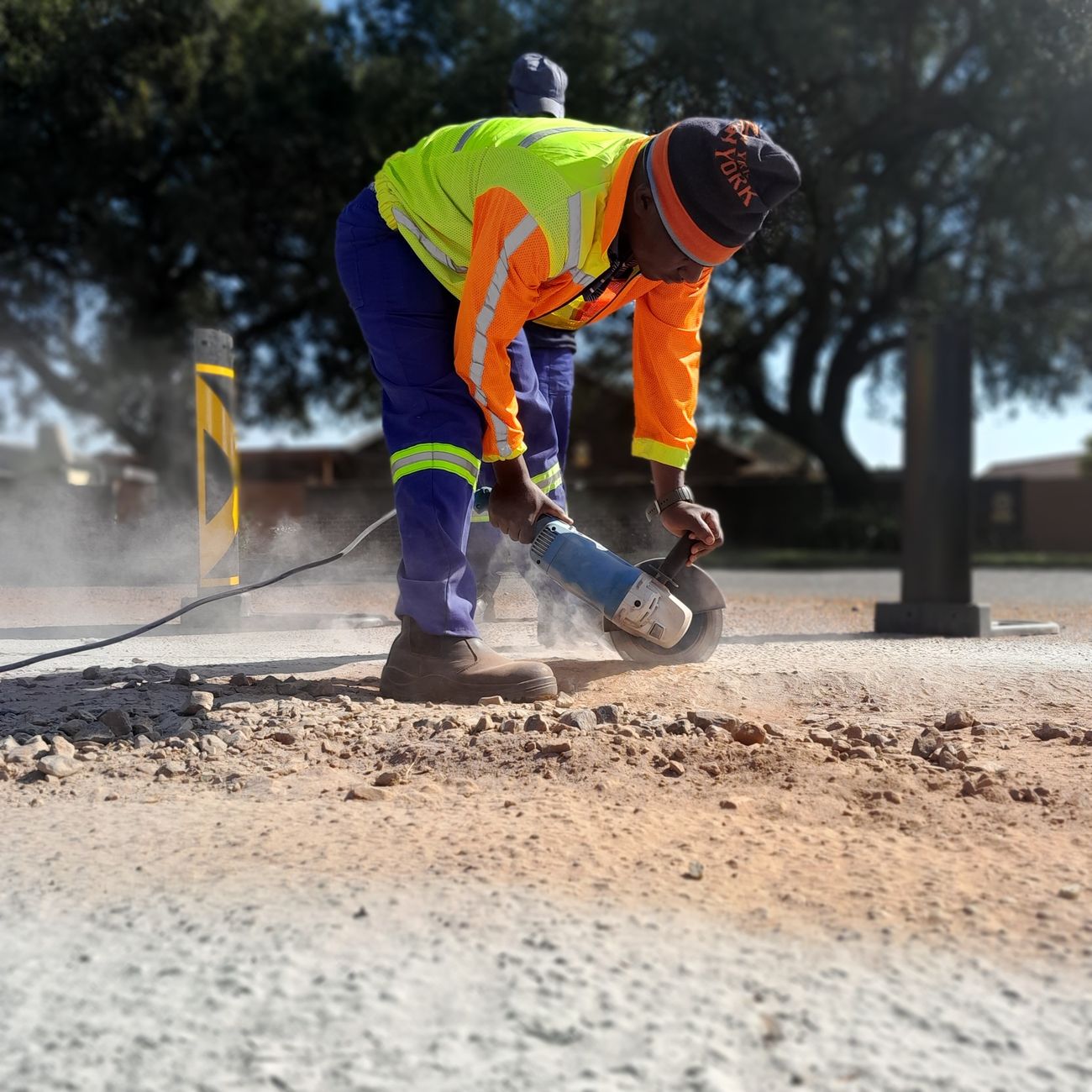
Safety Management Systems are critical components of any organization that handles or works with hazardous materials, including explosives. A key term in this context is risk management, which involves identifying, assessing, and mitigating potential hazards to prevent accidents and ensure a safe working environment. Effective safety management systems require a proactive approach, with a focus on prevention rather than reaction. This involves implementing policies, procedures, and training programs to minimize the likelihood of accidents and ensure that all personnel are aware of the potential hazards and risks associated with their work.
One of the essential components of a safety management system is hazard identification, which involves recognizing and documenting potential hazards in the workplace. This can include physical hazards such as explosive materials, chemical hazards, and environmental hazards, as well as organizational and personnel-related hazards. Once hazards have been identified, they must be assessed to determine the level of risk associated with each one. This involves evaluating the likelihood and potential consequences of each hazard, and prioritizing them based on their level of risk.
Another critical component of a safety management system is mitigation strategies, which are designed to reduce or eliminate the risks associated with identified hazards. These can include engineering controls, such as safety equipment and protective gear, as well as administrative controls, such as policies and procedures. Training programs are also essential, as they provide personnel with the knowledge and skills needed to work safely with hazardous materials and equipment. Effective mitigation strategies must be based on a thorough understanding of the hazards and risks associated with each task or activity, as well as the capabilities and limitations of the personnel involved.
The hierarchy of controls is a useful framework for evaluating and implementing mitigation strategies. This hierarchy prioritizes controls based on their level of effectiveness, with elimination of the hazard being the most preferred option, followed by substitution, engineering controls, administrative controls, and finally, personal protective equipment. By following this hierarchy, organizations can ensure that they are using the most effective and efficient controls to mitigate hazards and prevent accidents.
In addition to these components, a safety management system must also include a monitoring and review process, to ensure that the system is functioning effectively and that hazards and risks are being properly managed. This involves regularly reviewing and updating policies and procedures, as well as conducting audits and inspections to ensure compliance with safety standards and regulations. Incident reporting and investigation are also critical components of a safety management system, as they provide valuable insights into the causes of accidents and near-misses, and allow organizations to identify areas for improvement.
The root cause analysis is a useful tool for investigating incidents and identifying the underlying causes of accidents and near-misses. This involves gathering and analyzing data, as well as conducting interviews and observations, to identify the factors that contributed to the incident. By identifying the root cause of an incident, organizations can develop targeted corrective actions to prevent similar incidents from occurring in the future.
Effective safety management systems also require a strong culture of safety, which is supported by leadership and communication. This involves creating an environment in which personnel feel encouraged and empowered to report hazards and near-misses, and to participate in safety-related activities and decision-making. Accountability is also essential, as it ensures that personnel are held responsible for their actions and for following safety procedures and protocols.
The management of change is another critical component of a safety management system, as it involves identifying and mitigating the risks associated with changes to the workplace, personnel, or equipment. This can include changes to processes or procedures, as well as the introduction of new equipment or technology. By managing change effectively, organizations can minimize the risks associated with these changes and prevent accidents and injuries.
Continuous improvement is also essential for a safety management system, as it involves regularly reviewing and updating policies and procedures to ensure that they remain effective and relevant. This can include conducting regular audits and inspections, as well as soliciting feedback from personnel and other stakeholders. By continually improving the safety management system, organizations can ensure that they are providing a safe and healthy work environment for all personnel.
The regulatory framework is also an important consideration for safety management systems, as it provides a set of standards and guidelines for managing hazards and risks. This can include laws and regulations, as well as industry standards and best practices. By complying with relevant regulations and standards, organizations can ensure that they are meeting their legal and moral obligations to provide a safe work environment.
In terms of practical applications, safety management systems can be used in a variety of contexts, including construction, manufacturing, and mining operations. They can also be used in the military and emergency response sectors, where the risks and hazards are particularly high. By implementing a safety management system, organizations can reduce the likelihood of accidents and injuries, and minimize the risks associated with their operations.
One of the challenges of implementing a safety management system is resistance to change, as personnel may be reluctant to adopt new policies and procedures. This can be overcome by providing training and support, as well as by communicating the benefits of the safety management system to all personnel. Another challenge is resource constraints, as implementing a safety management system can require significant resources and investment. This can be overcome by prioritizing safety and making it a core value of the organization.
In addition to these challenges, safety management systems must also address the issue of compliance, as organizations must comply with relevant laws and regulations. This can be achieved by conducting regular audits and inspections, as well as by maintaining accurate and up-to-date records. By ensuring compliance with relevant regulations and standards, organizations can minimize the risks associated with non-compliance, and maintain a positive reputation and public image.
The benefits of a safety management system are numerous, and include reduced injuries and illnesses, as well as improved productivity and efficiency. They can also include cost savings, as well as improved morale and job satisfaction. By implementing a safety management system, organizations can create a positive and supportive work environment, and demonstrate their commitment to the safety and well-being of their personnel.
In terms of tools and techniques, safety management systems can utilize a variety of methods, including hazard identification and risk assessment, as well as incident reporting and investigation. They can also use audits and inspections, as well as training and communication programs. By using these tools and techniques, organizations can ensure that their safety management system is effective and efficient, and that it is providing a safe and healthy work environment for all personnel.
The future of safety management systems is likely to involve increased use of technology, such as predictive analytics and artificial intelligence. This can help organizations to better identify and mitigate hazards and risks, and to improve the overall effectiveness of their safety management system. It can also involve increased collaboration and information sharing, as organizations work together to share best practices and lessons learned.
In addition to these trends, safety management systems must also address the issue of sustainability, as organizations seek to minimize their impact on the environment and to promote social responsibility. This can involve implementing green technologies and practices, as well as promoting diversity and inclusion in the workplace. By prioritizing sustainability and social responsibility, organizations can create a positive and supportive work environment, and demonstrate their commitment to the well-being of their personnel and the community.
The implementation of a safety management system can be a complex and challenging process, and requires careful planning and execution. It involves identifying and mitigating hazards and risks, as well as developing and implementing policies and procedures. It also requires training and communication programs, as well as regular audits and inspections. By following a structured approach to implementation, organizations can ensure that their safety management system is effective and efficient, and that it is providing a safe and healthy work environment for all personnel.
In terms of best practices, safety management systems can learn from the experiences of other organizations, and can adopt proven methods and techniques. This can include benchmarking and comparison with other organizations, as well as research and development of new methods and technologies. By adopting best practices and staying up-to-date with the latest developments and trends, organizations can ensure that their safety management system is always improving and evolving.
The role of leadership is critical in the implementation and maintenance of a safety management system, as leaders must provide support and resources for the system. They must also communicate the importance of safety to all personnel, and must lead by example. By demonstrating a commitment to safety and well-being, leaders can create a positive and supportive work environment, and can promote a culture of safety throughout the organization.
In addition to these factors, safety management systems must also address the issue of change management, as organizations must be able to adapt to changing circumstances and conditions. This can involve training and communication programs, as well as planning and preparedness for potential hazards and risks. By being able to manage change effectively, organizations can minimize the risks associated with change, and can ensure that their safety management system remains effective and efficient.
The importance of safety management systems cannot be overstated, as they provide a critical framework for managing hazards and risks in the workplace. They can help organizations to reduce
In terms of case studies, safety management systems can learn from the experiences of other organizations, and can adopt proven methods and techniques. For example, the aviation industry has a strong safety culture, and has implemented a variety of safety management systems and protocols to minimize the risks associated with air travel. Similarly, the healthcare industry has implemented safety management systems to reduce the risks associated with medical errors and patient harm. By studying these examples and learning from the experiences of other organizations, safety management systems can improve their effectiveness and efficiency.
The challenges of implementing a safety management system can be significant, and can include resistance to change, as well as resource constraints. However, by prioritizing safety and providing support and resources for the system, organizations can overcome these challenges and create a safe and healthy work environment. It is also important to monitor and review the safety management system regularly, to ensure that it is functioning effectively and that hazards and risks are being properly managed.
In addition to these factors, safety management systems must also address the issue of incident reporting and investigation, as this provides valuable insights into the causes of accidents and near-misses. By investigating incidents and identifying the root causes, organizations can develop targeted corrective actions to prevent similar incidents from occurring in the future. This can involve training and communication programs, as well as changes to policies and procedures.
The effectiveness of a safety management system can be measured in a variety of ways, including incident rates and injury statistics. It can also be measured by audits and inspections, as well as feedback from personnel and other stakeholders. By regularly evaluating and improving the safety management system, organizations can ensure that it is providing a safe and healthy work environment, and that it is minimizing the risks associated with their operations.
In terms of technology, safety management systems can utilize a variety of tools and techniques, including software and hardware solutions. This can include incident reporting and investigation software, as well as training and communication platforms. By leveraging technology, organizations can improve the effectiveness and efficiency of their safety management system, and can reduce the risks associated with their operations.
The future of safety management systems is likely to involve increased use of artificial intelligence and machine learning, as well as predictive analytics and data science. This can help organizations to better identify and mitigate hazards and risks, and to improve the overall effectiveness of their safety management system. It can also involve increased collaboration and information sharing, as organizations work together to share best practices and lessons learned.
In addition to these trends, safety management systems must also address the issue of culture and behavior, as a strong safety culture is critical to the effectiveness of the system. This can involve training and communication programs, as well as leadership and accountability. By promoting a culture of safety and responsibility, organizations can create a safe and healthy work environment, and can minimize the risks associated with their operations.
The importance of safety management systems cannot be overstated, as they provide a critical framework for managing hazards and risks in the workplace. They can help organizations to reduce
Key takeaways
- This involves implementing policies, procedures, and training programs to minimize the likelihood of accidents and ensure that all personnel are aware of the potential hazards and risks associated with their work.
- One of the essential components of a safety management system is hazard identification, which involves recognizing and documenting potential hazards in the workplace.
- Effective mitigation strategies must be based on a thorough understanding of the hazards and risks associated with each task or activity, as well as the capabilities and limitations of the personnel involved.
- By following this hierarchy, organizations can ensure that they are using the most effective and efficient controls to mitigate hazards and prevent accidents.
- In addition to these components, a safety management system must also include a monitoring and review process, to ensure that the system is functioning effectively and that hazards and risks are being properly managed.
- By identifying the root cause of an incident, organizations can develop targeted corrective actions to prevent similar incidents from occurring in the future.
- This involves creating an environment in which personnel feel encouraged and empowered to report hazards and near-misses, and to participate in safety-related activities and decision-making.