
Ship Brokerage And Agency
Charter Party is the foundational contract in ship brokerage, defining the rights and obligations of the shipowner and the charterer. It specifies the type of charter, the freight rate, the cargo description, loading and discharging ports, …
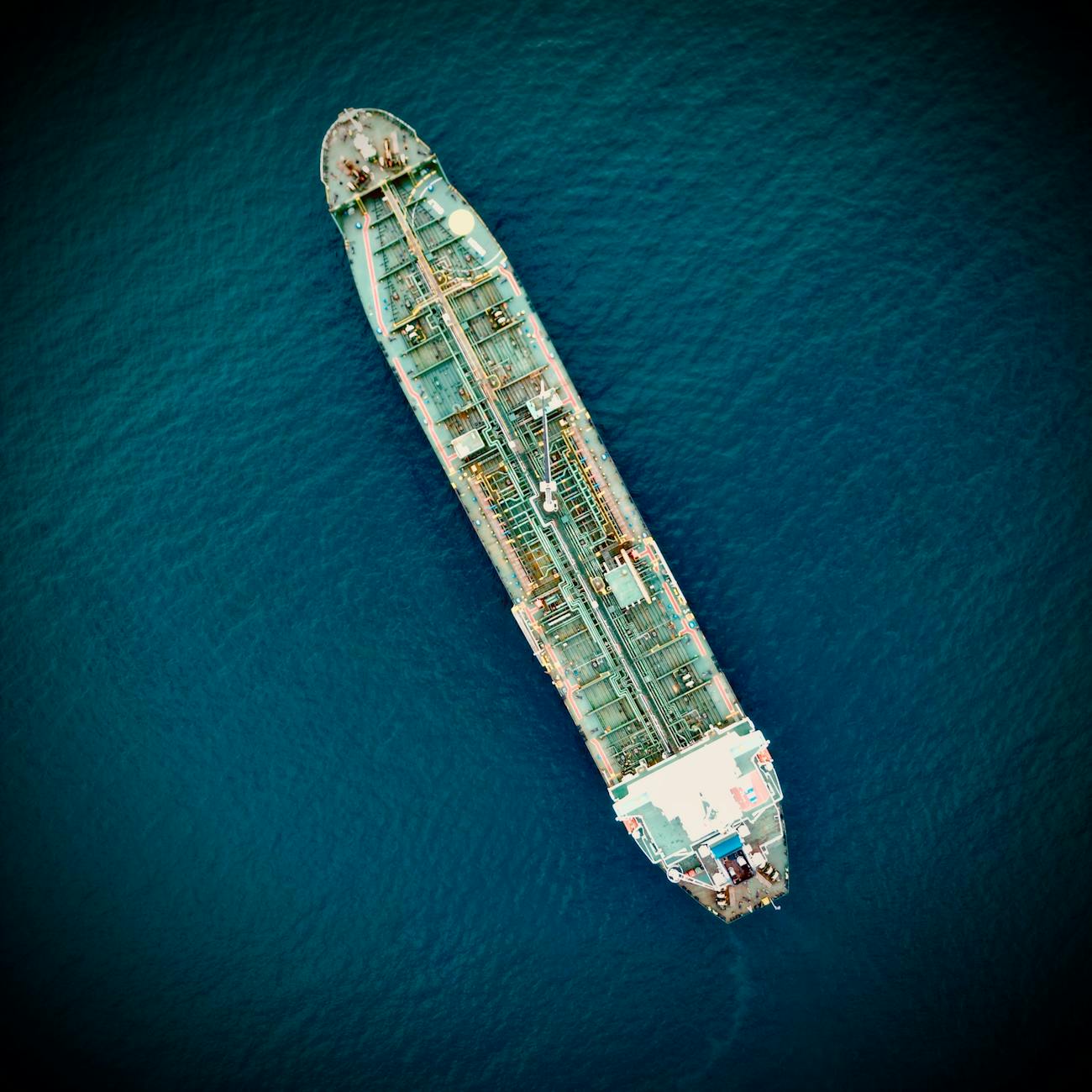
Charter Party is the foundational contract in ship brokerage, defining the rights and obligations of the shipowner and the charterer. It specifies the type of charter, the freight rate, the cargo description, loading and discharging ports, and the conditions for performance. For example, a voyage charter party may state that the vessel will carry 30,000 tonnes of iron ore from Brazil to China for a lump‑sum freight of US$18 000 per day. The broker’s role is to negotiate the terms, ensure clarity on laytime, and mitigate the risk of disputes.
Voyage Charter is a contract where the charterer hires the vessel for a single voyage, paying freight on a per‑tonnage basis. The shipowner retains responsibility for crewing, fuel, and voyage expenses, while the charterer focuses on cargo procurement and market risk. Practical application includes a grain trader contracting a vessel to transport wheat from the United States to the United Kingdom. A common challenge is the calculation of demurrage when loading or unloading exceeds the agreed laytime, which can erode profit margins if not properly managed.
Time Charter transfers the vessel’s operating costs, except fuel, crew wages, and port charges, to the charterer for a specified period. The charterer directs the vessel’s commercial employment, selecting cargoes and routes. An example is a shipping company chartering a bulk carrier for 18 months to service multiple routes in the Atlantic. The broker must balance the charter rate against market volatility, ensuring the time charter is competitive while protecting the shipowner’s earnings.
Bareboat Charter, also known as a demise charter, gives the charterer full control of the vessel, including crewing, maintenance, and insurance, for a fixed period. The charterer operates the ship as if it were its own, bearing all operational risks. A practical scenario is a logistics firm leasing a tanker for a multi‑year period to secure a stable supply chain for oil. The challenge lies in the charterer’s ability to manage crew competence and regulatory compliance, which can affect the vessel’s reputation and future charter opportunities.
Freight is the payment made by the charterer to the shipowner for the transportation of cargo. It can be expressed as a lump‑sum amount, a per‑tonne rate, or a daily hire. For a voyage charter, freight is typically negotiated on a per‑ton basis, such as US$12 per tonne of coal. In a time charter, freight is represented by the daily hire, for instance US$15 000 per day. Accurate freight calculation is essential for profitability; mis‑pricing can lead to under‑recovery of costs or loss of market share.
Deadfreight arises when the charterer fails to provide the agreed cargo quantity, obliging the shipowner to receive compensation for the unused capacity. For example, if a charterer contracts for 20 000 tonnes of grain but only loads 15 000 tonnes, the owner may claim deadfreight on the shortfall. The broker must anticipate such scenarios and include protective clauses to safeguard the owner’s revenue.
Laytime is the period allowed for loading and discharging cargo without incurring additional charges. It is expressed in hours or days and is a critical component of the charter party. A common clause might allocate 48 hours for loading and 36 hours for discharging. If the actual time exceeds these limits, demurrage is payable. The broker’s skill lies in negotiating realistic laytime based on port efficiency, cargo handling equipment, and weather conditions.
Demurrage is the penalty payable to the shipowner when the charterer exceeds the agreed laytime. It compensates for the vessel’s idle time and lost earning potential. For instance, a demurrage rate of US$5 000 per day may be stipulated for each day of delay beyond laytime. The broker must ensure the demurrage rate reflects market standards and that the charterer is aware of the financial impact of delays.
Detention refers to charges incurred when the vessel is held beyond the agreed discharge period, often due to customs clearance or port congestion. Unlike demurrage, which relates to cargo handling, detention focuses on the vessel’s overall presence in port. An example is a ship waiting an additional 24 hours for import permits, attracting a detention fee of US$2 000 per day. Effective communication between the broker, agent, and charterer can mitigate detention risks.
Off‑Hire Clause defines circumstances under which the vessel is considered unavailable for service, suspending the charterer’s payment obligations. Typical triggers include engine failure, crew strikes, or damage that renders the ship unseaworthy. For example, if a bulk carrier suffers a hull breach and must undergo repairs, the off‑hire clause may activate, pausing the daily hire until the vessel returns to service. Brokers must negotiate clear off‑hire conditions to protect both parties from unforeseen interruptions.
Performance Bond is a guarantee, usually issued by a bank, ensuring the shipowner fulfills the charter party obligations. It provides financial security to the charterer in case of non‑performance. The bond amount often equals a percentage of the contract value, such as 10 % of the freight. In practice, the broker arranges the bond, verifying the shipowner’s creditworthiness and ensuring the terms align with the charter party.
Lay‑by Clause permits the charterer to defer the commencement of the charter for a specified period, usually to secure cargo or align with market conditions. It may include a fee for the option to delay. For instance, a charterer may negotiate a 30‑day lay‑by to await the arrival of a cargo shipment. The broker must balance the flexibility offered by lay‑by against the potential loss of earnings for the shipowner.
Fixture is the act of finalising a charter agreement between shipowner and charterer, typically facilitated by a broker. The fixture note records the essential terms: Vessel name, cargo description, loading and discharging ports, freight rate, and laytime. Once signed, the fixture becomes legally binding. The broker’s expertise ensures that the fixture accurately reflects the negotiated terms, reducing the likelihood of disputes.
Brokerage Fee is the commission earned by the shipbroker for services rendered in arranging the charter. It is usually a percentage of the freight or hire, commonly ranging from 1 % to 3 % for voyage charters and 0.5 % To 1 % for time charters. The fee may be payable by the shipowner, the charterer, or split between both parties. Transparent fee structures build trust and facilitate smoother negotiations.
Agency in the maritime context refers to the representation of shipowners or charterers at ports, handling administrative, operational, and regulatory matters. A ship’s agent coordinates with port authorities, stevedores, and customs officials to ensure efficient turnaround. The broker often works closely with agents to align charter requirements with port capabilities, especially when negotiating laytime and demurrage provisions.
Port Agent is a local representative appointed by the shipowner to manage the vessel’s affairs while in port. Responsibilities include arranging pilots, tugs, berth reservations, and securing necessary documentation. For example, a port agent in Singapore may coordinate the loading of coal onto a bulk carrier, ensuring compliance with local regulations. Challenges for agents include handling congestion, customs delays, and unexpected cargo changes.
Liner Agent works on behalf of shipping lines, managing the commercial and operational aspects of scheduled services. The agent’s duties encompass passenger handling, cargo booking, and coordination of port services for liner vessels. In a liner operation, the agent must synchronise vessel schedules with port capacity to maintain reliability. Brokers may liaise with liner agents to secure space for cargoes on scheduled services.
Freight Forwarder acts as an intermediary between shippers and carriers, organising the transportation of goods across multiple modes. While not a shipbroker, the freight forwarder often collaborates with brokers to secure vessel space for large consignments. For instance, a forwarder may contract a bulk carrier through a broker to move a steel shipment from South Korea to the United States. Understanding the forwarder’s requirements helps the broker tailor charter proposals.
Shipowner is the legal proprietor of the vessel, responsible for its maintenance, registration, and compliance with maritime regulations. The shipowner may operate the vessel directly or through a management company. In charter negotiations, the shipowner’s primary concern is maximising vessel utilisation while minimising operational risk. The broker assists by identifying suitable charter opportunities and negotiating favourable terms.
Charterer is the party that hires the vessel, either for a single voyage or a defined period. The charterer may be a commodity trader, a shipping line, or an industrial company requiring dedicated transport. The charterer’s objectives include securing reliable cargo movement, controlling freight costs, and mitigating market exposure. Effective communication with the broker ensures that the charter aligns with the charterer’s logistical strategy.
Ship Management Company provides technical and crew management services on behalf of the shipowner. It handles vessel maintenance, crew recruitment, and regulatory compliance. When a broker prepares a charter proposal, the management company may supply operational data such as fuel consumption, speed, and draft limitations. Collaboration between broker and management company enhances the accuracy of charter offers.
Deadweight Tonnage (DWT) measures the total weight a vessel can safely carry, including cargo, fuel, provisions, and crew. It is a key specification in charter negotiations, as it determines the cargo capacity available for the charterer. For example, a vessel with a DWT of 70 000 tonnes can transport up to that amount of bulk cargo, subject to draft restrictions at the ports of call. Brokers must verify DWT against cargo volume to avoid over‑booking.
Gross Tonnage (GT) is a measure of the vessel’s internal volume, used for regulatory purposes such as port fees and safety regulations. While not directly tied to cargo capacity, GT influences the cost structure of a voyage. A higher GT may result in higher port dues, which the broker must factor into the overall freight calculation.
Net Tonnage (NT) reflects the volume of cargo‑bearing spaces, excluding areas such as engine rooms and crew accommodations. It is used to assess the earning potential of a vessel, especially in liner services where space utilisation is critical. Understanding NT helps brokers position vessels competitively in markets where cargo volume rather than weight is the primary constraint.
Draft is the vertical distance between the waterline and the keel of the vessel. Draft restrictions at ports dictate the maximum loading permissible. For instance, a port with a maximum draft of 12 metres will limit the amount of cargo that can be loaded onto a vessel with a design draft of 13 metres. The broker must consider draft limitations when negotiating cargo quantities and routes.
Free‑board is the distance from the waterline to the deck level, influencing vessel stability and cargo safety. While not a contractual term, free‑board considerations affect cargo stowage plans and may impact insurance premiums. Brokers should be aware of free‑board specifications when advising charterers on cargo distribution.
Ballast refers to water taken into the vessel’s ballast tanks to maintain stability when not fully laden. Ballast operations are subject to environmental regulations, such as the IMO Ballast Water Management Convention. The broker must ensure that charter parties include provisions for compliant ballast handling, as non‑compliance can lead to fines and operational delays.
Lay‑can is a clause that allows the charterer to cancel the charter without penalty if the vessel is not ready for loading within a specified time frame. This protects the charterer from delays caused by shipyard repairs or crew shortages. For example, a lay‑can period of 48 hours may be inserted, after which the charterer may terminate the agreement. Brokers must balance lay‑can protection with the shipowner’s need for certainty.
Turn‑around Time encompasses the total time a vessel spends in port, from arrival to departure, including loading, discharging, and ancillary operations. Efficient turn‑around is crucial for maximising vessel utilisation and reducing idle costs. Brokers often use historical turn‑around data to negotiate realistic laytime and demurrage terms.
Ship‑to‑Ship (STS) Transfer is the process of moving cargo between vessels at sea, typically for oil or liquefied gas. STS operations require specialised equipment and compliance with safety and environmental regulations. Brokers may facilitate STS charters, ensuring that both vessels have compatible fittings and that the charter party addresses liability and insurance coverage for the transfer.
Incoterms are internationally recognised trade terms that define the responsibilities of buyers and sellers in the delivery of goods. While Incoterms primarily govern land‑based logistics, they intersect with maritime contracts when determining who bears freight, insurance, and risk. A broker must align charter party provisions with the Incoterms used in the underlying sales contract to avoid contradictions.
Letter of Credit (LC) is a financial instrument issued by a bank guaranteeing payment to the shipowner upon presentation of compliant shipping documents. LCs are common in commodity trades where the charterer seeks assurance of cargo delivery before payment. Brokers should be familiar with LC terms, such as documentary requirements and expiry dates, as they affect the timing of freight receipt.
Bill of Lading (B/L) is the legal document issued by the carrier, evidencing receipt of cargo, its carriage, and title transfer. It serves as a contract of carriage, a receipt, and a document of title. In a charter context, the B/L may be issued to the charterer or the cargo owner, depending on the agreement. Brokers must ensure that B/L clauses align with the charter party, especially regarding freight payment and cargo claims.
General Average (GA) is a principle where all parties share the cost of sacrificing part of the cargo or vessel to save the whole in an emergency. When GA is declared, the shipowner may request a General Average guarantee from the charterer before releasing cargo. Brokers play a role in explaining GA implications and facilitating the collection of contributions.
Hague‑Visby Rules govern the carriage of goods by sea, setting minimum standards for carrier liability. These rules influence charter party drafting, particularly in clauses related to cargo damage and limitation of liability. A broker must be aware of the jurisdictional application of the Hague‑Visby Rules to advise on appropriate risk allocation.
Carriage of Goods by Sea Act (COGSA) is the United States statute that codifies the responsibilities of carriers and shippers. When a vessel operates to U.S. Ports, COGSA provisions may apply, affecting liability limits and documentation requirements. Brokers should incorporate COGSA considerations into charter parties involving U.S. Trade routes.
Marine Insurance protects against loss or damage to the vessel, cargo, and liabilities arising from maritime operations. Policies include Hull & Machinery (H&M) insurance for the vessel, Protection & Indemnity (P&I) for third‑party liabilities, and Cargo Insurance for the goods. Brokers often coordinate with insurers to verify coverage levels that match charter party risks.
P&I Club is a mutual insurance association that provides liability coverage for shipowners, including oil pollution, crew injury, and cargo claims. Membership in a P&I Club is essential for compliance with international regulations. Brokers may advise shipowners on P&I requirements when negotiating charter terms that involve high‑risk cargoes.
Oil Pollution Liability (OPL) arises when a vessel discharges oil into the marine environment, leading to cleanup costs and fines. International conventions such as MARPOL Annex I set limits on OPL, and many charter parties include OPL indemnities. Brokers must ensure that the charter party reflects the appropriate OPL limits and that the shipowner’s insurance aligns with those limits.
Environmental Compliance encompasses adherence to regulations on emissions, ballast water, and waste management. The IMO’s IMO 2020 sulfur cap, for example, limits sulphur content in fuel to 0.5 % Globally. Brokers need to verify that vessels meet these standards, as non‑compliance can result in detention, fines, or charter cancellation.
Flag State is the country under whose laws a vessel is registered. The flag state determines the regulatory regime governing the vessel, including safety inspections and crew qualifications. Brokers must be aware of flag‑state requirements, especially when arranging charters to ports with strict entry protocols.
Port State Control (PSC) inspections are conducted by the authorities of the port where the vessel calls, to verify compliance with international conventions. PSC detentions can cause significant delays and demurrage. Brokers mitigate this risk by ensuring vessels have up‑to‑date certificates and by selecting ports with favourable PSC records.
Ship‑to‑Shore Communication refers to the exchange of operational data between the vessel and on‑shore management, often via satellite or radio. Accurate communication supports timely decision‑making on cargo loading, route planning, and weather avoidance. Brokers may rely on ship‑to‑shore updates to advise charterers on expected arrival times and potential delays.
Weather Routing is the practice of planning a vessel’s course to avoid adverse weather, optimise fuel consumption, and meet schedule commitments. Modern routing services use satellite data and predictive models. Brokers incorporate weather routing considerations when setting freight rates, as adverse weather can affect voyage duration and fuel costs.
Fuel Surcharge is an additional charge applied to freight or hire to compensate for fluctuations in bunker fuel prices. The surcharge may be expressed as a percentage of freight or as a fixed amount per tonne of cargo. For example, a 10 % fuel surcharge might be added to the freight when the price of marine diesel exceeds a benchmark level. Brokers negotiate surcharge mechanisms to protect the shipowner’s profit margins while keeping the charterer’s costs transparent.
Bunker Clause in a charter party outlines the responsibilities for fuel provision, including the type, quantity, and price of bunker fuel. In a time charter, the charterer typically supplies bunkers at prevailing market rates, while in a voyage charter, the shipowner may provide fuel and recover the cost from the charterer. Accurate bunker clauses prevent disputes over fuel quality and quantity.
Demurrage Rate is the agreed amount payable per day (or per hour) for exceeding laytime. Market conditions, vessel type, and cargo nature influence the rate. A high‑value cargo may command a lower demurrage rate to encourage swift handling, whereas a low‑value bulk cargo may tolerate a higher rate. Brokers must benchmark demurrage rates against prevailing market data to remain competitive.
Notice of Readiness (NOR) is a formal declaration by the ship’s master that the vessel has arrived, is at berth, and is ready to load or discharge cargo. The NOR triggers the start of laytime under many charter parties. If the NOR is premature or disputed, the charterer may contest the commencement of laytime, leading to potential demurrage claims. Brokers advise shipowners on proper NOR procedures to avoid such disputes.
Pre‑Admiralty Clause allows the charterer to sue the shipowner in the charterer’s jurisdiction, bypassing the traditional Admiralty jurisdiction. This clause is often included to provide a more convenient legal forum for the charterer. Brokers must understand the implications of a pre‑admiralty clause, as it may affect the enforceability of charter party provisions in different jurisdictions.
Force Majeure covers unforeseen events beyond the control of either party, such as war, natural disasters, or strikes, which prevent performance of contractual obligations. The clause typically suspends or terminates the charter party without liability. Brokers must craft force majeure language that is sufficiently broad to protect both parties, yet specific enough to avoid abuse.
Arbitration Clause designates arbitration as the method for resolving disputes arising from the charter party. It specifies the arbitration institution, seat of arbitration, and applicable rules. For example, parties may agree to arbitration under the London Maritime Arbitrators Association (LMAA) in London. Brokers ensure that arbitration clauses are clear, as they affect the speed and cost of dispute resolution.
Governing Law identifies the legal system that will interpret the charter party. Common choices include English law, New York law, or the law of the shipowner’s flag state. The selection influences the interpretation of terms, the enforceability of clauses, and the availability of remedies. Brokers must consider the parties’ preferences and the jurisdiction’s commercial friendliness when advising on governing law.
Charter Party Addendum is an amendment to the original charter party, used to modify terms such as freight, laytime, or cargo specifications after the fixture has been signed. Addenda are common when market conditions change or when unforeseen circumstances arise. Brokers coordinate the drafting and execution of addenda to ensure that all parties acknowledge and accept the revised terms.
Contract of Affreightment is a longer‑term agreement where a shipowner commits to providing a series of voyages for a charterer over a set period, often for a specific cargo type. Unlike a time charter, the shipowner retains operational control, while the charterer secures a reliable supply chain. Brokers facilitate these contracts by matching shipowners with charterers seeking volume commitments.
Freight Rate Index tracks the prevailing market rates for various vessel types and cargoes, providing a benchmark for negotiating freight. Indices such as the Baltic Dry Index (BDI) or the Shanghai Containerized Freight Index (SCFI) are widely referenced. Brokers monitor these indices to advise clients on timing charter negotiations, aiming to lock in favourable rates before market shifts.
Charter Rate Forecast involves projecting future freight rates based on historical data, macro‑economic indicators, and supply‑demand dynamics. Accurate forecasts enable charterers to plan budgets and shipowners to optimise fleet deployment. Brokers use forecasting tools to present clients with scenarios, highlighting potential risks and opportunities.
Voyage Estimation is the calculation of expected voyage costs, including fuel consumption, port charges, canal fees, and demurrage. This estimation informs the freight offer and helps both parties assess profitability. For instance, a broker may estimate a voyage from the Gulf of Mexico to Europe, accounting for the Suez Canal tolls and fuel consumption at 20 tons per day. Accurate estimation reduces the likelihood of cost overruns.
Charter Party Template provides a standardized structure for drafting charter agreements, incorporating commonly accepted clauses and legal language. Templates streamline the chartering process, ensuring consistency and compliance with industry standards. However, brokers must customise templates to reflect the specific details of each transaction, avoiding a one‑size‑fits‑all approach.
Negotiation Strategy for brokers involves balancing the shipowner’s desire for higher rates with the charterer’s need for cost certainty. Effective strategies include market research, highlighting vessel performance, offering flexible laytime, and proposing value‑added services such as crew training or advanced navigation systems. Brokers also use leverage, such as a limited vessel availability, to secure better terms.
Risk Management in ship brokerage encompasses identifying, assessing, and mitigating risks associated with chartering. Key risk categories include operational risk (e.G., Vessel breakdown), market risk (e.G., Freight rate volatility), legal risk (e.G., Jurisdictional disputes), and regulatory risk (e.G., Environmental compliance). Brokers develop risk mitigation plans, such as securing performance bonds, incorporating off‑hire clauses, and maintaining up‑to‑date insurance coverage.
Compliance Documentation includes certificates of seaworthiness, classification society reports, crew man‑ifests, and environmental permits. Failure to present proper documentation can result in port denial, detention, or fines. Brokers coordinate with ship owners and agents to ensure that all required documents are prepared and valid before the vessel departs for a chartered voyage.
Cargo Handling Equipment such as cranes, conveyors, and pipelines, directly influences loading and discharging efficiency. A vessel’s design may limit the type of equipment it can use; for example, a vessel with a limited crane capacity may be unsuitable for heavy cargoes. Brokers assess equipment compatibility when matching vessels to cargoes, advising charterers on realistic laytime expectations.
Stowage Plan outlines how cargo will be arranged within the vessel’s holds, considering factors like weight distribution, cargo compatibility, and ventilation. An optimal stowage plan reduces the risk of cargo damage and improves stability. Brokers may collaborate with naval architects or cargo planners to develop stowage plans that meet charterer specifications and regulatory requirements.
Port Congestion occurs when the demand for berths exceeds the available capacity, leading to delays. Congestion can increase demurrage costs and disrupt supply chains. Brokers monitor congestion reports, especially in major hubs like Rotterdam or Shanghai, and may advise charterers to select alternative ports or adjust laytime provisions to account for expected delays.
Customs Clearance is the process of obtaining permission from customs authorities to import or export cargo. Delays in clearance can extend a vessel’s stay in port, incurring detention charges. Brokers work with agents to expedite documentation, such as commercial invoices, certificates of origin, and sanitary permits, minimizing the risk of customs‑related delays.
Laytime Calculation can be performed using either the “working days” method (excluding weekends and holidays) or the “running days” method (including all calendar days). The choice impacts the amount of time counted towards laytime and consequently demurrage. Brokers must clarify the method in the charter party and ensure both parties understand its implications.
Performance Monitoring involves tracking vessel speed, fuel consumption, and adherence to the schedule throughout the charter period. Real‑time data enables brokers to identify deviations early and take corrective action, such as adjusting the route or negotiating extensions. Performance monitoring also provides valuable feedback for future charter negotiations.
Freight Payment Terms define when and how the charterer must pay the freight. Common structures include payment on receipt of bill of lading, payment upon delivery of cargo, or payment after a specified number of days post‑delivery. Brokers negotiate terms that align cash flow needs of the shipowner with the charterer’s financial processes.
Payment Security mechanisms, such as letters of credit, bank guarantees, or escrow accounts, protect the shipowner against non‑payment. In high‑risk markets, brokers may recommend stronger security arrangements to mitigate credit exposure. Understanding the creditworthiness of charterers and the reliability of payment instruments is essential for safeguarding revenue.
Charter Party Termination may occur due to breach, mutual agreement, or the operation of a termination clause triggered by specific events (e.G., Failure to meet laytime). Termination can result in claims for damages, loss of profit, or compensation for costs incurred. Brokers must advise clients on the legal consequences of termination and on strategies to avoid premature contract dissolution.
Legal Precedent refers to previous court decisions that influence the interpretation of charter party clauses. Familiarity with landmark cases, such as The “Korea” (1991) on demurrage calculations, helps brokers anticipate how courts may rule on disputed terms. Incorporating lessons from precedent into charter drafting reduces the likelihood of adverse judgments.
Insurance Claim Process involves notifying the insurer, providing documentation, and cooperating with loss adjusters. In the event of cargo damage, the broker may assist the charterer in preparing a claim, ensuring that the required evidence, such as survey reports and photographs, is available. Prompt claim handling minimizes settlement time and preserves business relationships.
Operational Flexibility is the ability of a vessel to adapt to changing market conditions, such as shifting cargo types or routes. Vessels equipped with versatile cargo handling systems, like adjustable cargo holds, offer greater flexibility. Brokers highlight these capabilities when marketing vessels to charterers seeking adaptable solutions.
Market Intelligence is the collection and analysis of data on freight rates, vessel availability, cargo volumes, and regulatory developments. Brokers rely on market intelligence to advise clients on optimal timing for charter negotiations, identify emerging opportunities, and anticipate potential challenges. Sources include industry publications, port statistics, and satellite tracking data.
Electronic Data Interchange (EDI) enables the automated exchange of shipping documents, such as bills of lading, manifests, and customs declarations, between parties. Adoption of EDI improves efficiency, reduces errors, and accelerates the clearance process. Brokers encourage charterers and agents to utilise EDI platforms, aligning with modern supply‑chain practices.
Digital Chartering Platforms provide online marketplaces where shipowners list vessels and charterers submit requests. These platforms often incorporate real‑time freight rate data, vessel tracking, and contract generation tools. Brokers may use digital platforms to expand their reach, but they must also manage the risk of reduced personal negotiation and the potential for data security concerns.
Compliance Audits are systematic reviews of a vessel’s operational and regulatory adherence. Audits may be conducted by classification societies, flag states, or third‑party auditors. Findings can affect a ship’s eligibility for certain charters, especially those requiring high safety standards. Brokers stay informed of audit outcomes and advise clients on remedial actions.
Port Facility Constraints include berth depth, crane capacity, and storage space. Certain ports may impose draft restrictions that limit the loading of heavy cargoes. Brokers assess these constraints when matching vessels to cargoes, recommending alternative ports or adjusting cargo quantities to avoid overload.
Environmental Impact Assessment (EIA) may be required for vessels operating in ecologically sensitive areas, such as the Arctic or protected marine parks. The EIA evaluates potential effects on wildlife, water quality, and habitat. Charter parties involving such routes often contain clauses that obligate the shipowner to comply with EIA recommendations, and brokers must ensure that the vessel’s equipment (e.G., Low‑sulphur fuel) meets the required standards.
Ship‑Specific Restrictions can arise from vessel design, such as a limited number of cargo holds, special hull coatings, or equipment incompatibility. For instance, a vessel with a double‑bottom hull may be unsuitable for certain hazardous cargoes. Brokers maintain detailed vessel profiles to match these characteristics with appropriate charter opportunities.
Regulatory Monitoring involves staying updated on changes to international conventions, regional directives, and national legislation that affect shipping operations. Recent examples include the IMO’s 2023 amendment to the IMO 2020 sulphur cap, which introduced tiered compliance periods. Brokers communicate regulatory updates to clients, helping them adjust operational practices and budgeting.
Charter Party Negotiation Timeline typically follows a sequence: Initial enquiry, vessel offering, term discussion, draft charter party preparation, review, amendment, and final signing. Efficient management of this timeline reduces the risk of missed market windows. Brokers coordinate closely with all parties, using project‑management tools to track progress and deadlines.
Stakeholder Communication is essential throughout the chartering process. Key stakeholders include shipowners, charterers, agents, insurers, classification societies, and port authorities. Clear, timely communication prevents misunderstandings, such as mismatched cargo specifications or unexpected laytime extensions. Brokers act as the central hub, relaying information and confirming receipt.
Contingency Planning prepares for unexpected events like equipment failure, crew illness, or geopolitical disruptions. A robust contingency plan may include alternative ports, backup vessels, or emergency fuel supply arrangements. Brokers develop contingency scenarios with clients, outlining triggers, responsibilities, and cost implications.
Performance Benchmarking compares a vessel’s operational metrics against industry standards. Benchmarks may include average speed, fuel efficiency, and turnaround time. Brokers use benchmarking data to position vessels competitively, highlighting superior performance to attract charterers seeking cost‑effective solutions.
Documentation Accuracy is critical for legal enforceability. Errors in the charter party, such as incorrect cargo weight or misstated laytime, can lead to disputes. Brokers implement review checklists, ensuring that all numerical values, dates, and clauses are verified before finalisation.
Currency Risk arises when freight or hire is denominated in a currency different from the shipowner’s reporting currency. Fluctuations in exchange rates can affect profitability. Brokers may suggest currency hedging strategies, such as forward contracts, to stabilise cash flows.
Legal Counsel Involvement is advisable for complex charter parties, especially those involving multi‑jurisdictional elements or high‑value cargoes. Legal experts review clauses related to limitation of liability, indemnities, and dispute resolution. Brokers coordinate with counsel to incorporate legal recommendations into the charter draft.
Industry Standards such as the BIMCO Standard Charter Party forms provide widely accepted templates that simplify negotiations. Familiarity with these standards enables brokers to expedite contract preparation and ensures that clauses reflect common commercial practice.
Stakeholder Training enhances understanding of charter party terms among crew, agents, and client staff. Training sessions may cover topics such as notice of readiness procedures, demurrage calculations, and safety compliance. Brokers often facilitate training to improve operational efficiency and reduce the likelihood of costly errors.
Technology Integration includes the use of vessel tracking systems, electronic logging devices, and automated reporting tools. Integration of these technologies with brokerage workflows improves data accuracy, enables real‑time performance monitoring, and supports decision‑making. Brokers assess technology compatibility when proposing charter solutions.
Data Security is a growing concern as more information is transmitted electronically. Brokers must protect sensitive contract details, financial data, and vessel specifications from cyber‑threats. Implementing encryption, secure access controls, and regular security audits safeguards client information.
Corporate Social Responsibility (CSR) considerations are increasingly influencing charter decisions. Charterers may prefer vessels that demonstrate responsible environmental practices, crew welfare policies, and community engagement. Brokers can highlight a vessel’s CSR initiatives, such as participation in the IMO’s Ship Recycling Convention, to enhance market appeal.
Negotiated Freight Adjustments allow for periodic review of freight rates during a long‑term charter, reflecting changes in market conditions or operational costs. Adjustable freight clauses may be indexed to a recognized freight rate index, with a defined formula for upward or downward adjustments. Brokers negotiate adjustment mechanisms that provide flexibility while preserving revenue certainty.
Port State Control Detention History is a record of past PSC inspections and any detentions a vessel has experienced. A vessel with a clean PSC record is more attractive to charterers, as it reduces the risk of unexpected delays. Brokers maintain PSC histories as part of vessel marketing materials.
Insurance Coverage Limits define the maximum amount payable for specific loss categories, such as hull damage, oil pollution, or crew injury. Charter parties often require the shipowner’s insurance limits to exceed a multiple of the freight value, ensuring sufficient protection. Brokers verify coverage limits before finalising charter agreements.
Surveyor Reports provide independent assessments of vessel condition, cargo quality, or damage extent. Surveyor findings are frequently referenced in charter parties when disputes arise over cargo loss or ship damage. Brokers may arrange for surveyors to be present at loading or discharge to document conditions and support claim resolution.
Contractual Liability encompasses the legal responsibility for breaches, such as failure to deliver cargo on time or providing sub‑standard vessel performance. Liability clauses allocate risk between shipowner and charterer, often limiting exposure to a defined amount. Brokers ensure that liability provisions are consistent with insurance coverage and commercial expectations.
Maritime Law Evolution reflects the dynamic nature of legal developments in shipping, driven by technological change, environmental concerns, and geopolitical shifts. Brokers stay abreast of new regulations, such as the IMO’s recent amendment to the Polar Code, to advise clients on compliance and risk mitigation.
Operational Cost Management focuses on controlling expenses such as fuel, crew wages, maintenance, and port charges. Effective cost management improves the vessel’s profitability and competitiveness in charter negotiations. Brokers may suggest operational efficiencies, such as route optimisation or slow‑speed sailing, to reduce fuel consumption.
Strategic Fleet Deployment involves positioning vessels in regions where demand and freight rates are favourable. Brokers contribute to fleet deployment strategies by analysing market trends, identifying upcoming cargo seasons, and recommending repositioning voyages. Timely deployment maximises earnings and reduces idle time.
Charter Party Confidentiality protects sensitive commercial information from public disclosure.
Key takeaways
- For example, a voyage charter party may state that the vessel will carry 30,000 tonnes of iron ore from Brazil to China for a lump‑sum freight of US$18 000 per day.
- A common challenge is the calculation of demurrage when loading or unloading exceeds the agreed laytime, which can erode profit margins if not properly managed.
- The broker must balance the charter rate against market volatility, ensuring the time charter is competitive while protecting the shipowner’s earnings.
- The challenge lies in the charterer’s ability to manage crew competence and regulatory compliance, which can affect the vessel’s reputation and future charter opportunities.
- Accurate freight calculation is essential for profitability; mis‑pricing can lead to under‑recovery of costs or loss of market share.
- Deadfreight arises when the charterer fails to provide the agreed cargo quantity, obliging the shipowner to receive compensation for the unused capacity.
- The broker’s skill lies in negotiating realistic laytime based on port efficiency, cargo handling equipment, and weather conditions.