
Introduction to Mining and Mineral Processing
The mining and mineral processing industry is a complex and multifaceted sector that involves the extraction and processing of minerals from the earth. In this industry, mining refers to the process of extracting minerals from the earth, wh…
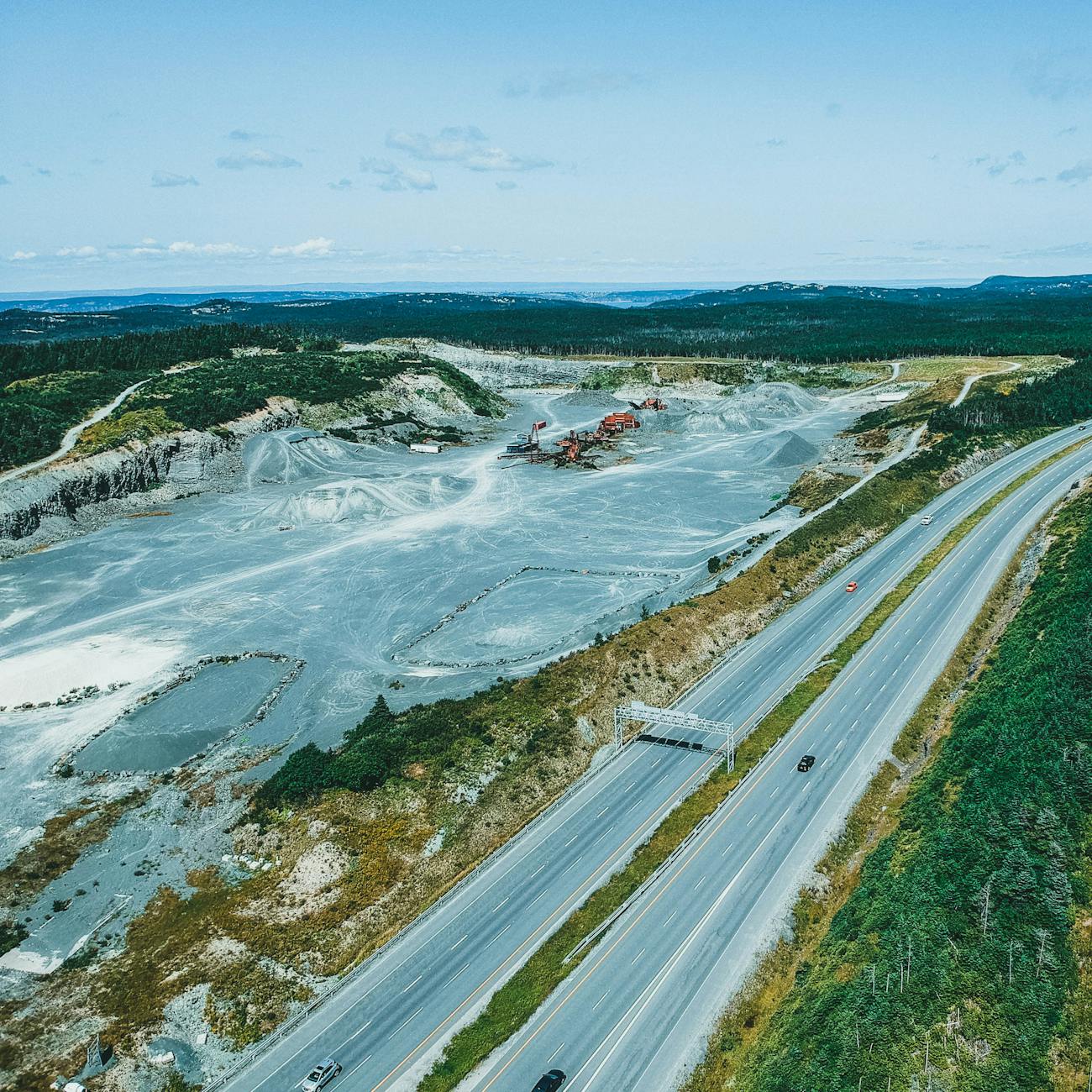
The mining and mineral processing industry is a complex and multifaceted sector that involves the extraction and processing of minerals from the earth. In this industry, mining refers to the process of extracting minerals from the earth, while mineral processing refers to the process of separating and concentrating the minerals after they have been extracted. The goal of mining and mineral processing is to produce a concentrate that is rich in the desired minerals and can be sold to manufacturers for use in a variety of products.
Minerals are naturally occurring inorganic substances that have a specific chemical composition and a crystalline structure. They can be found in a variety of forms, including ores, which are minerals that contain a high percentage of a specific metal or mineral, and gangue, which are minerals that are found in association with ores but do not have any economic value. The most common minerals extracted through mining include coal, copper, iron, gold, and aluminum.
The mining process typically begins with exploration, which involves searching for and identifying areas where minerals are likely to be found. This can involve a variety of techniques, including geophysical surveys, which use instruments to measure the physical properties of the earth, and geochemical surveys, which involve collecting and analyzing samples of rocks and soil. Once a potential mining site has been identified, the next step is to conduct a feasibility study, which involves evaluating the economic and technical viability of the project.
If the feasibility study indicates that the project is viable, the next step is to develop a mine plan, which outlines the steps that will be taken to extract the minerals. This can include drilling and blasting to break up the rock, as well as excavation and hauling to remove the rock and transport it to the surface. The minerals are then crushed and ground into a fine powder to release the minerals from the rock.
The mineral processing stage involves a variety of techniques to separate and concentrate the minerals. One of the most common techniques is flotation, which involves adding a chemical to the mineral powder that causes the minerals to float to the surface of a tank, where they can be skimmed off and collected. Another common technique is magnetic separation, which involves using a magnetic field to separate minerals that are magnetic from those that are not.
In addition to these techniques, mineral processing also involves a variety of other steps, including classification, which involves separating the minerals into different sizes, and filtration, which involves removing water and other impurities from the minerals. The final product is a concentrate that is rich in the desired minerals and can be sold to manufacturers for use in a variety of products.
The mining and mineral processing industry is subject to a variety of regulations and standards that are designed to protect the environment and ensure the safety of workers. These regulations can include requirements for environmental impact assessments, which involve evaluating the potential environmental impacts of a mining project, as well as health and safety protocols, which involve implementing procedures to protect workers from hazards such as falls and explosions.
One of the major challenges facing the mining and mineral processing industry is the need to reduce its environmental impact. Mining can have a significant impact on the environment, including deforestation, water pollution, and soil erosion. To address these impacts, many mining companies are implementing sustainable practices, such as reclamation, which involves restoring the land to its natural state after mining is complete, and recycling, which involves reusing materials that would otherwise be wasted.
Another challenge facing the industry is the need to improve worker safety. Mining can be a hazardous occupation, and workers are at risk of injury or death from accidents such as falls and explosions. To address these risks, many mining companies are implementing safety protocols, such as training programs and emergency response plans.
The mining and mineral processing industry is also subject to a variety of economic and market challenges. The price of minerals can be volatile, and mining companies must be able to adapt to changes in the market in order to remain competitive. Additionally, the industry is subject to a variety of regulatory and political risks, including changes in tax laws and environmental regulations.
In terms of technology, the mining and mineral processing industry is undergoing a significant transformation. Many mining companies are implementing automated systems, such as robotics and remote control systems, to improve efficiency and safety. Additionally, the industry is seeing the development of new technologies, such as biotechnology and nanotechnology, which are being used to improve the extraction and processing of minerals.
The mining and mineral processing industry is a significant employer of people around the world. In many countries, mining is a major industry that provides jobs and economic benefits to local communities. However, the industry is also facing a significant skills gap, as many workers are retiring and there is a need for new workers with the skills and training needed to work in the industry.
In terms of education and training, there are a variety of programs available to people who are interested in pursuing a career in the mining and mineral processing industry. These programs can include degree programs in mining engineering, certificate programs in mineral processing, and apprenticeships and on-the-job training programs.
The industry is subject to a variety of regulations and standards that are designed to protect the environment and ensure the safety of workers. Despite the challenges facing the industry, many mining companies are implementing sustainable practices and new technologies to improve efficiency and safety. As the industry continues to evolve, it is likely that we will see the development of new technologies and innovations that will help to address the challenges facing the industry and improve the extraction and processing of minerals.
The mining process can be divided into several stages, including exploration, mine planning, extraction, and processing. Each stage involves a variety of techniques and technologies, and the specific stages and techniques used can vary depending on the type of mineral being extracted and the location of the mine.
In terms of mineral processing, there are a variety of techniques that can be used to separate and concentrate minerals. These techniques can include flotation, magnetic separation, and gravity separation. The specific technique used will depend on the type of mineral being processed and the desired outcome.
The mining and mineral processing industry is a significant contributor to the global economy, and it plays a critical role in the production of a variety of products, including metals, minerals, and fossil fuels. However, the industry is also facing a variety of challenges, including environmental concerns, safety risks, and regulatory uncertainties.
To address these challenges, many mining companies are implementing sustainable practices and new technologies to improve efficiency and safety. For example, some companies are using renewable energy sources, such as solar and wind power, to reduce their carbon footprint. Others are using advanced technologies, such as robotics and artificial intelligence, to improve productivity and safety.
In addition to these efforts, there is also a growing recognition of the need for greater transparency and accountability in the mining and mineral processing industry. This can include disclosure of environmental and social impacts, as well as independent audits and monitoring to ensure that companies are meeting their obligations and responsibilities.
In terms of career opportunities, the mining and mineral processing industry offers a wide range of jobs and careers for people with different skills and interests. These can include engineering and technical roles, such as mining engineer and mineral processing engineer, as well as management and leadership roles, such as mine manager and operations manager.
The industry also offers a range of entry-level positions for people who are new to the industry, such as trainee and apprenticeship programs. These programs can provide hands-on training and practical experience in a variety of areas, including mining, mineral processing, and maintenance.
In addition to these opportunities, the mining and mineral processing industry also offers a range of professional development opportunities for people who are already working in the industry. These can include training programs and workshops on topics such as safety, environmental management, and leadership, as well as conferences and seminars on the latest technologies and trends in the industry.
Overall, the mining and mineral processing industry is a complex and multifaceted sector that offers a wide range of career opportunities and challenges for people with different skills and interests.
The mining and mineral processing industry is also an important contributor to the global economy, and it plays a critical role in the production of a variety of products, including metals, minerals, and fossil fuels. The industry is a significant employer of people around the world, and it provides jobs and economic benefits to local communities.
In terms of environmental impact, the mining and mineral processing industry is a significant contributor to greenhouse gas emissions and pollution. However, many mining companies are implementing sustainable practices and new technologies to reduce their environmental footprint and improve efficiency.
The industry is also subject to a variety of regulations and standards that are designed to protect the environment and ensure the safety of workers. These regulations can include requirements for environmental impact assessments, health and safety protocols, and emission controls.
In addition to these regulations, the industry is also subject to a variety of voluntary initiatives and certification programs that are designed to promote sustainability and responsible practices. These initiatives can include codes of conduct, stakeholder engagement, and transparency and accountability measures.
Overall, the mining and mineral processing industry is a complex and multifaceted sector that plays a critical role in the global economy and provides a wide range of career opportunities and challenges for people with different skills and interests.
In terms of future outlook, the mining and mineral processing industry is likely to continue to play a critical role in the global economy and provide a wide range of career opportunities and challenges for people with different skills and interests. However, the industry will also need to address a variety of challenges and uncertainties, including regulatory risks, environmental concerns, and market volatility.
To address these challenges, the industry will need to continue to innovate and adapt to changing technologies and market trends. This can include the development of new technologies and innovations that improve efficiency and safety, as well as the implementation of sustainable practices and responsible mining initiatives.
In addition to these efforts, the industry will also need to prioritize transparency and accountability and stakeholder engagement to ensure that the needs and concerns of local communities and other stakeholders are being addressed. This can include the development of codes of conduct and certification programs that promote sustainability and responsible practices.
Key takeaways
- In this industry, mining refers to the process of extracting minerals from the earth, while mineral processing refers to the process of separating and concentrating the minerals after they have been extracted.
- The most common minerals extracted through mining include coal, copper, iron, gold, and aluminum.
- Once a potential mining site has been identified, the next step is to conduct a feasibility study, which involves evaluating the economic and technical viability of the project.
- If the feasibility study indicates that the project is viable, the next step is to develop a mine plan, which outlines the steps that will be taken to extract the minerals.
- One of the most common techniques is flotation, which involves adding a chemical to the mineral powder that causes the minerals to float to the surface of a tank, where they can be skimmed off and collected.
- The final product is a concentrate that is rich in the desired minerals and can be sold to manufacturers for use in a variety of products.
- The mining and mineral processing industry is subject to a variety of regulations and standards that are designed to protect the environment and ensure the safety of workers.