
Culinary History And Tradition
Culinary history and tradition encompass a wide array of concepts that intersect anthropology, archaeology, sociology, and the practical art of cooking. Understanding the terminology is essential for interpreting the evolution of food cultu…
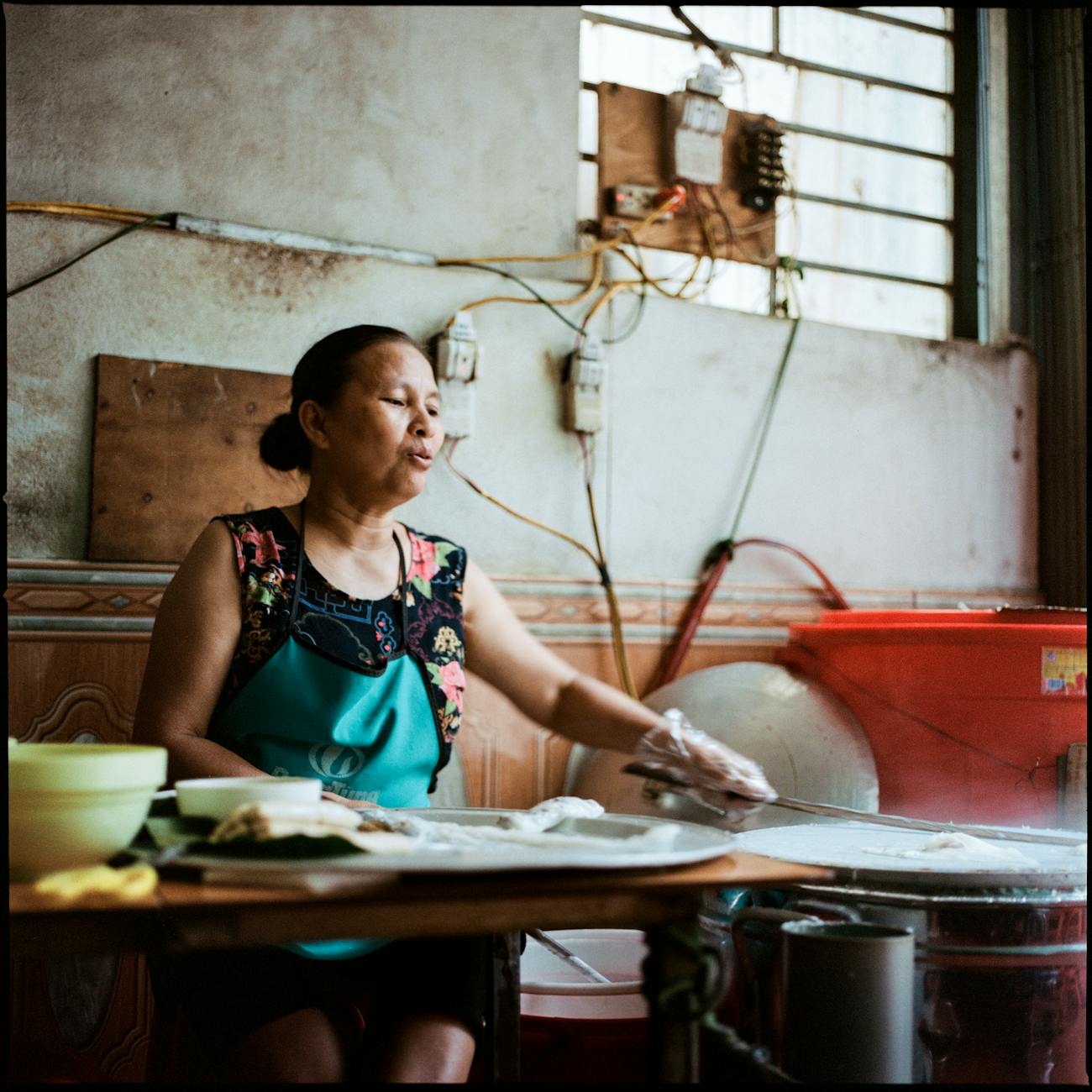
Culinary history and tradition encompass a wide array of concepts that intersect anthropology, archaeology, sociology, and the practical art of cooking. Understanding the terminology is essential for interpreting the evolution of food cultures, the social functions of meals, and the ways in which culinary practices encode identity, power, and memory. Below is a comprehensive guide to the key terms and vocabulary that students of the Professional Certificate in Food Anthropology and Culinary History Reporting will encounter, along with examples, practical applications, and common challenges faced when employing these concepts in research and reporting.
Culinary archaeology refers to the systematic study of material remains related to food preparation, consumption, and storage in past societies. Archaeologists examine pottery shards, hearths, animal bones, plant residues, and cooking implements to reconstruct ancient diets. For example, lipid analysis of pottery from a Neolithic site can reveal the presence of dairy fats, indicating early milk processing. In practice, a researcher might combine microbotanical analysis with contextual dating to map the spread of millet cultivation across Eurasia. A major challenge is the preservation bias of organic materials; fragile food remains often decompose, requiring indirect proxies such as phytoliths or isotopic signatures to fill gaps.
Foodways is an umbrella term that describes the cultural, social, and economic practices surrounding the production, distribution, preparation, and consumption of food. It emphasizes that food is not merely sustenance but a medium through which values, beliefs, and social structures are expressed. A case study of the Mexican “Day of the Dead” feast illustrates foodways: The preparation of pan de muerto and sugar skulls conveys reverence for ancestors and communal solidarity. Researchers must be attentive to the dynamic nature of foodways, recognizing that they evolve in response to migration, globalization, and policy changes. One practical application is using participant observation to document contemporary foodways in a diaspora community, while a challenge lies in avoiding romanticized or essentialist narratives that freeze traditions in time.
Commensality denotes the act of eating together, and it is a pivotal concept for understanding how meals create and reinforce social bonds. Anthropologists study patterns of communal dining, such as the Japanese tea ceremony or the Ethiopian “injera” sharing, to uncover hierarchies, gender roles, and notions of hospitality. In reporting, describing the spatial arrangement of a banquet—who sits where, who serves first—can illuminate power dynamics. A common difficulty is disentangling symbolic meanings from practical logistics; for instance, a large family gathering may be driven by both cultural expectations and the need to pool resources.
Gastronomy traditionally refers to the scholarly study of food and culture, encompassing history, philosophy, and the sensory experience of taste. It differs from “cuisine,” which describes a specific set of cooking techniques, ingredients, and dishes associated with a region or community. A gastronomic analysis of French haute cuisine might explore how the codification of sauces by Auguste Escoffier contributed to culinary professionalism. Reporting on gastronomy often requires a balance between technical description and narrative flair, ensuring that readers grasp the significance of a dish’s preparation without being overwhelmed by jargon. The challenge is maintaining accuracy while translating specialized terminology for a broader audience.
Food provenance describes the documented origin and journey of food items from farm to table. Provenance information includes geographic source, production methods, and supply chain logistics. In contemporary culinary reporting, tracing the provenance of a single heirloom tomato can reveal the impact of agricultural policies, climate change, and consumer demand for sustainable produce. A practical application is creating a “farm-to-fork” map that visualizes these connections for a restaurant’s menu. However, gaps in record-keeping, especially in informal markets, can make provenance verification difficult, leading to potential misrepresentation of authenticity.
Umami is one of the five basic taste sensations, identified as a savory flavor associated with glutamate-rich foods such as tomatoes, mushrooms, and aged cheeses. The concept emerged from Japanese research in the early 20th century and has since been integrated into global culinary science. Understanding umami helps chefs balance flavor profiles and develop dishes that satisfy the palate’s depth. When reporting on a new fermented sauce, highlighting its umami content can explain why it enhances other ingredients. A challenge is that cultural familiarity with umami varies; some audiences may not recognize it as a distinct taste, requiring clear explanation of its chemical basis.
Palimpsest in culinary history is a metaphorical layer of food practices that accumulate over time, where newer traditions overlay older ones without completely erasing them. Urban foodscapes often function as palimpsests: A modern food truck serving tacos may sit alongside a century-old bakery, each reflecting different historical periods. Researchers use this concept to interpret how colonial influences coexist with indigenous cooking methods in a single dish, such as the Caribbean “callaloo” that blends African, Indigenous, and European ingredients. The difficulty lies in untangling which layers are dominant and which are subtle, especially when oral histories are fragmented.
Heterogeneity describes the diversity within a culinary tradition, acknowledging that no culture has a monolithic food culture. For example, Indian cuisine is heterogeneous, encompassing regional variations in spices, cooking techniques, and dietary restrictions. Recognizing heterogeneity prevents the oversimplification of complex food systems. In reporting, it is important to specify which regional variant is being discussed, such as “Kerala fish curry” versus “Punjabi butter chicken.” The challenge is avoiding the temptation to generalize for brevity, which can inadvertently erase minority food practices.
Food sovereignty is a political and ethical framework that emphasizes the right of peoples to define their own food systems, prioritizing local control over agricultural production, distribution, and consumption. It emerged from movements advocating for smallholder farmers and Indigenous peoples. In a case study of the “Milpa” system in Mexico, food sovereignty principles support the preservation of polyculture practices that sustain biodiversity. Reporting on food sovereignty involves highlighting community-led initiatives, such as seed banks or cooperative markets, while also addressing obstacles like corporate land grabs or trade policies that undermine local autonomy.
Ephemeral cuisine refers to dishes or culinary experiences that exist temporarily, often tied to specific events, seasons, or performance art. Examples include pop-up restaurants, festival foods, or seasonal foraging menus that vanish after the harvest period. Documenting ephemeral cuisine requires rapid fieldwork, photographic evidence, and sometimes oral histories to capture the fleeting nature of the experience. A practical application is creating a digital archive of a “harvest festival” menu that can be accessed after the event. Challenges include the limited time window for data collection and the risk that the documentation may alter the authentic experience.
Gastrodiplomacy is the use of food as a tool for cultural exchange and diplomatic relations. Nations often promote signature dishes to enhance their soft power; for instance, South Korea’s global promotion of “kimchi” and “bibimbap” serves both cultural pride and economic interests. Reporting on gastrodiplomacy involves analyzing policy documents, marketing campaigns, and public reception. A challenge is differentiating genuine cultural appreciation from strategic branding that may oversimplify or commercialize complex culinary traditions.
Foodscape is a spatial concept that maps the distribution and accessibility of food within a geographical area, encompassing markets, restaurants, farms, and informal food vendors. It is used to assess food security, dietary patterns, and urban planning. A researcher might create a GIS-based foodscape of a city to identify “food deserts” where residents lack fresh produce options. Practical applications include informing policy decisions about grocery store placement or community garden development. However, foodscape analyses can be limited by the availability of up-to-date data and may overlook informal economies that are vital for many populations.
Fermentation is a biochemical process where microorganisms such as bacteria, yeast, and molds transform food substrates, producing flavors, textures, and preservation qualities. Fermented foods like cheese, kimchi, and sourdough have deep cultural roots. Understanding fermentation allows reporters to explain why certain foods develop distinct taste profiles and health benefits. For example, the lactic acid bacteria in sauerkraut contribute to probiotic properties. Challenges include the technical complexity of microbial pathways, which can be difficult to convey without oversimplifying, and the variability of fermentation outcomes based on local environmental conditions.
Food taboos are culturally specific prohibitions against consuming certain foods, often rooted in religious, health, or social rationales. Examples include the avoidance of pork in Islam and Judaism, or the restriction of beef among Hindus. Identifying food taboos helps explain dietary patterns and social cohesion within communities. Reporting on food taboos requires sensitivity to avoid portraying such practices as irrational; instead, contextualize them within historical and symbolic frameworks. A challenge is that taboos can evolve, and younger generations may reinterpret or relax traditional prohibitions, leading to intra-community tensions.
Biocultural diversity links biological diversity with cultural diversity, emphasizing that the preservation of traditional food knowledge is intertwined with the conservation of ecosystems. Indigenous communities often maintain diverse crop varieties, such as the thousands of landraces of maize in Mexico, which support both cultural identity and agricultural resilience. In practical terms, documenting biocultural diversity might involve recording oral histories about seed selection and associated rituals. The main challenge lies in reconciling development pressures with the need to protect both cultural heritage and biodiversity.
Food literacy denotes the knowledge, skills, and attitudes that enable individuals to make informed decisions about food, ranging from nutritional understanding to cooking techniques. It is a contemporary focus for public health initiatives and culinary education. A reporter covering a community cooking class can assess food literacy outcomes by examining participants’ ability to read ingredient labels, plan balanced meals, and apply cooking methods safely. Barriers to food literacy include limited access to quality education, socioeconomic constraints, and cultural mismatches between curriculum and lived experiences.
Foodways of diaspora explore how migrant communities adapt, preserve, and transform their culinary traditions in new environments. For instance, the evolution of “soul food” in the United States reflects African American adaptations of West African, European, and Native American ingredients. Reporting on diaspora foodways involves tracing ingredient substitution (e.G., Using locally available collard greens instead of African leafy greens) and the symbolic significance of dishes served during cultural celebrations. A challenge is that diaspora narratives can be homogenized, obscuring the nuanced ways in which individuals negotiate identity through food.
Seasonality refers to the cyclical availability of ingredients dictated by climate and agricultural calendars. Emphasizing seasonality in culinary practice supports sustainability, flavor optimization, and cultural continuity. A chef who designs a menu based on the spring harvest of asparagus, peas, and strawberries demonstrates a commitment to seasonal integrity. In reporting, highlighting the seasonal timeline can educate readers about the environmental factors influencing food choices. The difficulty arises when modern supply chains obscure seasonality, making it harder for consumers to recognize when foods are truly in season versus being imported out of season.
Foodways and gender examines how gender roles shape and are shaped by culinary practices. Historically, many societies have assigned cooking and food preparation to women, while men may dominate public food production or market trade. An analysis of a traditional Korean “jeongol” banquet may reveal that women oversee the intricate layering of ingredients, embodying domestic authority. Reporting on gendered foodways requires careful attention to power dynamics and the potential for reinforcing stereotypes. Researchers must also consider how contemporary shifts—such as the rise of male chefs in fine dining—challenge historical gendered divisions.
Food rituals are ceremonial practices that involve food, often marking life-cycle events, religious observances, or communal celebrations. Examples include the breaking of the fast during Ramadan, the Christmas “feast,” or the Japanese “ochugen” gift exchange of seasonal delicacies. Food rituals provide insight into symbolic meanings attached to particular dishes, timing, and presentation. A reporter documenting a wedding feast can elucidate how specific courses signify prosperity, fertility, or ancestor veneration. A common challenge is that rituals may be performed privately, limiting access for observation, and participants may be reluctant to share sacred details with outsiders.
Food historiography is the methodological study of how food histories are written, interpreted, and contested. It interrogates sources, biases, and narrative structures that shape our understanding of culinary pasts. For example, the reliance on elite cookbooks may marginalize the food experiences of lower classes or enslaved peoples. Food historiography encourages scholars to triangulate data from archaeological finds, oral histories, and visual art. In practice, a historian might critique a popular culinary memoir for omitting colonial contexts, thereby offering a more nuanced perspective. The difficulty lies in accessing diverse source material and navigating conflicting interpretations.
Food iconography involves the analysis of visual representations of food in art, photography, and media, revealing cultural values and aesthetic conventions. A painting of a banquet in Renaissance Italy, for instance, can convey status, wealth, and the social hierarchy of diners. Food iconography can also be used in modern advertising to evoke nostalgia or authenticity. Reporting on food iconography may include interpreting the symbolism of a golden wheat sheaf on a bakery’s logo. Challenges include deciphering period-specific symbolism and avoiding anachronistic readings.
Food ethics encompasses moral considerations related to food production, consumption, and distribution, including animal welfare, labor rights, and environmental impact. Debates around “farm‑to‑table” sourcing often involve ethical judgments about sustainable practices versus convenience. A reporter covering a restaurant’s sourcing policy can evaluate the ethical dimensions by investigating supplier certifications, fair‑trade compliance, and carbon footprints. A persistent challenge is the tension between ethical ideals and market realities; for example, ethically sourced seafood may be more expensive, limiting accessibility for lower‑income diners.
Food memory refers to the personal and collective recollections associated with specific tastes, aromas, and meals, which shape identity and cultural continuity. The scent of fresh‑baked bread may evoke childhood memories of a grandmother’s kitchen, reinforcing intergenerational bonds. In culinary reporting, evoking food memory can create emotive resonance for readers, but it must be balanced with factual accuracy. Collecting food memory data often involves oral history interviews, which can be subject to nostalgia bias or selective recall, presenting methodological challenges.
Food migration examines the movement of ingredients, recipes, and culinary techniques across geographic boundaries, driven by trade, colonization, or human displacement. The spread of chili peppers from the Americas to Asia illustrates how a single ingredient can transform regional cuisines, leading to new dishes like Korean “gochujang” or Indian “curry.” Reporting on food migration requires tracing historical trade routes, such as the Silk Road, and linking them to present‑day culinary landscapes. A key difficulty is disentangling the multiple layers of influence when a dish has undergone centuries of adaptation.
Food and identity explores how individuals and groups use food to express, negotiate, and affirm their cultural, ethnic, or social identities. For example, the preparation of “jollof rice” serves as a point of pride and rivalry among West African nations, each claiming the best version. In reporting, highlighting the role of a particular dish in community festivals can illustrate identity construction. Challenges arise when identity is fluid; diaspora communities may blend traditional foods with host‑culture elements, creating hybrid identities that resist simple categorization.
Food and power investigates how control over food resources, production, and distribution can be wielded as a tool of domination or resistance. Colonial powers often imposed cash‑crop economies that disrupted local food sovereignty, while contemporary movements may use community gardens as a form of empowerment. A journalist covering a protest against a multinational agribusiness can frame the issue within the broader discourse of food and power, emphasizing the stakes for local farmers. The analytical challenge is to articulate the complex interplay of economic, political, and cultural forces without reducing them to binary oppositions.
Food narrative is the storytelling aspect of culinary communication, encompassing menus, cookbooks, media features, and oral traditions. A well‑crafted food narrative can convey the provenance, cultural significance, and sensory experience of a dish. For instance, a menu description that tells the story of “saffron harvested at dawn in the valleys of Khorasan” enriches the diner’s perception. Reporters must balance narrative allure with factual integrity, ensuring that embellishments do not distort authenticity. One obstacle is the temptation to exoticize or sensationalize, which can perpetuate stereotypes.
Food policy comprises the regulations, incentives, and institutional frameworks that shape food systems at local, national, and international levels. Policies may address nutrition standards, agricultural subsidies, food safety, and trade agreements. An analyst examining the impact of a “farm bill” on small‑scale producers can assess how subsidy allocations influence crop choices and market access. In culinary reporting, contextualizing a restaurant’s menu within prevailing food policies can illuminate constraints or opportunities faced by chefs. The complexity of policy landscapes, with overlapping jurisdictions and competing interests, presents a significant hurdle for clear communication.
Food security denotes the condition in which all people have reliable access to sufficient, safe, and nutritious food to meet dietary needs. It is measured by availability, accessibility, utilization, and stability. A case study of a coastal community experiencing “fish stock depletion” highlights the interdependence of environmental health and food security. Reporters can illustrate food security challenges through personal stories of families coping with price volatility or supply disruptions. A persistent difficulty is translating macro‑level statistics into relatable narratives without oversimplifying systemic factors.
Food justice expands on food security by integrating equity, recognizing that marginalized groups often bear disproportionate burdens of food insecurity, environmental hazards, and labor exploitation. Initiatives such as “food co‑ops” or “community-supported agriculture” aim to redress these inequities. In a feature article, profiling a neighborhood garden project can showcase how food justice initiatives empower residents, improve nutrition, and foster community resilience. Challenges include navigating political sensitivities, avoiding tokenism, and ensuring that reported solutions are sustainable and community‑driven.
Food system is a holistic term that encompasses all stages of food production, processing, distribution, consumption, and waste management. It includes stakeholders ranging from farmers and processors to retailers, regulators, and consumers. Mapping a food system can reveal points of vulnerability, such as reliance on a single processing plant that, if disrupted, could affect regional supply. Practical applications involve using systems thinking to propose interventions that enhance resilience, such as diversifying supply chains or promoting circular waste practices. The main challenge is the sheer complexity of interconnections, which can obscure cause‑effect relationships.
Food heritage refers to intangible cultural assets associated with culinary traditions, including recipes, techniques, celebrations, and knowledge passed through generations. UNESCO’s “Intangible Cultural Heritage” list includes items like the Mediterranean diet or the Mexican “mole” preparation. Documenting food heritage may involve recording oral recipes, photographing preparation methods, and contextualizing them within cultural narratives. Reporting on food heritage requires sensitivity to community ownership and the potential for cultural commodification. A significant obstacle is ensuring that documentation benefits the custodians of the heritage rather than exploiting them for commercial gain.
Food tourism is a travel niche focused on experiencing local cuisines, culinary festivals, and food‑related activities. Destinations often market signature dishes to attract visitors, as seen with “paella” in Valencia or “poutine” in Quebec. A travel writer covering food tourism can assess authenticity, visitor impact, and economic benefits for host communities. Challenges include the risk of “culinary gentrification,” where traditional food locales become tourist‑centric, displacing local patrons and altering the original character of the cuisine.
Food sustainability addresses the environmental, social, and economic dimensions of food production and consumption, seeking to minimize negative impacts while ensuring long‑term viability. Practices such as regenerative agriculture, reduced food waste, and plant‑based diets contribute to sustainability goals. Reporting on a restaurant’s sustainability initiatives may involve evaluating sourcing practices, energy use, and waste diversion rates. The difficulty lies in measuring sustainability outcomes accurately; metrics can be fragmented, and claims of “green” practices may be subject to “greenwashing.”
Food microbiome denotes the community of microorganisms that inhabit food items and the human gut, influencing flavor development, preservation, and health outcomes. Fermented products like kombucha and miso rely on specific microbial consortia to achieve desired characteristics. In culinary reporting, explaining how the “lactobacillus” present in yogurt contributes to its tangy taste can enhance reader understanding. A challenge is translating complex microbiological concepts into accessible language without sacrificing scientific rigor.
Food symbolism explores the meanings attached to specific foods within cultural contexts, often reflecting concepts such as fertility, wealth, or mourning. For instance, pomegranate seeds symbolize abundance and fertility in many Mediterranean traditions. A journalist can use food symbolism to deepen storytelling, illustrating how a wedding cake adorned with orange blossom petals conveys wishes for prosperity. Interpreting symbolism requires cultural competence; misreading a symbol can lead to misrepresentation or offense.
Food nostalgia is a affective response evoked by flavors, aromas, or dishes that recall a particular time or place, often shaping consumer preferences and marketing strategies. Brands frequently harness nostalgia by re‑introducing “classic” recipes or packaging. In a feature on a revived soda brand, discussing how the taste triggers childhood memories can explain its resurgence. The challenge is that nostalgia is subjective; what resonates for one demographic may not for another, making it essential to contextualize the phenomenon.
Food commodification is the process by which traditional foods are transformed into marketable products, often stripped of cultural context and reduced to economic value. The global trade of “caviar” illustrates how a once‑local delicacy becomes a luxury commodity. Reporting on commodification involves tracing the journey from cultural practice to commercial product, highlighting issues such as intellectual property rights and cultural appropriation. A persistent obstacle is balancing the economic benefits for producers with the preservation of cultural integrity.
Food anthropology is the discipline that examines food as a cultural and social phenomenon, employing ethnographic methods, historical analysis, and interdisciplinary perspectives. It investigates how food practices reflect identity, power structures, and ecological relationships. A food anthropologist might conduct participant observation in a market to understand how vendors negotiate prices and maintain social ties. In reporting, applying food anthropology principles can enrich stories by situating dishes within broader sociocultural frameworks. Challenges include navigating researcher positionality, ensuring ethical representation, and bridging academic insights with journalistic storytelling.
Food ethnography is a qualitative research approach that immerses the researcher in the daily food practices of a community to capture lived experiences, meanings, and routines. Methods include in‑depth interviews, cooking demonstrations, and sensory documentation. An ethnographer studying a street food market may record the rhythms of preparation, the language of vendors, and the sensory landscape of aromas. Translating ethnographic findings into compelling reportage requires careful editing to preserve nuance while maintaining readability. Ethical concerns arise around consent, especially when documenting private or sacred culinary activities.
Food semiotics examines the signs and meanings embedded in food, its presentation, and consumption contexts. It treats dishes as texts that can be “read” for cultural codes. For example, the arrangement of sushi on a plate can signal hierarchy, with prized cuts placed at the center. A semiotic analysis of a restaurant’s interior design might reveal how lighting, table settings, and menu typography convey a narrative of authenticity. The analytical challenge lies in decoding layered symbols without imposing external interpretations that disregard insider perspectives.
Food and migration overlaps with diaspora studies but focuses specifically on the physiological and cultural adjustments involved in adapting diets to new environments. Migrants may encounter food scarcity, unfamiliar ingredients, or altered cooking facilities, prompting creative substitutions. A journalist profiling a refugee chef can illustrate how the lack of traditional spices leads to innovative flavor blends, reflecting resilience and cultural continuity. A difficulty is that migration experiences are highly individualized; generalizations risk erasing the diversity of adaptation strategies.
Food and technology encompasses the impact of innovations such as refrigeration, sous‑vide cooking, 3‑D food printing, and digital ordering platforms on culinary practices. The advent of cold chain logistics revolutionized the global distribution of perishable goods, allowing tropical fruits to reach temperate markets. Reporting on food technology may involve assessing how precision cooking equipment affects flavor development or how mobile apps reshape consumer behavior. Challenges include keeping pace with rapid technological change and critically evaluating claims of efficiency or sustainability.
Food and climate change investigates how shifting climate patterns affect agricultural productivity, food security, and culinary traditions. Rising temperatures may threaten the viability of staple crops like wheat, prompting shifts toward drought‑tolerant varieties such as sorghum. A feature on coastal communities adapting to sea‑level rise could highlight changes in traditional seafood dishes as fish stocks migrate. Communicating climate impacts on food requires translating scientific data into relatable stories while avoiding alarmist rhetoric that may disengage audiences.
Food and health explores the relationship between dietary patterns and physiological outcomes, encompassing nutrition science, public health policy, and cultural health beliefs. The Mediterranean diet, for instance, is associated with reduced cardiovascular risk, a finding that can be contextualized within cultural practices of communal eating and olive oil use. Reporting on food and health must balance evidence‑based recommendations with cultural sensitivity, recognizing that health interventions may clash with established foodways. A key challenge is addressing misinformation, such as fad diets that lack scientific support, while respecting individual autonomy.
Food and ritual (distinct from food rituals) examines the structured, often repetitive, actions surrounding food that convey meaning beyond nourishment. Rituals can be temporal, such as the daily “tea ceremony,” or spatial, such as the placement of a communal hearth. An analyst of a tribal ceremony may note how the sequence of offerings, the order of consumption, and the accompanying chants reinforce cosmological beliefs. Documenting food rituals necessitates meticulous observation and respect for confidentiality, as many rituals are considered sacred.
Food and taste delves into the sensory perception of flavors, the cultural conditioning of taste preferences, and the physiological mechanisms underlying gustation. Taste is shaped by genetic factors (e.G., Sensitivity to bitter compounds) and cultural exposure (e.G., Preference for spicy foods). A culinary journalist might explore why certain populations favor fermented foods, linking this to both microbial exposure and historical reliance on preservation methods. Challenges include the subjectivity of taste experiences and the difficulty of conveying sensory details through text alone, often requiring vivid descriptive language.
Food and language investigates how culinary terminology, idioms, and metaphors reflect cultural values and social relations. Phrases like “soup of the day” or “spice of life” illustrate how food concepts permeate everyday speech. Linguistic analysis of menu descriptions can reveal marketing strategies that appeal to nostalgia or exoticism. Reporting on food and language may involve translating dish names, preserving indigenous terminology, and highlighting the loss of linguistic diversity when traditional cuisines fade. A persistent obstacle is the potential for misinterpretation when translating culturally specific food terms.
Food and performance refers to the theatrical or artistic presentation of food, where the act of cooking or serving becomes a performative experience. Examples include molecular gastronomy shows, street food vendors who flambé dishes for spectacle, or ceremonial feasts that incorporate dance. A reporter covering a culinary performance must capture both the visual drama and the underlying culinary technique, explaining how the performance enhances or transforms the dining experience. The challenge lies in articulating the intangible aspects of performance—emotion, atmosphere—within the constraints of written description.
Food and memory studies intersect with psychology and anthropology to explore how recollections of food influence identity formation and emotional wellbeing. The “Proustian” phenomenon, where a madeleine triggers vivid memory, exemplifies the strong link between taste and memory. Researchers may employ structured interviews to map how specific dishes are tied to life events, such as a family’s holiday roast. In reporting, incorporating personal anecdotes can make abstract concepts tangible, but care must be taken to avoid projecting the reporter’s own memory onto participants.
Food and economics examines market forces, pricing mechanisms, and the financial structures that govern food production and consumption. Concepts such as “price elasticity,” “commodity futures,” and “subsidy distortion” are central to analyzing how economic policies shape dietary choices. A journalist investigating the rise in avocado prices might trace supply chain bottlenecks, trade tariffs, and speculative investment. Economic analysis often requires interpreting data sets, which can be challenging for audiences unfamiliar with statistical terminology, necessitating clear explanations and visual aids where possible.
Food and law encompasses the legal frameworks that regulate food safety, labeling, intellectual property, and trade. Regulations such as the “Food Safety Modernization Act” set standards for pathogen control, while geographic indication (GI) protections safeguard regional specialties like “Parmigiano‑Reggiano.” Reporting on legal disputes over trademarked recipes or patent claims on food processing technologies can illuminate the intersection of innovation and tradition. Legal language is often dense; translating statutes and court rulings into accessible narratives is a key challenge for communicators.
Food and religion studies how spiritual beliefs dictate dietary laws, fasting practices, and sacred food preparations. Kosher, halal, and Hindu vegetarianism are prominent examples of religiously motivated food systems. A feature on Ramadan may explore how nightly “iftar” meals embody communal solidarity, while a piece on Buddhist monastic cuisine could highlight the emphasis on simplicity and mindfulness. Challenges include respecting religious sensitivities, accurately representing doctrinal nuances, and avoiding reductionist portrayals that equate complex belief systems with mere food rules.
Food and art investigates the representation of food in visual arts, literature, and music, and how artistic expressions shape culinary perception. Still‑life paintings often use fruit and bread to symbolize abundance or mortality. Literary works such as “Like Water for Chocolate” embed recipes within narrative arcs, blurring the line between culinary instruction and storytelling. A critic reviewing a food‑themed exhibition may discuss how the artwork interrogates consumer culture or environmental concerns. Interpreting artistic intent requires interdisciplinary knowledge, and there is a risk of imposing contemporary readings onto historical artworks.
Food and social class explores how socioeconomic status influences access to certain foods, dining experiences, and culinary knowledge. The distinction between “gourmet” and “comfort” food can reflect class divisions, as can the ability to afford organic produce or dine at fine‑dining establishments. Reporting on food inequality might involve mapping the distribution of upscale restaurants versus fast‑food outlets across neighborhoods, revealing spatial segregation. Addressing class in culinary narratives must avoid moralizing tones, instead presenting structural factors that shape food choices.
Food and nationalism looks at how national identities are constructed and reinforced through culinary symbols. Dishes like “haggis” in Scotland or “biryani” in Pakistan become emblematic of national heritage, often employed in diplomatic events or tourism campaigns. A journalist covering a national food festival can analyze how food serves as a unifying emblem while also exposing internal debates over authenticity and regional variations. The challenge lies in navigating nationalist rhetoric that may exclude minority food traditions, thereby perpetuating a monolithic national narrative.
Food and gender studies interrogates how gender norms shape culinary labor, consumption patterns, and representation in media. The “kitchen as feminine sphere” trope persists in many cultures, yet the rise of celebrity male chefs challenges traditional gendered divisions. A profile of a female chef breaking into a male‑dominated industry can illuminate systemic barriers and the strategies employed to navigate them. Gender analysis must be intersectional, recognizing how race, class, and sexuality intersect with gendered food experiences.
Food and diaspora studies (distinct from foodways of diaspora) focuses on the transnational flow of culinary knowledge, the reconstruction of identity in host societies, and the negotiation of authenticity. The emergence of “fusion” cuisines—such as Korean‑taco hybrids—demonstrates how diaspora communities blend culinary heritages to create new identities. Reporting on diaspora food enterprises can reveal how entrepreneurs balance market demand with cultural fidelity. A challenge is avoiding the perception that diaspora cuisines are “less authentic” than those in the homeland, a misconception that undermines the legitimacy of hybrid traditions.
Food and sustainability science integrates ecological research with culinary practice, assessing carbon footprints, water usage, and biodiversity impacts of food choices. Life‑cycle analysis (LCA) of a beef burger versus a plant‑based patty quantifies environmental trade‑offs, informing consumer decisions and policy recommendations. A journalist can translate LCA results into everyday language, showing how reducing meat consumption can lower greenhouse gas emissions. The complexity of sustainability metrics and the variability of production methods pose difficulties in presenting clear, actionable messages.
Food and bioethics examines moral questions surrounding biotechnology in food, such as genetic modification, lab‑grown meat, and synthetic flavorings. Debates center on safety, labeling transparency, and the rights of consumers to make informed choices. Reporting on a startup developing cultured salmon involves explaining the scientific process, potential environmental benefits, and ethical concerns about animal welfare. Bioethical discussions often become polarized; journalists must strive for balanced coverage that respects diverse viewpoints while grounding arguments in scientific evidence.
Food and linguistics (distinct from food and language) studies phonological and syntactic aspects of food terminology, including loanwords, neologisms, and dialectal variations. The adoption of “sushi” into English illustrates lexical borrowing, while regional terms like “bap” (a bread roll) reflect local speech patterns. A linguist might map the diffusion of culinary terms across language families, revealing cultural contact zones. Reporting on linguistic shifts in food vocabularies can illuminate broader social changes, such as the influence of globalization on everyday speech. Challenges include capturing subtle pronunciation differences and ensuring accurate transcription.
Food and sensory science investigates how the human senses—taste, smell, sight, touch, and hearing—interact to shape perception of food. Concepts such as “mouthfeel,” “aroma intensity,” and “visual appeal” are central to product development and culinary critique. Sensory panels assess consumer preferences, providing data that inform recipe refinement. A journalist covering a new dessert may describe its “crisp shell” and “velvety mousse,” translating sensory analysis into evocative prose. The subjectivity of sensory experience makes it difficult to standardize descriptions, requiring careful calibration of language.
Food and migration studies (different from food migration) focuses on the movement of populations and its impact on food cultures, labor markets, and dietary transitions. Migrant laborers often introduce new crops to host regions, altering agricultural landscapes. An investigative piece on migrant farmworkers might explore how their culinary traditions influence local food markets, leading to the emergence of “food trucks” serving ethnic dishes. The interplay between migration policies and food system resilience presents a complex analytical terrain.
Food and cultural heritage preservation addresses efforts to protect and revitalize traditional culinary practices threatened by modernization, climate change, or homogenization. UNESCO’s “Intangible Cultural Heritage” program lists practices such as “the Mediterranean diet” and “Japanese washoku.” Documentation projects may involve recording recipes, filming preparation processes, and supporting community workshops. Reporting on preservation initiatives can highlight successes, such as the resurgence of heirloom grain cultivation, while also acknowledging challenges like funding scarcity and intergenerational transmission gaps.
Food and consumer behavior examines the psychological drivers behind purchasing decisions, brand loyalty, and dining choices. Factors include perceived health benefits, social status, convenience, and emotional associations. Market research employing surveys and focus groups uncovers trends, such as the growing demand for plant‑based alternatives. A feature on consumer attitudes toward “clean‑label” products can illustrate how transparency influences trust. The challenge lies in interpreting self‑reported data, which may be subject to social desirability bias, and translating findings into meaningful narratives.
Food and storytelling underscores the narrative power of food to convey personal histories, cultural myths, and communal values. Oral histories recounting the preparation of a family recipe can serve as a conduit for intergenerational transmission. In journalism, weaving food anecdotes into broader social commentary can engage readers emotionally while delivering substantive insight. The difficulty is ensuring that storytelling does not eclipse critical analysis, maintaining a balance between evocative prose and factual rigor.
Food and health disparities focuses on the unequal burden of diet‑related diseases among marginalized populations, often linked to limited access to nutritious foods, socioeconomic stressors, and cultural food practices. Communities experiencing “food deserts” may have higher rates of obesity and diabetes. A health reporter can spotlight community garden projects that aim to mitigate these disparities by providing fresh produce and nutrition education. Addressing health disparities requires systemic solutions; reporting must avoid placing blame on individuals for structural inequities.
Food and urbanization investigates how rapid city growth reshapes food production, distribution, and consumption patterns. Urban agriculture, rooftop farms, and vertical gardening represent adaptive responses to limited space. A journalist covering a city’s “farm‑to‑school” program can illustrate how urban initiatives reconnect students with food sources, fostering stewardship. Urbanization also pressures traditional markets, as land values rise and small producers are displaced.
Key takeaways
- Understanding the terminology is essential for interpreting the evolution of food cultures, the social functions of meals, and the ways in which culinary practices encode identity, power, and memory.
- A major challenge is the preservation bias of organic materials; fragile food remains often decompose, requiring indirect proxies such as phytoliths or isotopic signatures to fill gaps.
- One practical application is using participant observation to document contemporary foodways in a diaspora community, while a challenge lies in avoiding romanticized or essentialist narratives that freeze traditions in time.
- A common difficulty is disentangling symbolic meanings from practical logistics; for instance, a large family gathering may be driven by both cultural expectations and the need to pool resources.
- Reporting on gastronomy often requires a balance between technical description and narrative flair, ensuring that readers grasp the significance of a dish’s preparation without being overwhelmed by jargon.
- In contemporary culinary reporting, tracing the provenance of a single heirloom tomato can reveal the impact of agricultural policies, climate change, and consumer demand for sustainable produce.
- Umami is one of the five basic taste sensations, identified as a savory flavor associated with glutamate-rich foods such as tomatoes, mushrooms, and aged cheeses.