
Operational Excellence And Performance Monitoring
Operational Excellence in the context of tank storage and terminal operations refers to the systematic pursuit of best‑in‑class performance across safety, reliability, efficiency and environmental stewardship. It is not a static destination…
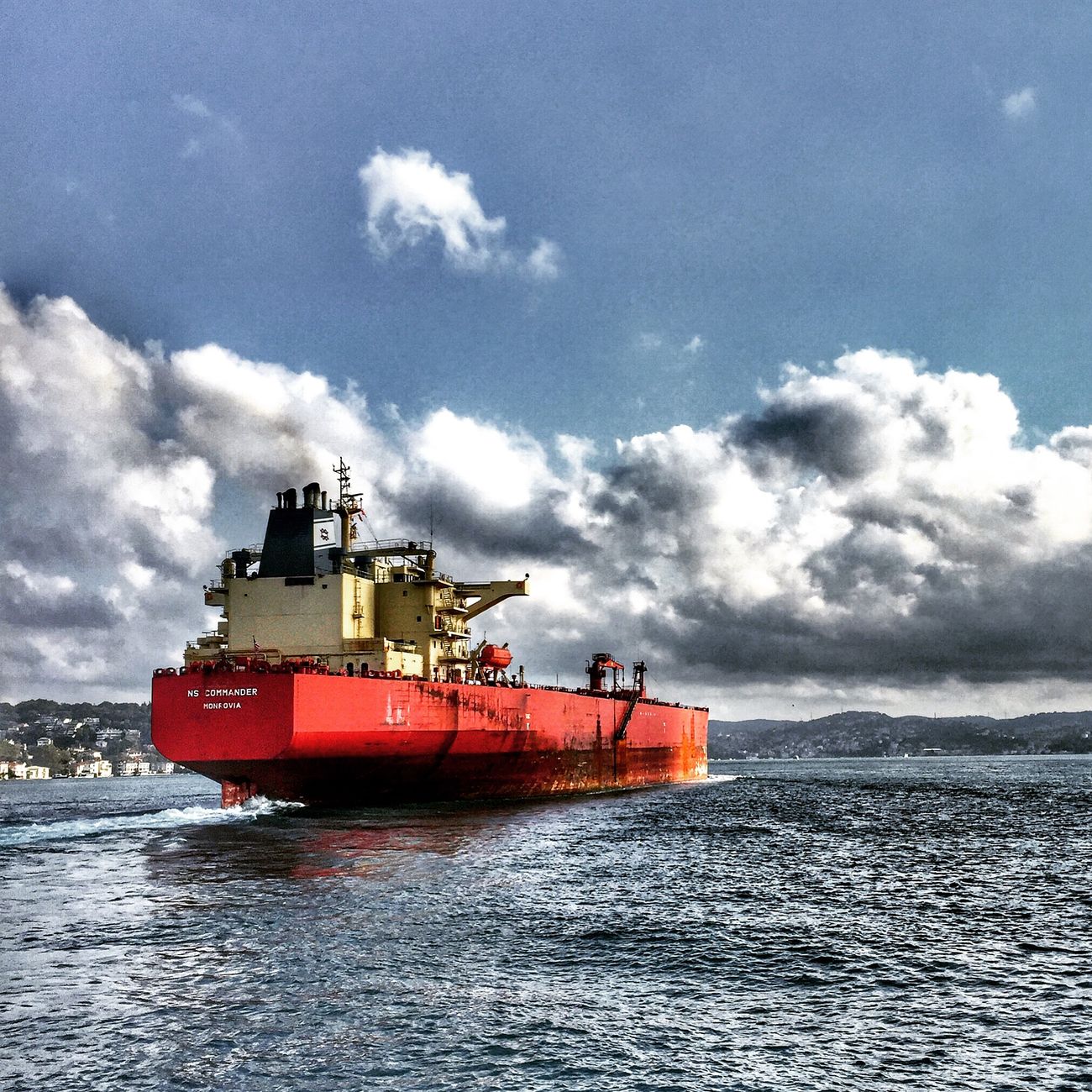
Operational Excellence in the context of tank storage and terminal operations refers to the systematic pursuit of best‑in‑class performance across safety, reliability, efficiency and environmental stewardship. It is not a static destination but a continuous journey that integrates strategic planning, disciplined execution and rigorous performance monitoring. The core objective is to deliver oil and gas products safely, on time and at the lowest possible cost while complying with all regulatory requirements. In practice, operational excellence demands that every activity – from crude receipt to product dispatch – be aligned with clearly defined objectives, measured against objective criteria and improved through structured problem‑solving techniques.
Performance Monitoring is the process of collecting, analyzing and reporting data that reflect how well the terminal is meeting its operational targets. It provides the factual basis for decision‑making, enables early detection of deviations, and supports corrective actions before minor issues evolve into major incidents. Effective performance monitoring relies on a robust data acquisition architecture, consistent data validation procedures and the use of key performance indicators (KPIs) that are directly linked to strategic goals.
Key Performance Indicator (KPI) is a quantifiable metric that is used to gauge the effectiveness of a specific aspect of terminal performance. KPIs must be relevant, measurable, attainable, realistic and time‑bound (SMART). Examples include Tank Turnaround Time, Product Throughput, Incident Frequency Rate, Inventory Accuracy and Energy Intensity. Each KPI should have an associated target value, a historical baseline and a defined method for data collection. For instance, Tank Turnaround Time is calculated as the elapsed hours between the start of a maintenance shutdown and the resumption of normal operations; a target of less than 48 hours may be set for high‑capacity tanks, with performance tracked on a weekly basis.
Asset Integrity Management (AIM) is the discipline that ensures the physical condition of tanks, pipelines, valves and related equipment remains within acceptable limits throughout their service life. AIM encompasses inspection, testing, condition monitoring, risk assessment and maintenance planning. A practical application is the implementation of a periodic hydrostatic testing programme for large storage tanks, where the tank is filled with water, pressurised to a specified level and examined for leaks or deformation. The results feed directly into the risk‑based maintenance schedule, allowing the operator to prioritize repairs that have the greatest impact on safety and reliability.
Reliability Centered Maintenance (RCM) is a systematic approach used to determine the most effective maintenance strategy for each asset based on its function, failure modes and consequences. RCM distinguishes between preventive, predictive and corrective maintenance activities, ensuring that resources are allocated where they provide the highest return on safety and availability. In a terminal, an RCM analysis might reveal that the most critical failure mode for a bottom‑mounted pump is bearing wear, which can be detected early through vibration analysis. Consequently, a predictive maintenance interval based on condition monitoring data would replace a fixed calendar‑based replacement schedule, reducing unplanned downtime and spare‑part inventory costs.
Lean Management focuses on eliminating waste (muda) and improving flow in operational processes. In the storage terminal environment, common sources of waste include excess inventory, unnecessary transportation of product between tanks, over‑processing during sampling, and idle time during shift handovers. By applying lean tools such as value‑stream mapping, operators can visualise each step of the product handling process, identify non‑value‑adding activities and redesign the workflow to achieve smoother, faster and more predictable operations. For example, consolidating multiple product sampling points into a single strategically placed sampling station can reduce labour hours and minimise product exposure to the environment.
Six Sigma is a data‑driven methodology that aims to reduce process variation and defects to a level of 3.4 Defects per million opportunities. The DMAIC (Define‑Measure‑Analyze‑Improve‑Control) cycle provides a structured framework for problem solving. A terminal might use Six Sigma to address recurring issues with inaccurate inventory records. In the Define phase, the problem statement would be “inventory variance exceeds 0.5 % Of total stock.” The Measure phase would involve collecting precise data from tank gauging systems, manual measurements and reconciliation reports. During Analyze, statistical tools such as cause‑and‑effect diagrams and regression analysis would identify the root causes, which could include sensor drift, temperature compensation errors and human entry mistakes. The Improve phase would implement calibrated sensors, automated data validation scripts and enhanced training, while the Control phase would establish ongoing monitoring dashboards to ensure the variance remains within the target envelope.
Continuous Improvement is the cultural mindset that encourages all personnel to seek incremental enhancements in their daily work. It is closely related to the concept of Kaizen, where small, frequent changes accumulate into significant performance gains. In the terminal context, continuous improvement can be fostered through regular “huddle” meetings where frontline operators share observations, suggest process tweaks and celebrate successes. An example of a successful Kaizen initiative might be the redesign of the loading arm alignment procedure, which reduced mis‑alignment incidents by 70 % and cut the average loading time per vessel by 15 minutes.
Benchmarking involves comparing the terminal’s performance metrics against industry best practices or peer facilities. Benchmarking provides an external reference point that helps identify performance gaps and set realistic improvement targets. For instance, a terminal may discover through benchmarking that its average Energy Intensity (kilowatt‑hours per barrel of product handled) is 20 % higher than the industry average. This insight would trigger a detailed energy audit, leading to initiatives such as upgrading pump motors to high‑efficiency models and implementing variable‑frequency drives on auxiliary equipment.
Root Cause Analysis (RCA) is a systematic investigation technique used to uncover the underlying reasons for a failure or near‑miss event. RCA goes beyond superficial symptoms and seeks to identify the fundamental system weaknesses that allowed the incident to occur. Common RCA tools include the 5‑Why method, fishbone (Ishikawa) diagrams and fault tree analysis. A practical example: A tank over‑pressurisation incident is traced through five successive “why” questions, revealing that an outdated pressure‑transmitter calibration, inadequate alarm set‑points and insufficient operator training collectively contributed to the event. By addressing each root cause, the terminal can prevent recurrence.
Pareto Analysis is a statistical technique based on the 80/20 rule, which states that roughly 80 % of problems are caused by 20 % of the causes. By ranking causes in descending order of frequency or impact, managers can focus resources on the few critical issues that will yield the greatest improvement. In a terminal, a Pareto chart of equipment failures may show that valve leakage accounts for 45 % of unplanned downtime, while pump bearing failures represent 30 %. Targeted interventions on these two categories can dramatically improve overall equipment reliability.
Fishbone Diagram, also known as an Ishikawa diagram, provides a visual representation of the potential causes of a problem, grouped into categories such as Methods, Machines, Materials, People, Measurements and Environment. When investigating a recurring quality defect in product sampling, the team might construct a fishbone diagram that highlights possible contributors: Inadequate sampling procedures (Methods), faulty sampling pump (Machines), contaminated sampling line (Materials), insufficient training (People), inconsistent temperature compensation (Measurements) and extreme weather conditions affecting sample integrity (Environment). The diagram serves as a brainstorming aid that structures the analysis and ensures comprehensive coverage of all plausible factors.
Management of Change (MOC) is a formal process that evaluates and controls modifications to equipment, procedures, personnel or organizational structures. The purpose of MOC is to prevent unintended consequences that could degrade safety, reliability or environmental performance. A typical MOC workflow includes change identification, risk assessment, approval, implementation, verification and documentation. For example, when a terminal decides to replace a conventional vent stack with an advanced vapor recovery unit, the MOC process would assess the impact on emissions, fire protection, control system integration and operator training, ensuring that the new system does not introduce new hazards.
Safety Critical Elements (SCEs) are components or systems whose failure could lead to a loss of containment, fire, explosion or severe injury. Identifying SCEs is a prerequisite for focused risk management. In a storage terminal, SCEs often include tank bottom seals, pressure relief devices, fire detection and suppression systems, and emergency shutdown valves. Each SCE is subject to heightened inspection frequency, stricter acceptance criteria and dedicated contingency plans. For instance, the integrity of a tank bottom seal may be verified through ultrasonic thickness testing every 12 months, with immediate corrective action required if the measured thickness falls below the specified threshold.
Alarm Management ensures that alarm systems provide timely, accurate and actionable information to operators without causing alarm fatigue. Effective alarm management involves rationalising alarm settings, eliminating nuisance alarms, and establishing clear operating procedures for alarm response. A practical challenge in terminal operations is the proliferation of redundant alarms for the same parameter (e.G., Pressure, temperature, flow). By applying the “alarm hierarchy” principle, the operator can consolidate alarms, set appropriate deadbands, and assign priority levels that reflect the severity of the underlying condition. This reduces the likelihood that operators will ignore or override critical alarms during high‑stress periods.
Digital Twin is a virtual replica of a physical asset that integrates real‑time sensor data, engineering models and historical performance information. Digital twins enable predictive analysis, scenario testing and optimization without disrupting actual operations. In a terminal, a digital twin of a storage tank might combine hydrostatic level measurements, temperature data, corrosion rates and structural analysis to predict remaining service life and schedule maintenance interventions. By simulating different loading scenarios, operators can optimise tank utilisation while ensuring compliance with safety limits.
Data Analytics encompasses the techniques and tools used to transform raw operational data into actionable insights. Advanced analytics may involve statistical process control, machine learning algorithms, and visualisation dashboards. For performance monitoring, data analytics can identify hidden patterns such as a gradual increase in pump power consumption that precedes a bearing failure. Predictive models built on historical failure data can generate early warnings, allowing maintenance teams to intervene before a catastrophic breakdown occurs. The key to successful analytics is ensuring data quality, consistency and appropriate contextualisation.
Real‑Time Monitoring refers to the continuous acquisition and display of operational parameters as they occur. Real‑time monitoring is essential for rapid decision‑making, especially during high‑throughput periods or emergency situations. Critical parameters that are typically displayed on a central operations screen include tank levels, product flow rates, pressure and temperature readings, alarm status, and key performance indicator trends. An example of a real‑time monitoring application is the use of a supervisory control and data acquisition (SCADA) system to track the loading of a vessel, providing operators with instantaneous feedback on fill rate, temperature gradients and compliance with loading plans.
Predictive Maintenance leverages condition‑based data to forecast equipment failure before it happens, allowing maintenance to be scheduled at the optimal time. Techniques such as vibration analysis, oil analysis, thermography and ultrasonic testing generate diagnostic indicators that feed into predictive algorithms. In the terminal environment, predictive maintenance might be applied to loading arm hydraulic cylinders, where a rising trend in hydraulic fluid contamination triggers a replacement before a leak can cause product loss or environmental contamination.
Asset Performance Management (APM) is an integrated approach that combines asset reliability, risk management, maintenance optimisation and financial performance. APM platforms aggregate data from multiple sources – including maintenance records, inspection results, sensor streams and financial systems – to provide a holistic view of asset health. By aligning maintenance budgets with asset criticality and risk exposure, APM helps terminal managers allocate resources efficiently and achieve a balance between cost containment and risk mitigation. A concrete APM outcome could be a 15 % reduction in unplanned shutdowns achieved through the prioritisation of high‑risk assets for proactive maintenance.
Availability is one of the three pillars of Overall Equipment Effectiveness (OEE) and measures the proportion of scheduled time that equipment is capable of operating. It is calculated as (Operating Time / Planned Production Time) × 100 %. High availability indicates that equipment is rarely down for repairs or breakdowns. In a terminal, achieving an availability of 95 % for the main product transfer pump means that, on average, the pump is operational for 22.8 Hours out of a 24‑hour shift, with only 1.2 Hours lost to planned maintenance or unexpected failures.
Performance in the OEE context reflects the speed at which the equipment processes product relative to its design capacity. It is expressed as (Actual Throughput / Maximum Possible Throughput) × 100 %. For example, if a pump is rated for 2 million barrels per day (Mb/d) but is consistently delivering 1.6 Mb/d, the performance factor would be 80 %. Identifying the causes of performance loss – such as sub‑optimal pump speed, fouling or inadequate inlet conditions – enables targeted corrective actions.
Quality represents the proportion of product that meets specifications without rework or waste. In a storage terminal, quality may be assessed by measuring product contamination, water content, or compliance with temperature and pressure limits. The quality component of OEE is calculated as (Good Output / Total Output) × 100 %. A terminal that experiences 2 % product loss due to off‑spec water content would have a quality score of 98 %. Improving quality often involves tighter control of sampling procedures, better segregation of product streams and enhanced cleaning protocols.
Overall Equipment Effectiveness (OEE) combines Availability, Performance and Quality into a single metric that provides a comprehensive view of equipment utilisation. OEE is calculated by multiplying the three component percentages. An OEE of 70 % indicates that, on average, equipment is operating at 70 % of its full potential when accounting for downtime, speed loss and quality defects. OEE is widely used as a benchmark for continuous improvement, with specific targets set for each component to drive focused improvement projects.
Turnaround Time (TAT) measures the elapsed time required to complete a scheduled maintenance shutdown and return the asset to normal operation. Turnaround time includes the periods for preparation, execution, testing and handover. Reducing TAT is a key objective for operational excellence because each hour of downtime directly impacts revenue. Practical strategies to shorten TAT include thorough pre‑shutdown planning, use of modular replacement units, and concurrent execution of parallel tasks where safety permits.
Throughput is the volume of product moved through the terminal per unit of time, typically expressed in barrels per day (bbl/d). Throughput is a primary indicator of terminal utilisation and profitability. High throughput can be achieved by optimising pump schedules, reducing bottlenecks in product pipelines, and ensuring that loading and unloading facilities are synchronised with vessel arrival schedules. However, increasing throughput must be balanced against safety and environmental constraints, such as permissible vapor emissions and fire‑hazard limits.
Dwell Time refers to the period that a product spends in a storage tank before being dispatched. Dwell time impacts product quality, especially for volatile commodities where temperature gradients can cause stratification or degrade additives. Managing dwell time involves strategic inventory rotation, blending strategies and real‑time level monitoring to ensure that older product is dispatched first (first‑in‑first‑out) while maintaining buffer stocks for operational flexibility.
Inventory Accuracy is the degree to which recorded tank levels match the actual physical quantities of product stored. Accurate inventory records are essential for reliable accounting, regulatory reporting and operational planning. Discrepancies can arise from sensor drift, temperature compensation errors, manual entry mistakes or product loss through leaks. Implementing regular calibration of level transmitters, automated reconciliation algorithms and periodic physical verification (e.G., Dip testing) helps maintain high inventory accuracy, typically targeted at ±0.1 % Of total stock.
Energy Intensity quantifies the amount of energy consumed per barrel of product handled. It is expressed in kilowatt‑hours per barrel (kWh/bbl) and serves as an indicator of the terminal’s energy efficiency. Reducing energy intensity may involve installing high‑efficiency motors, implementing variable‑frequency drives, recovering waste heat from pump discharge lines and optimising lighting systems with motion sensors. A concrete improvement could be a 10 % reduction in kWh/bbl achieved through a combination of motor upgrades and process optimisation.
Vapor Recovery System (VRS) captures volatile organic compounds (VOCs) that would otherwise be released to the atmosphere during loading, unloading or tank venting operations. VRS components typically include a vapor collection manifold, a refrigerated condenser or adsorption unit, and a control system that adjusts flow rates based on product temperature and pressure. Effective vapor recovery reduces emissions, complies with environmental regulations and can generate additional revenue if captured vapors are sold as fuel gas. Challenges include maintaining condenser efficiency under varying ambient temperatures and ensuring that the system does not impede product flow rates.
Cathodic Protection (CP) is a corrosion control technique that applies a small electrical current to tank shells and underground pipelines, preventing metal loss due to electrochemical reactions. CP systems consist of sacrificial anodes or impressed‑current rectifiers, monitoring devices and protective coatings. Proper design and regular monitoring are critical to avoid over‑protection, which can cause coating disbondment, or under‑protection, which leads to accelerated corrosion. An example of good CP practice is the quarterly inspection of anode potentials and the adjustment of current output to maintain target voltage ranges.
Leak Detection involves the use of sensors, acoustic monitoring, and visual inspections to identify unintended releases of product or vapour from tanks, pipelines or fittings. Early leak detection is vital for safety, environmental protection and loss minimisation. Technologies such as fiber‑optic acoustic sensors can detect minute pressure fluctuations that indicate a developing leak, while infrared cameras can locate vapor plumes during night‑time inspections. Integrating leak detection alarms with the SCADA system ensures rapid operator response and documentation for regulatory reporting.
Hydrostatic Testing is a pressure testing method where a tank or vessel is filled with water, pressurised to a predetermined level (usually 1.25 To 1.5 Times the design pressure) and inspected for leaks, deformation or structural weakness. Hydrostatic testing validates the integrity of newly fabricated tanks, repaired structures and periodically re‑certifies existing assets. The test provides a high safety margin because water is incompressible, reducing the risk of catastrophic failure during the test. Documentation of test results, including pressure readings and visual observations, must be retained for compliance audits.
Temperature Compensation corrects for the effect of temperature variations on liquid volume measurements. Since most liquids expand when heated, level transmitters and flow meters must adjust readings based on the product’s temperature to report accurate volumes. Failure to apply proper temperature compensation can lead to inventory discrepancies, over‑filling of tanks or inaccurate billing. Modern instrumentation often includes built‑in temperature sensors that automatically apply correction factors based on the product’s coefficient of thermal expansion.
Sampling Protocol defines the steps and standards for extracting representative product samples for quality analysis. A robust sampling protocol ensures that the sample reflects the true composition of the bulk product, avoiding contamination, segregation or temperature alteration. Key elements include the selection of sampling points, the use of pre‑cleaned containers, the timing of sample collection relative to product flow changes, and the documentation of chain‑of‑custody. Deviations from the protocol can result in rejected laboratory analyses, delayed shipments and potential contractual penalties.
Process Safety Management (PSM) is a regulatory framework that requires systematic identification, evaluation and control of hazards associated with highly hazardous chemicals. In the terminal setting, PSM elements encompass hazard analysis (HAZOP), operating procedures, mechanical integrity programmes, employee training, incident investigation and emergency response planning. Effective PSM implementation reduces the likelihood of catastrophic incidents such as tank ruptures, fires or toxic releases. A practical PSM activity is the annual review of the tank farm’s process hazard analysis, updating it to reflect changes in product mix, operating pressures and new regulatory requirements.
Hazard and Operability Study (HAZOP) is a structured technique for examining complex processes to identify potential deviations from design intent and assess their consequences. The HAZOP team systematically reviews each process node, applying guidewords such as “No”, “More”, “Less”, “Reverse” and “Other” to explore how variations could lead to unsafe conditions. For a terminal, a HAZOP might focus on the loading arm operation, revealing hazards such as “More flow” (excessive product discharge) that could cause over‑filling, or “No isolation” (failure to close a valve) that could lead to uncontrolled product release. Recommendations from the HAZOP are incorporated into the mechanical integrity and operating procedures.
Incident Frequency Rate (IFR) quantifies the number of safety incidents relative to a defined work exposure, typically expressed as incidents per 200,000 work hours. IFR provides a benchmark for comparing safety performance over time or across different facilities. A low IFR indicates a strong safety culture and effective risk controls, while an upward trend may signal emerging safety gaps. Tracking IFR alongside leading indicators such as near‑miss reports helps create a proactive safety management system.
Near‑Miss Reporting captures events that could have resulted in injury, damage or environmental release but did not, often due to chance or timely intervention. Near‑miss data are valuable leading indicators because they reveal latent weaknesses in processes or equipment before a serious incident occurs. Encouraging a non‑punitive reporting culture, providing simple reporting tools and analysing trends are essential for turning near‑misses into actionable improvement opportunities.
Emergency Shutdown (ESD) System is a safety‑critical control system designed to isolate process equipment and halt operations in the event of an emergency. The ESD system typically includes hard‑wired logic, fail‑safe relays and dedicated shutdown valves. Regular testing, functional verification and periodic maintenance of the ESD system are mandatory to ensure reliable performance. A common challenge is the integration of newer digital control components with legacy hard‑wired loops, which requires careful engineering to preserve system integrity.
Fire Protection System comprises detection devices (smoke, heat, flame detectors), suppression equipment (foam, water spray, dry chemical) and fire‑water distribution networks. Design of fire protection must consider the specific hazards present in a tank farm, such as the flash point of the stored product, potential jet fire scenarios and the proximity of auxiliary equipment. Routine inspection of fire‑pump pressure, nozzle condition and detector calibration is essential to maintain readiness.
Environmental Management System (EMS) provides a structured approach for identifying, controlling and reducing the environmental impacts of terminal operations. ISO 14001 is a widely adopted standard that defines EMS requirements, including aspects such as waste management, emission monitoring, spill response and compliance auditing. An EMS enables the terminal to set measurable environmental objectives, track progress through key indicators (e.G., VOC emissions per barrel) and demonstrate continual improvement.
Emission Monitoring involves the measurement and reporting of gaseous releases, such as volatile organic compounds (VOCs), sulfur oxides (SOx) and nitrogen oxides (NOx). Continuous emission monitoring systems (CEMS) provide real‑time data that support compliance with regulatory limits and facilitate internal performance tracking. Accurate emission data also support the development of mitigation strategies, such as optimizing vent stack design or implementing low‑emission loading equipment.
Regulatory Compliance refers to the adherence to laws, standards and permits governing safety, health, environmental protection and operational conduct. In Oman, the Petroleum Development Oman (PDO) and the Ministry of Oil & Gas enforce regulations that cover tank design criteria, fire safety, emissions, waste disposal and personnel training. Non‑compliance can result in fines, operational shutdowns, reputational damage and increased scrutiny from authorities. Maintaining a compliance calendar, conducting internal audits and keeping up‑to‑date with regulatory changes are essential management practices.
Key Risk Indicator (KRI) is a metric used to monitor the level of risk exposure associated with critical processes or assets. KRIs differ from KPIs in that they focus on potential loss rather than performance achievement. Examples of KRIs in a terminal include the percentage of safety‑critical valves without a recent functional test, the frequency of unplanned releases, and the proportion of tanks operating beyond their design temperature limits. Trending KRIs helps senior management anticipate emerging risks and allocate resources to mitigation activities.
Risk Matrix is a visual tool that plots the likelihood of an event against its consequence severity, producing a colour‑coded representation of risk levels (e.G., Low, medium, high). The risk matrix is used during hazard assessments to prioritise mitigation actions. For instance, a scenario where a valve fails during product transfer (high consequence) but the failure probability is low may be classified as “medium” risk, prompting periodic testing rather than immediate replacement.
Business Continuity Planning (BCP) ensures that essential terminal functions can continue or be rapidly restored after a disruptive event such as a natural disaster, cyber‑attack or major equipment failure. BCP includes the identification of critical processes, the development of recovery strategies, the allocation of alternate resources and the testing of emergency procedures through drills. A well‑crafted BCP reduces downtime, protects revenue streams and supports regulatory compliance.
Key Success Factor (KSF) is an element that is essential for achieving the desired outcomes of a project or operational programme. In the context of operational excellence, KSFs may include strong leadership commitment, effective data governance, skilled workforce, and robust technology infrastructure. Recognising and reinforcing KSFs through targeted training, resource allocation and performance incentives helps sustain improvement momentum.
Performance Dashboard is a visual interface that aggregates and displays real‑time KPI data, trends and alerts for quick executive review. Dashboards often use gauges, bar charts and colour‑coded indicators to convey status at a glance. A well‑designed dashboard for a tank terminal might show current throughput, inventory variance, energy intensity, alarm count, and upcoming maintenance windows. By providing a single source of truth, dashboards enable rapid decision‑making and promote transparency across functional teams.
Benchmark Ratio is a comparative metric that expresses a terminal’s performance relative to an industry standard or peer group. For example, the benchmark ratio for Energy Intensity could be calculated as (Terminal Energy Intensity / Industry Average Energy Intensity). A ratio greater than 1 indicates that the terminal consumes more energy per barrel than the benchmark, signalling an opportunity for improvement.
Standard Operating Procedure (SOP) documents the step‑by‑step instructions required to perform a specific task safely and consistently. SOPs cover activities such as tank cleaning, loading arm operation, emergency shutdown activation, and calibration of measurement devices. Adherence to SOPs reduces variability, ensures compliance with regulatory requirements and provides a reference for training new personnel. SOPs should be reviewed regularly, especially after incidents or process changes, to incorporate lessons learned.
Training Matrix tracks the competency and certification status of personnel across various functional areas. It maps required skills (e.G., Confined‑space entry, forklift operation, hazard communication) against individual employee records, highlighting gaps that need to be addressed through training programmes. Maintaining an up‑to‑date training matrix is essential for meeting regulatory mandates and ensuring that staff are capable of performing their duties safely.
Changeover Time measures the duration required to switch the terminal from handling one product to another, including cleaning, purge, and verification activities. Minimising changeover time improves asset utilisation and reduces product loss. Techniques such as staggered cleaning schedules, use of automated cleaning systems and pre‑validated changeover checklists can accelerate the process while maintaining safety and quality standards.
Process Optimization involves the systematic refinement of operational parameters to achieve higher efficiency, lower cost, or improved product quality. In a terminal, process optimization may target pump speed adjustments, pipeline diameter selection, or the sequencing of loading operations to align with vessel arrival windows. Advanced optimisation tools, such as linear programming models or simulation software, can evaluate multiple scenarios and recommend the most profitable operating schedule.
Cost‑Benefit Analysis (CBA) quantifies the financial impact of a proposed improvement initiative by comparing the expected benefits (e.G., Reduced downtime, energy savings) against the associated costs (capital expenditure, implementation effort). A CBA provides decision makers with a clear rationale for investment. For instance, installing a variable‑frequency drive on a high‑capacity pump may require an upfront cost of $250,000, but projected energy savings of $80,000 per year result in a payback period of just over three years, making the project financially attractive.
Return on Investment (ROI) is a performance metric that expresses the profitability of an investment as a percentage of the initial outlay. ROI is calculated as (Net Benefit / Investment Cost) × 100 %. In the terminal context, ROI calculations are applied to projects such as upgrading tank venting systems, implementing predictive maintenance platforms, or introducing advanced analytics tools. A high ROI indicates that the project delivers significant economic value relative to its cost.
Stakeholder Engagement refers to the process of involving all parties who have an interest in terminal operations – including employees, contractors, regulators, local communities and customers – in decision‑making and communication activities. Effective engagement builds trust, facilitates compliance, and can uncover valuable insights that improve operational performance. Practical engagement methods include town‑hall meetings, regular briefings with regulatory inspectors, and transparent reporting of environmental performance metrics.
Operational Risk Assessment is a systematic evaluation of the likelihood and impact of events that could disrupt normal terminal operations. The assessment typically employs techniques such as Failure Modes and Effects Analysis (FMEA), risk matrices and scenario analysis. The output is a prioritized list of risk mitigation actions, such as installing additional pressure relief devices, enhancing alarm rationalisation, or upgrading critical power supplies. Regular reassessment ensures that emerging threats are captured and addressed.
Failure Modes and Effects Analysis (FMEA) is a proactive tool that examines each component of a system to identify potential failure modes, assess their effects on overall operation, and assign a risk priority number (RPN) based on severity, occurrence and detectability. An FMEA for a loading arm might reveal that “seal wear” has a high severity (potential product spill), moderate occurrence (wear over 12 months) and low detectability (no visual indicator), resulting in a high RPN. The recommended action would be to implement condition‑monitoring sensors that detect seal degradation before a leak occurs.
Critical Path Method (CPM) is a project‑scheduling technique that identifies the sequence of activities that determine the minimum project duration. Activities on the critical path have zero slack, meaning any delay will extend the overall project timeline. In a turnaround project, CPM helps planners allocate resources to ensure that tasks such as tank cleaning, inspection and re‑commissioning are sequenced efficiently, reducing the risk of schedule overruns.
Statistical Process Control (SPC) uses control charts to monitor process variation and detect signals that indicate a shift away from normal operating conditions. SPC can be applied to monitor pump suction pressure, flow rate stability, or temperature variations during product transfer. When a data point exceeds the upper or lower control limits, an alarm is triggered, prompting investigation and corrective action before the deviation leads to quality loss or equipment damage.
Mean Time Between Failures (MTBF) is a reliability metric that represents the average elapsed time between successive failures of a particular piece of equipment. MTBF is calculated as (Total Operating Time / Number of Failures). A higher MTBF indicates improved reliability. For a terminal’s main transfer pump, an MTBF of 2,500 hours suggests that, on average, the pump operates for over 100 days before a failure occurs, providing a benchmark for maintenance planning.
Mean Time to Repair (MTTR) measures the average time required to restore equipment to operational condition after a failure. MTTR is calculated as (Total Downtime / Number of Repairs). Reducing MTTR improves overall equipment availability. Strategies to lower MTTR include maintaining spare parts inventories, providing detailed troubleshooting guides, and ensuring that maintenance crews are trained on rapid repair techniques.
Mean Time to Failure (MTTF) is similar to MTBF but applies to non‑repairable components, representing the average time a component functions before it fails permanently. Understanding MTTF helps in planning component replacement cycles and budgeting for spare parts. For example, the MTTF of a pressure sensor may be 5 years, indicating that a scheduled replacement program should be established to avoid unexpected sensor failures that could compromise safety systems.
Condition‑Based Monitoring (CBM) involves the continuous or periodic measurement of equipment health indicators – such as vibration, temperature, oil analysis, and acoustic emissions – to assess the current condition and predict future performance. CBM enables maintenance actions to be scheduled based on actual equipment degradation rather than fixed intervals, optimizing resource utilisation. Implementing CBM on high‑risk assets such as tank bottom seals or loading arm hydraulic cylinders can significantly reduce the probability of sudden failures.
Risk‑Based Inspection (RBI) is an approach that prioritises inspection activities based on the probability and consequence of failure. RBI integrates engineering analysis, historical data, and degradation mechanisms to develop inspection frequencies that are proportional to risk. In a terminal, RBI may dictate more frequent ultrasonic thickness inspections for tanks that store high‑temperature products, while low‑risk tanks might be inspected on a longer interval, thereby focusing resources where they matter most.
Barrier Management refers to the systematic identification, classification and monitoring of safeguards that prevent incidents. Barriers can be physical (e.G., Firewalls), procedural (e.G., Lock‑out/tag‑out), or organisational (e.G., Safety culture). Effective barrier management involves regular testing, performance verification and documentation. A failure in barrier integrity – such as a malfunctioning fire‑water pump – must be recorded, investigated and corrected to maintain the overall safety envelope.
Compliance Audit is an independent review that assesses whether the terminal’s operations conform to applicable laws, standards and internal policies. Audits may focus on safety management systems, environmental permits, quality management, or financial reporting. Findings from compliance audits are documented in reports that include corrective action plans, deadlines and responsibility assignments. Successful closure of audit findings demonstrates the terminal’s commitment to regulatory adherence and continuous improvement.
Operational Excellence Maturity Model provides a framework for evaluating the depth and breadth of excellence initiatives across the organization. The model typically includes stages such as Initial, Managed, Defined, Quantitatively Managed and Optimising. Each stage defines criteria related to leadership, strategy, processes, measurement and learning. By assessing current maturity, the terminal can identify gaps, set realistic improvement targets and track progress toward higher levels of operational excellence.
Digital Transformation encompasses the adoption of advanced information technologies – such as cloud computing, Internet of Things (IoT) sensors, artificial intelligence (AI) and big‑data analytics – to enhance operational performance. In a tank storage terminal, digital transformation may involve deploying IoT‑enabled level transmitters that stream real‑time data to a cloud‑based analytics platform, enabling predictive insights and remote monitoring. Challenges include ensuring cybersecurity, integrating legacy systems, and developing the necessary digital skills among staff.
Cybersecurity protects the terminal’s information assets and control systems from unauthorized access, disruption or manipulation. A robust cybersecurity programme includes network segmentation, firewalls, intrusion detection systems, regular vulnerability assessments and employee awareness training. The rise of connected devices and remote monitoring solutions has increased the attack surface, making proactive cybersecurity measures essential to safeguard operational integrity.
Key Asset refers to equipment or infrastructure whose failure would have a disproportionate impact on safety, production, or financial performance. Identifying key assets enables prioritisation of maintenance, monitoring and investment.
Key takeaways
- Operational Excellence in the context of tank storage and terminal operations refers to the systematic pursuit of best‑in‑class performance across safety, reliability, efficiency and environmental stewardship.
- Effective performance monitoring relies on a robust data acquisition architecture, consistent data validation procedures and the use of key performance indicators (KPIs) that are directly linked to strategic goals.
- Examples include Tank Turnaround Time, Product Throughput, Incident Frequency Rate, Inventory Accuracy and Energy Intensity.
- A practical application is the implementation of a periodic hydrostatic testing programme for large storage tanks, where the tank is filled with water, pressurised to a specified level and examined for leaks or deformation.
- Consequently, a predictive maintenance interval based on condition monitoring data would replace a fixed calendar‑based replacement schedule, reducing unplanned downtime and spare‑part inventory costs.
- In the storage terminal environment, common sources of waste include excess inventory, unnecessary transportation of product between tanks, over‑processing during sampling, and idle time during shift handovers.
- The Improve phase would implement calibrated sensors, automated data validation scripts and enhanced training, while the Control phase would establish ongoing monitoring dashboards to ensure the variance remains within the target envelope.