
Event Planning And Management
Event Lifecycle refers to the series of phases that an event undergoes from conception to post‑completion analysis. The typical stages include initiation, planning, execution, monitoring, and closure. During the initiation phase the event’s…
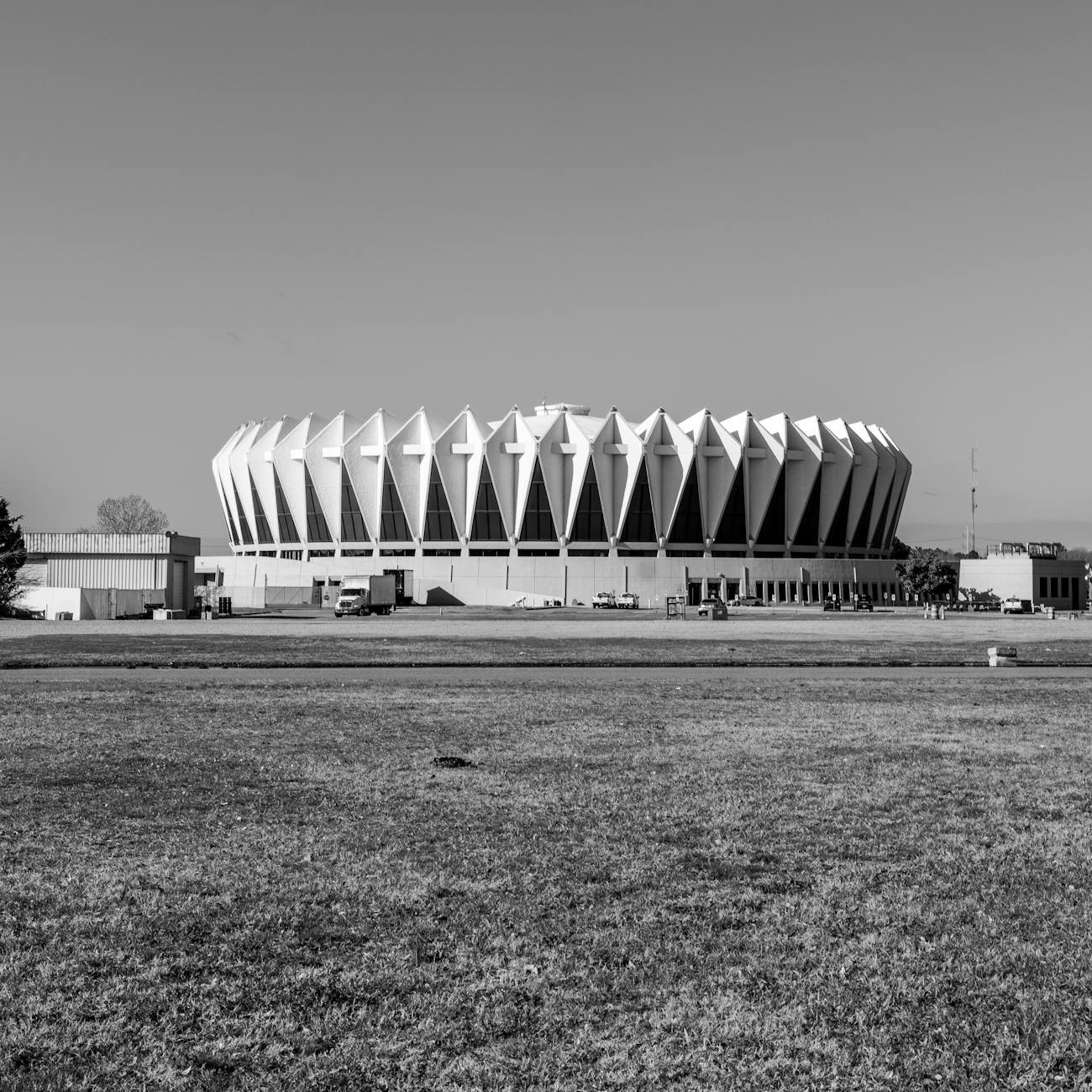
Event Lifecycle refers to the series of phases that an event undergoes from conception to post‑completion analysis. The typical stages include initiation, planning, execution, monitoring, and closure. During the initiation phase the event’s purpose, target audience, and high‑level objectives are defined. For a stadium concert this might involve deciding whether the goal is brand exposure, revenue generation, or community engagement. In the planning stage detailed tasks such as venue layout, staffing, and procurement are scheduled. Execution is the live implementation where all plans are put into action, requiring real‑time coordination among security, catering, and technical crews. Monitoring involves tracking key performance indicators (KPIs) like ticket sales, crowd density, and incident reports to ensure the event stays on track. Finally, closure encompasses debriefings, financial reconciliation, and post‑event reporting. A common challenge is maintaining continuity between phases; gaps often arise when documentation is not transferred effectively, leading to duplicated efforts or missed deadlines.
Feasibility Study is an analytical process used to determine whether an event is viable given constraints such as budget, time, regulatory requirements, and market demand. The study typically includes a market analysis, cost‑benefit assessment, risk appraisal, and resource availability check. For example, before hosting an international football tournament in a stadium, managers must evaluate whether existing seating capacity, transportation infrastructure, and hospitality services can support the projected influx of fans. The feasibility study will also compare alternative venues or dates to identify the most advantageous option. One practical application is creating a feasibility matrix that scores each factor on a scale, allowing stakeholders to visualize strengths and weaknesses. A frequent obstacle is the reliance on optimistic sales forecasts, which can skew the cost‑benefit analysis and result in budget overruns.
Stakeholder Analysis involves identifying all parties who have an interest in the event and assessing their influence, expectations, and communication needs. Stakeholders may include sponsors, local authorities, fans, athletes, media, vendors, and community groups. By mapping stakeholders on an influence‑interest grid, managers can prioritize engagement strategies. For a stadium renovation event, the local municipality might have high influence due to permitting authority, while nearby residents possess high interest but lower influence. Effective communication plans ensure that high‑influence stakeholders receive detailed briefings, whereas low‑influence groups receive concise updates. A typical challenge is managing conflicting stakeholder objectives; sponsors may prioritize brand visibility while residents may be concerned about noise and traffic. Balancing these demands requires negotiation skills and transparent decision‑making processes.
Budgeting is the process of estimating, allocating, and controlling financial resources throughout the event lifecycle. A comprehensive budget includes line items for venue rental, staffing, security, marketing, technology, insurance, and contingency reserves. In stadium management, budgeting often incorporates variable costs such as per‑ticket royalties or revenue‑sharing agreements with sports leagues. Practical application involves using a spreadsheet model that tracks actual expenditures against projected figures on a weekly basis. Managers can employ variance analysis to identify overspending early and reallocate funds accordingly. One common challenge is hidden costs, such as overtime for security personnel during peak crowd periods, which can erode profit margins if not anticipated.
Risk Management encompasses the identification, assessment, mitigation, and monitoring of potential threats that could impact the event’s success. Risks are categorized by probability and impact, ranging from low‑probability, high‑impact events like a stadium roof collapse to high‑probability, low‑impact issues such as minor equipment failures. A risk register is maintained to document each risk, its owner, mitigation measures, and status. For instance, weather‑related risk for an outdoor concert might be mitigated by securing a backup indoor venue and having rain‑proof staging equipment on standby. Practical tools include Monte Carlo simulations to forecast financial exposure under different scenarios. Challenges arise when risk perception differs among stakeholders; sponsors may downplay safety concerns to protect branding, while regulators enforce stringent controls, creating tension that must be managed diplomatically.
Venue Selection is the strategic process of choosing a stadium or ancillary space that best aligns with event objectives, audience size, technical requirements, and logistical considerations. Criteria include capacity, sightlines, acoustics, accessibility, parking, and proximity to public transportation. For a high‑profile e‑sports tournament, the venue must support high‑speed internet connectivity, extensive lighting rigs, and large video screens. A practical approach is to develop a weighted scoring system where each criterion is assigned a percentage importance, allowing objective comparison of multiple venues. A recurring challenge is the trade‑off between ideal specifications and budget constraints; a stadium with perfect acoustics may exceed the allocated budget, forcing managers to negotiate discounts or adjust other line items.
Logistics refers to the coordination of physical resources, movement of personnel, and flow of materials required to support the event. In stadium contexts, logistics includes stage construction, seating configuration, concession setup, waste management, and transportation of equipment. Effective logistics planning employs Gantt charts to schedule tasks, ensuring that critical path activities such as rigging the main stage are completed before the arrival of performers. Real‑time communication tools, like two‑way radios and mobile apps, facilitate rapid response to unforeseen issues, such as a delayed delivery of lighting fixtures. One notable challenge is the limited access points of large stadiums, which can cause bottlenecks for freight trucks during peak load‑in periods, necessitating precise timing and coordination with venue security.
Crowd Management involves strategies to safely and efficiently move large numbers of spectators within and around the stadium. Core components include ingress and egress planning, queue design, signage, and crowd‑control personnel deployment. For a sold‑out football match, managers must calculate the optimal number of turnstiles to minimize wait times while complying with fire‑safety regulations. Simulation software can model pedestrian flow, identifying potential congestion zones. Practical application includes assigning specific staff to monitor high‑traffic areas and employing barrier systems to guide movement. Challenges often arise from unexpected surges, such as a sudden influx of fans after a late‑night victory, which can overwhelm pre‑planned pathways and increase the risk of injuries.
Security is the set of measures designed to protect attendees, staff, assets, and the venue from intentional or accidental harm. Security planning encompasses threat assessments, access control, surveillance, and emergency response protocols. In a stadium hosting a political rally, security teams must coordinate with law‑enforcement agencies to manage protester interactions and protect dignitaries. Practical tools include credentialed RFID badges for staff, CCTV monitoring, and metal detectors at entry points. A persistent challenge is balancing a visible security presence, which deters threats, with a welcoming atmosphere that does not alienate fans. Overly aggressive screening can lead to negative public perception and potential loss of ticket sales.
Ticketing systems manage the sale, distribution, and validation of entry passes for the event. Modern ticketing platforms integrate online sales, mobile ticket scanning, and dynamic pricing algorithms. For a stadium concert, tiered pricing may be used to allocate premium seats near the stage at higher rates while offering affordable options for upper‑level sections. Practical application includes setting up a pre‑sale for season ticket holders to reward loyalty, followed by a general public sale. Ticket fraud is a major challenge; counterfeit tickets can cause entry delays and revenue loss. Implementing QR‑code verification and partnering with reputable ticketing agencies helps mitigate this risk.
Marketing encompasses the promotional activities designed to attract attendees, sponsors, and media attention. Strategies include digital advertising, social‑media campaigns, influencer partnerships, and traditional media buys. For a stadium hosting an international rugby match, targeted ads may focus on fans in neighboring countries, highlighting travel packages and stadium amenities. Practical tools such as marketing automation platforms enable segmentation of audiences based on demographics, purchase history, and engagement level, allowing personalized messaging. A key challenge is measuring return on investment (ROI) for marketing spend; attribution models must be carefully designed to link ticket sales back to specific promotional channels.
Sponsorship is the financial or in‑kind support provided by corporate partners in exchange for brand exposure and activation opportunities. Sponsorship packages often include naming rights, signage, product placement, and hospitality suites. In a stadium setting, a major airline might secure “Official Airline Partner” status, gaining exclusive rights to display its logos on ticketing materials and to operate a lounge for premium ticket holders. Practical application involves creating a sponsorship prospectus that outlines audience demographics, media reach, and activation options. Negotiating sponsorship agreements can be complex, as sponsors may request extensive customization that conflicts with venue branding guidelines. Managing these expectations while preserving the stadium’s identity is a frequent challenge.
Branding refers to the visual and experiential elements that convey the event’s identity to stakeholders. This includes logos, color schemes, signage, merchandise, and tone of voice. Consistent branding across all touchpoints—digital tickets, on‑site signage, and staff uniforms—reinforces recognition and enhances perceived professionalism. For a stadium hosting a music festival, a distinctive graphic motif may be applied to stage backdrops, souvenir t‑shirts, and social‑media graphics. Practical implementation requires a brand style guide that specifies font usage, color codes, and logo placement rules. A common obstacle is ensuring that third‑party vendors, such as concession operators, adhere to branding standards, which may require contractual clauses and regular audits.
Hospitality encompasses the services provided to enhance the attendee experience, ranging from food and beverage offerings to premium lounge access. In stadium events, hospitality packages often include catered meals, exclusive viewing areas, and meet‑and‑greet opportunities with performers or athletes. A practical example is a “VIP Suite” that offers climate‑controlled seating, dedicated waitstaff, and private restrooms. Hospitality revenue can significantly boost overall profitability, but it also introduces operational complexities such as inventory management, staffing ratios, and compliance with health‑code regulations. Challenges include maintaining service quality during peak demand periods and ensuring that hospitality areas do not create perceived inequities among general‑admission attendees.
Audio‑Visual (AV) Production involves the design, installation, and operation of sound, lighting, and video equipment to create an immersive environment. In a stadium concert, AV teams must balance high‑decibel sound reinforcement with acoustic constraints to avoid echo and ensure clear audio for all spectators. Lighting design may incorporate dynamic LED fixtures synchronized with music, while large video screens display live feeds and visual effects. Practical application includes conducting a site survey to map power distribution, rigging points, and sightline considerations. A frequent challenge is coordinating AV crews with other technical teams, such as stage designers and broadcasters, to prevent interference and ensure seamless transitions between performances.
Lighting Design is the strategic placement and programming of illumination to achieve aesthetic, functional, and safety objectives. For a nighttime stadium event, lighting must provide adequate field illumination for athletes while also creating dramatic effects for spectators. Designers use a combination of floodlights, spotlights, and moving heads, often controlled via computer‑based consoles. Practical tools include light‑plot software that visualizes fixture locations and beam angles, enabling precise planning. Challenges arise when existing stadium infrastructure limits the placement of additional fixtures, requiring creative solutions such as temporary truss structures or portable LED towers.
Sound Engineering focuses on delivering clear, balanced audio to both the live audience and broadcasting partners. In a stadium setting, sound engineers must manage large‑scale speaker arrays, delay towers, and on‑stage monitors. Equalization, compression, and feedback suppression are applied to ensure consistent volume levels across the venue. A practical scenario involves conducting a soundcheck with the performing artist to tailor the mix to their preferences while adhering to local noise ordinances. One major challenge is dealing with acoustic anomalies caused by the stadium’s curvature and open‑air environment, which can lead to echo or dead zones that require strategic speaker placement and digital signal processing.
Sustainability refers to the integration of environmentally responsible practices throughout the event lifecycle. This includes waste reduction, energy efficiency, water conservation, and carbon‑offset initiatives. For a stadium hosting a large‑scale tournament, sustainable measures might involve using biodegradable food containers, implementing a recycling program with clearly labeled bins, and powering lighting with renewable energy sources. Practical application can be tracked via a sustainability scorecard that records metrics such as kilograms of waste diverted from landfill and megawatt‑hours of renewable energy consumed. Challenges often stem from higher upfront costs for green technologies and the need to educate vendors and attendees on proper waste segregation.
Accessibility ensures that all participants, including those with disabilities, can fully experience the event. Compliance with regulations such as the Americans with Disabilities Act (ADA) or equivalent local standards is mandatory. In a stadium context, this involves providing wheelchair‑accessible seating, assistive listening devices, tactile signage, and staff trained to assist patrons with special needs. Practical steps include conducting an accessibility audit during the planning phase and incorporating universal‑design principles into venue layout. A persistent challenge is retrofitting older stadiums that lack built‑in accessibility features, which may require costly modifications such as installing ramps, elevators, and accessible restrooms.
Compliance encompasses adherence to legal, regulatory, and contractual obligations that govern event execution. This includes permits for noise, alcohol sales, crowd capacity, and health and safety. For a stadium event serving alcohol, managers must obtain a liquor license, enforce age verification, and train staff in responsible service practices. Practical tools include a compliance checklist that is reviewed at each project milestone, ensuring that no requirement is overlooked. Challenges arise when regulations differ across jurisdictions, especially for events that attract international audiences, necessitating coordination with multiple governmental agencies.
Permitting is the process of acquiring official authorizations required to conduct specific activities within the stadium. Types of permits may include building permits for temporary structures, fire permits for fireworks displays, and health permits for food vendors. The permitting timeline often runs parallel to the planning phase, and delays can jeopardize the event schedule. A practical approach involves creating a permit acquisition matrix that lists each required permit, the issuing authority, submission deadlines, and status updates. Common obstacles include complex application procedures, variable processing times, and the need for detailed documentation such as site plans and safety protocols.
Insurance provides financial protection against potential losses arising from accidents, cancellations, or liabilities. Typical policies for stadium events include general liability, property damage, event cancellation, and workers’ compensation. For a high‑profile concert, organizers may secure a cancellation policy that reimburses a portion of expenses if the headliner withdraws due to illness. Practical steps involve consulting with an insurance broker to tailor coverage to the specific risk profile of the event. A frequent challenge is negotiating appropriate deductibles and limits, especially when sponsors demand additional coverage that may increase overall premiums.
Emergency Planning outlines procedures for responding to incidents such as medical emergencies, severe weather, security threats, or infrastructure failures. The plan includes evacuation routes, communication protocols, designated assembly points, and coordination with local emergency services. In a stadium scenario, emergency planning must account for the large capacity and multiple entry points, ensuring that egress can be achieved within the required time frame. Practical tools include conducting tabletop exercises with key staff and performing live drills with fire and police departments. Challenges often involve maintaining up‑to‑date contact lists and ensuring that all staff, including temporary contractors, are familiar with the emergency procedures.
Post‑Event Evaluation is the systematic review of performance against objectives, encompassing financial results, attendee satisfaction, operational efficiency, and stakeholder feedback. Data collection methods include surveys, ticketing analytics, social‑media sentiment analysis, and internal debrief meetings. For a stadium hosting a championship game, the evaluation might assess metrics such as average attendance, concession revenue per attendee, and incident reports. Practical application involves compiling a post‑event report that highlights successes, identifies areas for improvement, and recommends actionable steps for future events. A common challenge is obtaining candid feedback from vendors and staff, who may be reluctant to disclose shortcomings without a culture of continuous improvement.
Contract Management involves the creation, negotiation, execution, and monitoring of agreements with suppliers, sponsors, and service providers. Effective contract management ensures that deliverables are met on time, within budget, and to the required quality standards. In stadium operations, contracts may cover catering services, security staffing, audio‑visual rentals, and cleaning. A practical tool is a contract management system that tracks key dates, renewal options, and compliance checkpoints. Challenges often arise from ambiguous clauses that lead to disputes, making precise language and clear performance metrics essential.
Resource Allocation is the process of assigning personnel, equipment, and funds to specific tasks based on priority and availability. In a multi‑day stadium event, resource allocation must balance the needs of opening ceremonies, main performances, and ancillary activities such as fan zones. Practical methods include using a resource‑loading chart to visualize workload distribution and prevent overallocation. A typical challenge is dealing with limited specialized equipment, such as high‑capacity generators, which may need to be shared across concurrent activities, requiring careful scheduling to avoid conflicts.
Scheduling refers to the development of a timeline that sequences all event‑related activities, from load‑in to load‑out. Critical path analysis helps identify tasks that directly affect the overall completion date, allowing managers to focus on those activities. In stadium management, scheduling must account for constraints like stadium availability, team practice times, and local traffic regulations. Practical tools include project‑management software that integrates Gantt charts and resource calendars. Challenges often stem from external dependencies, such as vendor delivery delays, which can shift the entire schedule if not proactively managed.
Communication Plan outlines how information will be disseminated to internal teams, external partners, media, and attendees. The plan defines communication channels, frequency, responsible parties, and message content. For a stadium event, channels may include email newsletters, SMS alerts, social‑media posts, and on‑site public address systems. A practical example is a pre‑event briefing packet sent to all staff, detailing emergency procedures, ticketing protocols, and branding guidelines. Challenges include ensuring message consistency across diverse audiences and preventing information overload that can lead to confusion.
Volunteer Management focuses on recruiting, training, assigning, and recognizing individuals who provide services without monetary compensation. Volunteers are commonly used for crowd control, ushering, and hospitality assistance in stadium events. Effective volunteer management involves clear role descriptions, structured training sessions, and incentive programs such as certificates or exclusive access passes. A practical approach is to create a volunteer portal where participants can sign up for shifts, receive updates, and log hours. Challenges include high turnover rates and varying commitment levels, which require robust scheduling and contingency plans.
Vendor Coordination entails the oversight of external suppliers who provide goods and services, ensuring that they meet contractual obligations and align with event timelines. In a stadium setting, vendors may include food trucks, merchandise retailers, and equipment rental firms. Coordination involves regular check‑ins, site inspections, and performance monitoring. A practical tool is a vendor scorecard that rates suppliers on criteria such as punctuality, quality, and compliance with safety standards. Common challenges include last‑minute changes to vendor requirements and the need to manage multiple vendors operating in close proximity, which can lead to logistical conflicts.
Health and Safety policies are designed to protect the wellbeing of all participants, covering aspects such as sanitation, ergonomics, and occupational hazards. For stadium events, this includes ensuring that food handling follows hygiene standards, that staff have appropriate personal protective equipment (PPE), and that the venue is free from tripping hazards. Practical implementation often involves conducting risk assessments for each activity and posting safety signage in high‑risk zones. A persistent challenge is maintaining vigilance throughout long‑duration events, as fatigue can increase the likelihood of accidents.
Technology Integration refers to the incorporation of digital solutions such as mobile ticketing, RFID access control, and data analytics platforms to enhance operational efficiency and attendee experience. In a modern stadium, RFID wristbands may be used for cashless payments at concession stands, providing real‑time sales data and reducing queue times. Practical application includes deploying a central command dashboard that aggregates data from ticketing, crowd monitoring, and social‑media feeds, enabling rapid decision‑making. Challenges include ensuring system interoperability, protecting data privacy, and providing technical support for users unfamiliar with new technologies.
Data Analytics involves the collection, processing, and interpretation of information to inform strategic decisions. Metrics for stadium events can include ticket sales trends, concession revenue per seat, dwell time in fan zones, and social‑media engagement rates. Practical tools such as business‑intelligence software allow managers to visualize data through dashboards and generate predictive models for future demand. A key challenge is data quality; incomplete or inaccurate data can lead to misguided conclusions, emphasizing the need for rigorous data‑validation procedures.
Social Media Management encompasses the planning, execution, and monitoring of online presence before, during, and after the event. Platforms like Instagram, Twitter, and TikTok are leveraged to build hype, share live updates, and engage with fans. Practical strategies include creating an event‑specific hashtag, scheduling countdown posts, and using live‑stream features to broadcast behind‑the‑scenes content. Challenges include managing real‑time negative feedback or misinformation, which requires a responsive moderation team and clear communication protocols.
Legal Considerations address the contractual, intellectual‑property, and liability aspects that may affect the event. For stadium events, issues such as music licensing, broadcast rights, and image releases for athletes must be negotiated and documented. Practical steps involve consulting with legal counsel during the contract drafting phase to ensure that clauses regarding force‑majeure, indemnification, and jurisdiction are properly defined. A common challenge is navigating the complexities of multi‑jurisdictional law when an event attracts an international audience, requiring careful coordination with legal experts in each relevant region.
Stakeholder Engagement is the ongoing process of building and maintaining relationships with individuals or groups who have a vested interest in the event’s outcome. Effective engagement strategies include regular updates, invitation to planning workshops, and opportunities for co‑creation, such as allowing sponsors to design interactive experiences. Practical methods involve establishing a stakeholder advisory board that meets quarterly to review progress and provide feedback. Challenges often stem from divergent priorities; for example, local residents may prioritize noise reduction while sponsors focus on maximizing brand exposure, necessitating compromise and transparent negotiation.
Financial Reporting provides a detailed account of income, expenses, and profitability, serving as a tool for accountability and future budgeting. In stadium management, financial reports may be broken down by department (e.G., Security, catering, marketing) and compared against budgeted figures. Practical use of accounting software enables real‑time tracking of cash flow and generation of variance reports. A recurring challenge is reconciling disparate data sources, such as point‑of‑sale systems for concessions and third‑party ticketing platforms, which can lead to discrepancies if not carefully integrated.
Performance Metrics are quantifiable indicators used to assess the success of various aspects of the event. Common metrics include average attendance per seat, net promoter score (NPS) for attendee satisfaction, incident rate per 1,000 spectators, and return on sponsorship investment. Practical implementation involves establishing baseline targets during the planning phase and monitoring them throughout execution. Challenges include selecting metrics that truly reflect strategic objectives rather than vanity numbers, and ensuring that data collection methods are reliable and consistent.
Change Management addresses how modifications to the event plan are identified, approved, and communicated. Changes may arise due to unexpected circumstances such as a headline act canceling or a new regulatory requirement. A practical change‑control process includes a change request form, impact analysis, approval hierarchy, and documentation of the final decision. Challenges often involve resistance from stakeholders who are accustomed to the original plan, making it essential to articulate the rationale and benefits of the proposed change.
Operational Excellence is the pursuit of efficient, reliable, and high‑quality processes that deliver value to attendees and stakeholders. In stadium event management, operational excellence is achieved through standard operating procedures (SOPs), continuous training, and performance audits. Practical tools include checklists for each functional area, such as a pre‑game security briefing checklist, and regular audits to verify compliance. A key challenge is sustaining excellence over time, particularly when staff turnover is high and institutional knowledge must be transferred to new team members.
Supply Chain Management involves the coordination of procurement, transportation, storage, and distribution of goods required for the event. For a stadium, this may include sourcing food and beverage supplies, merchandise, and technical equipment. Practical techniques such as just‑in‑time (JIT) delivery can reduce onsite inventory needs, but require reliable logistics partners and accurate demand forecasting. Challenges include disruptions caused by external factors like fuel price spikes or port congestion, which can jeopardize timely delivery and increase costs.
Audience Development focuses on strategies to attract new attendees and retain existing fans, expanding the event’s reach and loyalty base. In a stadium context, initiatives may involve community outreach programs, school partnerships, and early‑bird ticket discounts for local residents. Practical application includes segmenting the audience by demographics and tailoring marketing messages accordingly. A common obstacle is measuring the long‑term impact of development activities, as conversion from first‑time attendee to repeat patron may take multiple event cycles.
Risk Transfer is the practice of shifting certain risks to third parties through mechanisms such as insurance, indemnity clauses, or outsourcing. For stadium events, risk transfer can involve purchasing event cancellation insurance to protect against revenue loss due to unforeseen disruptions. Practical steps include identifying which risks are most costly to retain and negotiating appropriate coverage or contractual protections with suppliers. Challenges arise when insurers demand extensive documentation or high premiums, making it necessary to balance risk exposure with financial feasibility.
Venue Operations encompass the day‑to‑day activities required to keep the stadium functional and ready for events. This includes maintenance, cleaning, security patrols, and facility management. Practical tools such as a computerized maintenance management system (CMMS) help schedule routine inspections and track work orders. A frequent challenge is coordinating routine maintenance with event schedules, ensuring that essential tasks are completed without interfering with event setup or attendee experience.
Ticket Pricing Strategy involves setting price points that maximize revenue while remaining attractive to target audiences. Techniques include dynamic pricing, tiered seating, early‑bird discounts, and group packages. For a stadium concert, dynamic pricing algorithms may adjust prices based on real‑time demand, seat scarcity, and competitor pricing. Practical implementation requires integrating pricing tools with the ticketing platform and monitoring sales velocity. Challenges include managing public perception; aggressive price increases can lead to backlash and negative media coverage if not communicated transparently.
Fan Engagement refers to activities that deepen the connection between the event and its audience, fostering loyalty and enhancing the overall experience. In a stadium setting, fan engagement may be achieved through interactive zones, meet‑and‑greet sessions, and mobile app features that allow fans to vote on setlists or access exclusive content. Practical examples include a “Fan Zone” where attendees can try out virtual reality experiences related to the event theme. A key challenge is delivering consistent engagement across diverse demographic groups, requiring a mix of digital and physical activations.
Logistical Contingency Planning prepares for unexpected disruptions by establishing alternative procedures and resources. Common contingencies include backup power generators, secondary supplier contracts, and alternate routing for traffic management. Practical steps involve conducting a tabletop exercise that simulates a power outage during a stadium event, identifying critical tasks that must be reassigned and resources that need to be mobilized. Challenges often stem from the cost of maintaining redundant systems, which may be perceived as unnecessary until a crisis occurs, emphasizing the need for risk‑based justification.
Regulatory Compliance ensures that all aspects of the event meet the legal standards set by governmental bodies, industry organizations, and internal policies. For stadium events, compliance areas include fire safety codes, health department regulations for food service, and licensing requirements for amplified sound. Practical tools involve a compliance matrix that lists each regulation, responsible party, and deadline for documentation. A persistent challenge is keeping abreast of regulatory changes, especially when hosting international events that may be subject to multiple jurisdictional requirements.
Community Relations focuses on building positive relationships with the local population and civic organizations surrounding the stadium. Initiatives may include noise‑mitigation measures, traffic‑impact studies, and charitable partnerships that benefit local schools or nonprofits. Practical application includes hosting a pre‑event town hall where residents can voice concerns and receive updates on mitigation strategies. Challenges often arise from competing interests; for instance, a stadium expansion may promise economic benefits but also raise concerns about increased congestion, requiring transparent dialogue and mutually beneficial solutions.
Environmental Impact Assessment evaluates the potential ecological effects of hosting an event, covering aspects such as waste generation, energy consumption, and carbon emissions. In stadium management, the assessment may quantify the amount of single‑use plastic eliminated through reusable cup programs or calculate the reduction in greenhouse‑gas emissions achieved by encouraging public‑transport use. Practical tools include carbon‑footprint calculators and life‑cycle analysis software. A common challenge is translating assessment results into actionable policies that are both environmentally responsible and financially viable.
Ticket Distribution Channels refer to the platforms through which tickets are sold and delivered to consumers. Options include the stadium’s own website, third‑party ticketing agencies, and physical box offices. Each channel has distinct cost structures, reach, and data capture capabilities. Practical considerations involve negotiating commission rates with external agencies and ensuring that all channels are synchronized to prevent overselling. Challenges include managing fraud risk associated with secondary markets and maintaining consistent branding across disparate sales platforms.
Stakeholder Feedback Loops are mechanisms that allow continuous input from interested parties to inform ongoing improvements. Methods include post‑event surveys, focus groups, and digital comment portals. For a stadium hosting a recurring tournament, feedback loops enable organizers to track changes in attendee satisfaction over successive years, identifying trends such as increasing demand for better Wi‑Fi connectivity. Practical implementation involves establishing a schedule for data collection, analysis, and reporting to relevant teams. A challenge is achieving high response rates; incentives such as discounted future tickets can improve participation but add additional cost.
Operational Budget Forecasting projects future financial needs based on historical data, planned activities, and anticipated market conditions. In stadium management, forecasting models may incorporate variables such as expected attendance, average spend per fan, and inflation rates for labor costs. Practical tools include spreadsheet models with scenario analysis, allowing managers to evaluate best‑case, worst‑case, and most‑likely outcomes. A frequent challenge is accounting for unforeseen variables like sudden regulatory changes that affect pricing or staffing requirements, necessitating flexible forecasting approaches.
Incident Management is the systematic approach to detecting, responding to, and learning from adverse events that occur during the event. An incident may range from a medical emergency to a technical failure of audio equipment. Practical steps involve establishing an incident command center, training staff on reporting protocols, and maintaining a log of all incidents for post‑event analysis. Challenges include ensuring rapid communication across multiple teams and preventing escalation of minor issues into larger problems.
Volunteer Recruitment focuses on attracting individuals who are motivated to contribute their time and skills to the event. Effective recruitment strategies may involve outreach through local schools, community groups, and social‑media campaigns highlighting the benefits of volunteering, such as free admission or exclusive merchandise. Practical tools include online sign‑up forms that capture volunteer availability and skill sets. A key challenge is retaining volunteers through the event, especially when tasks become demanding; providing clear expectations and recognition helps mitigate dropout rates.
Contractual Obligations are the specific duties and deliverables stipulated in agreements with partners, vendors, and sponsors. Failure to meet these obligations can result in penalties, legal disputes, or damage to reputation. In stadium events, contractual obligations often include performance timelines for stage construction, branding placement requirements for sponsors, and service‑level agreements for cleaning crews. Practical management involves maintaining a master contract register that tracks deadlines, deliverables, and compliance status. Challenges arise when contracts contain ambiguous language, leading to differing interpretations that must be resolved through negotiation or mediation.
Performance Review is the periodic assessment of staff and vendor performance against predefined criteria. In stadium management, review criteria may include punctuality, quality of work, adherence to safety protocols, and customer service ratings. Practical implementation includes conducting quarterly reviews, using scorecards, and providing constructive feedback. A challenge is balancing objective metrics with subjective observations, ensuring that evaluations are fair and perceived as supportive rather than punitive.
Strategic Partnerships involve collaborations with organizations that bring complementary strengths, such as technology firms providing RFID solutions or hospitality groups offering premium catering. These partnerships can enhance the overall event offering and expand market reach. Practical steps include identifying potential partners, developing joint value propositions, and formalizing agreements with clear deliverables. A common challenge is aligning partnership goals with the stadium’s brand identity, preventing dilution or conflict of interest.
Event Technology Stack describes the suite of software and hardware tools used to plan, execute, and analyze the event. Core components may include project‑management platforms, ticketing systems, crowd‑monitoring sensors, and analytics dashboards. Practical integration requires establishing data pipelines that allow seamless flow of information between systems, such as linking ticket sales to real‑time attendance counts. Challenges include ensuring compatibility across legacy systems and preventing data silos that hinder comprehensive insight.
Compliance Audits are systematic examinations of processes and documentation to verify adherence to regulatory and internal standards. For stadium events, audits may focus on safety inspections, financial controls, and sponsor contract compliance. Practical execution involves creating an audit schedule, assigning auditors, and generating reports that highlight findings and corrective actions. A typical challenge is coordinating audit activities without disrupting event preparation, requiring careful timing and clear communication with all stakeholders.
Stakeholder Satisfaction Index is a composite metric that quantifies the overall contentment of different stakeholder groups, incorporating survey results, net promoter scores, and qualitative feedback. In stadium management, the index can be used to benchmark satisfaction across sponsors, attendees, and community partners. Practical application includes weighting each stakeholder group based on strategic importance and tracking changes over time to gauge the impact of improvement initiatives. Challenges include ensuring that the index accurately reflects diverse expectations and that data collection methods are consistent across groups.
Operational Resilience refers to the ability of the stadium event operation to absorb shocks and continue functioning under adverse conditions. This may involve redundant power supplies, flexible staffing models, and robust communication networks. Practical measures include conducting stress‑test simulations that evaluate how the operation would respond to scenarios such as a cyber‑attack on ticketing systems or a sudden surge in crowd density due to an unexpected celebrity appearance. A major challenge is justifying the investment in resilience measures, as the benefits are often realized only when a disruption occurs.
Event Branding Guidelines provide a framework for consistent visual and verbal representation of the event across all mediums. Guidelines cover logo usage, color palettes, typography, and tone of voice. For a stadium tournament, the branding guidelines ensure that sponsor signage, digital ads, and on‑site décor all reflect the same aesthetic, reinforcing brand cohesion. Practical implementation involves distributing a brand manual to all vendors and conducting compliance checks during the setup phase. Challenges can arise when external partners interpret guidelines differently, requiring clear communication and, if necessary, corrective feedback.
Post‑Event Revenue Optimization focuses on extracting additional income streams after the event concludes. Strategies may include selling recorded performances, licensing footage, offering merchandise through online stores, and providing data insights to sponsors for future campaigns. Practical steps involve negotiating post‑event rights in the original contracts and establishing a timeline for releasing ancillary products. A frequent challenge is managing the rights and royalties associated with third‑party content, which can be complex and time‑consuming if not addressed early in the planning process.
Capacity Planning determines the optimal number of attendees that the stadium can safely accommodate while delivering a high‑quality experience. Factors considered include seat availability, fire‑code egress requirements, restroom capacity, and concession throughput. Practical tools such as simulation software can model crowd behavior under various scenarios, helping planners identify potential bottlenecks. Challenges arise when demand exceeds capacity, prompting the need for ticket allocation strategies that balance revenue goals with safety considerations.
Operational Documentation encompasses all written records that support the execution of the event, including SOPs, checklists, risk registers, and incident logs. Maintaining accurate documentation ensures that knowledge is retained, facilitating training for new staff and providing evidence for audits. Practical methods involve using a centralized document repository with version control to track changes and ensure that all team members access the most current information. A common challenge is ensuring compliance with document retention policies while also keeping the repository organized and user‑friendly.
Key takeaways
- A common challenge is maintaining continuity between phases; gaps often arise when documentation is not transferred effectively, leading to duplicated efforts or missed deadlines.
- For example, before hosting an international football tournament in a stadium, managers must evaluate whether existing seating capacity, transportation infrastructure, and hospitality services can support the projected influx of fans.
- For a stadium renovation event, the local municipality might have high influence due to permitting authority, while nearby residents possess high interest but lower influence.
- One common challenge is hidden costs, such as overtime for security personnel during peak crowd periods, which can erode profit margins if not anticipated.
- Challenges arise when risk perception differs among stakeholders; sponsors may downplay safety concerns to protect branding, while regulators enforce stringent controls, creating tension that must be managed diplomatically.
- A recurring challenge is the trade‑off between ideal specifications and budget constraints; a stadium with perfect acoustics may exceed the allocated budget, forcing managers to negotiate discounts or adjust other line items.
- One notable challenge is the limited access points of large stadiums, which can cause bottlenecks for freight trucks during peak load‑in periods, necessitating precise timing and coordination with venue security.