
Mine Site Rehabilitation and Closure
Mine site rehabilitation and closure is a critical aspect of environmental management in the mining industry. This process involves the restoration of land and ecosystems that have been impacted by mining activities, with the goal of return…
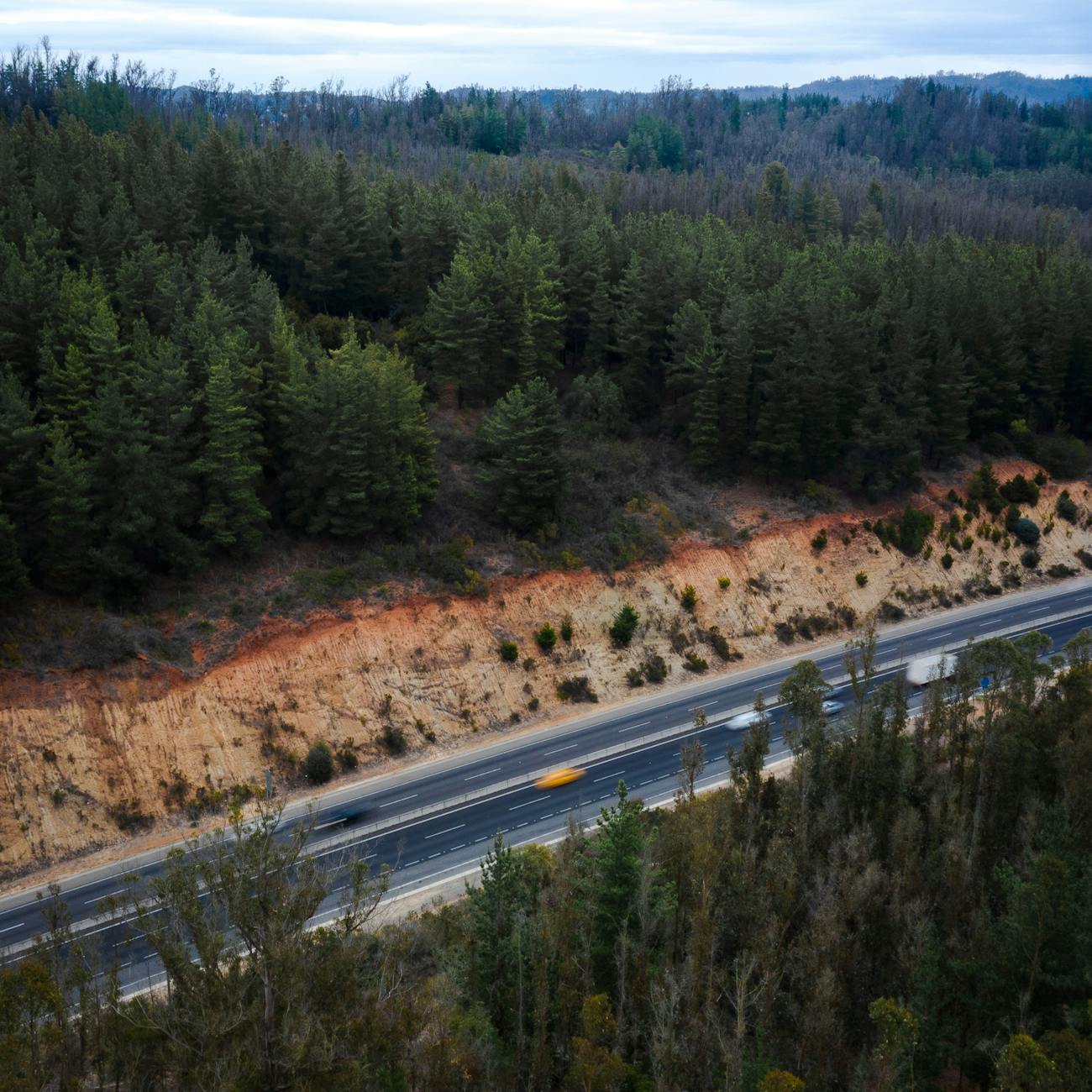
Mine site rehabilitation and closure is a critical aspect of environmental management in the mining industry. This process involves the restoration of land and ecosystems that have been impacted by mining activities, with the goal of returning the area to a state that is safe, stable, and sustainable for future use. There are several key terms and vocabulary associated with mine site rehabilitation and closure that are important to understand in the context of the Advanced Skill Certificate in Environmental Management for Mining.
1. Rehabilitation: The process of restoring the land and ecosystems that have been impacted by mining activities to a stable and sustainable state. This may include activities such as grading and reshaping the land, managing water and sediment, planting vegetation, and controlling erosion.
Example: A mining company may rehabilitate a site by grading and reshaping the land to match the surrounding terrain, planting native vegetation, and installing erosion control measures to prevent soil loss.
2. Closure: The process of ending mining activities and preparing the site for long-term care and maintenance. This may include activities such as removing infrastructure, decommissioning equipment, and managing water and waste.
Example: A mining company may close a site by removing buildings and equipment, sealing underground workings, and establishing a long-term water management plan.
3. Post-closure: The period of time after mining activities have ended and the site has been closed. This is a critical time for monitoring and maintaining the site to ensure that it remains stable and does not pose a risk to the environment or human health.
Example: A mining company may be required to monitor and maintain a closed site for several decades to ensure that the land remains stable and that any potential environmental impacts are addressed.
4. Acid Mine Drainage (AMD): The outflow of acidic water from a mining site, typically as a result of the exposure of pyrite or other sulfide minerals to air and water. AMD can have serious environmental impacts, including the destruction of aquatic ecosystems and the contamination of drinking water supplies.
Example: A mining company may be required to implement measures to prevent or mitigate AMD, such as the use of chemical treatments or the construction of water treatment facilities.
5. Passive Treatment: A method of treating AMD that uses natural processes, such as the growth of vegetation or the formation of iron oxides, to neutralize the acidity and remove contaminants.
Example: A mining company may use passive treatment methods, such as the construction of wetlands or the installation of limestone drains, to treat AMD.
6. Active Treatment: A method of treating AMD that uses mechanical or chemical processes, such as the addition of chemicals or the use of pumps, to neutralize the acidity and remove contaminants.
Example: A mining company may use active treatment methods, such as the construction of a water treatment plant, to treat AMD.
7. Financial Assurance: The financial mechanisms put in place to ensure that a mining company has the resources to rehabilitate and close a site, and to manage any environmental impacts that may occur after closure.
Example: A mining company may be required to provide financial assurance in the form of a bond or trust fund to cover the costs of rehabilitation and closure.
8. Progressive Rehabilitation: A approach to rehabilitation that involves rehabilitating areas of a mining site as soon as they are no longer needed for mining activities, rather than waiting until the end of the mining process.
Example: A mining company may use progressive rehabilitation by rehabilitating areas of the site as soon as they are finished being mined, rather than waiting until the end of the mining process to rehabilitate the entire site.
9. Biodiversity: The variety of different species of plants and animals that live in a particular ecosystem.
Example: A mining company may be required to consider the biodiversity of the area when planning rehabilitation and closure activities, to ensure that the variety of plant and animal species is preserved.
10. Stakeholder Engagement: The process of involving all relevant stakeholders, such as community members, Indigenous groups, and government agencies, in the planning and implementation of rehabilitation and closure activities.
Example: A mining company may engage in stakeholder engagement by holding public meetings, consulting with Indigenous groups, and working with government agencies to ensure that all voices are heard in the rehabilitation and closure process.
11. Monitoring and Reporting: The process of regularly checking and documenting the progress and effectiveness of rehabilitation and closure activities, and reporting this information to relevant stakeholders.
Example: A mining company may be required to monitor and report on rehabilitation and closure activities by conducting regular inspections, taking soil and water samples, and providing regular updates to community members, Indigenous groups, and government agencies.
12. Liability: The legal and financial responsibility for any environmental or human health impacts that may occur as a result of mining activities, including rehabilitation and closure activities.
Example: A mining company may be held liable for any environmental or human health impacts that occur as a result of its mining activities, and may be required to pay for the costs of cleaning up any contamination or compensating affected individuals.
In conclusion, mine site rehabilitation and closure is a complex process that involves a wide range of terms and concepts. Understanding these terms and concepts is essential for those working in the mining industry, as well as for community members, Indigenous groups, and government agencies who are involved in the planning and implementation of rehabilitation and closure activities. By using the proper terminology, stakeholders can effectively communicate and work together to ensure that mining sites are rehabilitated and closed in a safe, sustainable, and responsible manner.
Key takeaways
- There are several key terms and vocabulary associated with mine site rehabilitation and closure that are important to understand in the context of the Advanced Skill Certificate in Environmental Management for Mining.
- Rehabilitation: The process of restoring the land and ecosystems that have been impacted by mining activities to a stable and sustainable state.
- Example: A mining company may rehabilitate a site by grading and reshaping the land to match the surrounding terrain, planting native vegetation, and installing erosion control measures to prevent soil loss.
- This may include activities such as removing infrastructure, decommissioning equipment, and managing water and waste.
- Example: A mining company may close a site by removing buildings and equipment, sealing underground workings, and establishing a long-term water management plan.
- This is a critical time for monitoring and maintaining the site to ensure that it remains stable and does not pose a risk to the environment or human health.
- Example: A mining company may be required to monitor and maintain a closed site for several decades to ensure that the land remains stable and that any potential environmental impacts are addressed.