
Restroom Cleaning Procedures
Restroom Cleaning Procedures:
Restroom Cleaning Procedures:
Restroom cleaning is an essential task in maintaining a clean and hygienic environment in public and private facilities. Proper cleaning procedures are crucial to prevent the spread of germs and bacteria, ensuring the health and safety of occupants. As a Certified Professional in Restroom Cleaning, it is important to understand key terms and vocabulary related to restroom cleaning procedures to effectively perform your duties. Below are some essential terms and concepts you need to know:
1. **Sanitization**: Sanitization is the process of reducing the number of microorganisms to a safe level as determined by public health standards. It involves cleaning and disinfecting surfaces to prevent the spread of germs and bacteria.
2. **Disinfection**: Disinfection is the process of killing or inactivating disease-causing microorganisms on surfaces. It is a critical step in restroom cleaning to ensure a safe and germ-free environment.
3. **Cleaning Agent**: A cleaning agent is a substance or product used to remove dirt, stains, and germs from surfaces. Common cleaning agents include bleach, disinfectants, detergents, and degreasers.
4. **Personal Protective Equipment (PPE)**: PPE refers to protective clothing, gear, and equipment worn to protect the cleaner from exposure to chemicals, germs, and other hazards during the cleaning process. Examples of PPE include gloves, masks, goggles, and aprons.
5. **Cross-Contamination**: Cross-contamination occurs when germs or bacteria are transferred from one surface to another, leading to the spread of infections. It is important to prevent cross-contamination by using separate cleaning tools for different areas in the restroom.
6. **Biohazard**: A biohazard is a biological substance that poses a threat to human health. Restrooms may contain biohazards such as blood, urine, and feces, which require special handling and disposal procedures.
7. **High-Touch Surfaces**: High-touch surfaces are areas in restrooms that are frequently touched by multiple people, such as door handles, faucets, toilet flush handles, and light switches. These surfaces require regular cleaning and disinfection to prevent the spread of germs.
8. **Dwell Time**: Dwell time refers to the amount of time a disinfectant or cleaning agent must remain on a surface to effectively kill germs and bacteria. It is important to follow the manufacturer's instructions for proper dwell time to ensure thorough disinfection.
9. **pH Level**: The pH level is a measure of the acidity or alkalinity of a cleaning solution. A pH of 7 is considered neutral, while lower pH levels indicate acidity and higher pH levels indicate alkalinity. Different cleaning agents are effective at specific pH levels for optimal cleaning performance.
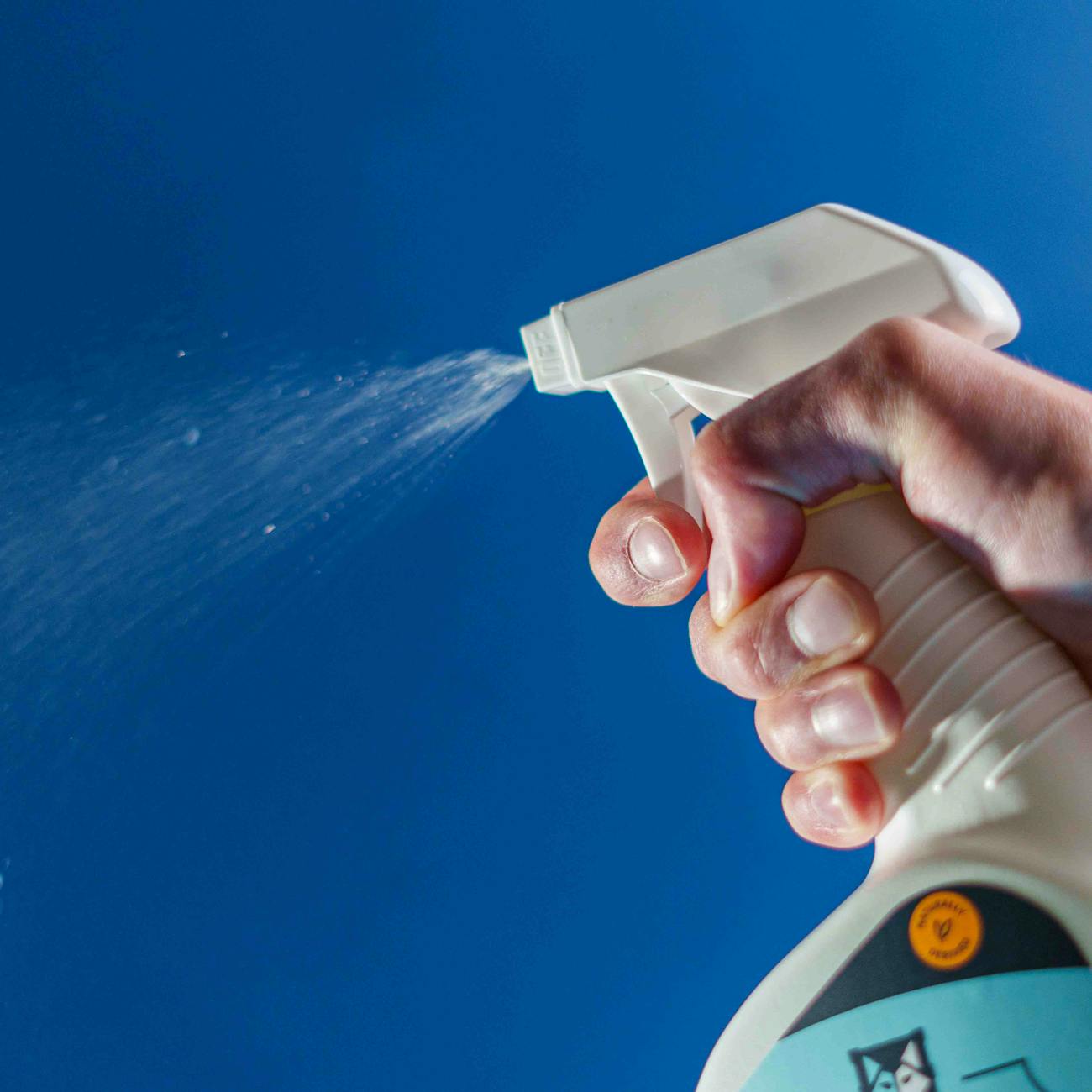
10. **Aerosolization**: Aerosolization is the process of converting liquid cleaning agents or disinfectants into fine mist or particles for application on surfaces. Aerosolization helps to distribute the cleaning solution evenly and reach areas that are hard to access with traditional cleaning methods.
11. **Slip and Fall Hazards**: Slip and fall hazards refer to conditions in restrooms that increase the risk of accidents due to wet floors, spills, or inadequate signage. It is important to identify and address slip and fall hazards to prevent injuries and maintain a safe environment.
12. **Ventilation**: Ventilation is the process of exchanging indoor air with outdoor air to remove odors, contaminants, and moisture from the restroom. Proper ventilation helps to improve indoor air quality and prevent the buildup of harmful gases and mold.
13. **Restroom Fixture**: Restroom fixtures are permanent installations in the restroom, such as sinks, toilets, urinals, and hand dryers. Cleaning and maintaining restroom fixtures regularly are essential to ensure proper functioning and hygiene.
14. **Water Conservation**: Water conservation refers to the efficient use of water in restrooms to reduce waste and promote sustainability. Implementing water-saving fixtures and practices can help conserve water and lower utility costs in restroom facilities.
15. **Green Cleaning**: Green cleaning is an eco-friendly approach to cleaning that focuses on using environmentally friendly products and practices to minimize the impact on the environment and human health. Green cleaning products are non-toxic, biodegradable, and sustainable alternatives to traditional cleaning agents.
16. **Quality Assurance**: Quality assurance involves monitoring and evaluating restroom cleaning procedures to ensure compliance with industry standards, regulations, and customer expectations. Regular inspections, audits, and feedback are essential for maintaining high cleaning standards and customer satisfaction.
17. **Emergency Response**: Emergency response protocols are procedures to follow in case of accidents, spills, or hazardous situations in restrooms. Proper training and preparedness are crucial to respond quickly and effectively to emergencies and minimize risks to occupants and cleaners.
18. **Waste Management**: Waste management includes the proper handling, segregation, and disposal of waste generated during restroom cleaning. It is important to follow local regulations and guidelines for waste management to protect the environment and public health.
19. **Training and Certification**: Training and certification programs provide cleaners with the knowledge, skills, and credentials to perform restroom cleaning tasks effectively and safely. Continuous training and professional development are essential for staying updated on industry best practices and trends.
20. **Customer Service**: Customer service is the provision of assistance, support, and satisfaction to restroom users and facility managers. Good customer service involves effective communication, responsiveness, and professionalism to meet or exceed customer expectations.
In conclusion, understanding key terms and vocabulary related to restroom cleaning procedures is essential for Certified Professionals in Restroom Cleaning to perform their duties efficiently and effectively. By applying the concepts and practices outlined above, cleaners can maintain clean, hygienic, and safe restroom environments for the well-being of occupants and the success of their organizations.
Key takeaways
- As a Certified Professional in Restroom Cleaning, it is important to understand key terms and vocabulary related to restroom cleaning procedures to effectively perform your duties.
- **Sanitization**: Sanitization is the process of reducing the number of microorganisms to a safe level as determined by public health standards.
- **Disinfection**: Disinfection is the process of killing or inactivating disease-causing microorganisms on surfaces.
- **Cleaning Agent**: A cleaning agent is a substance or product used to remove dirt, stains, and germs from surfaces.
- **Personal Protective Equipment (PPE)**: PPE refers to protective clothing, gear, and equipment worn to protect the cleaner from exposure to chemicals, germs, and other hazards during the cleaning process.
- **Cross-Contamination**: Cross-contamination occurs when germs or bacteria are transferred from one surface to another, leading to the spread of infections.
- Restrooms may contain biohazards such as blood, urine, and feces, which require special handling and disposal procedures.