
Quality Control in Infant and Baby Food Production
Quality control is a critical aspect of infant and baby food production, as it ensures that the food meets the necessary safety and nutritional standards required for this vulnerable population. In this explanation, we will cover some of th…
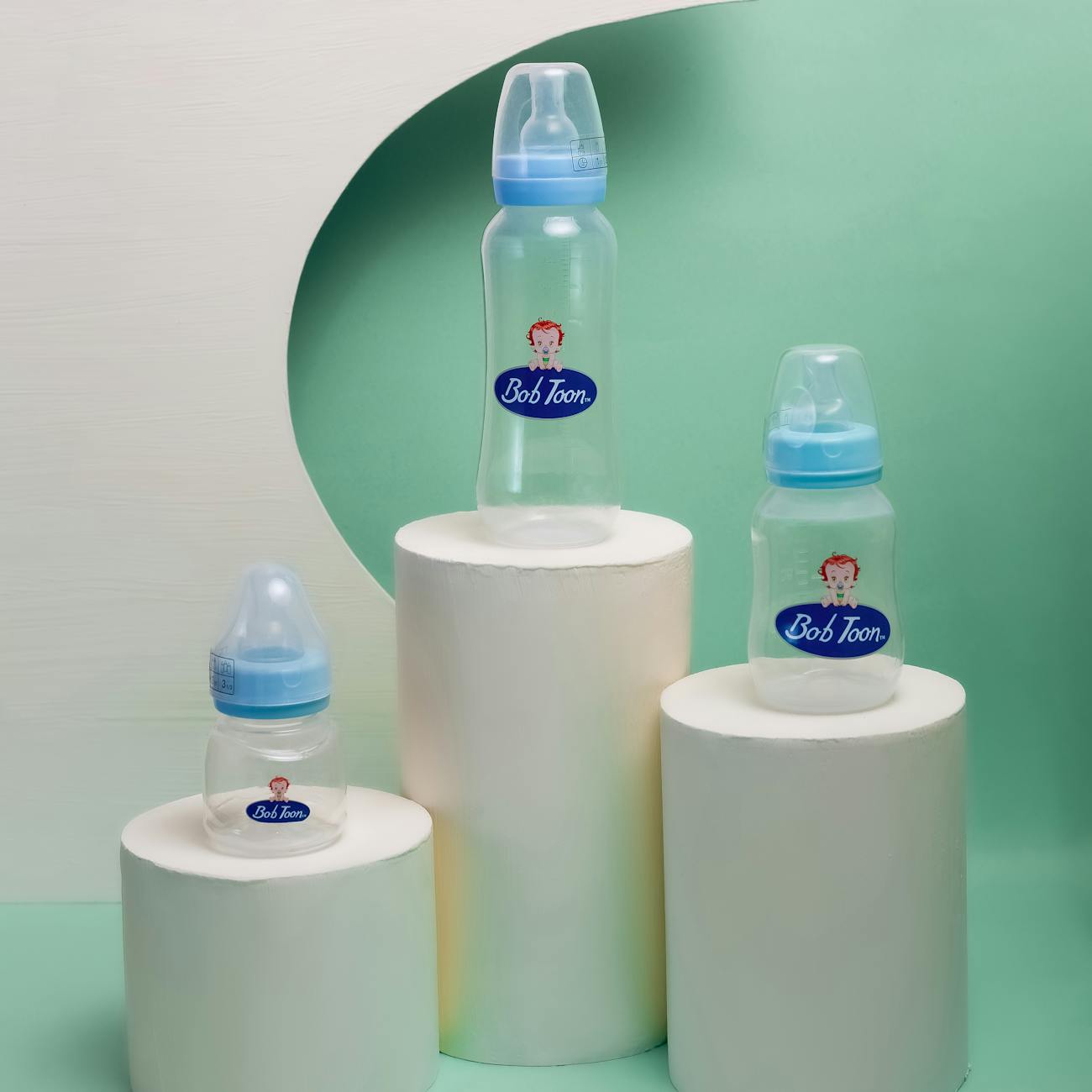
Quality control is a critical aspect of infant and baby food production, as it ensures that the food meets the necessary safety and nutritional standards required for this vulnerable population. In this explanation, we will cover some of the key terms and vocabulary related to quality control in infant and baby food production.
1. Hazard Analysis and Critical Control Points (HACCP): HACCP is a systematic approach to identifying, evaluating, and controlling potential hazards in food production. It is a critical component of quality control in infant and baby food production, as it helps to prevent contamination and ensure the safety of the food. 2. Good Manufacturing Practices (GMP): GMP refers to the practices and procedures that are necessary to ensure the quality and safety of food products. These practices include proper sanitation, equipment maintenance, and employee training. 3. Microbiological testing: Microbiological testing is used to detect the presence of harmful bacteria and other microorganisms in food. It is an essential part of quality control in infant and baby food production, as it helps to ensure that the food is safe for consumption. 4. Heavy metals: Heavy metals, such as lead and mercury, can be harmful to infants and young children. Quality control in infant and baby food production includes testing for the presence of these metals to ensure that the food is safe for consumption. 5. Allergens: Food allergens, such as peanuts and milk, can cause serious reactions in some infants and young children. Quality control in infant and baby food production includes testing for the presence of these allergens to ensure that the food is safe for consumption. 6. Nutritional analysis: Nutritional analysis is used to determine the nutritional content of food, including the levels of vitamins, minerals, and other nutrients. It is an essential part of quality control in infant and baby food production, as it helps to ensure that the food meets the necessary nutritional standards for this vulnerable population. 7. Quality assurance: Quality assurance refers to the activities and processes that are put in place to ensure that the food meets the necessary quality and safety standards. This includes the development and implementation of quality control procedures, as well as the monitoring and verification of compliance with these procedures. 8. Sampling: Sampling is the process of selecting a representative portion of a larger batch of food for testing. It is an essential part of quality control in infant and baby food production, as it allows for the accurate testing of the food without the need to test the entire batch. 9. Specifications: Specifications are the detailed descriptions of the required quality and safety characteristics of a food product. They are used to ensure that the food meets the necessary standards and are an essential part of quality control in infant and baby food production. 10. Certification: Certification is the process of verifying that a food product meets the necessary quality and safety standards. This can be done through third-party audits and inspections and is an essential part of quality control in infant and baby food production.
Examples:
* A manufacturer of infant cereal may use HACCP to identify and control potential hazards, such as cross-contamination with allergens or the presence of heavy metals. * A manufacturer of baby food may use GMP to ensure that the equipment is properly sanitized, employees are properly trained, and the food is produced under controlled conditions. * A laboratory may use microbiological testing to detect the presence of harmful bacteria in a batch of baby food. * A manufacturer of infant formula may use nutritional analysis to determine the levels of vitamins and minerals in the formula.
Practical Applications:
* Implementing HACCP in the production process can help to prevent contamination and ensure the safety of the food. * Proper sanitation and equipment maintenance can help to prevent the growth of harmful bacteria and other microorganisms. * Regular employee training can help to ensure that employees are aware of and follow the necessary quality control procedures. * Regular testing for the presence of allergens, heavy metals, and other contaminants can help to ensure that the food is safe for consumption. * Regular nutritional analysis can help to ensure that the food meets the necessary nutritional standards for infants and young children.
Challenges:
* Ensuring compliance with regulations and standards can be challenging, particularly in a global supply chain. * Ensuring the safety and quality of food products can be challenging due to the complexity of the production process and the potential for contamination at various stages. * Ensuring the nutritional content of food products can be challenging due to variations in ingredients and processing methods. * Ensuring the safety of food products for infants and young children, who are particularly vulnerable to food-borne illnesses, can be challenging.
In conclusion, quality control is a critical aspect of infant and baby food production, as it ensures that the food meets the necessary safety and nutritional standards required for this vulnerable population. Understanding key terms and vocabulary related to quality control in infant and baby food production, such as HACCP, GMP, microbiological testing, heavy metals, allergens, nutritional analysis, quality assurance, sampling, specifications, and certification, is essential for ensuring the safety and quality of these products. Implementing proper quality control procedures, such as regular testing, employee training, and sanitation, can help to prevent contamination and ensure that the food meets the necessary standards. However, there are also challenges in ensuring compliance, safety, quality, and nutrition in the production of infant and baby food, and addressing these challenges requires a comprehensive and systematic approach.
Key takeaways
- Quality control is a critical aspect of infant and baby food production, as it ensures that the food meets the necessary safety and nutritional standards required for this vulnerable population.
- It is an essential part of quality control in infant and baby food production, as it helps to ensure that the food meets the necessary nutritional standards for this vulnerable population.
- * A manufacturer of baby food may use GMP to ensure that the equipment is properly sanitized, employees are properly trained, and the food is produced under controlled conditions.
- * Regular testing for the presence of allergens, heavy metals, and other contaminants can help to ensure that the food is safe for consumption.
- * Ensuring the safety and quality of food products can be challenging due to the complexity of the production process and the potential for contamination at various stages.
- However, there are also challenges in ensuring compliance, safety, quality, and nutrition in the production of infant and baby food, and addressing these challenges requires a comprehensive and systematic approach.