
Framing Climate Issues for Relevance and Urgency
Framing climate issues for relevance and urgency is a crucial aspect of effective climate change communication. It involves presenting climate information in a way that resonates with the audience, making them understand the importance and …
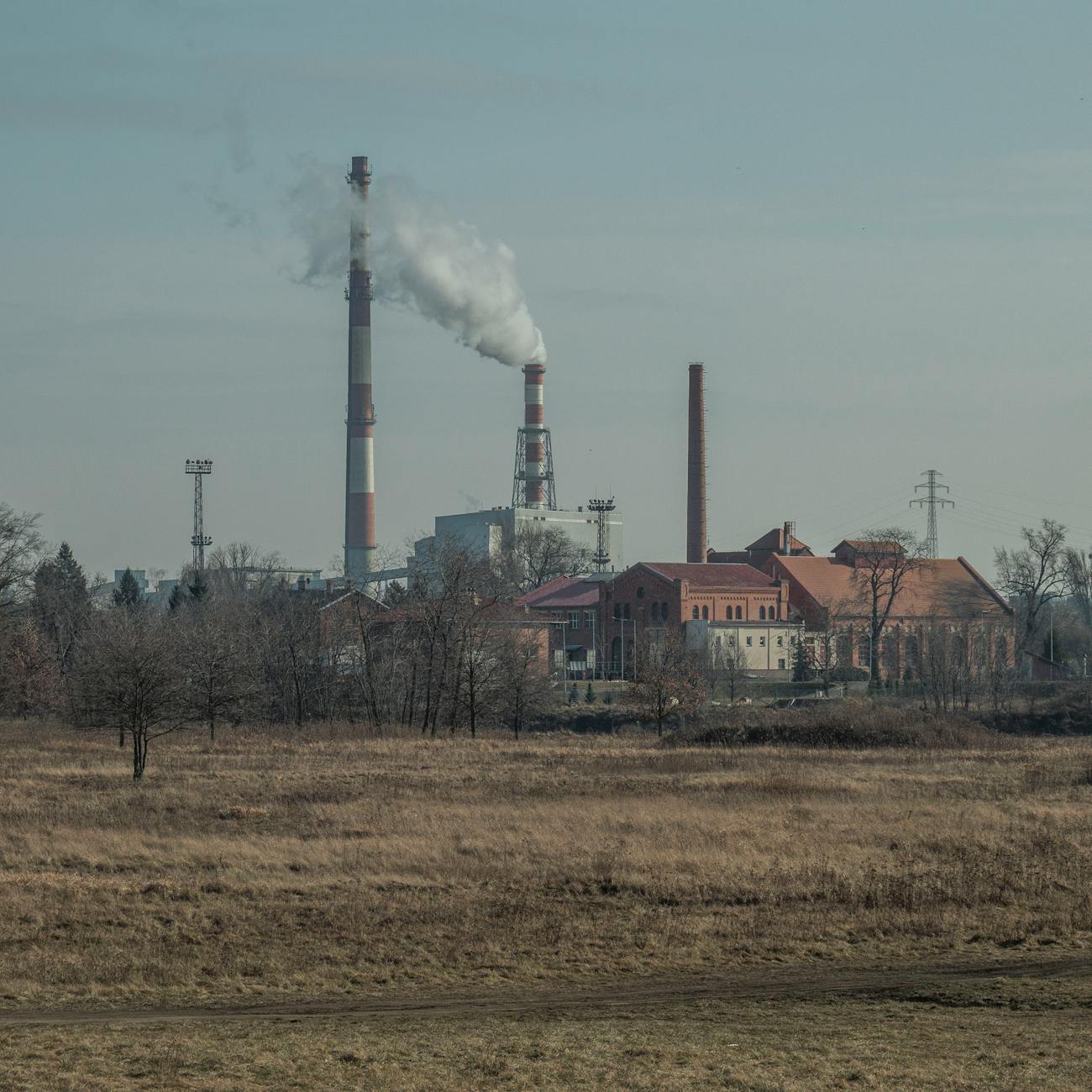
Framing climate issues for relevance and urgency is a crucial aspect of effective climate change communication. It involves presenting climate information in a way that resonates with the audience, making them understand the importance and immediacy of the issue. To achieve this, communicators need to be familiar with key terms and vocabulary related to climate change, framing, and communication strategies.
The term climate change refers to the long-term warming of the planet, which is primarily caused by the increasing levels of greenhouse gases in the Earth's atmosphere. These gases, such as carbon dioxide and methane, trap heat from the sun, leading to a rise in global temperatures. The effects of climate change are widespread and varied, ranging from more frequent and severe weather events to rising sea levels and altered ecosystems.
One of the key challenges in communicating climate change is making it relevant to the audience. This involves highlighting the local and personal implications of climate change, rather than just presenting global statistics. For example, a communicator might explain how climate change is affecting local weather patterns, such as more frequent heatwaves or droughts, or how it is impacting local industries, such as agriculture or tourism. By making climate change relevant to the audience's daily lives, communicators can increase their engagement and motivation to take action.
Another important aspect of framing climate issues is conveying a sense of urgency. This involves emphasizing the need for immediate action to mitigate the effects of climate change. The window for taking effective action is rapidly closing, and the consequences of inaction will be severe. Communicators can use time-sensitive language and imagery to create a sense of urgency, such as referring to the "tipping point" or the "last chance" to act. They can also use examples of recent climate-related disasters, such as hurricanes or wildfires, to illustrate the urgent need for action.
The concept of framing is central to effective climate change communication. Framing refers to the way in which information is presented, including the language, imagery, and context used. Different frames can be used to emphasize different aspects of climate change, such as the economic, social, or environmental impacts. For example, a communicator might use a public health frame to emphasize the health risks associated with climate change, such as heat stress or the spread of disease. Alternatively, they might use an economic frame to highlight the costs and benefits of climate action, such as the creation of green jobs or the avoidance of climate-related damages.
Communicators can use various strategies to frame climate issues for relevance and urgency. One approach is to use narrative storytelling, which involves telling a story that illustrates the human impact of climate change. This can be an effective way to engage the audience and make the issue more relatable. Another approach is to use visual imagery, such as photographs or videos, to convey the effects of climate change. This can be particularly effective in conveying the scale and severity of the issue.
The audience is a critical factor in framing climate issues for relevance and urgency. Communicators need to understand their target audience, including their values, interests, and concerns. This involves using audience research to identify the most effective frames and messages for different audience segments. For example, a communicator might use a conservation frame to appeal to an audience that values the environment, while using a security frame to appeal to an audience that is concerned about national security.
The media plays a crucial role in framing climate issues for relevance and urgency. The media can amplify or undermine climate messages, depending on the tone and emphasis used. Communicators need to be aware of the media landscape and use media outreach strategies to secure coverage of climate issues. This can involve building relationships with journalists and editors, as well as using social media to reach a wider audience.
The concept of loss is an important aspect of framing climate issues for relevance and urgency. The prospect of losing something valuable, such as a natural resource or a way of life, can be a powerful motivator for action. Communicators can use loss frames to emphasize the potential consequences of inaction, such as the loss of biodiversity or the destruction of ecosystems. Alternatively, they can use gain frames to emphasize the benefits of climate action, such as the creation of green jobs or the protection of public health.
The idea of hope is also essential in framing climate issues for relevance and urgency. While the climate crisis can seem overwhelming, it is essential to offer a sense of optimism and possibility. Communicators can use hope frames to emphasize the potential for positive change, such as the transition to a low-carbon economy or the creation of sustainable communities. By offering a sense of hope and agency, communicators can motivate their audience to take action and work towards a more sustainable future.
The science of climate change is a critical aspect of framing climate issues for relevance and urgency. Communicators need to be familiar with the latest research and data on climate change, including the causes, consequences, and solutions. This involves using scientific language and terminology to convey the complexity and uncertainty of the issue. However, communicators also need to be aware of the limits of scientific knowledge and the importance of uncertainty in climate communication.
The concept of values is essential in framing climate issues for relevance and urgency. Communicators need to understand the values and beliefs of their audience, including their attitudes towards the environment, economy, and social justice. This involves using value-based language and frames to appeal to the audience's core values and motivations. For example, a communicator might use a justice frame to emphasize the equity and fairness of climate action, or a stewardship frame to emphasize the importance of protecting the natural world.
The idea of community is also important in framing climate issues for relevance and urgency. Communicators can use community-based approaches to engage their audience and build a sense of collective action. This involves using inclusive language and imagery to convey the idea that climate change is a shared problem that requires a collective response. By emphasizing the importance of community and cooperation, communicators can motivate their audience to work together towards a more sustainable future.
The policy context is a critical aspect of framing climate issues for relevance and urgency. Communicators need to be aware of the latest developments in climate policy, including the laws and regulations that govern climate action. This involves using policy-based language and frames to emphasize the importance of government action and international cooperation. By highlighting the policy opportunities and challenges associated with climate change, communicators can motivate their audience to demand more ambitious climate action from their leaders.
The concept of behavior is essential in framing climate issues for relevance and urgency. Communicators need to understand the behavioral barriers and motivators that influence their audience's actions on climate change. This involves using behavioral language and frames to emphasize the importance of individual action and collective behavior. By highlighting the benefits and challenges associated with climate-friendly behaviors, communicators can motivate their audience to make sustainable lifestyle choices and demand more ambitious climate action from their leaders.
The idea of technology is also important in framing climate issues for relevance and urgency. Communicators can use technology-based solutions to emphasize the potential for innovation and progress in addressing climate change. This involves using technical language and terminology to convey the complexity and uncertainty of climate-related technologies. By highlighting the opportunities and challenges associated with climate technologies, communicators can motivate their audience to support the development and deployment of low-carbon technologies.
The economy is a critical aspect of framing climate issues for relevance and urgency. Communicators need to understand the economic implications of climate change, including the costs and benefits of climate action. This involves using economic language and frames to emphasize the importance of climate-friendly economic development and sustainable growth. By highlighting the opportunities and challenges associated with the low-carbon economy, communicators can motivate their audience to support the transition to a more sustainable economic model.
The concept of education is essential in framing climate issues for relevance and urgency. Communicators need to understand the educational barriers and opportunities that influence their audience's knowledge and attitudes towards climate change. This involves using educational language and frames to emphasize the importance of climate literacy and environmental awareness. By highlighting the benefits and challenges associated with climate education, communicators can motivate their audience to demand more ambitious climate education and training programs.
The idea of social justice is also important in framing climate issues for relevance and urgency. Communicators can use social justice frames to emphasize the equity and fairness of climate action, particularly for vulnerable populations such as low-income communities and indigenous peoples. This involves using inclusive language and imagery to convey the idea that climate change is a human rights issue that requires a just and equitable response. By highlighting the opportunities and challenges associated with climate justice, communicators can motivate their audience to demand more ambitious climate action that prioritizes the needs of vulnerable populations.
The concept of participation is essential in framing climate issues for relevance and urgency. Communicators need to understand the participatory barriers and opportunities that influence their audience's engagement and involvement in climate action. This involves using participatory language and frames to emphasize the importance of citizen engagement and community participation in climate decision-making. By highlighting the benefits and challenges associated with participatory climate governance, communicators can motivate their audience to demand more inclusive and participatory climate policies and programs.
The idea of accountability is also important in framing climate issues for relevance and urgency. Communicators can use accountability frames to emphasize the need for transparency and responsibility in climate governance, particularly for corporations and governments. This involves using accountability language and imagery to convey the idea that climate change is a shared responsibility that requires collective action and individual accountability. By highlighting the opportunities and challenges associated with climate accountability, communicators can motivate their audience to demand more ambitious climate action and greater transparency in climate governance.
The concept of leadership is essential in framing climate issues for relevance and urgency. Communicators need to understand the leadership opportunities and challenges that influence their audience's perceptions and attitudes towards climate change. This involves using leadership language and frames to emphasize the importance of climate leadership and visionary thinking in addressing the climate crisis. By highlighting the benefits and challenges associated with climate leadership, communicators can motivate their audience to demand more ambitious climate action from their leaders and to support visionary climate policies and programs.
The idea of collaboration is also important in framing climate issues for relevance and urgency. Communicators can use collaboration frames to emphasize the need for partnership and cooperation in addressing the climate crisis, particularly between governments, corporations, and civil society. This involves using collaborative language and imagery to convey the idea that climate change is a shared challenge that requires collective action and cooperative solutions. By highlighting the opportunities and challenges associated with climate collaboration, communicators can motivate their audience to support more ambitious climate partnerships and cooperative initiatives.
The concept of resilience is essential in framing climate issues for relevance and urgency. Communicators need to understand the resilience opportunities and challenges that influence their audience's ability to adapt to the impacts of climate change. This involves using resilience language and frames to emphasize the importance of climate resilience and adaptation in addressing the climate crisis. By highlighting the benefits and challenges associated with climate resilience, communicators can motivate their audience to support more ambitious climate resilience and adaptation initiatives.
The idea of transformative change is also important in framing climate issues for relevance and urgency. Communicators can use transformative frames to emphasize the need for radical and fundamental change in addressing the climate crisis, particularly in terms of economic and social systems. This involves using transformative language and imagery to convey the idea that climate change is a transformative opportunity for positive change and sustainable development. By highlighting the opportunities and challenges associated with transformative change, communicators can motivate their audience to support more ambitious climate policies and programs that prioritize sustainable development and transformative change.
Key takeaways
- It involves presenting climate information in a way that resonates with the audience, making them understand the importance and immediacy of the issue.
- The term climate change refers to the long-term warming of the planet, which is primarily caused by the increasing levels of greenhouse gases in the Earth's atmosphere.
- For example, a communicator might explain how climate change is affecting local weather patterns, such as more frequent heatwaves or droughts, or how it is impacting local industries, such as agriculture or tourism.
- Communicators can use time-sensitive language and imagery to create a sense of urgency, such as referring to the "tipping point" or the "last chance" to act.
- Alternatively, they might use an economic frame to highlight the costs and benefits of climate action, such as the creation of green jobs or the avoidance of climate-related damages.
- One approach is to use narrative storytelling, which involves telling a story that illustrates the human impact of climate change.
- For example, a communicator might use a conservation frame to appeal to an audience that values the environment, while using a security frame to appeal to an audience that is concerned about national security.