
Waste Management and Valorization
Waste management and valorization are central pillars of a circular economy, and mastering the associated terminology is essential for any specialist. The following exposition presents the most important terms, explains their meaning, illus…
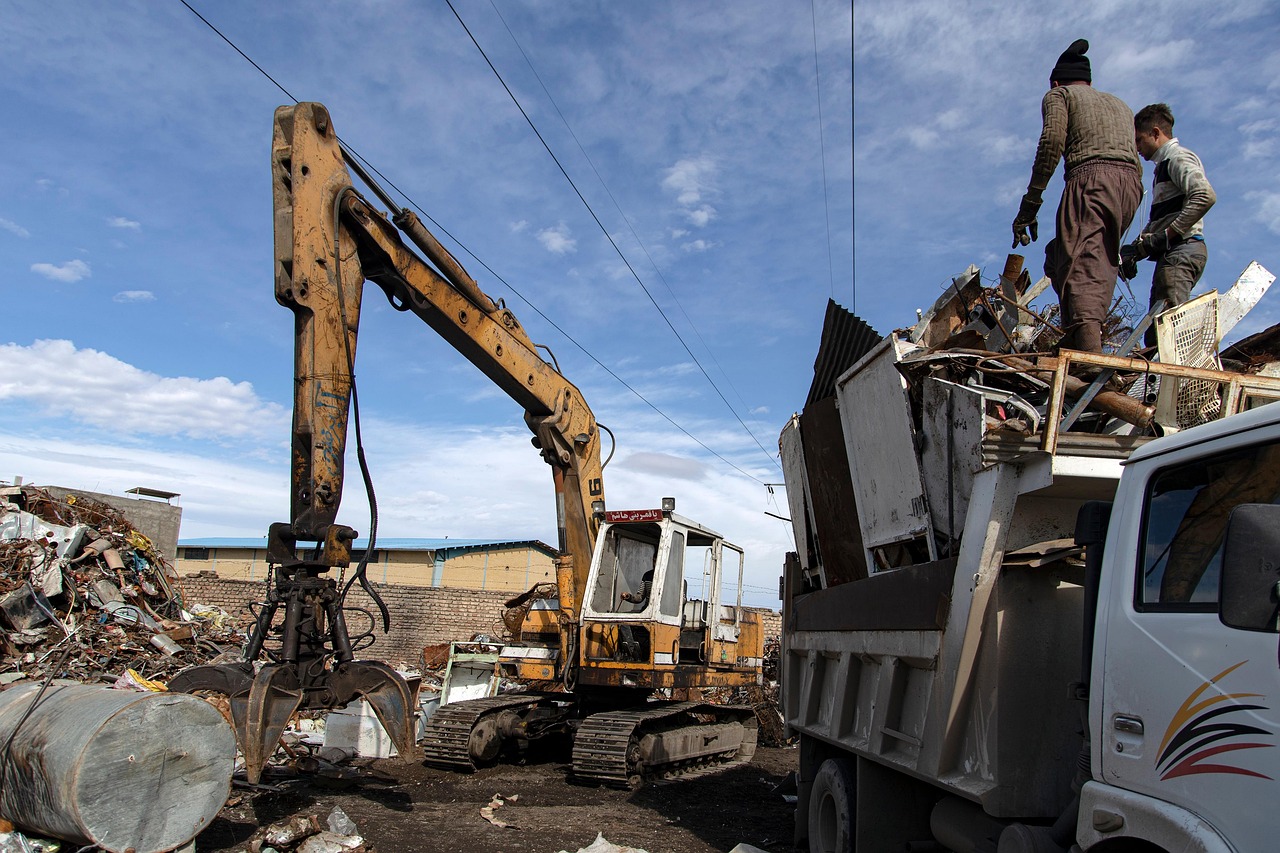
Waste management and valorization are central pillars of a circular economy, and mastering the associated terminology is essential for any specialist. The following exposition presents the most important terms, explains their meaning, illustrates practical applications, and discusses common challenges. Each concept is described in depth to enable learners to build a solid vocabulary foundation that supports strategic decision‑making, policy development, and operational excellence.
Waste hierarchy is the guiding framework that ranks waste‑handling options from most to least preferred. At the top of the hierarchy is source reduction, which seeks to prevent waste generation through design, process optimisation, and consumer behaviour change. The next level, reuse, encourages the direct use of a product or component without significant alteration. Recycling follows, involving the collection, sorting, and processing of waste into secondary raw materials. Recovery includes energy recovery and material recovery where the waste is transformed into fuels or other useful outputs. The lowest tier, disposal, refers to landfilling or incineration without resource recovery. The hierarchy is not merely a theoretical construct; it informs legislation, corporate sustainability policies, and procurement criteria. For example, a municipality may allocate funding preferentially to projects that demonstrate source‑reduction outcomes, while a manufacturing firm might redesign packaging to eliminate single‑use plastics, thereby moving up the hierarchy.
Source reduction is the most effective method for decreasing the volume and toxicity of waste. It can be achieved through product redesign, material substitution, and process efficiency improvements. In the electronics sector, companies are adopting modular designs that allow individual components such as batteries or displays to be replaced without discarding the entire device. This practice reduces the amount of e‑waste generated and extends product lifespans. The main challenge for source reduction is the need for upfront investment in research and development, as well as the difficulty of changing entrenched consumer expectations that favour convenience over durability.
Reuse refers to the practice of employing an item again for its original purpose after it has been used, cleaned, or repaired. Commercial reuse programmes often involve refurbishment centres where used furniture, appliances, or machinery are restored to a sellable condition. In the construction industry, reclaimed bricks and timber are increasingly popular, providing both aesthetic appeal and a reduction in demand for virgin resources. The challenges associated with reuse include ensuring product safety, meeting regulatory standards, and creating market demand for refurbished goods. Logistics can also be complex, as the collection and redistribution of used items require coordinated networks.
Recycling is the process of converting waste into new materials or products. It is a broad term that encompasses mechanical recycling, chemical recycling, and biological recycling. Mechanical recycling is the most common method for plastics, where collected waste is shredded, washed, melted, and extruded into pellets for reuse. Chemical recycling, such as depolymerisation of PET, breaks polymers down to monomers, enabling the production of virgin‑quality plastic. Biological recycling includes composting of organic waste and anaerobic digestion of food waste to produce biogas. The effectiveness of recycling systems depends on collection rates, sorting accuracy, and market demand for recycled content. Contamination of waste streams, fluctuating commodity prices, and limited recycling infrastructure are persistent obstacles.
Material recovery is a subset of recycling that focuses on extracting valuable materials from mixed waste streams. For example, electronic waste (e‑waste) contains precious metals such as gold, silver, palladium, and copper. Advanced material recovery facilities use shredding, gravity separation, and hydrometallurgical processes to isolate these metals for resale. The economic viability of material recovery hinges on the concentration of target materials, processing costs, and the price of recovered metals. Environmental concerns arise from the use of hazardous chemicals in leaching processes, prompting the development of greener extraction technologies.
Composting is a biological process that transforms organic waste into a stable, humus‑like product rich in nutrients. It is widely applied to municipal green waste, food waste, and agricultural residues. Compost can be used to improve soil structure, increase water retention, and supply nutrients to crops, thereby reducing the need for synthetic fertilisers. Successful composting programmes require source separation of organics, appropriate moisture and oxygen levels, and regular turning to accelerate decomposition. Common challenges include odour control, contamination with plastics or metals, and the need for sufficient land area for compost piles or windrow facilities.
Anaerobic digestion (AD) is a controlled, oxygen‑free process in which microorganisms break down organic matter, producing biogas (a mixture of methane and carbon dioxide) and digestate. AD is employed at wastewater treatment plants, farms, and dedicated facilities handling food‑processing waste. The biogas can be used for heat, electricity, or upgraded to biomethane for injection into natural gas grids. Digestate, after appropriate treatment, can serve as a fertiliser or soil amendment. AD offers the dual benefit of waste reduction and renewable energy generation, but it requires careful feedstock management, temperature control, and investment in gas cleaning equipment. Economic feasibility is often linked to the availability of subsidies, feed‑in tariffs, or renewable energy certificates.
Landfill is the final disposal method for waste that cannot be diverted to other pathways. Modern landfills are engineered with liners, leachate collection systems, and gas capture infrastructure to mitigate environmental impacts. Nonetheless, landfilling remains a source of greenhouse‑gas emissions, particularly methane, and can lead to long‑term soil and groundwater contamination if not properly managed. The hierarchy encourages minimisation of landfill use, and many jurisdictions impose landfill taxes to incentivise alternative waste‑handling options. The primary challenge with landfills is the limited capacity in densely populated regions and the difficulty of retrofitting older sites to meet contemporary standards.
Hazardous waste comprises substances that pose substantial or potential threats to public health or the environment. This category includes chemicals, batteries, medical waste, and certain industrial by‑products. Hazardous waste is subject to strict regulations governing classification, packaging, transport, treatment, and disposal. Treatment methods often involve incineration with high‑temperature ovens, chemical neutralisation, or secure landfilling in dedicated hazardous‑waste cells. The handling of hazardous waste demands specialised expertise, robust monitoring, and compliance with international conventions such as the Basel Convention. Accidental releases or improper disposal can result in severe ecological damage and costly remediation.
E‑waste (electronic waste) refers to discarded electrical and electronic equipment, ranging from smartphones and laptops to large appliances. E‑waste is a fast‑growing waste stream due to rapid technological turnover and consumer demand for newer devices. It contains valuable resources (copper, gold, rare earth elements) and hazardous substances (lead, mercury, flame retardants). Effective e‑waste management involves collection schemes, safe dismantling, and advanced material recovery. Extended producer responsibility (EPR) schemes are increasingly used to shift the cost of collection and recycling onto manufacturers, encouraging eco‑design and take‑back programmes. Challenges include informal recycling sectors in developing countries, where unsafe practices can cause severe health impacts, and the complexity of product designs that hinder efficient disassembly.
Extended producer responsibility (EPR) is a policy approach that holds producers accountable for the post‑consumer phase of a product’s life‑cycle. Under EPR, manufacturers must finance or organise the collection, treatment, and recycling of their products. This creates incentives for eco‑design, such as reducing material complexity, improving recyclability, and extending product durability. EPR schemes vary globally; some operate as mandatory take‑back systems, while others use voluntary agreements or market‑based mechanisms like recycled‑content levies. Implementation challenges include establishing accurate product tracking, ensuring compliance across supply chains, and balancing the financial burden on producers with the need for competitive markets.
Circular economy is an economic model that aims to keep products, components, and materials at their highest utility and value for as long as possible. It contrasts with the linear “take‑make‑dispose” model by emphasising design for durability, reparability, and recyclability, as well as the creation of closed‑loop systems where waste becomes a resource. Core principles include the waste hierarchy, product‑as‑a‑service, and industrial symbiosis. The circular economy is underpinned by policies, business models, and technological innovations that together enable resource loops. Transitioning to a circular economy presents challenges such as legacy infrastructure, market acceptance, and the need for cross‑sector collaboration.
Valorisation (or valorization) denotes the process of converting waste or by‑products into higher‑value materials, energy, or chemicals. It is a key concept in the circular economy because it turns a liability into an asset. Examples include converting food‑processing waste into bioplastics, extracting bio‑active compounds from agricultural residues, and using municipal solid waste as a feedstock for pyrolysis to produce bio‑oil. Valorisation strategies often rely on emerging technologies such as hydrothermal liquefaction, plasma gasification, and enzymatic bioconversion. While valorisation can improve resource efficiency and generate revenue streams, it also requires careful techno‑economic analysis to ensure that the environmental benefits outweigh the energy and material inputs.
Upcycling is a form of valorisation where waste is transformed into a product of higher quality, functionality, or value than the original material. A classic example is the conversion of discarded wooden pallets into designer furniture. In the textile industry, waste fabrics are re‑engineered into high‑performance sportswear. Upcycling reduces the demand for virgin raw materials and often commands premium prices, supporting business models based on creativity and sustainability. The main difficulty lies in the design challenge: The waste material must be compatible with the intended new product, and the process must be economically viable at scale.
Downcycling is the opposite of upcycling; it involves converting waste into a material of lower quality or functionality. Recycled paper that is used for lower‑grade applications, such as newsprint, is a typical case. While downcycling still recovers value from waste, it may lead to a gradual loss of material quality in the system, necessitating the periodic introduction of virgin resources. Understanding the balance between upcycling and downcycling helps organisations set realistic targets for recycled content and material circularity.
Bio‑based materials are derived wholly or partially from renewable biological sources, such as plant fibres, agricultural residues, or microorganisms. Examples include polylactic acid (PLA) bioplastics, fibre‑reinforced composites made from hemp, and bio‑based adhesives from lignin. Bio‑based materials can replace petroleum‑derived equivalents, reducing carbon footprints and dependence on fossil fuels. However, their sustainability performance depends on land‑use impacts, agricultural practices, and end‑of‑life pathways. For instance, PLA is biodegradable under industrial composting conditions, but it may persist in the environment if mixed with conventional plastics due to contamination issues.
Circular business models re‑imagine how value is captured by focusing on product longevity, resource recovery, and service orientation. The most common models include product‑as‑a‑service (PaaS), where customers pay for the functionality of a product rather than owning it; sharing platforms that enable multiple users to access the same asset; and take‑back schemes that ensure manufacturers regain control over end‑of‑life products. A real‑world illustration is a lighting company that sells illumination as a service, retaining ownership of LED fixtures, and taking responsibility for maintenance, upgrades, and eventual recycling. The challenge for circular business models is aligning financial incentives across stakeholders and developing reliable performance metrics.
Industrial symbiosis describes the collaboration between different industries where the waste or by‑product of one serves as a raw material for another. The famous example of Kalundborg, Denmark, showcases a network of power plants, a pharmaceutical company, and a gypsum board manufacturer exchanging steam, waste heat, and gypsum. Industrial symbiosis reduces resource consumption, lowers emissions, and can improve the profitability of participating firms. To implement symbiosis, firms must identify compatible waste streams, negotiate contracts, and often invest in infrastructure such as pipelines or transport logistics. Regulatory barriers, liability concerns, and lack of information on waste composition can impede the formation of symbiotic relationships.
Waste‑to‑energy (WtE) is a set of technologies that convert non‑recyclable waste into heat, electricity, or fuels. Conventional WtE includes incineration with energy recovery, where high‑temperature combustion produces steam that drives turbines. Advanced WtE technologies comprise gasification, where waste is converted into syngas, and pyrolysis, which yields bio‑oil and char. WtE offers a solution for waste streams that are difficult to recycle, such as mixed municipal solid waste, while contributing to renewable‑energy targets. However, concerns about air emissions, ash disposal, and competition with recycling necessitate stringent environmental controls and careful waste‑stream segregation.
Resource efficiency measures how effectively an organization uses inputs—materials, water, energy—to produce outputs. High resource efficiency means less waste per unit of product, lower emissions, and reduced costs. Tools such as material flow analysis (MFA) and life‑cycle assessment (LCA) help quantify resource efficiency across the supply chain. For example, a beverage company may track the kilograms of PET used per litre of drink, aiming to reduce that ratio through lightweighting and increased recycled content. Barriers to improving resource efficiency include lack of data transparency, siloed decision‑making, and short‑term cost pressures.
Life‑cycle assessment (LCA) is a systematic methodology for evaluating the environmental impacts associated with all stages of a product’s life—from raw‑material extraction, manufacturing, distribution, use, to end‑of‑life treatment. LCA provides a holistic view that helps avoid burden shifting, where improvements in one stage inadvertently increase impacts elsewhere. For instance, substituting a heavy metal‑based catalyst with a bio‑catalyst may reduce toxicity at the use stage but increase land use due to agricultural feedstock cultivation. Conducting LCA requires reliable inventory data, appropriate impact categories, and clear functional units. The complexity of LCA can be a barrier for small and medium enterprises lacking expertise.
Cradle‑to‑cradle is a design philosophy that aims for products to be fully recyclable or biodegradable, creating a closed loop without waste. It differs from cradle‑to‑gate, which only considers upstream impacts. Cradle‑to‑cradle emphasizes material health, reutilisation, renewable energy use, and water stewardship. Products designed under this framework often carry certification marks indicating compliance with specific criteria for material recovery and environmental safety. The challenges lie in sourcing materials that meet stringent health standards, redesigning manufacturing processes, and establishing reliable collection and recycling systems.
Material flow analysis (MFA) is a quantitative tool that tracks the flow of materials through an economy or a specific sector. By mapping inputs, stocks, and outputs, MFA reveals where inefficiencies and losses occur, enabling targeted interventions. For example, an MFA of the construction sector might show that a significant portion of steel is discarded as demolition waste, prompting the development of demolition‑debris recycling programmes. MFA data can support policy formulation, such as setting recycling targets or designing tax incentives. Limitations include data availability, the need for consistent system boundaries, and the difficulty of capturing informal waste flows.
Sustainability in waste management refers to the ability to meet present waste‑handling needs without compromising the capacity of future generations to manage waste responsibly. It integrates environmental protection, economic viability, and social equity. Sustainable waste practices aim to minimise landfill use, reduce greenhouse‑gas emissions, protect public health, and create jobs in recycling and recovery sectors. The triple‑bottom‑line approach requires balancing trade‑offs; for instance, a high‑energy‑intensive recycling process may lower landfill use but increase carbon emissions unless powered by renewable energy. Stakeholder engagement, transparent reporting, and continuous improvement are essential for achieving sustainability.
Circularity metric is a quantitative indicator used to assess how circular a product, process, or system is. Common metrics include recycled‑content percentage, material‑recovery rate, and circular‑economy index. For example, a circularity metric might calculate the proportion of a product’s mass that is composed of recycled or bio‑based material, expressed as a percentage of the total weight. Metrics help organisations set targets, monitor progress, and communicate performance to investors and regulators. The challenge lies in selecting appropriate metrics that capture the full value chain and avoid double‑counting.
Renewable energy integration in waste‑management facilities involves coupling waste‑treatment processes with renewable power sources such as solar, wind, or biogas. An anaerobic‑digestion plant may use on‑site solar panels to power its pumps, reducing reliance on grid electricity. Similarly, a waste‑to‑energy plant can supplement its steam generation with biomass boilers. Integrating renewables improves the overall carbon footprint of waste‑treatment operations and can enhance energy security. Technical challenges include matching intermittent renewable generation with continuous process demands and ensuring that renewable integration does not compromise process reliability.
Carbon accounting is the practice of measuring and reporting greenhouse‑gas emissions associated with waste‑management activities. Scope 1 emissions arise from direct sources, such as methane released from landfills. Scope 2 covers indirect emissions from purchased electricity, while Scope 3 includes upstream and downstream emissions, such as those from waste collection logistics or the production of recycling equipment. Accurate carbon accounting enables organisations to set emission‑reduction targets, participate in carbon‑trading schemes, and report to sustainability frameworks like the GHG Protocol. Difficulties include data collection from subcontractors, variability in emission factors, and accounting for biogenic carbon.
Extended producer responsibility schemes (EPR) often incorporate performance‑based targets that require producers to achieve specific recycling rates or material‑recovery percentages. In some jurisdictions, producers are required to submit annual reports detailing the quantity of products placed on the market, the amount collected, and the proportion recycled. Compliance is monitored by environmental agencies, and non‑compliance may result in fines or restrictions on market access. The design of EPR schemes must balance regulatory stringency with the capacity of recycling infrastructure, ensuring that producers are not penalised for factors beyond their control, such as consumer behaviour.
Product stewardship expands the concept of EPR by involving all stakeholders in the product life‑cycle, including designers, suppliers, retailers, and consumers. A product‑stewardship plan might outline design guidelines for recyclability, establish take‑back logistics, and provide consumer education on proper disposal. Successful stewardship programmes often feature collaborative platforms where data on product composition, collection rates, and recycling outcomes are shared among participants. The main obstacles are aligning incentives across the supply chain and maintaining data integrity.
Zero‑waste philosophy aspires to eliminate waste generation entirely, aiming for a closed‑loop system where every material is retained within the economy. While true zero waste may be unattainable for many sectors, the philosophy drives continuous improvement in waste reduction, redesign, and resource recovery. Companies adopting zero‑waste strategies may set ambitious targets, such as achieving a landfill‑diversion rate of 99 percent, and implement comprehensive waste‑audit programmes to identify opportunities. The difficulty lies in changing organisational culture, engaging employees, and overcoming external constraints such as supplier limitations.
Industrial ecology is an interdisciplinary field that studies the flow of materials and energy through industrial systems, seeking to emulate natural ecosystems where waste from one organism becomes nutrients for another. Tools such as life‑cycle assessment, material flow analysis, and input‑output modeling are used to design symbiotic networks. A practical illustration is the use of waste heat from a steel plant to power a nearby greenhouse, improving overall energy utilisation. Barriers include the need for detailed data sharing, regulatory approvals for cross‑industry waste exchange, and the alignment of economic incentives.
Regenerative design goes beyond sustainability by aiming to restore and improve natural systems through design choices. In waste management, regenerative design may involve creating closed‑loop processes that produce soil amendments, such as compost, which in turn enhance agricultural productivity and carbon sequestration. Regenerative approaches often incorporate biomimicry, where natural processes inspire technological solutions. The implementation of regenerative design requires long‑term thinking, stakeholder collaboration, and metrics that capture ecosystem benefits.
Resource recovery facilities (RRFs) are specialised sites where mixed waste is processed to recover valuable components. RRFs typically combine mechanical sorting (magnetic separation, eddy‑current separation, optical sorting) with downstream processes such as shredding, granulating, or melting. The output includes recovered metals, plastics, paper, and organic fractions. RRFs are central to modern waste‑management systems, enabling high‑quality secondary raw materials to enter manufacturing supply chains. Operational challenges include maintaining sorting accuracy, handling fluctuating waste compositions, and ensuring that recovered materials meet industry specifications.
Plastic circularity focuses on keeping plastic materials in use and out of the environment. Strategies include designing plastics for recyclability, increasing the share of recycled content, developing chemical‑recycling pathways, and establishing collection infrastructure. For instance, a beverage company may adopt mono‑material PET bottles, simplify label adhesives, and partner with a recycling consortium to close the loop. Plastic circularity faces hurdles such as contamination, downcycling of certain polymer grades, and market volatility for recycled resin prices.
Organic waste valorisation encompasses the conversion of food, agricultural, and forestry residues into valuable products. Technologies range from composting and anaerobic digestion to advanced processes like hydrothermal liquefaction, which produces bio‑oil suitable for refining into fuels or chemicals. One example is the conversion of coffee grounds into bio‑char that can be used for soil amendment and carbon sequestration. The main challenges are the heterogeneity of organic waste streams, the need for pre‑treatment (size reduction, de‑watering), and ensuring that the end‑product meets regulatory standards for use in agriculture or industry.
Biogas upgrading refers to the removal of impurities (carbon dioxide, hydrogen sulfide, water vapour) from raw biogas to produce biomethane of pipeline quality. Upgrading enables biogas to be injected into natural‑gas grids or used as vehicle fuel. Technologies include pressure‑swing adsorption, membrane separation, and chemical scrubbing. Upgrading increases the energy value of biogas but adds capital and operating costs. The decision to upgrade depends on the availability of gas‑injection infrastructure, the price differential between biogas and biomethane, and regulatory incentives.
Pyrolysis is a thermochemical conversion process that decomposes organic material at high temperatures in the absence of oxygen, producing bio‑oil, syngas, and char. Pyrolysis can be applied to plastics, municipal solid waste, and biomass. The resulting bio‑oil can be refined into fuels or used as a chemical feedstock. Pyrolysis offers a pathway to valorise mixed plastics that are difficult to recycle mechanically. However, the technology requires careful control of temperature and residence time to optimise product yields, and the economic viability depends on the market price of the derived fuels.
Gasification is similar to pyrolysis but operates at higher temperatures and with a limited amount of oxygen, producing a synthesis gas (syngas) rich in carbon monoxide and hydrogen. Syngas can be used for power generation, heat, or as a feedstock for Fischer‑Tropsch synthesis to produce liquid fuels. Gasification can handle heterogeneous waste streams, including municipal solid waste and industrial residues. The main challenges are tar formation, which can damage downstream equipment, and the need for clean‑up systems to meet emission standards.
Hydrothermal liquefaction (HTL) is a wet‑process that converts wet biomass (e.G., Algae, food waste) into biocrude under high pressure and moderate temperature conditions. HTL avoids the energy‑intensive drying step required for pyrolysis, making it suitable for high‑moisture waste. The biocrude can be upgraded to transportation fuels, while the aqueous phase may contain nutrients that can be recovered for fertiliser use. HTL technology is still emerging, with challenges related to scaling, catalyst development, and handling of the aqueous by‑product.
Enzymatic bioconversion uses specialised enzymes or microbial consortia to break down complex polymers such as cellulose, hemicellulose, or chitin into monomers that can be fermented into bio‑fuels or biochemicals. Enzymatic processes operate under milder conditions than thermal methods, potentially reducing energy consumption and preserving product quality. An example is the use of cellulases to hydrolyse agricultural residues into sugars for bio‑ethanol production. The limitations include enzyme cost, activity loss over time, and the need for pretreatment to increase substrate accessibility.
Material passports are digital or physical documents that contain detailed information about the composition, origin, and recyclability of a product or component. Material passports facilitate the tracking of materials through the supply chain, supporting circular‑economy initiatives such as take‑back schemes and secondary‑material markets. For instance, a construction component manufacturer may embed a QR code that links to a material passport, enabling demolition contractors to identify recyclable elements. The challenges include standardising data formats, ensuring data accuracy, and protecting confidential information.
Digital waste‑tracking platforms leverage sensors, IoT devices, and cloud‑based analytics to monitor waste generation, collection, and processing in real time. These platforms provide visibility into waste‑stream composition, route optimisation for collection vehicles, and performance dashboards for recycling facilities. A city may deploy smart bins that weigh and classify waste, transmitting data to a central system that adjusts collection frequencies to minimise fuel consumption. The barriers to adoption include upfront technology costs, data privacy concerns, and the need for training personnel to interpret and act on the data.
Stakeholder engagement is a critical element of successful waste‑management programmes. Engaging municipalities, industry, NGOs, and the public ensures that policies are realistic, that collection schemes are accepted, and that behavioural change is achieved. Techniques include public awareness campaigns, workshops, and participatory planning sessions. Effective engagement can increase collection rates, improve segregation quality, and foster community ownership of recycling initiatives. Conversely, inadequate engagement may lead to resistance, low participation, and suboptimal outcomes.
Behavioural economics provides insights into how people make waste‑related decisions, highlighting the role of incentives, social norms, and default options. For example, a “pay‑as‑you‑throw” (PAYT) scheme charges households based on the volume of waste they discard, encouraging source reduction and recycling. Studies show that visible segregation bins and clear signage improve compliance. Designing incentives that align with human psychology can enhance the effectiveness of waste‑management policies. However, measuring the long‑term impact of behavioural interventions can be complex, and unintended consequences, such as illegal dumping, must be monitored.
Extended producer responsibility financing mechanisms include fees levied on producers based on the weight or hazardous content of products placed on the market. These fees fund collection and recycling infrastructure. For instance, a producer of electronic devices may pay a per‑unit fee that finances national e‑waste collection points. The financing model must be transparent, proportionate, and regularly reviewed to reflect changes in product design and market dynamics. Administrative overhead and the risk of fee avoidance are common challenges.
Policy instruments for waste management range from command‑and‑control regulations (e.G., Landfill bans) to market‑based tools (e.G., Taxes, subsidies, tradable permits). Landfill taxes increase the cost of disposal, making recycling and recovery more attractive. Subsidies for anaerobic‑digestion plants encourage renewable‑energy generation from organic waste. Tradable waste‑reduction credits allow companies that exceed reduction targets to sell excess credits to those that fall short. Selecting the appropriate mix of instruments requires understanding local market conditions, stakeholder capacities, and environmental objectives.
Life‑cycle costing (LCC) extends the LCA approach by incorporating economic factors across the product life‑cycle. LCC evaluates the total cost of ownership, including acquisition, operation, maintenance, and end‑of‑life disposal. For a municipal waste‑collection fleet, LCC may reveal that investing in fuel‑efficient vehicles reduces operating costs over a ten‑year horizon, despite higher upfront capital expenditure. Integrating LCC with sustainability metrics helps decision‑makers balance financial and environmental performance. Data availability and the need for consistent discount rates are typical obstacles.
Extended supply‑chain responsibility expands the concept of producer responsibility to include upstream suppliers and downstream distributors. Under this model, a furniture manufacturer may work with its timber supplier to ensure sustainable forest management, while also collaborating with retailers to implement take‑back schemes for end‑of‑life chairs. This holistic view encourages alignment of sustainability goals across the entire value chain, reducing duplication of effort and improving overall resource efficiency. Coordination across multiple legal entities and diverse geographic regions adds complexity.
Regulatory compliance in waste management involves adhering to local, national, and international statutes governing waste classification, handling, transport, and disposal. Non‑compliance can result in fines, legal action, and reputational damage. Compliance programmes typically include internal audits, training, and documentation of waste‑tracking records. For multinational corporations, harmonising compliance across jurisdictions with differing definitions of hazardous waste or varying reporting formats can be a significant administrative burden.
Carbon capture and utilisation (CCU) is emerging as a complementary technology to waste‑to‑energy systems. CO₂ emitted from waste‑incineration flue gases can be captured and converted into chemicals such as methanol or polymers. Integrating CCU with existing waste‑treatment plants can improve overall carbon performance and create new revenue streams. The technology is still in early commercial stages, with challenges related to capture efficiency, integration costs, and market demand for CO₂‑derived products.
Extended material loops describe the continuation of material cycles beyond the primary recycling stage. For example, a plastic bottle may be recycled into a textile fibre, which is then used in upholstery, and eventually recovered as a component in a new composite material. Extending loops maximises the embodied energy and carbon savings from the original material. However, each additional loop introduces quality degradation, necessitating careful design to avoid excessive downcycling.
Zero‑landfill commitments are declarations by organisations to divert all waste from landfills. Achieving zero‑landfill status often requires a combination of source reduction, high‑rate recycling, composting, and waste‑to‑energy conversion. Companies may set internal targets, publish progress reports, and collaborate with waste‑service providers to develop bespoke solutions. The most common obstacles are the availability of suitable recycling markets for certain waste streams, and the need for continuous innovation to address new material types.
Material circularity indicator (MCI) is a quantitative tool developed by the Ellen MacArthur Foundation to assess how circular a product is. The MCI combines metrics on recycled content, renewable‑resource use, and product longevity. A higher MCI score indicates a more circular product. Companies use the MCI to benchmark performance, set improvement goals, and communicate circularity achievements to investors. The indicator relies on accurate data collection, and the interpretation of results may vary across industries.
Industrial waste audits are systematic examinations of a facility’s waste streams, identifying quantities, composition, and disposal pathways. Audits reveal opportunities for waste reduction, segregation improvements, and potential revenue from by‑product sales. For a food‑processing plant, an audit might uncover that a significant portion of waste is organic material suitable for anaerobic digestion, while another fraction consists of cardboard that can be recycled. Implementing audit recommendations often requires changes to operational procedures, employee training, and investment in new equipment.
Closed‑loop supply chains aim to retain products and materials within the same organisational boundary throughout their life‑cycle. This can involve refurbishing returned items, remanufacturing components, and re‑selling them as “like‑new.” Automotive manufacturers frequently employ closed‑loop supply chains for engines and gearboxes, recovering high‑value parts from end‑of‑life vehicles. The benefits include reduced procurement costs, lower environmental impact, and higher customer satisfaction. Challenges include ensuring consistent quality of refurbished parts, managing warranty obligations, and integrating reverse‑logistics networks.
Resource‑recovery contracts are agreements between waste generators and service providers that specify the collection, processing, and sale of recovered materials. Contracts often include performance clauses tied to recovery rates, purity specifications, and price floors for secondary products. For example, a food‑service company may sign a contract with a composting facility that guarantees a minimum diversion rate of 85 percent for organic waste. Contractual risk allocation, price volatility for recovered commodities, and regulatory compliance are key considerations.
Material passports for construction facilitate the deconstruction and reuse of building components. By documenting the type of concrete, steel reinforcement, insulation, and finishes used in a structure, material passports enable architects and demolition contractors to plan for selective demolition and material reuse. This reduces the amount of demolition waste sent to landfill and creates a market for reclaimed building materials. The main difficulty lies in standardising passport formats across projects and ensuring that data is kept up‑to‑date throughout a building’s lifespan.
Product‑as‑a‑service models shift the ownership of a product from the customer to the provider, aligning incentives for durability and resource efficiency. In a lighting‑as‑a‑service arrangement, the provider retains ownership of LED fixtures, offers illumination as a subscription, and is responsible for maintenance, upgrades, and end‑of‑life recycling. This model encourages the design of long‑lasting, easily serviceable products and creates a revenue stream from the service rather than the sale of hardware. Barriers include the need for robust contract management, financing mechanisms, and customer acceptance of subscription‑based pricing.
Material substitution involves replacing a high‑impact material with a lower‑impact alternative. For instance, substituting virgin aluminium with recycled aluminium reduces energy consumption by up to 95 percent. In the packaging sector, using paperboard instead of multi‑layer plastic can improve recyclability, provided that the paperboard meets performance requirements. The substitution decision must consider functional performance, cost, supply chain availability, and end‑of‑life options. In some cases, the alternative may introduce new challenges, such as reduced barrier properties or increased weight.
Eco‑design guidelines provide designers with criteria to improve product sustainability. Guidelines may address material selection, design for disassembly, minimisation of hazardous substances, and incorporation of recycled content. Regulatory frameworks such as the EU Ecodesign Directive set mandatory requirements for certain product categories, while voluntary standards like ISO 14062 offer broader guidance. Applying eco‑design principles early in the development process yields greater benefits than retrofitting existing products. The main difficulty is translating high‑level guidelines into concrete design decisions that meet performance and cost targets.
Resource‑efficiency indicators track the amount of material, energy, or water used per unit of output. For a beverage company, an indicator might be kilograms of PET per litre of drink. Monitoring these indicators over time enables the identification of trends, benchmarking against industry peers, and the setting of improvement targets. Data collection can be automated using digital metering, but the reliability of indicators depends on accurate allocation of shared resources and the consistent definition of functional units.
Renewable‑resource quotas are policy tools that set minimum percentages of renewable or recycled content in products. Quotas can stimulate market demand for secondary raw materials and encourage manufacturers to redesign products. For example, a national regulation may require that at least 30 percent of the plastics used in packaging be derived from recycled sources. The effectiveness of quotas depends on the availability of compliant materials, enforcement mechanisms, and the capacity of recycling infrastructure to meet demand.
Carbon‑offset programmes allow organisations to compensate for emissions that are difficult to eliminate by investing in projects that reduce or sequester CO₂ elsewhere. Waste‑management companies may fund methane‑capture projects at landfills or support afforestation initiatives. While offsets can contribute to net‑zero goals, they must be additional, verifiable, and permanent to be credible. Over‑reliance on offsets can delay necessary emissions reductions within the core waste‑treatment processes.
Waste‑stream segregation is the practice of separating waste at the source into distinct categories such as organics, recyclables, hazardous waste, and residual waste. Effective segregation improves the quality of recovered materials, reduces contamination, and lowers processing costs. Techniques include colour‑coded bins, clear signage, and educational campaigns.
Key takeaways
- Each concept is described in depth to enable learners to build a solid vocabulary foundation that supports strategic decision‑making, policy development, and operational excellence.
- For example, a municipality may allocate funding preferentially to projects that demonstrate source‑reduction outcomes, while a manufacturing firm might redesign packaging to eliminate single‑use plastics, thereby moving up the hierarchy.
- The main challenge for source reduction is the need for upfront investment in research and development, as well as the difficulty of changing entrenched consumer expectations that favour convenience over durability.
- In the construction industry, reclaimed bricks and timber are increasingly popular, providing both aesthetic appeal and a reduction in demand for virgin resources.
- Mechanical recycling is the most common method for plastics, where collected waste is shredded, washed, melted, and extruded into pellets for reuse.
- Environmental concerns arise from the use of hazardous chemicals in leaching processes, prompting the development of greener extraction technologies.
- Successful composting programmes require source separation of organics, appropriate moisture and oxygen levels, and regular turning to accelerate decomposition.