
Advanced Stroke Pathophysiology
Advanced Stroke Pathophysiology is a key component of the Advanced Skill Certificate in Stroke Physical Therapy . This section will cover important terms and vocabulary related to the pathophysiology of stroke, also known as cerebrovascular…
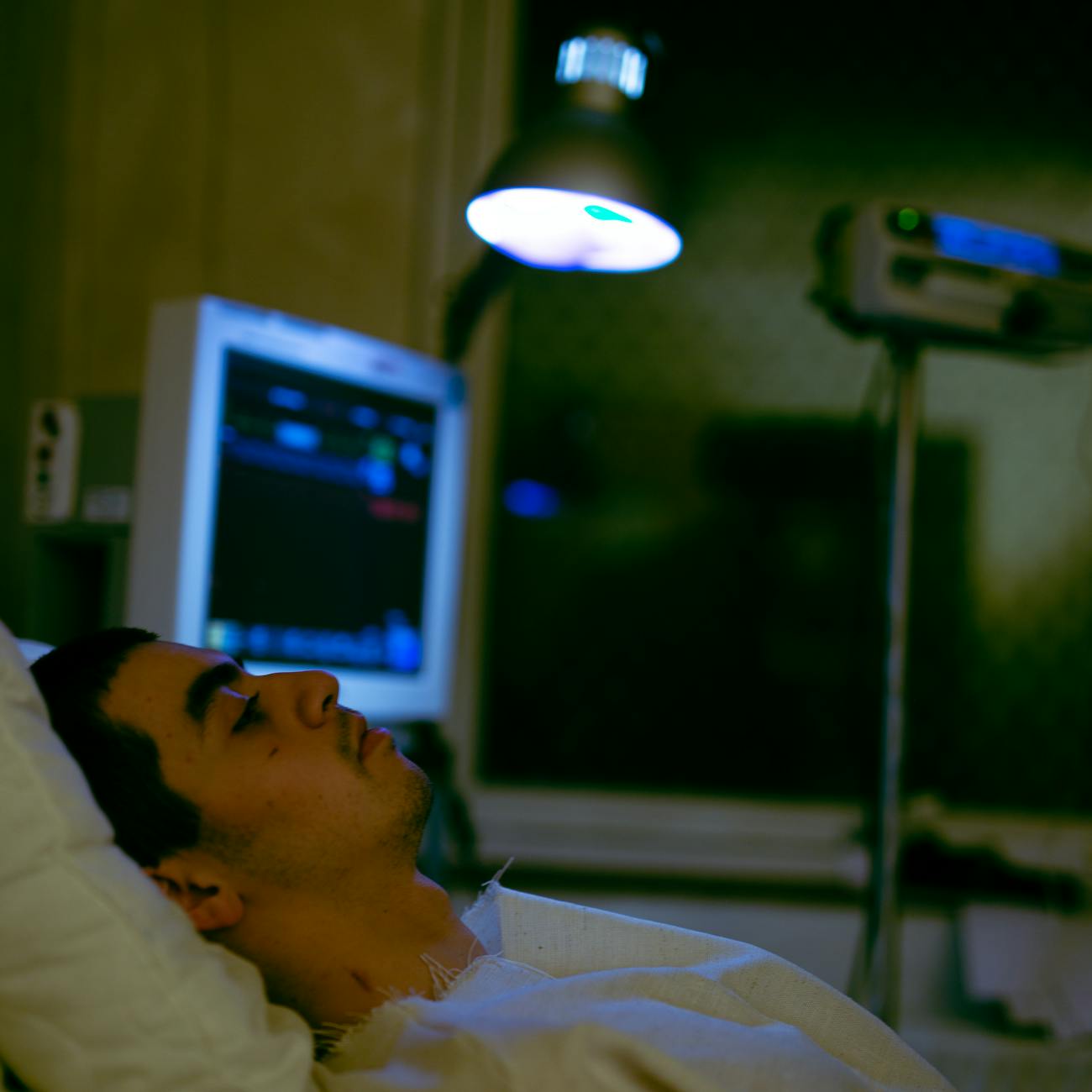
Advanced Stroke Pathophysiology is a key component of the Advanced Skill Certificate in Stroke Physical Therapy. This section will cover important terms and vocabulary related to the pathophysiology of stroke, also known as cerebrovascular accident (CVA).
A stroke is a sudden loss of neurological function due to disruption of blood flow to a part of the brain, which can be caused by either a blockage (ischemic stroke) or a bleed (hemorrhagic stroke).
Ischemic stroke is caused by a blockage in a cerebral artery, typically due to atherosclerosis, embolism, or thrombosis.
* Atherosclerosis is the buildup of plaque in the arterial walls, which narrows the lumen and reduces blood flow. * Embolism is the sudden blocking of a blood vessel by a foreign substance, such as a blood clot or fat globule, that has traveled from another part of the body. * Thrombosis is the formation of a blood clot within a blood vessel, which can obstruct blood flow.
Hemorrhagic stroke is caused by the rupture of a cerebral blood vessel, resulting in bleeding within the brain parenchyma or subarachnoid space.
* Intracerebral hemorrhage is bleeding within the brain parenchyma, often due to hypertension or cerebral amyloid angiopathy. * Subarachnoid hemorrhage is bleeding into the subarachnoid space, commonly caused by the rupture of an aneurysm or arteriovenous malformation.
Cerebral infarction refers to the death of brain tissue due to ischemia, resulting in irreversible damage to neurons, glial cells, and blood vessels.
* Penumbra is the area surrounding the infarct core that is initially salvageable but may progress to infarction if not treated promptly.
Neuroprotection refers to strategies aimed at preserving or restoring neurological function after stroke, including pharmacological, cell-based, and rehabilitative approaches.
* Excitotoxicity is the excessive activation of neuronal receptors by excitatory neurotransmitters, leading to neuronal death. * Apoptosis is programmed cell death, which can be triggered by ischemia and inflammation.
Reperfusion injury refers to the damage caused by the restoration of blood flow to ischemic tissue, leading to the production of reactive oxygen species, inflammation, and further tissue damage.
* Reactive oxygen species are highly reactive molecules that can damage cell membranes, proteins, and DNA.
Cerebral edema is the swelling of brain tissue due to increased water content, which can result from ischemia, inflammation, or hemorrhage.
* Vasogenic edema is the extracellular accumulation of fluid due to increased permeability of cerebral blood vessels. * Cytotoxic edema is the intracellular accumulation of fluid due to cellular dysfunction.
Blood-brain barrier is a highly selective interface between the brain parenchyma and the circulating blood, regulating the passage of molecules and cells.
* Tight junctions are specialized structures between endothelial cells that restrict paracellular diffusion of molecules. * Active transport is the energy-dependent movement of molecules across the blood-brain barrier.
Neuroplasticity is the brain's ability to reorganize and adapt to new situations or injuries, which plays a crucial role in stroke recovery.
* Synaptogenesis is the formation of new synapses between neurons. * Collateral sprouting is the growth of new axonal branches from surviving neurons.
Understanding these key terms and concepts is essential for the effective assessment and treatment of patients with stroke. Physical therapists must be familiar with the pathophysiological processes underlying stroke to develop targeted interventions and optimize patient outcomes. For example, knowledge of the penumbra concept can guide the use of thrombolytic therapy to salvage ischemic tissue, while understanding neuroplasticity can inform the design of rehabilitation interventions that harness the brain's capacity for adaptation and recovery.
Challenge: Consider a patient with an ischemic stroke and identify the underlying pathophysiological processes that may be contributing to their neurological deficits. Develop a rehabilitation plan that incorporates strategies to promote neuroprotection, reperfusion, and neuroplasticity. Reflect on how a deeper understanding of stroke pathophysiology can inform your clinical decision-making and improve patient outcomes.
Key takeaways
- This section will cover important terms and vocabulary related to the pathophysiology of stroke, also known as cerebrovascular accident (CVA).
- A stroke is a sudden loss of neurological function due to disruption of blood flow to a part of the brain, which can be caused by either a blockage (ischemic stroke) or a bleed (hemorrhagic stroke).
- Ischemic stroke is caused by a blockage in a cerebral artery, typically due to atherosclerosis, embolism, or thrombosis.
- * Embolism is the sudden blocking of a blood vessel by a foreign substance, such as a blood clot or fat globule, that has traveled from another part of the body.
- Hemorrhagic stroke is caused by the rupture of a cerebral blood vessel, resulting in bleeding within the brain parenchyma or subarachnoid space.
- * Subarachnoid hemorrhage is bleeding into the subarachnoid space, commonly caused by the rupture of an aneurysm or arteriovenous malformation.
- Cerebral infarction refers to the death of brain tissue due to ischemia, resulting in irreversible damage to neurons, glial cells, and blood vessels.