
Packaging Design for Digital Print
In the Masterclass Certificate in Digital Printing for Packaging, packaging design for digital print is a crucial aspect of the course. Here are some key terms and vocabulary related to packaging design for digital print:
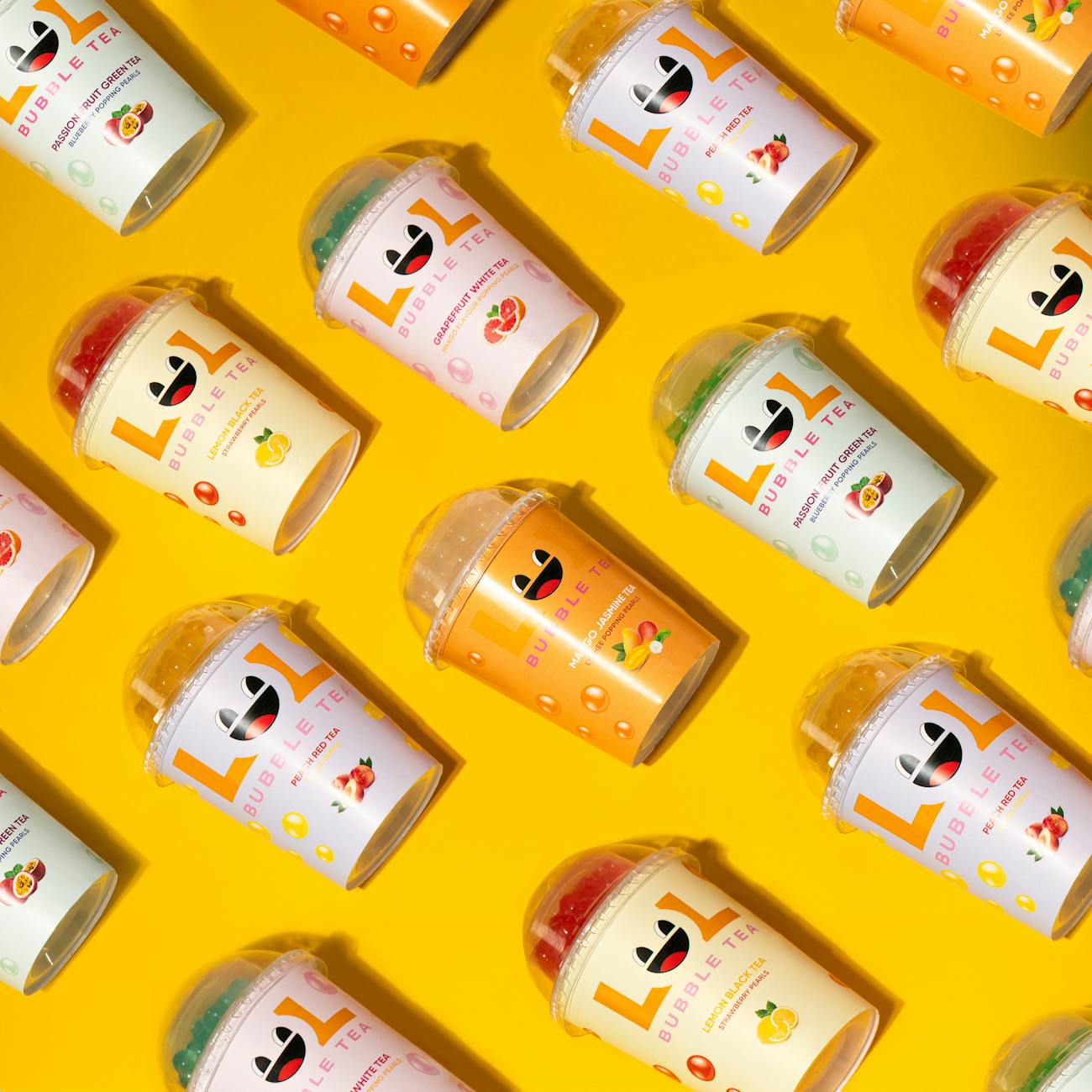
In the Masterclass Certificate in Digital Printing for Packaging, packaging design for digital print is a crucial aspect of the course. Here are some key terms and vocabulary related to packaging design for digital print:
1. **Digital print**: Digital print is a method of printing from a digital-based image directly to a variety of media. It is a more efficient and cost-effective method compared to traditional printing methods, as it eliminates the need for plates and allows for on-demand printing. 2. **Packaging design**: Packaging design refers to the process of creating the visual appearance and structure of a product's packaging. It involves considering factors such as branding, functionality, and sustainability. 3. **Structural design**: Structural design refers to the physical structure of a product's packaging. It involves considering factors such as material, shape, and size. 4. **Branding**: Branding refers to the process of creating a unique and distinctive identity for a product or company. It involves considering factors such as logo, color scheme, and messaging. 5. **Materials**: Materials refer to the physical components used to create a product's packaging. Common materials used in packaging design include paper, plastic, and metal. 6. **Finishes**: Finishes refer to the various treatments applied to a product's packaging to enhance its appearance and durability. Examples of finishes include varnishes, laminates, and coatings. 7. **Sustainability**: Sustainability refers to the consideration of environmental impact in packaging design. It involves using eco-friendly materials and minimizing waste. 8. **Color management**: Color management refers to the process of ensuring consistent and accurate color representation across different devices and media. It involves considering factors such as color gamut, color profiling, and color calibration. 9. **Resolution**: Resolution refers to the level of detail in an image. It is measured in dots per inch (dpi) and affects the quality of the printed image. 10. **Bleed**: Bleed refers to the extra space around the edges of a design that is trimmed off after printing. It is necessary to ensure that the design goes all the way to the edge of the packaging. 11. **Die-cut**: Die-cut refers to the process of cutting a specific shape or pattern into the packaging. It is typically used for creating windows, unique shapes, or intricate designs. 12. **Folding carton**: Folding carton refers to a type of packaging made from paperboard or cardboard that is folded and glued into a three-dimensional structure. It is commonly used for food, cosmetics, and pharmaceutical products. 13. **Shrink wrap**: Shrink wrap refers to a type of packaging made from flexible plastic film that shrinks when heated. It is commonly used for bundling multiple products together or protecting fragile items. 14. **Blister pack**: Blister pack refers to a type of packaging that consists of a clear plastic shell that is heat sealed to a cardboard backing. It is commonly used for small consumer products such as batteries, medication, or toys. 15. **Labeling**: Labeling refers to the application of labels to a product's packaging. It involves considering factors such as legibility, durability, and regulatory compliance. 16. **Prototyping**: Prototyping refers to the creation of a physical model of a product's packaging. It is used to test the design and functionality before mass production. 17. **Variable data printing**: Variable data printing refers to the ability to print different information on each package, such as personalized messages or barcodes. It is commonly used for direct mail campaigns or product customization. 18. **Workflow**: Workflow refers to the series of steps involved in creating a product's packaging, from design to production. It involves coordinating different tasks and processes to ensure efficient and effective production.
Examples of packaging design for digital print include:
* A folding carton for a new line of organic snack bars, featuring bright colors and bold typography to appeal to health-conscious consumers. * A shrink wrap package for a bundle of artisanal soaps, featuring a unique die-cut window to showcase the product inside. * A blister pack for a new line of eco-friendly cleaning products, featuring clear plastic to highlight the natural ingredients and a biodegradable backing. * A label for a craft beer bottle, featuring a custom illustration and hand-lettered typography to convey the brand's personality.
Practical applications of packaging design for digital print include:
* Creating a packaging design that effectively communicates a product's brand and value proposition. * Designing a packaging structure that is functional, durable, and sustainable. * Selecting materials and finishes that enhance the product's appearance and protect it during transport. * Implementing a color management system to ensure consistent and accurate color representation across different devices and media. * Utilizing variable data printing to create personalized or customized packaging for individual customers.
Challenges in packaging design for digital print include:
* Ensuring the design is optimized for the specific digital printing technology being used. * Balancing the need for high-quality graphics with the limitations of digital printing in terms of speed, cost, and resolution. * Addressing the unique challenges of printing on non-traditional materials or surfaces. * Ensuring the packaging design is compliant with regulatory requirements and industry standards.
In summary, packaging design for digital print involves a range of technical and creative considerations, from material selection and color management to branding and structural design. By understanding the key terms and concepts related to this field, professionals in the packaging industry can create effective and impactful packaging designs that meet the needs of their clients and the demands of the market.
Key takeaways
- In the Masterclass Certificate in Digital Printing for Packaging, packaging design for digital print is a crucial aspect of the course.
- **Variable data printing**: Variable data printing refers to the ability to print different information on each package, such as personalized messages or barcodes.
- * A blister pack for a new line of eco-friendly cleaning products, featuring clear plastic to highlight the natural ingredients and a biodegradable backing.
- * Implementing a color management system to ensure consistent and accurate color representation across different devices and media.
- * Balancing the need for high-quality graphics with the limitations of digital printing in terms of speed, cost, and resolution.
- By understanding the key terms and concepts related to this field, professionals in the packaging industry can create effective and impactful packaging designs that meet the needs of their clients and the demands of the market.