
Sport Psychology in Coaching
Sport Psychology Sport psychology is a field that focuses on the mental aspects of sports performance. It involves studying how psychological factors can affect an athlete's performance, motivation, and overall well-being. Sport psychologis…
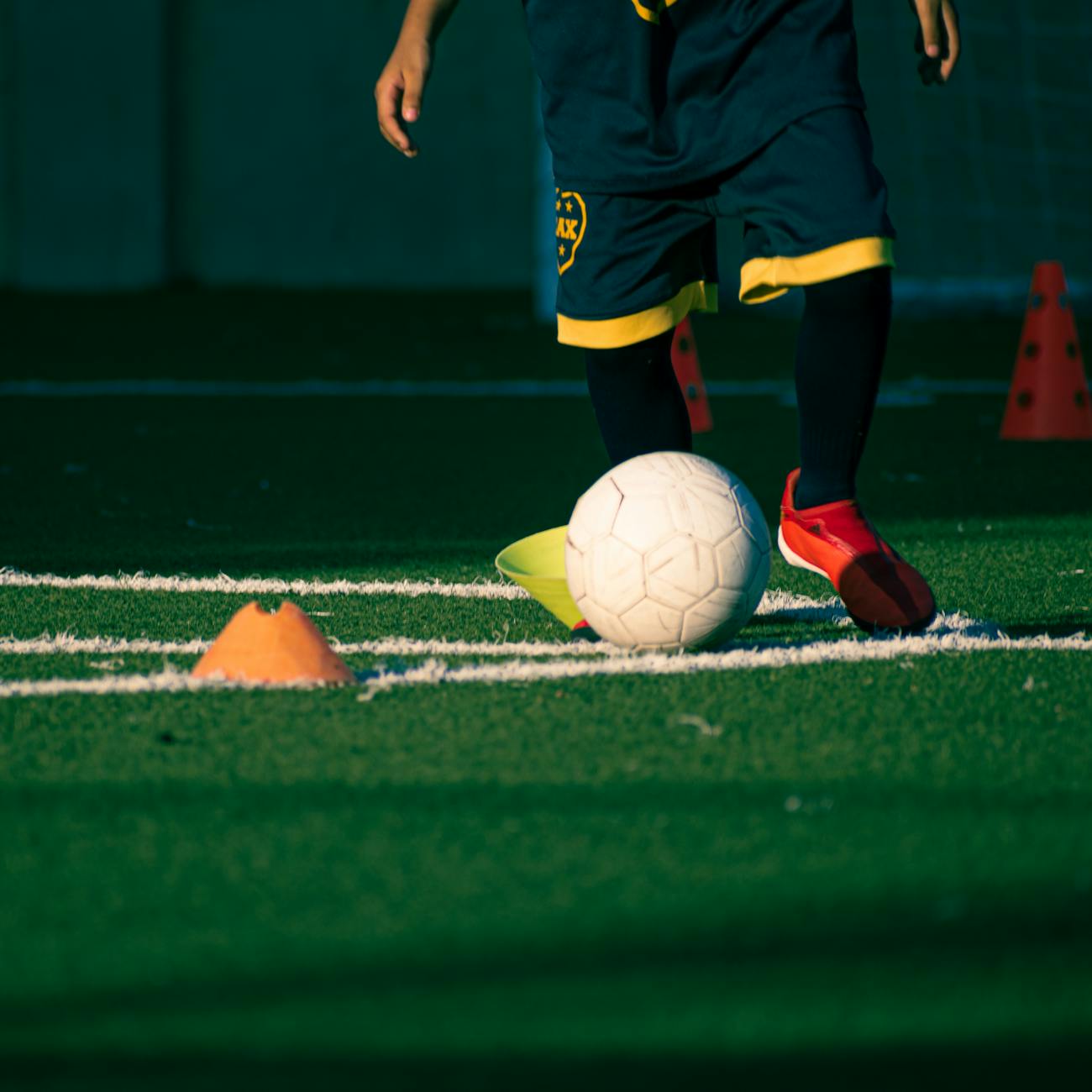
Sport Psychology Sport psychology is a field that focuses on the mental aspects of sports performance. It involves studying how psychological factors can affect an athlete's performance, motivation, and overall well-being. Sport psychologists work with athletes to help them improve their mental skills and overcome psychological barriers that may be holding them back.
Coaching Coaching in sports psychology refers to the process of working with athletes to help them achieve their goals and maximize their performance. Coaches use psychological techniques to help athletes develop the mental skills they need to succeed in their sport.
Advanced Certificate in Sports Psychology and Nutrition An advanced certificate in sports psychology and nutrition is a specialized program that provides in-depth training in the psychological and nutritional aspects of sports performance. This program is designed for individuals who want to enhance their knowledge and skills in these areas to better support athletes in achieving their goals.
Key Terms and Vocabulary
1. Motivation Motivation is a key factor in sports performance. It refers to the drive and determination that athletes have to achieve their goals. Motivation can be intrinsic (coming from within the athlete) or extrinsic (coming from external sources such as coaches or teammates). Coaches can help athletes stay motivated by setting challenging but achievable goals, providing positive feedback, and creating a supportive training environment.
2. Goal Setting Goal setting is a process that involves establishing specific, measurable, achievable, relevant, and time-bound (SMART) goals. Setting goals helps athletes stay focused and motivated, as well as track their progress over time. Coaches can work with athletes to set both short-term and long-term goals that align with their performance objectives.
3. Self-Confidence Self-confidence is the belief that athletes have in their ability to succeed. It plays a crucial role in sports performance, as athletes who are more confident are more likely to take risks, perform at their best, and bounce back from setbacks. Coaches can help athletes build self-confidence through positive reinforcement, constructive feedback, and mental skills training.
4. Mental Toughness Mental toughness is the ability to stay focused, determined, and resilient in the face of challenges and adversity. Athletes with high levels of mental toughness are better able to cope with pressure, maintain their composure, and perform consistently at a high level. Coaches can help athletes develop mental toughness through visualization, relaxation techniques, and goal setting.
5. Stress Management Stress management is an important skill for athletes to learn, as sports performance can be highly stressful and demanding. Athletes who are able to effectively manage their stress are better able to stay focused, perform under pressure, and avoid burnout. Coaches can teach athletes stress management techniques such as deep breathing, mindfulness, and time management.
6. Imagery Imagery, also known as visualization, is a mental technique that involves creating vivid mental images of successful performance. Athletes can use imagery to mentally rehearse their skills, boost their confidence, and prepare for competition. Coaches can incorporate imagery into training sessions to help athletes improve their performance and build mental toughness.
7. Arousal Regulation Arousal regulation refers to the ability to control and manage one's level of arousal or excitement during sports performance. Athletes need to find the optimal level of arousal that allows them to perform at their best without becoming too anxious or overwhelmed. Coaches can teach athletes techniques such as progressive muscle relaxation, breathing exercises, and self-talk to help them regulate their arousal levels.
8. Focus and Concentration Focus and concentration are essential for athletes to perform well in sports. Athletes need to be able to maintain their focus on the task at hand, block out distractions, and stay present in the moment. Coaches can help athletes improve their focus and concentration through mindfulness training, attention control exercises, and pre-performance routines.
9. Goal Orientation Goal orientation refers to the underlying reasons why athletes participate in sports and pursue their goals. Athletes can have task-oriented goals (focused on mastering skills and self-improvement) or ego-oriented goals (focused on outperforming others and gaining recognition). Coaches can help athletes develop a healthy task-oriented goal orientation to enhance their motivation and performance.
10. Burnout Burnout is a state of physical, emotional, and mental exhaustion that can result from prolonged exposure to stress and high demands. Athletes who experience burnout may lose their motivation, passion, and enjoyment for their sport. Coaches can help athletes prevent burnout by promoting work-life balance, providing social support, and monitoring signs of burnout.
11. Team Dynamics Team dynamics refer to the interactions, relationships, and communication patterns within a sports team. Positive team dynamics can enhance cohesion, trust, and performance, while negative team dynamics can lead to conflict, tension, and underperformance. Coaches can foster positive team dynamics by promoting teamwork, effective communication, and conflict resolution.
12. Leadership Leadership in sports involves guiding, inspiring, and motivating athletes to achieve their goals and work together as a team. Effective leadership can enhance team performance, cohesion, and morale. Coaches can develop their leadership skills by setting a positive example, communicating effectively, and building strong relationships with their athletes.
13. Feedback Feedback is essential for athletes to improve their performance and learn from their experiences. Coaches can provide feedback on athletes' skills, techniques, and strategies to help them identify areas for improvement and make adjustments. Feedback should be specific, constructive, and delivered in a timely manner to be most effective.
14. Resilience Resilience is the ability to bounce back from setbacks, adapt to challenges, and maintain a positive outlook in the face of adversity. Athletes who are resilient are better able to cope with failures, injuries, and other obstacles that may arise in their sports careers. Coaches can help athletes build resilience through mental skills training, support, and encouragement.
15. Mental Health Mental health is an important aspect of overall well-being for athletes. Athletes may experience mental health challenges such as anxiety, depression, or eating disorders that can impact their performance and quality of life. Coaches can support athletes' mental health by creating a safe and supportive environment, promoting self-care practices, and referring athletes to mental health professionals when needed.
16. Nutrition Nutrition plays a critical role in sports performance, recovery, and overall health. Athletes need to fuel their bodies with the right balance of nutrients to support their training, optimize their performance, and prevent injuries. Coaches can work with athletes to develop personalized nutrition plans that meet their energy needs, hydration requirements, and nutrient goals.
17. Hydration Hydration is essential for athletes to maintain their performance, regulate body temperature, and prevent dehydration. Athletes should drink an adequate amount of fluids before, during, and after exercise to stay hydrated. Coaches can educate athletes on the importance of hydration, monitor their fluid intake, and provide guidance on electrolyte replacement during intense training sessions or competitions.
18. Recovery Recovery is a crucial aspect of sports training that allows athletes to rest, repair, and replenish their bodies after intense workouts or competitions. Adequate recovery helps athletes prevent injuries, reduce muscle soreness, and improve their overall performance. Coaches can help athletes optimize their recovery by incorporating rest days, sleep hygiene practices, and recovery strategies such as stretching, foam rolling, and ice baths.
19. Periodization Periodization is a training concept that involves dividing the sports season into specific training phases or cycles to optimize performance and prevent overtraining. Coaches can use periodization to plan and schedule athletes' training loads, intensity levels, and recovery periods throughout the season. Periodization helps athletes peak at the right time, minimize the risk of injury, and achieve their performance goals.
20. Performance Analysis Performance analysis involves evaluating and assessing athletes' performance to identify strengths, weaknesses, and areas for improvement. Coaches can use performance analysis tools such as video analysis, data tracking, and performance metrics to gather insights and provide feedback to athletes. Performance analysis helps athletes make informed decisions, set goals, and track their progress over time.
21. Ethics Ethics in sports psychology and coaching involve upholding professional standards, integrity, and respect for athletes' well-being and rights. Coaches should adhere to ethical guidelines, maintain confidentiality, and avoid conflicts of interest in their interactions with athletes. Ethical coaching practices help build trust, credibility, and positive relationships with athletes, colleagues, and the sports community.
22. Inclusivity Inclusivity in sports refers to creating a welcoming and supportive environment for athletes of all backgrounds, abilities, and identities. Coaches should promote diversity, equity, and inclusion in their coaching practices to ensure that all athletes feel valued, respected, and empowered. Inclusive coaching practices help foster a sense of belonging, teamwork, and camaraderie within sports teams.
23. Cultural Competence Cultural competence involves understanding and respecting the cultural beliefs, values, and norms of athletes from diverse backgrounds. Coaches should be aware of cultural differences, communicate effectively across cultures, and adapt their coaching methods to meet the needs of diverse athletes. Cultural competence helps coaches build trust, rapport, and positive relationships with athletes from different cultural backgrounds.
24. Professional Development Professional development in sports psychology and coaching involves continuous learning, growth, and skill enhancement to stay current with best practices and trends in the field. Coaches can pursue professional development opportunities such as workshops, conferences, certifications, and mentorship programs to expand their knowledge, network with other professionals, and enhance their coaching skills. Professional development helps coaches improve their effectiveness, impact, and career advancement in the sports industry.
25. Performance Enhancement Performance enhancement in sports psychology and coaching involves using psychological techniques, strategies, and interventions to help athletes optimize their performance and achieve their full potential. Coaches can work with athletes to develop mental skills, improve their mindset, and overcome performance barriers that may be hindering their success. Performance enhancement techniques include goal setting, imagery, self-talk, and stress management to help athletes perform at their best in training and competition.
26. Sports Nutrition Sports nutrition is a specialized area of nutrition that focuses on the unique dietary needs of athletes to support their training, performance, and recovery. Athletes require specific macronutrients (carbohydrates, proteins, fats) and micronutrients (vitamins, minerals) to fuel their workouts, repair muscle tissue, and optimize their energy levels. Coaches can provide athletes with nutrition education, meal planning guidance, and supplement recommendations to help them meet their nutritional needs and achieve their performance goals.
27. Mind-Body Connection The mind-body connection refers to the relationship between an athlete's mental state and physical performance. Mental factors such as thoughts, emotions, and beliefs can influence an athlete's physiological responses, motor skills, and overall performance. Coaches can help athletes strengthen their mind-body connection through mindfulness practices, relaxation techniques, and mental skills training to improve their focus, confidence, and performance in sports.
28. Interpersonal Skills Interpersonal skills are essential for coaches to build positive relationships, communicate effectively, and motivate athletes. Coaches should possess strong interpersonal skills such as active listening, empathy, and conflict resolution to connect with athletes, understand their needs, and create a supportive coaching environment. Interpersonal skills help coaches build trust, rapport, and collaboration with athletes to maximize their performance and well-being.
29. Athlete Development Athlete development involves supporting athletes in their physical, psychological, and social growth throughout their sports careers. Coaches play a key role in guiding athletes through various stages of development, from youth to elite levels, by providing mentorship, feedback, and opportunities for skill building. Athlete development focuses on helping athletes reach their full potential, achieve their goals, and succeed in sports and life.
30. Performance Psychology Performance psychology is a branch of sports psychology that focuses on optimizing athletes' mental skills, mindset, and performance in sports. Performance psychologists work with athletes to enhance their focus, confidence, motivation, and resilience to perform at their best in training and competitions. Performance psychology techniques include goal setting, visualization, self-talk, and arousal regulation to help athletes overcome challenges, manage pressure, and achieve peak performance in sports.
Key takeaways
- Sport psychologists work with athletes to help them improve their mental skills and overcome psychological barriers that may be holding them back.
- Coaching Coaching in sports psychology refers to the process of working with athletes to help them achieve their goals and maximize their performance.
- This program is designed for individuals who want to enhance their knowledge and skills in these areas to better support athletes in achieving their goals.
- Coaches can help athletes stay motivated by setting challenging but achievable goals, providing positive feedback, and creating a supportive training environment.
- Goal Setting Goal setting is a process that involves establishing specific, measurable, achievable, relevant, and time-bound (SMART) goals.
- It plays a crucial role in sports performance, as athletes who are more confident are more likely to take risks, perform at their best, and bounce back from setbacks.
- Athletes with high levels of mental toughness are better able to cope with pressure, maintain their composure, and perform consistently at a high level.