
Special Operations Communication.
Special Operations Communication demands a precise and shared vocabulary so that operators, analysts, and commanders can exchange information with speed, accuracy, and security. The following glossary presents the most critical terms, organ…
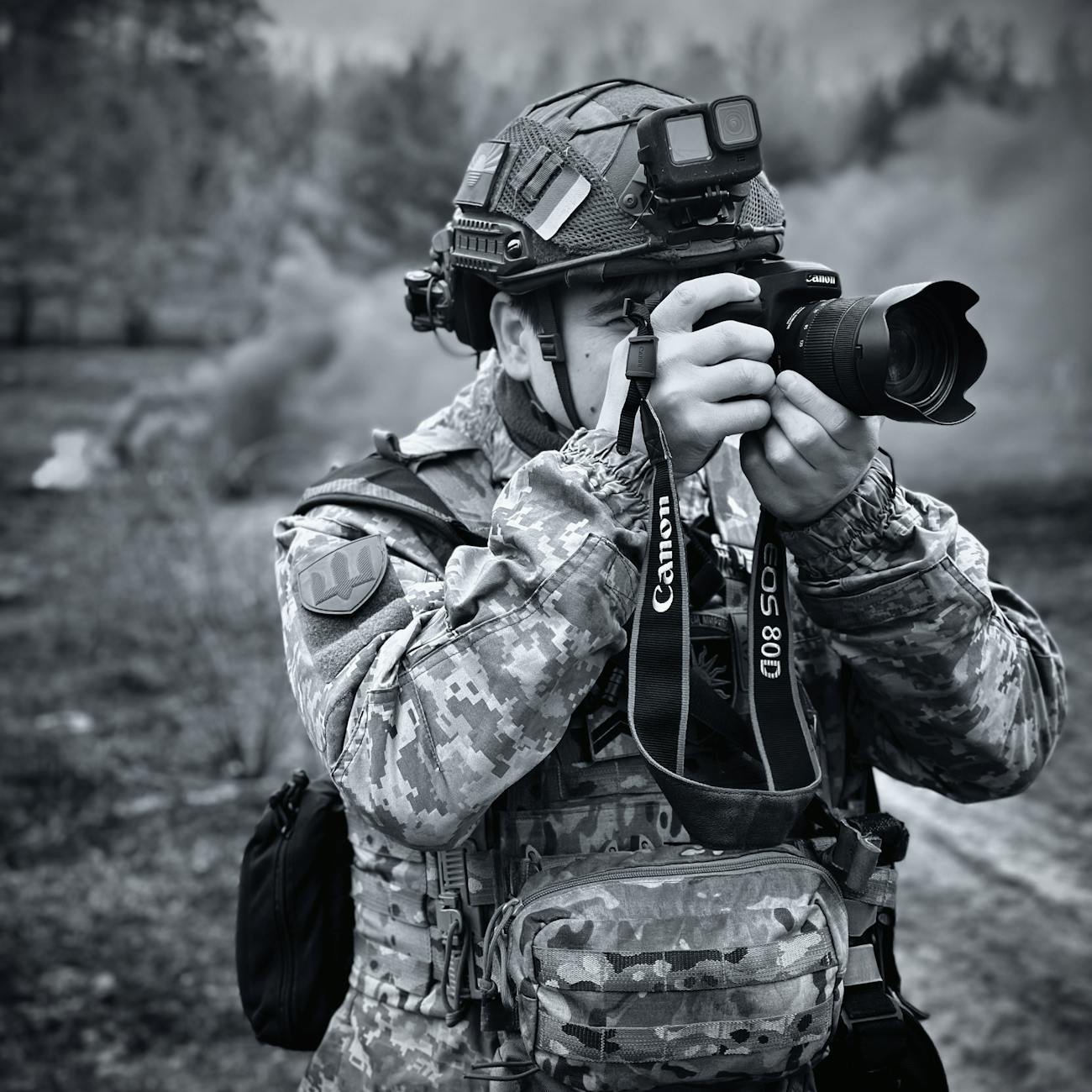
Special Operations Communication demands a precise and shared vocabulary so that operators, analysts, and commanders can exchange information with speed, accuracy, and security. The following glossary presents the most critical terms, organized by thematic clusters, and illustrates how each concept functions in real‑world missions. Learners will encounter definitions, practical examples, typical applications, and common challenges associated with each term. The emphasis on key words is kept to a few words at a time, using only bold or italic tags as required.
Intelligence Collection Disciplines
SIGINT – Short for signals intelligence, this discipline captures electronic emissions such as radio, radar, and data links. In a hostage‑rescue operation, SIGINT teams may intercept enemy command traffic to locate the captors’ command post. The primary challenge is distinguishing useful signals from background noise in a congested electromagnetic environment.
COMINT – A subset of SIGINT, communications intelligence focuses on voice and data communications. For example, a special‑operations team may monitor a hostile militia’s VHF radio net to learn the timing of a planned ambush. Encryption, frequency hopping, and brief transmission bursts are common obstacles that require advanced de‑cryption tools and rapid analysis.
ELINT – Electronic emissions intelligence deals with non‑communication emissions, primarily radar. Detecting a mobile air‑defense radar through ELINT allows a unit to plot a safe ingress route, avoiding detection by surface‑to‑air missiles. The difficulty lies in rapidly classifying radar signatures while operating under time pressure.
FISINT – Foreign instrumentation signals intelligence captures telemetry from weapons tests or missile launches. A special‑operations intelligence cell might use FISINT to assess the range of a newly fielded enemy rocket, informing strike planning. The main issue is the need for high‑gain antennas and real‑time processing to avoid data loss.
MASINT – Measurement and signature intelligence encompasses a broad set of technical measurements such as acoustic, nuclear, and chemical signatures. During a clandestine insertion, MASINT sensors can detect underground tunnels by measuring soil moisture changes. The challenge is integrating disparate data streams into a coherent operational picture.
HUMINT – While not a technical signal, human intelligence remains vital. Special‑operations units often rely on source networks for “last‑known” locations of high‑value targets. The difficulty is maintaining source security, especially when operating in hostile or denied environments.
OSINT – Open‑source intelligence draws from publicly available information, such as social media or commercial satellite imagery. Analysts may use OSINT to verify the presence of enemy forces in a village before a raid. Challenges include information overload and the need to verify authenticity.
C4ISR – Stands for command, control, communications, computers, intelligence, surveillance, and reconnaissance. It describes the integrated system that enables a commander to direct forces, collect data, and disseminate decisions. A failure in any C4ISR component can cripple mission success; therefore, redundancy and resilience are built into the architecture.
Communication Modes and Frequency Bands
HF – High‑frequency (3–30 MHz) provides long‑range beyond‑line‑of‑sight communication via ionospheric reflection. A small unit may use HF for strategic updates when satellite links are unavailable. The primary limitation is susceptibility to atmospheric conditions and intentional jamming.
VHF – Very‑high‑frequency (30–300 MHz) is commonly used for line‑of‑sight tactical radios, offering a balance of range and bandwidth. Special‑operations teams often employ VHF for intra‑team coordination during a night raid. Interference from civilian broadcasts and terrain masking are frequent concerns.
UHF – Ultra‑high‑frequency (300 MHz–3 GHz) supports higher data rates, useful for transmitting video or large files. A reconnaissance drone may stream live imagery to a ground station via UHF. However, UHF signals are more readily blocked by obstacles and can be targeted by enemy electronic‑attack systems.
SATCOM – Satellite communications provide global coverage, essential for operations in remote or denied areas. Portable SATCOM terminals enable a joint task force to maintain a secure link with headquarters. Latency, limited bandwidth, and the risk of satellite denial are key challenges.
Line‑of‑Sight (LOS) – Refers to direct radio paths without reliance on ionospheric reflection. LOS radios are preferred for rapid, low‑latency voice and data exchange within a tactical formation. The main drawback is the limited range, especially in mountainous terrain.
Low Probability of Intercept (LPI) – Techniques that make transmissions difficult to detect, such as frequency hopping, spread spectrum, and short burst durations. An LPI system might be used by a covert team to issue a brief command without alerting enemy detectors. Implementing LPI requires sophisticated hardware and disciplined operating procedures.
Frequency Hopping – Rapidly changing the carrier frequency according to a pseudo‑random sequence known to both transmitter and receiver. This method reduces the chance of interception and jamming. The challenge is synchronizing hop patterns among all participants, especially when units are dispersed.
Spread Spectrum – Distributes a signal over a wide frequency band to increase resistance to interference and detection. Direct‑Sequence Spread Spectrum (DSSS) and Frequency‑Hopping Spread Spectrum (FHSS) are common in tactical radios. Designing spread‑spectrum waveforms that meet both security and performance requirements can be complex.
Secure Voice – Encrypted voice communication that prevents eavesdropping. Modern secure voice systems use algorithms such as AES‑256 and provide authentication via digital certificates. Operators must manage key distribution and ensure devices are properly initialized before each mission.
Encryption and Key Management
AES – The Advanced Encryption Standard is widely used for encrypting data at rest and in transit. Special‑operations units may encrypt mission plans stored on rugged laptops using AES‑256. The primary risk is inadequate key protection, which can lead to compromise if devices are captured.
NSA Type 1 – Refers to classified, government‑approved cryptographic solutions that provide the highest level of security for classified communications. A Type 1 encryptor is often required for transmitting Top‑Secret material. Managing the lifecycle of Type 1 equipment, including secure storage and periodic re‑keying, adds operational overhead.
Key Management – The process of generating, distributing, storing, rotating, and destroying cryptographic keys. In a joint operation, a centralized key management system (KMS) may push session keys to all participants over an encrypted channel. The biggest challenge is ensuring that all devices receive the correct keys before a time‑critical mission, especially when connectivity is intermittent.
Public Key Infrastructure (PKI) – A framework that uses asymmetric cryptography to authenticate devices and users. PKI certificates enable mutual authentication between a handheld radio and a satellite gateway. Maintaining an up‑to‑date certificate revocation list (CRL) in the field can be difficult, especially in austere environments.
Compartmentalization – Limiting information access to only those who need it, often enforced through separate encryption domains. A special‑operations team may have a “red” compartment for mission‑critical data and a “blue” compartment for general situational awareness. Over‑compartmentalization can hinder timely information sharing if not carefully managed.
Need‑to‑Know – A principle that restricts access to information based on operational necessity. This principle works hand‑in‑hand with compartmentalization to reduce the risk of leaks. The practical difficulty is balancing security with the rapid flow of intelligence required during fast‑moving operations.
Operational Security (OPSEC) – The process of identifying, controlling, and protecting information that could be exploited by an adversary. OPSEC includes measures such as masking radio call signs, encrypting transmissions, and limiting the broadcast of mission details. Failure to observe OPSEC can lead to compromised operations, as seen in historic incidents where enemy forces intercepted unencrypted radio traffic.
Network Architecture and Data Links
Tactical Data Link (TDL) – A standardized communication channel that transmits formatted data such as position, status, and intent. Link 16 is the most widely used TDL among NATO forces. It provides real‑time situational awareness and deconfliction capabilities. However, Link 16 requires line‑of‑sight and can be vulnerable to jamming if not properly protected.
Link 16 – A secure, jam‑resistant, high‑capacity TDL that uses time‑division multiple access (TDMA) to share the spectrum among participants. Special‑operations aircraft and ground units use Link 16 to exchange target coordinates and friendly force locations. The system’s reliance on synchronized clocks can be a weakness if GPS signals are denied.
Blue Force Tracking (BFT) – A system that provides continuous, automated reporting of friendly unit positions. BFT enhances command‑and‑control by allowing commanders to see the exact location of each team on a digital map. The main challenge is ensuring that all nodes have reliable connectivity, especially in terrain‑obstructed environments.
Mesh Networking – A topology where each node can relay data for others, creating a self‑healing network. Mesh networks are valuable for special‑operations teams operating in urban environments where traditional infrastructure is absent. The downside is increased power consumption and the need for sophisticated routing algorithms to prevent data loops.
Ad Hoc Networks – Temporary networks formed on the fly without pre‑existing infrastructure. An ad hoc network might be set up by a forward operating base to share intelligence with a reconnaissance team arriving by helicopter. Maintaining security and quality of service in ad hoc networks can be difficult when nodes frequently join and leave.
Store‑and‑Forward – A communication method where data is held at an intermediate node until a suitable transmission window is available. This technique is useful for satellite links that have limited contact periods. The risk is that stored data may become outdated or be compromised if the relay node is captured.
Secure Shell (SSH) – A protocol that provides encrypted remote login and command execution. SSH is often used by intelligence analysts to access a central server from a field laptop. Proper key management and disabling password authentication are essential to prevent unauthorized access.
Transmission Control Protocol/Internet Protocol (TCP/IP) – The foundational suite for most data communication. While TCP/IP offers flexibility, its default configuration is not secure; therefore, special‑operations networks typically employ additional layers such as IPsec to protect traffic. The challenge lies in configuring these layers correctly while preserving performance.
Internet Protocol Security (IPsec) – A suite of protocols that encrypts IP packets and authenticates the source of each packet. IPsec can be used to create virtual private networks (VPNs) over public internet connections, enabling secure data exchange between a remote team and headquarters. Latency and bandwidth constraints can affect real‑time mission requirements.
Operational Concepts and Doctrine
Mission Command – A command philosophy that emphasizes decentralized execution based on a clear commander’s intent. Operators are empowered to adapt to changing circumstances while staying aligned with the overall objective. The practical challenge is ensuring that each team fully understands the intent, especially when communication is limited.
Kill Chain – A model describing the phases of an operation: Detection, identification, targeting, engagement, and assessment. Communication must flow efficiently through each phase to achieve rapid decision cycles. Breakdowns in the kill chain often stem from delayed intelligence or insecure communications.
Synchronization – Coordinating actions across multiple units so they occur at the intended time. A synchronized air‑strike and ground assault require precise timing, often achieved through time‑stamped messages and shared clocks. Clock drift or missed messages can jeopardize mission success.
Deconfliction – The process of ensuring that friendly forces do not inadvertently target each other. Deconfliction relies on real‑time data links like Link 16 or BFT to share location and status. In high‑tempo environments, deconfliction can be compromised by communication latency or data saturation.
Joint Interoperability – The ability of forces from different services or coalition partners to operate together seamlessly. Interoperability depends on common standards, compatible equipment, and shared encryption keys. Differences in doctrine, language, and equipment can create friction points that must be mitigated through joint training.
Coalition Communications – Managing communications among allied nations, each with its own security policies and equipment. For example, a NATO operation may involve U.S., British, and Polish units, each using distinct radios and cryptographic suites. Establishing a common secure gateway and agreeing on call‑sign conventions are essential steps.
Network‑Centric Warfare (NCW) – A doctrine that leverages networked sensors, shooters, and decision-makers to achieve superior situational awareness. NCW enables rapid targeting cycles but also creates a dependence on robust, high‑bandwidth communications. Disruption of the network can degrade the entire warfighting capability.
Situational Awareness (SA) – The perception of the environment, comprehension of its meaning, and projection of future status. SA is built from multiple intelligence sources—SIGINT, HUMINT, MASINT—and disseminated through visual displays, voice briefings, and data links. Maintaining SA under stress requires clear, concise communication and reliable data streams.
Command and Control (C2) – The exercise of authority and direction by a commander over assigned forces. C2 systems integrate voice, data, and video to enable decision‑making. In special‑operations contexts, C2 must be resilient, allowing commanders to retain control even when parts of the network are degraded.
After‑Action Review (AAR) – A structured debrief that captures lessons learned, performance gaps, and best practices. AARs rely on recorded communications, sensor logs, and operator testimony. The quality of an AAR is directly linked to the fidelity of the data captured during the mission.
Equipment and Platforms
Manpack Radio – A portable radio system, typically weighing 5–10 kg, that provides multi‑band, secure communication for small teams. Manpack radios support both voice and data, including GPS position reports. Battery life and ruggedness are critical considerations for prolonged missions.
Ruggedized Laptop – A hardened computer designed to operate in extreme temperatures, shock, and moisture. Rugged laptops are used for processing intelligence, running analysis software, and generating mission orders. They often feature encrypted storage and TPM (Trusted Platform Module) chips for hardware‑based security.
Secure Handheld – A compact device that offers encrypted voice and short data messages. Secure handhelds are commonly used for quick check‑ins or to request immediate fire support. Limited bandwidth and short battery life require disciplined use.
Unmanned Aerial System (UAS) – A drone platform that can provide real‑time imagery, electronic surveillance, and communications relay. Small UAS units may carry a lightweight camera and a data link that streams video back to a ground station. Airspace deconfliction and signal interception are ongoing concerns.
Satellite Phone – A handheld device that connects directly to communication satellites for voice and low‑rate data. Satellite phones are indispensable in environments lacking terrestrial infrastructure, such as deep jungle or desert. Their reliance on line‑of‑sight to satellites makes them vulnerable to weather and intentional denial.
Rugged Tablet – Provides a larger display for map interaction, mission planning, and collaborative annotation. Tablets often run specialized software that integrates GPS, Blue Force Tracking, and intelligence feeds. The primary limitation is protecting the device from damage and ensuring secure data handling.
Portable Antenna – Deployable antenna arrays that extend the range and improve the performance of radios and SATCOM terminals. For HF communications, a long‑wire antenna can dramatically increase signal strength. Antenna deployment time and concealment are practical challenges in covert operations.
Frequency‑Selective Surface (FSS) – A material used to shape antenna patterns and reduce detection probabilities. Special‑operations teams may incorporate FSS panels on vehicle-mounted radars to limit side‑lobe emissions. Designing FSS structures that balance performance with weight constraints requires specialized engineering.
Protocol and Standards
Modular Open Systems Approach (MOSA) – A design philosophy that promotes interoperability and upgradeability through open standards. MOSA allows a special‑operations unit to swap out a radio module without redesigning the entire system. The trade‑off is ensuring that open interfaces do not introduce security vulnerabilities.
Joint Tactical Radio System (JTRS) – A family of software‑defined radios that can operate across multiple waveforms and frequencies. JTRS radios support both legacy and next‑generation waveforms, enabling seamless transition between mission phases. Managing software updates and ensuring backward compatibility are ongoing tasks.
Standardization Agreement (STANAG) – NATO‑wide agreements that define common technical specifications, such as STANAG 4607 for Link 16. Adherence to STANAGs facilitates coalition interoperability but may limit the adoption of newer, potentially superior technologies.
Secure Real‑Time Transport Protocol (SRTP) – An encryption protocol for protecting voice and video streams. SRTP is used in secure video conferencing between a forward operating base and a command center. Latency introduced by encryption must be minimized to preserve real‑time interaction.
Digital Signature Algorithm (DSA) – A cryptographic method for verifying the authenticity of messages. DSA signatures are attached to mission orders to prevent tampering. Key management for DSA must be tightly controlled to avoid forgery.
Challenges in Special‑Operations Communication
Electronic Warfare (EW) – The use of electromagnetic spectrum to deny, disrupt, or deceive enemy communications. EW threats include jamming, spoofing, and directed‑energy attacks. Counter‑EW measures such as frequency agility, adaptive antennas, and rapid key rotation are essential.
Spectrum Management – Allocating and deconflicting frequency usage among friendly forces while avoiding interference with civilian services. In dense urban operations, multiple units may vie for the same VHF band, leading to contention. Dynamic spectrum allocation tools can mitigate conflicts but require centralized coordination.
Latency – The delay between sending a message and its receipt. High latency can cripple time‑sensitive commands, such as a close‑air support request. Satellite links often introduce latency; therefore, mission planners may pre‑position assets or use low‑Earth‑orbit constellations to reduce delay.
Bandwidth Constraints – Limited data capacity, especially on HF or narrow‑band SATCOM channels. Bandwidth scarcity forces operators to prioritize essential data, such as text orders over video streams. Compression algorithms and selective data forwarding help manage constraints but can degrade quality.
Interoperability Issues – Differences in equipment, encryption standards, and operating procedures among coalition partners. A lack of common waveforms can force units to rely on “bridge” radios that add complexity and potential points of failure. Joint training and pre‑mission planning are vital to resolve these gaps.
Insider Threat – The risk that a member of the team or a support element may intentionally or unintentionally compromise communications. Insider threats are mitigated through rigorous vetting, continuous monitoring, and compartmentalized access controls.
Physical Security of Devices – Radios, laptops, and other communication assets are at risk of capture or destruction. Devices must be designed for rapid destruction (e.G., A “kill‑switch”) or use tamper‑evident seals. Operators need to be trained in field sanitization procedures.
Power Management – All communication equipment depends on batteries or generators. In prolonged missions, power scarcity can limit the ability to maintain secure links. Energy‑efficient radios, solar chargers, and power‑sharing protocols are employed to extend endurance.
Environmental Factors – Weather, terrain, and electromagnetic clutter affect signal propagation. Rain attenuation can degrade UHF and satellite links, while mountainous terrain can block LOS communications. Adaptive antenna systems and site surveys help mitigate environmental impacts.
Human Factors – Stress, fatigue, and limited training can lead to procedural errors, such as transmitting on the wrong frequency or neglecting encryption. Regular drills, clear SOPs (Standard Operating Procedures), and ergonomic equipment design reduce human error.
Case Study: Urban Hostage Rescue
During an urban hostage rescue, a Special Operations Team (SOT) relied on a suite of communication tools and vocabulary to coordinate the assault. The team’s Command Element used a Manpack Radio operating on a VHF channel secured with AES encryption. Simultaneously, a UAS provided live video feed transmitted via a Secure Real‑Time Transport Protocol (SRTP) link to the Rugged Tablet in the command vehicle.
Intelligence analysts supplied SIGINT intercepts of enemy radio chatter, which were displayed on a Blue Force Tracking map. The analysts marked enemy positions using need‑to‑know compartments, ensuring that only the assault element received the precise coordinates. A Link 16 data link was used to deconflict air support, with the pilot receiving target updates in real time.
Because the operation took place in a densely built environment, the team employed Low Probability of Intercept (LPI) techniques, using short burst transmissions and frequency hopping. The Secure Handheld devices were programmed with a Public Key Infrastructure (PKI) certificate that allowed mutual authentication with the forward operating base’s Secure Shell (SSH) server for mission plan retrieval.
During the assault, an unexpected enemy jammer attempted to disrupt the VHF channel. The team’s radios automatically switched to an HF fallback, leveraging ionospheric propagation to maintain contact with the command element. The jammer was later identified as a Electronic Warfare (EW) device, prompting the team to activate an Anti‑Jamming mode that increased spread‑spectrum bandwidth.
After the mission, an After‑Action Review (AAR) was conducted. All recorded communications, including encrypted voice logs and sensor data, were decrypted using the mission’s Key Management system. The AAR identified a weakness in the Key Management process: Several devices had not received the latest session key due to a brief loss of connectivity. Recommendations included implementing an automated key‑distribution routine that operates over the Store‑and‑Forward mechanism.
Practical Application: Rapid Target Acquisition
In a rapid target acquisition scenario, a Special Reconnaissance Team uses a Manpack Radio to send a short burst request for fire support. The request is formatted according to the Tactical Data Link (TDL) protocol, containing target coordinates, identification code, and urgency flag. The request is transmitted over a UHF channel employing Frequency Hopping and Spread Spectrum to avoid detection.
The request reaches a forward artillery battery that is equipped with a Joint Tactical Radio System (JTRS). The battery’s fire control system parses the TDL message, cross‑checks the target against the Blue Force Tracking (BFT) map, and sends a Link 16 acknowledgment. The artillery unit then fires, and a Secure Real‑Time Transport Protocol (SRTP) video link from a forward observer’s UAS provides live impact assessment to the commander.
This chain of communication demonstrates the importance of standardized terminology, such as “target coordinates,” “urgency flag,” and “acknowledgment,” which all have precise definitions within the TDL specification. Miscommunication at any point—such as an incorrect coordinate format—could result in friendly fire or mission failure.
Key Vocabulary for Interoperability
Call Sign – A unique identifier assigned to a radio operator or unit. Call signs are often prefixed with a mission code (e.G., “ALPHA‑6”). Standardized call‑sign structures reduce confusion, especially when multiple coalition forces operate in the same frequency band.
Net Control Station (NCS) – The entity responsible for managing a radio net, including assigning frequencies, monitoring traffic, and enforcing net discipline. The NCS ensures that messages are transmitted in the correct order and that no unauthorized user joins the net.
Message Authentication Code (MAC) – A short piece of information used to verify the integrity and authenticity of a message. MACs are appended to data packets to detect tampering. A common MAC algorithm is HMAC‑SHA256, which provides strong integrity protection.
Transmission Window – The time period during which a satellite or ground station is available for communication. Planning transmission windows is critical for Store‑and‑Forward operations, especially when operating in low‑Earth‑orbit satellite constellations.
Encryption Key – A value used by cryptographic algorithms to encrypt and decrypt data. Keys can be symmetric (same key for both operations) or asymmetric (public/private key pair). Proper key distribution and rotation are essential to maintaining confidentiality.
Frequency Allocation – The assignment of specific frequency ranges to particular services or operations. In joint missions, a Frequency Allocation chart ensures that each unit operates within its authorized band, preventing mutual interference.
Message Format – The structured layout of data within a communication packet. For example, the NATO Standardized Message (STANAG 5984) defines fields for message type, priority, and timestamp. Adhering to a common format enables automated parsing and reduces human error.
Encryption Suite – A collection of cryptographic algorithms and protocols used to protect communications. An encryption suite may include AES for data, RSA for key exchange, and SHA‑256 for hashing. Selecting the appropriate suite balances security with processing overhead.
Operational Tempo (OPTempo) – The speed at which operations are conducted. High OPTempo demands rapid communication cycles, often necessitating automated data links and pre‑approved message templates.
Secure Gateway – A device or software component that bridges two networks while applying security controls such as encryption, firewall rules, and protocol translation. Secure gateways are used to connect coalition networks that use different encryption standards.
Joint Interoperability Test (JIT) – A formal exercise that validates the ability of multiple services or nations to communicate effectively. JITs assess equipment compatibility, encryption key exchange, and procedural alignment.
Critical Communication Path – The most essential route for transmitting mission‑critical data. Identifying and protecting critical paths ensures that if a node fails, alternative routes can sustain the flow of information.
Red Team – A group that simulates adversary actions to test the robustness of communication security. Red team exercises may attempt to intercept, jam, or spoof communication links to expose vulnerabilities.
Blue Team – The defensive counterpart responsible for securing communications, monitoring for intrusion, and responding to attacks. Blue team activities include network hardening, intrusion detection, and incident response.
Digital Terrain Model (DTM) – A three‑dimensional representation of the terrain used for planning radio line‑of‑sight and antenna placement. DTMs help predict coverage gaps and guide the deployment of repeaters or portable antennas.
Mission‑Critical Data – Information whose loss or compromise would jeopardize the success of the operation. Examples include target coordinates, extraction routes, and encryption keys. Mission‑critical data is often stored in encrypted containers with limited access.
Redundancy – The inclusion of duplicate systems or pathways to ensure continuity of communication. Redundancy can be achieved through multiple radios, parallel data links, or backup power supplies. However, redundancy adds weight and complexity, which must be balanced against operational needs.
Latency Budget – The maximum allowable delay for a communication system to meet mission requirements. A latency budget is calculated based on the time sensitivity of the data; for example, a fire‑support request may have a budget of less than one second.
Quality of Service (QoS) – Mechanisms that prioritize certain types of traffic, such as voice over data, to ensure reliable performance. QoS settings are crucial when bandwidth is limited, preventing low‑priority traffic from overwhelming the link.
Radio Discipline – The set of rules governing radio usage, including proper call‑sign usage, brevity, and adherence to transmission schedules. Strict radio discipline reduces the chance of accidental disclosure and improves efficiency.
Encryption Key Lifecycle – The stages a cryptographic key undergoes from generation to retirement. The lifecycle includes generation, distribution, activation, rotation, and destruction. Managing this lifecycle is a fundamental security practice.
Signal Integrity – The degree to which a transmitted signal remains unaltered by noise, interference, or deliberate tampering. Maintaining signal integrity often involves error‑correcting codes and real‑time monitoring.
Operational Cipher – A cipher algorithm designated for use during a specific operation. Operational ciphers may be changed frequently to reduce the window of vulnerability. They are typically stored in secure hardware modules.
Bandwidth Management – The process of allocating data rates to various services to avoid congestion. Bandwidth management techniques include traffic shaping, compression, and prioritization of mission‑essential data.
Threat Modeling – The systematic identification of potential adversaries, attack vectors, and impacts on communication systems. Threat modeling informs the selection of security controls and helps prioritize resources.
Cryptographic Token – A hardware device that stores encryption keys and performs cryptographic operations. Tokens enhance security by keeping keys isolated from the host system, reducing the risk of key extraction.
Secure Erase – A method of removing data from storage media such that it cannot be recovered. Secure erase procedures are applied to radios and laptops before equipment is redeployed or handed over to another unit.
Operational Security Brief (OPSEC Brief) – A concise presentation that outlines the security considerations for a specific mission, including communication protocols, emission control, and counter‑intelligence measures.
Example Interaction: Coordinated Air‑Strike
1. The Joint Terminal Attack Controller (JTAC) initiates a request via a Manpack Radio on a UHF channel, using a pre‑approved Message Format that includes target latitude/longitude, elevation, and a Priority Flag. 2. The request is encrypted with a Mission‑Critical Data Encryption Key and transmitted using Frequency Hopping to reduce interception risk. 3. The forward air controller’s Secure Gateway receives the message, validates the Message Authentication Code (MAC), and forwards it to the airborne platform via Link 16. 4. The aircraft’s fire control system processes the target data, confirms the Blue Force Tracking (BFT) overlay to avoid friendly fire, and acknowledges receipt with a Link 16 response. 5. After weapon release, the aircraft streams live video back to the ground via Secure Real‑Time Transport Protocol (SRTP), allowing the JTAC to verify impact. 6. Throughout the exchange, the Net Control Station (NCS) monitors the net for any unauthorized transmissions, enforcing Radio Discipline and ensuring that only authorized units participate.
The interaction showcases how each term—encryption, frequency management, data formatting, and deconfliction—contributes to a seamless and secure operation.
Advanced Concepts: Mesh Radio Networks
In environments where traditional infrastructure is unavailable, special‑operations units may deploy a Mesh Networking system. Each node in the mesh acts as both a transmitter and a repeater, extending coverage without a central hub. Mesh radios support dynamic routing, automatically adjusting paths when a node moves or is lost.
Key vocabulary for mesh networks includes:
• Node – An individual radio or device participating in the mesh. • Routing Protocol – The algorithm that determines the optimal path for data packets (e.G., OLSR, BATMAN). • Self‑Healing – The ability of the network to re‑configure automatically after a node failure. • Latency Buffer – A temporary storage area that smooths out variable delays caused by route changes. • Power‑Aware Routing – A strategy that selects routes based on node battery levels to prolong network life.
Operational challenges include managing encryption keys across a fluid topology, ensuring that compromised nodes cannot inject false data, and preventing bandwidth saturation as the number of nodes grows.
Practical Exercise: Establishing a Secure Mesh
1. Deploy three Manpack Radios in a line of sight, each configured as a mesh Node. 2. Initiate the Routing Protocol (e.G., OLSR) on each device; the radios exchange hello packets to discover neighbors. 3. Load a common Encryption Suite (AES‑256) onto each node, using a pre‑shared Encryption Key. 4. Transmit a test message from the first node to the third; the message traverses the second node, demonstrating multi‑hop capability. 5. Simulate a node loss by powering down the second node; observe the mesh automatically reroute the traffic through an alternate path (if a fourth node is present). 6. Review the Message Authentication Code (MAC) on the received packet to confirm integrity.
The exercise highlights the importance of consistent key distribution, disciplined node configuration, and robust routing protocols.
Key takeaways
- Special Operations Communication demands a precise and shared vocabulary so that operators, analysts, and commanders can exchange information with speed, accuracy, and security.
- SIGINT – Short for signals intelligence, this discipline captures electronic emissions such as radio, radar, and data links.
- Encryption, frequency hopping, and brief transmission bursts are common obstacles that require advanced de‑cryption tools and rapid analysis.
- Detecting a mobile air‑defense radar through ELINT allows a unit to plot a safe ingress route, avoiding detection by surface‑to‑air missiles.
- A special‑operations intelligence cell might use FISINT to assess the range of a newly fielded enemy rocket, informing strike planning.
- MASINT – Measurement and signature intelligence encompasses a broad set of technical measurements such as acoustic, nuclear, and chemical signatures.
- The difficulty is maintaining source security, especially when operating in hostile or denied environments.