
Emergency Procedures
Emergency Procedures are crucial in the field of medical assistance, as they ensure the safety and well-being of patients and medical personnel in critical situations. It is essential for medical assistants to be well-versed in emergency pr…
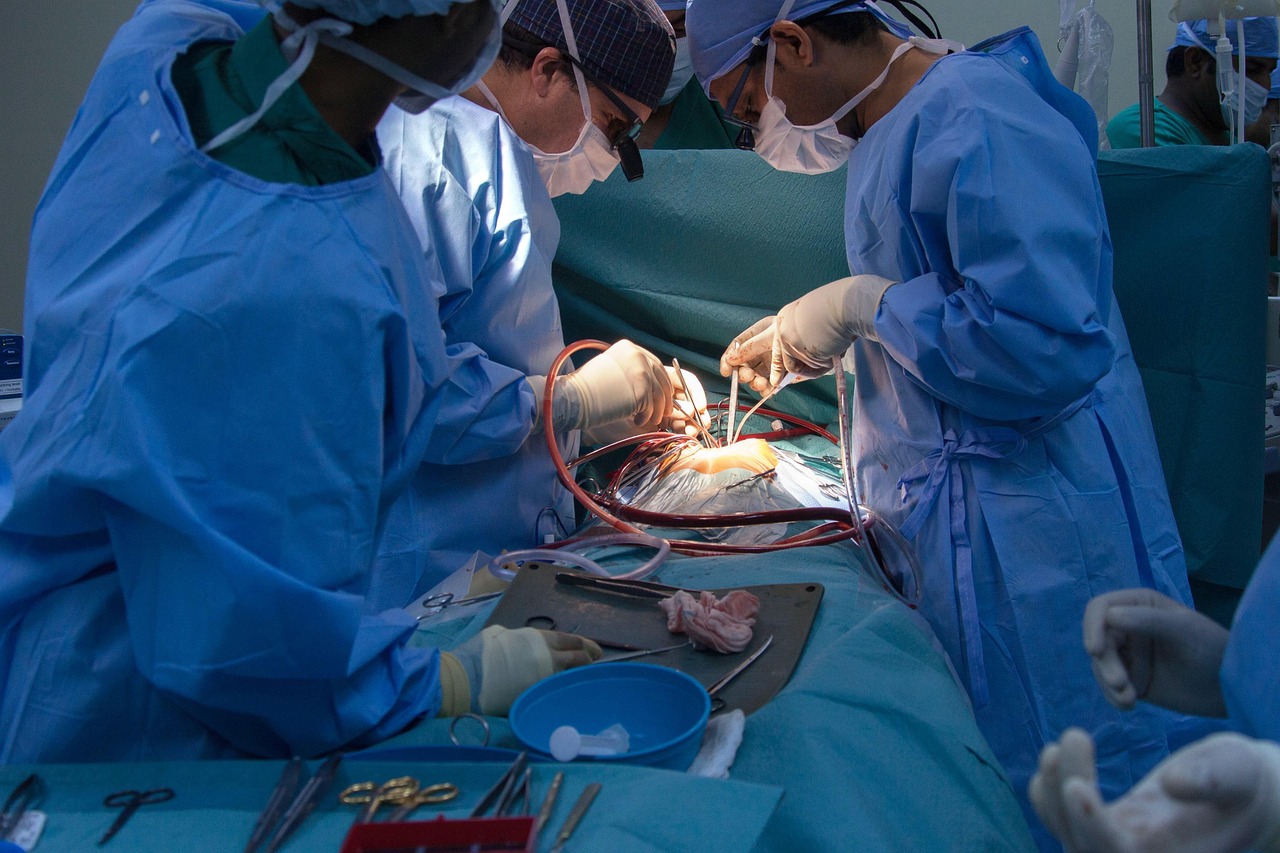
Emergency Procedures are crucial in the field of medical assistance, as they ensure the safety and well-being of patients and medical personnel in critical situations. It is essential for medical assistants to be well-versed in emergency procedures to respond promptly and effectively in emergencies. This guide will cover key terms and vocabulary related to Emergency Procedures in the Certificate in Medical Assistance course.
1. **Emergency**: An emergency is a situation that poses an immediate risk to health, life, property, or environment. Emergencies require prompt action to prevent further harm.
2. **Medical Emergency**: A medical emergency is an acute injury or illness that poses an immediate risk to a person's life or long-term health. Medical emergencies require immediate medical attention.
3. **Emergency Response**: Emergency response refers to the actions taken by medical personnel to address an emergency situation effectively. This includes assessing the situation, providing first aid, and coordinating with emergency services.
4. **Emergency Preparedness**: Emergency preparedness involves planning and training to respond effectively to emergencies. It includes developing emergency procedures, conducting drills, and ensuring access to necessary resources.
5. **Basic Life Support (BLS)**: Basic Life Support is a set of medical procedures performed to support the circulation and breathing of a person in cardiac arrest or respiratory distress. BLS includes chest compressions, rescue breathing, and defibrillation.
6. **Cardiopulmonary Resuscitation (CPR)**: CPR is a lifesaving technique used to revive a person whose heart has stopped beating. It involves chest compressions and rescue breathing to maintain blood flow and oxygenation.
7. **Automated External Defibrillator (AED)**: An AED is a portable device used to deliver an electric shock to the heart to restore normal rhythm in cases of cardiac arrest. AEDs are user-friendly and can be used by laypersons in emergencies.
8. **First Aid**: First aid is the initial assistance or treatment given to a person suffering from an injury or illness before professional medical help arrives. First aid aims to stabilize the condition and prevent further harm.
9. **Triage**: Triage is the process of prioritizing patients based on the severity of their condition to ensure that those in critical condition receive immediate medical attention. Triage helps allocate resources effectively in emergency situations.
10. **Airway**: The airway is the passage through which air enters and leaves the lungs. Maintaining an open airway is essential in emergency situations to ensure proper breathing.
11. **Breathing**: Breathing is the process of inhaling oxygen and exhaling carbon dioxide. Monitoring breathing and providing assistance if necessary are crucial in emergency care.
12. **Circulation**: Circulation refers to the flow of blood through the body, delivering oxygen and nutrients to tissues and removing waste products. Maintaining circulation is vital in emergencies to prevent organ damage.
13. **Hemorrhage**: Hemorrhage is the loss of blood from a damaged blood vessel. Controlling hemorrhage is essential in emergency situations to prevent shock and further complications.
14. **Shock**: Shock is a life-threatening condition in which the body's vital organs do not receive enough blood flow. Treating shock promptly is crucial to prevent organ failure and death.
15. **Fracture**: A fracture is a broken bone that can result from trauma or injury. Proper immobilization and treatment of fractures are essential in emergency care to prevent further damage.
16. **Dislocation**: A dislocation occurs when the ends of a bone are forced out of their normal position at a joint. Prompt reduction and stabilization of dislocations are necessary in emergency situations.
17. **Burn**: A burn is an injury to the skin or other tissues caused by heat, chemicals, electricity, or radiation. Proper assessment and management of burns are crucial in emergency care to prevent infection and complications.
18. **Choking**: Choking occurs when a foreign object obstructs the airway, making breathing difficult or impossible. Performing abdominal thrusts or back blows can help dislodge the obstruction in cases of choking.
19. **Seizure**: A seizure is a sudden, uncontrolled electrical disturbance in the brain that can cause changes in behavior, movements, or consciousness. Ensuring a safe environment and providing support during a seizure are essential in emergency care.
20. **Anaphylaxis**: Anaphylaxis is a severe allergic reaction that can be life-threatening if not treated promptly. Administering epinephrine and seeking medical help are crucial in managing anaphylaxis in emergency situations.
21. **Stroke**: A stroke is a medical emergency that occurs when blood flow to the brain is interrupted, leading to brain damage. Recognizing the signs of stroke and seeking immediate medical attention are essential for optimal outcomes.
22. **Asthma Attack**: An asthma attack is a sudden worsening of asthma symptoms, such as wheezing, coughing, and shortness of breath. Administering rescue inhalers and providing support can help manage asthma attacks in emergencies.
23. **Hypoglycemia**: Hypoglycemia is a condition characterized by low blood sugar levels, which can lead to weakness, confusion, and loss of consciousness. Administering glucose or sugar can help raise blood sugar levels in cases of hypoglycemia.
24. **Hyperglycemia**: Hyperglycemia is a condition characterized by high blood sugar levels, which can lead to diabetic ketoacidosis. Monitoring blood sugar levels and administering insulin are essential in managing hyperglycemia in emergencies.
25. **Poisoning**: Poisoning occurs when a person ingests, inhales, or comes into contact with a toxic substance. Administering first aid and seeking medical help are crucial in managing poisoning emergencies.
26. **Environmental Emergency**: An environmental emergency is a situation caused by natural disasters, such as hurricanes, earthquakes, or wildfires, that poses a threat to human health and safety. Responding effectively to environmental emergencies requires preparedness and coordination.
27. **Mass Casualty Incident (MCI)**: An MCI is an emergency situation in which the number of injured or ill patients exceeds the available resources and personnel. Triage and coordination are essential in managing MCIs effectively.
28. **Personal Protective Equipment (PPE)**: PPE is specialized clothing or equipment worn to protect against hazards in the workplace. Using appropriate PPE, such as gloves, masks, and gowns, is essential in preventing the spread of infections in emergency situations.
29. **Incident Command System (ICS)**: ICS is a standardized approach to the command, control, and coordination of emergency response activities. Implementing ICS helps streamline communication and decision-making in emergency situations.
30. **Ethical Considerations**: Ethical considerations in emergency care involve upholding the principles of beneficence, non-maleficence, autonomy, and justice. Respecting patient autonomy and confidentiality are essential in delivering ethical care in emergencies.
In conclusion, understanding key terms and vocabulary related to Emergency Procedures is essential for medical assistants to respond effectively in emergency situations. By familiarizing themselves with these terms and concepts, medical assistants can provide prompt and appropriate care to patients in critical conditions, ensuring the best possible outcomes.
Key takeaways
- Emergency Procedures are crucial in the field of medical assistance, as they ensure the safety and well-being of patients and medical personnel in critical situations.
- **Emergency**: An emergency is a situation that poses an immediate risk to health, life, property, or environment.
- **Medical Emergency**: A medical emergency is an acute injury or illness that poses an immediate risk to a person's life or long-term health.
- **Emergency Response**: Emergency response refers to the actions taken by medical personnel to address an emergency situation effectively.
- **Emergency Preparedness**: Emergency preparedness involves planning and training to respond effectively to emergencies.
- **Basic Life Support (BLS)**: Basic Life Support is a set of medical procedures performed to support the circulation and breathing of a person in cardiac arrest or respiratory distress.
- **Cardiopulmonary Resuscitation (CPR)**: CPR is a lifesaving technique used to revive a person whose heart has stopped beating.