
Nature Connection Practices
Nature Connection Practices are essential components of the Advanced Certificate in Ecopsychology and Deep Ecology. These practices involve various activities and techniques that help individuals establish a deeper connection with the natur…
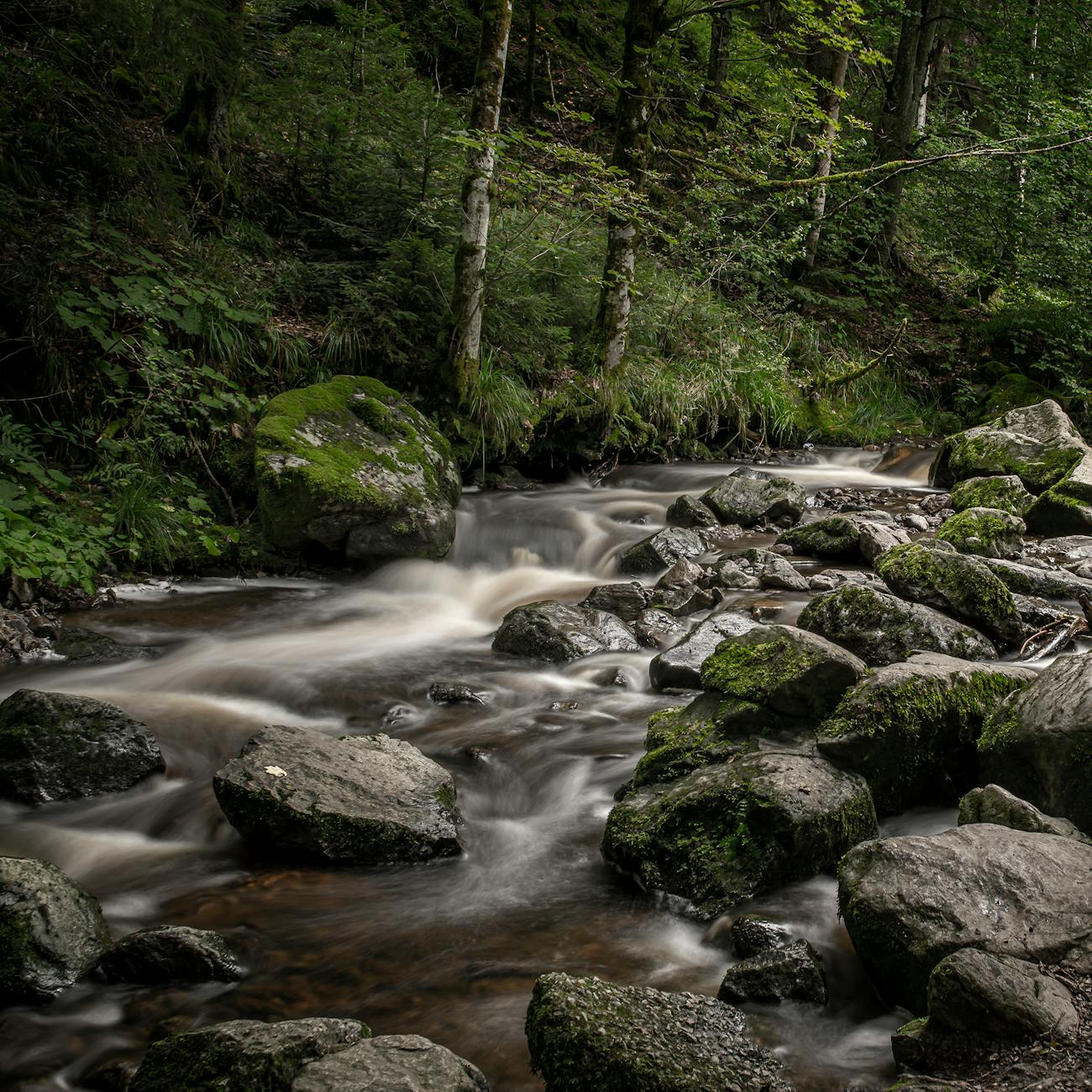
Nature Connection Practices are essential components of the Advanced Certificate in Ecopsychology and Deep Ecology. These practices involve various activities and techniques that help individuals establish a deeper connection with the natural world, fostering a sense of belonging, reverence, and interconnectedness with all living beings and the earth itself. In this course, students will explore a range of key terms and vocabulary associated with Nature Connection Practices, gaining a comprehensive understanding of how these practices can enhance personal well-being, environmental stewardship, and ecological awareness.
1. **Ecopsychology**: Ecopsychology is a field of study that examines the relationship between human beings and the natural environment from a psychological perspective. It explores how our connection with nature impacts our mental health, emotional well-being, and overall sense of identity. Ecopsychology emphasizes the importance of reconnecting with the natural world to promote personal growth, resilience, and ecological sustainability.
2. **Deep Ecology**: Deep Ecology is a philosophical and ecological movement that advocates for a radical shift in human consciousness towards recognizing the intrinsic value of all life forms and the interconnectedness of all living beings. Deep Ecology challenges anthropocentric views and promotes a deep sense of respect and care for the earth and its ecosystems. It encourages individuals to cultivate a spiritual connection with nature and to live in harmony with the natural world.
3. **Nature Connection**: Nature Connection refers to the bond or relationship that individuals develop with the natural world through direct experiences, observation, and interaction with plants, animals, landscapes, and natural elements. Nature Connection practices aim to deepen this connection, fostering a sense of kinship, wonder, and belonging in relation to the earth and its ecosystems.
4. **Mindfulness**: Mindfulness is the practice of being fully present and aware of one's thoughts, feelings, sensations, and surroundings in the present moment. In the context of Nature Connection Practices, mindfulness involves cultivating a deep awareness and appreciation of nature's beauty, rhythms, and complexities. By practicing mindfulness in nature, individuals can develop a sense of peace, gratitude, and interconnectedness with the earth.
5. **Forest Bathing**: Forest Bathing, also known as Shinrin-yoku in Japanese, is a practice that involves immersing oneself in the sights, sounds, and smells of the forest to promote relaxation, stress reduction, and overall well-being. Forest Bathing is based on the concept that spending time in nature can have a therapeutic effect on the mind and body, enhancing mood, creativity, and immune function. Participants in Forest Bathing walks engage in mindful activities such as tree gazing, breathing exercises, and sensory awareness practices to deepen their connection with the forest.
6. **Nature Meditation**: Nature Meditation involves using natural settings as a backdrop for meditation practice, allowing individuals to connect with the earth, sky, and elements while cultivating inner stillness and presence. Nature Meditation can take many forms, including sitting meditation, walking meditation, or contemplative practices that enhance mindfulness and awareness of the natural world. By meditating in nature, individuals can experience a profound sense of tranquility, connection, and oneness with the environment.
7. **Wilderness Immersion**: Wilderness Immersion refers to the experience of spending extended periods of time in remote natural settings, away from the distractions and comforts of modern life. Wilderness Immersion programs provide participants with an opportunity to deepen their connection with nature, develop survival skills, and gain a greater appreciation for the earth's beauty and resilience. By immersing themselves in the wilderness, individuals can experience personal transformation, self-discovery, and a renewed sense of purpose and connection with the natural world.
8. **Earth-based Rituals**: Earth-based Rituals are ceremonial practices that honor and celebrate the cycles of nature, the elements, and the spirits of the land. These rituals often involve symbolic gestures, offerings, chants, and movements that connect participants with the earth's rhythms and energies. Earth-based Rituals can be performed individually or in community settings, fostering a sense of reverence, gratitude, and reciprocity towards the natural world. Examples of Earth-based Rituals include solstice celebrations, land blessings, and plant medicine ceremonies.
9. **Nature Art**: Nature Art encompasses a wide range of creative activities that involve using natural materials, landscapes, and elements as mediums for artistic expression. Nature Art can include practices such as land art, eco-therapy, nature journaling, and outdoor sculpture. By engaging in Nature Art, individuals can deepen their connection with nature, cultivate their creativity, and express their relationship with the earth through visual, tactile, and sensory forms.
10. **Animal Tracking**: Animal Tracking is the practice of observing and interpreting animal signs, tracks, scat, and behavior in the natural environment. Animal Tracking allows individuals to develop a deeper understanding of wildlife habitats, behaviors, and ecological relationships. By learning to track animals, individuals can enhance their connection with the natural world, sharpen their observational skills, and appreciate the diversity and complexity of ecosystems.
11. **Bird Language**: Bird Language is the art of interpreting the vocalizations, behaviors, and movements of birds to understand the messages they convey about their environment. By learning to listen to bird language, individuals can gain insights into the presence of predators, the availability of food, and the dynamics of the ecosystem. Bird Language provides a valuable tool for connecting with nature, enhancing awareness, and deepening our understanding of the interconnectedness of all living beings.
12. **Sit Spot**: A Sit Spot is a designated place in nature where individuals can sit quietly and observe their surroundings without distractions. Sit Spots are used for mindfulness practice, nature connection, and ecological study. By spending time in a Sit Spot regularly, individuals can develop a deep sense of intimacy with a particular place, cultivate awareness of seasonal changes, and build a relationship with the land and its inhabitants.
13. **Nature Connection Mentoring**: Nature Connection Mentoring involves the guidance, support, and instruction provided by experienced mentors to help individuals deepen their connection with nature, develop ecological awareness, and cultivate a sense of stewardship towards the earth. Nature Connection Mentoring may include one-on-one sessions, group activities, and experiential learning opportunities designed to foster a deep and meaningful relationship with the natural world.
14. **Rewilding**: Rewilding is a process of restoring and reconnecting with the wild and natural aspects of oneself and the environment. Rewilding practices involve rediscovering ancestral skills, primal instincts, and innate connections with the earth. By embracing rewilding, individuals can reclaim a sense of wildness, resilience, and vitality, fostering a deeper sense of belonging and harmony with the natural world.
15. **Ecological Restoration**: Ecological Restoration is the practice of repairing, revitalizing, and regenerating degraded ecosystems to enhance biodiversity, ecosystem services, and resilience. Ecological Restoration projects aim to restore natural habitats, improve soil health, and protect endangered species. By participating in Ecological Restoration efforts, individuals can contribute to the healing and renewal of the earth, promoting environmental sustainability and ecological balance.
16. **Nature Connection Challenges**: Nature Connection Challenges are activities or tasks designed to encourage individuals to step out of their comfort zones, engage with nature in new ways, and deepen their connection with the natural world. Nature Connection Challenges may include sensory awareness exercises, solo wilderness experiences, nature-based art projects, and community service initiatives. By embracing Nature Connection Challenges, individuals can expand their awareness, build resilience, and foster a deeper sense of connection and responsibility towards the earth.
17. **Bioregional Awareness**: Bioregional Awareness is the understanding and appreciation of the unique ecological, cultural, and geographical characteristics of a specific bioregion or place. Bioregional Awareness involves learning about the flora, fauna, climate, geology, and human history of a particular region to develop a deep sense of connection and stewardship towards the local environment. By cultivating Bioregional Awareness, individuals can foster a sense of rootedness, community, and ecological literacy in relation to their place of residence.
18. **Nature Connection Rituals**: Nature Connection Rituals are ceremonial practices that serve to deepen one's relationship with the natural world, honor the earth's cycles, and express gratitude for the gifts of nature. Nature Connection Rituals may include seasonal celebrations, earth-honoring ceremonies, and rites of passage that mark significant transitions in one's life. By engaging in Nature Connection Rituals, individuals can cultivate a sense of reverence, reciprocity, and interconnectedness with the earth and its ecosystems.
19. **Plant Medicine**: Plant Medicine refers to the traditional and contemporary use of medicinal plants for healing, spiritual growth, and wellness. Plant Medicine practices may include herbalism, plant spirit medicine, and shamanic plant ceremonies that harness the healing properties and wisdom of plants. By working with plant allies, individuals can deepen their connection with the plant kingdom, access healing energies, and cultivate a sense of harmony and balance with nature.
20. **Nature Connection Education**: Nature Connection Education encompasses a range of programs, workshops, and initiatives designed to promote ecological awareness, nature appreciation, and environmental stewardship. Nature Connection Education may include experiential learning activities, outdoor adventures, and environmental literacy programs that engage participants in direct experiences with the natural world. By participating in Nature Connection Education, individuals can develop a deep connection with nature, foster a sense of responsibility towards the earth, and become advocates for environmental sustainability and conservation.
In conclusion, Nature Connection Practices play a vital role in the Advanced Certificate in Ecopsychology and Deep Ecology, offering individuals the opportunity to deepen their connection with the natural world, cultivate ecological awareness, and foster a sense of reverence and stewardship towards the earth. By exploring key terms and vocabulary associated with Nature Connection Practices, students in this course can gain a comprehensive understanding of how these practices can enhance personal well-being, environmental sustainability, and ecological consciousness. Embracing Nature Connection Practices can lead to personal transformation, ecological healing, and a profound sense of belonging and interconnectedness with all living beings and the earth itself.
Key takeaways
- Nature Connection Practices are essential components of the Advanced Certificate in Ecopsychology and Deep Ecology.
- **Ecopsychology**: Ecopsychology is a field of study that examines the relationship between human beings and the natural environment from a psychological perspective.
- **Deep Ecology**: Deep Ecology is a philosophical and ecological movement that advocates for a radical shift in human consciousness towards recognizing the intrinsic value of all life forms and the interconnectedness of all living beings.
- **Nature Connection**: Nature Connection refers to the bond or relationship that individuals develop with the natural world through direct experiences, observation, and interaction with plants, animals, landscapes, and natural elements.
- In the context of Nature Connection Practices, mindfulness involves cultivating a deep awareness and appreciation of nature's beauty, rhythms, and complexities.
- **Forest Bathing**: Forest Bathing, also known as Shinrin-yoku in Japanese, is a practice that involves immersing oneself in the sights, sounds, and smells of the forest to promote relaxation, stress reduction, and overall well-being.
- **Nature Meditation**: Nature Meditation involves using natural settings as a backdrop for meditation practice, allowing individuals to connect with the earth, sky, and elements while cultivating inner stillness and presence.