
Understanding Child Development
Child development is a complex and fascinating process that involves a series of stages and milestones that children go through as they grow and mature. Understanding child development is crucial for parents, educators, and anyone working w…
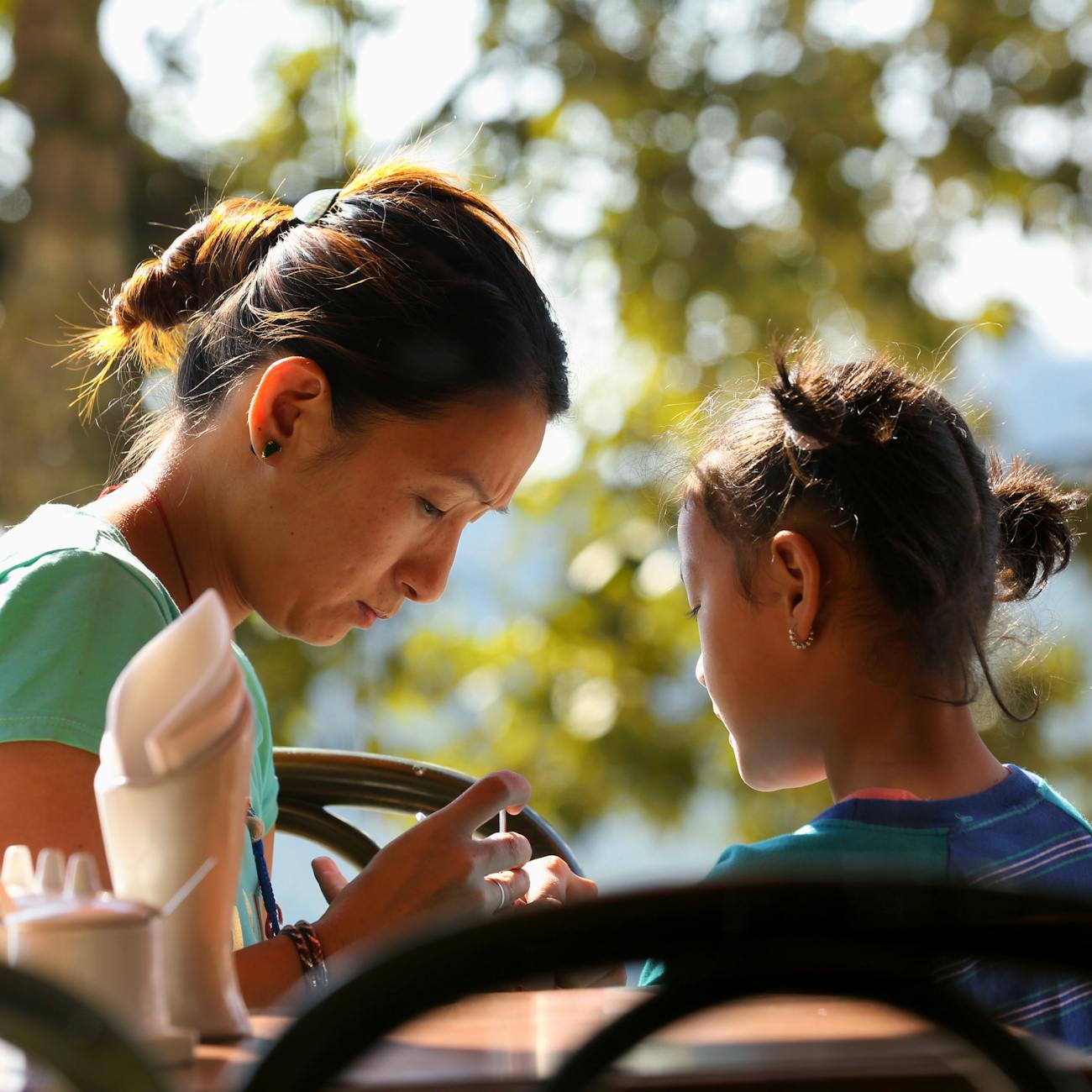
Child development is a complex and fascinating process that involves a series of stages and milestones that children go through as they grow and mature. Understanding child development is crucial for parents, educators, and anyone working with children to provide the appropriate support and guidance at each stage of a child's life.
**Developmental milestones** are skills or abilities that most children achieve by a certain age. These milestones are categorized into different areas of development, including physical, cognitive, social, and emotional. For example, a typical developmental milestone for a 2-year-old child might be the ability to use simple sentences to communicate.
**Physical development** refers to the growth and changes that occur in a child's body. This includes changes in height, weight, muscle strength, and coordination. Physical development is often measured by milestones such as crawling, walking, and running. Providing opportunities for physical activity and play is essential for promoting healthy physical development in children.
**Cognitive development** involves the growth and changes that occur in a child's thinking, problem-solving, and decision-making skills. Cognitive development is often measured by milestones such as language development, memory, and the ability to understand cause and effect. Encouraging children to explore, ask questions, and solve problems helps to support their cognitive development.
**Social development** refers to the growth and changes that occur in a child's ability to interact with others and form relationships. Social development is often measured by milestones such as sharing, taking turns, and empathy. Providing opportunities for children to play with others, engage in group activities, and practice social skills helps to support their social development.
**Emotional development** involves the growth and changes that occur in a child's ability to understand and regulate their emotions. Emotional development is often measured by milestones such as self-regulation, empathy, and resilience. Providing a supportive and nurturing environment, where children feel safe to express their emotions and feelings, is essential for promoting healthy emotional development.
**Attachment** is a deep and enduring emotional bond that connects one person to another. Attachment is crucial for a child's emotional development and well-being. A secure attachment to a caregiver provides children with a sense of security, trust, and emotional support. Building a strong attachment with children involves being responsive to their needs, providing comfort and reassurance, and creating a safe and loving environment.
**Parenting styles** refer to the strategies and approaches that parents use to raise their children. There are four main parenting styles: authoritarian, authoritative, permissive, and uninvolved. Each parenting style has different characteristics and impacts on a child's development. For example, authoritative parents tend to be warm and nurturing while also setting clear boundaries and expectations, which can promote healthy development in children.
**Resilience** is the ability to bounce back from difficult situations, challenges, and setbacks. Resilience is an important trait that helps children navigate life's ups and downs with confidence and adaptability. Building resilience in children involves teaching them problem-solving skills, encouraging them to take risks, and providing opportunities for them to learn from their mistakes.
**Scaffolding** is a teaching strategy that involves providing support and guidance to help children learn new skills or concepts. Scaffolding is often used in educational settings to help children build on their existing knowledge and abilities. For example, a teacher might provide hints, prompts, or examples to help a child solve a challenging math problem.
**Play** is a natural and essential activity for children that promotes learning, creativity, and social development. Play comes in many forms, including imaginative play, physical play, and social play. Allowing children time and space to play freely encourages them to explore, experiment, and develop important skills such as problem-solving, cooperation, and communication.
**Executive function** refers to a set of mental skills that help children focus, plan, organize, and control their behavior. Executive function skills are essential for success in school and in life. Examples of executive function skills include working memory, cognitive flexibility, and impulse control. Helping children develop their executive function skills involves providing opportunities for them to practice self-regulation, time management, and decision-making.
**Brain development** is a complex and ongoing process that begins before birth and continues into early adulthood. The brain undergoes significant changes and growth during childhood, shaping a child's cognitive, emotional, and social development. Providing a stimulating and enriching environment, where children can engage in a variety of activities that challenge their brains, is essential for promoting healthy brain development.
**Sensitive periods** are specific windows of time in a child's development when they are particularly receptive to learning and acquiring new skills. Sensitive periods are crucial for laying the foundation for future growth and development. For example, the sensitive period for language development occurs in the first few years of life, making it an optimal time to expose children to a rich language environment.
**Nature vs. nurture** is a long-standing debate in psychology about the relative influence of genetics (nature) and environment (nurture) on a child's development. While both nature and nurture play a role in shaping a child's growth and development, it is widely accepted that the interaction between genetics and environment is what ultimately determines a child's outcomes. Understanding the interplay between nature and nurture can help parents and educators provide the best support for children's development.
**Childhood trauma** refers to experiences that are emotionally or physically harmful and have a lasting impact on a child's well-being. Childhood trauma can result from various sources, such as abuse, neglect, or loss. Children who experience trauma may exhibit symptoms such as anxiety, depression, or behavioral problems. Providing a safe and supportive environment, along with professional help and intervention, is essential for supporting children who have experienced trauma.
**Developmental delay** occurs when a child does not reach developmental milestones within the expected time frame. Developmental delays can be caused by various factors, such as genetics, environmental factors, or medical conditions. Early detection and intervention are crucial for addressing developmental delays and providing children with the support they need to catch up and thrive.
**Inclusive practices** involve creating environments and opportunities that are accessible and welcoming to all children, regardless of their abilities or backgrounds. Inclusive practices promote diversity, equity, and belonging for all children. Examples of inclusive practices include adapting activities to meet individual needs, providing accommodations for children with disabilities, and fostering a culture of respect and acceptance.
**Positive discipline** is an approach to guiding children's behavior that focuses on teaching and nurturing rather than punishing. Positive discipline strategies include setting clear expectations, providing consistent consequences, and offering praise and encouragement. Positive discipline helps children develop self-control, responsibility, and empathy while maintaining a positive and respectful relationship with their caregivers.
**Challenges in child development** can arise from various factors, such as environmental stressors, genetic predispositions, or social influences. Common challenges in child development include learning disabilities, behavioral problems, and emotional difficulties. Identifying and addressing these challenges early on can help children overcome obstacles and reach their full potential.
In conclusion, understanding child development is essential for parents, educators, and caregivers to provide the best support and guidance for children as they grow and mature. By recognizing the key terms and vocabulary related to child development, we can create nurturing and stimulating environments that promote healthy growth and development in children. By incorporating strategies such as scaffolding, play, and positive discipline, we can help children build the skills and resilience they need to thrive in an ever-changing world. Let us continue to explore and learn about child development to ensure that every child has the opportunity to reach their full potential.
Key takeaways
- Understanding child development is crucial for parents, educators, and anyone working with children to provide the appropriate support and guidance at each stage of a child's life.
- For example, a typical developmental milestone for a 2-year-old child might be the ability to use simple sentences to communicate.
- Providing opportunities for physical activity and play is essential for promoting healthy physical development in children.
- Cognitive development is often measured by milestones such as language development, memory, and the ability to understand cause and effect.
- Providing opportunities for children to play with others, engage in group activities, and practice social skills helps to support their social development.
- Providing a supportive and nurturing environment, where children feel safe to express their emotions and feelings, is essential for promoting healthy emotional development.
- Building a strong attachment with children involves being responsive to their needs, providing comfort and reassurance, and creating a safe and loving environment.