
Design Principles and Elements in Therapeutic Gardens
Design Principles and Elements in Therapeutic Gardens
Design Principles and Elements in Therapeutic Gardens
Therapeutic gardens are carefully planned outdoor spaces that are designed to promote healing, reduce stress, and improve overall well-being for individuals experiencing physical or mental health challenges. In order to create a successful therapeutic garden, designers must consider a variety of design principles and elements that will help to enhance the therapeutic benefits of the space. In this masterclass certificate course, we will explore the key terms and vocabulary related to design principles and elements in therapeutic gardens.
Design Principles
Design principles are fundamental concepts that guide the planning and layout of therapeutic gardens. These principles help designers create spaces that are both functional and aesthetically pleasing, while also meeting the specific needs of the individuals who will be using the garden. Some of the key design principles that are commonly used in therapeutic garden design include:
1. Accessibility: Accessibility is a key design principle that ensures that the garden can be easily accessed and navigated by individuals with mobility challenges. This includes providing wheelchair-accessible paths, ramps, and entrances, as well as ensuring that seating areas are easy to reach.
2. Comfort: Comfort is an important consideration in therapeutic garden design, as the goal is to create a space where individuals can relax and unwind. This may involve providing comfortable seating, shade structures, and other amenities that promote relaxation and well-being.
3. Sensory Stimulation: Sensory stimulation is a design principle that focuses on engaging the senses to promote relaxation and reduce stress. This may involve incorporating elements such as fragrant plants, water features, and textured surfaces that appeal to the senses.
4. Privacy: Privacy is an important design principle in therapeutic gardens, as it allows individuals to feel safe and secure while they are using the space. This may involve using plantings, walls, or other barriers to create secluded areas within the garden.
5. Therapeutic Programming: Therapeutic programming is a design principle that involves incorporating activities and programs into the garden that are specifically designed to promote healing and well-being. This may include gardening workshops, art therapy sessions, or other therapeutic activities.
Design Elements
Design elements are the building blocks of therapeutic garden design, and they help to create a cohesive and harmonious outdoor space. These elements include both natural and man-made features that are strategically placed throughout the garden to enhance its therapeutic benefits. Some of the key design elements that are commonly used in therapeutic garden design include:
1. Plantings: Plantings are a key design element in therapeutic gardens, as they have been shown to have a positive impact on mental health and well-being. Plants can help to reduce stress, improve mood, and create a sense of tranquility in the garden.
2. Water Features: Water features such as fountains, ponds, and streams are another important design element in therapeutic gardens. The sight and sound of water can have a calming effect on individuals and can help to create a sense of peace and relaxation in the garden.
3. Seating Areas: Seating areas are essential in therapeutic gardens, as they provide individuals with a place to rest, relax, and reflect. Seating areas should be strategically placed throughout the garden to provide a variety of options for individuals to sit and enjoy the space.
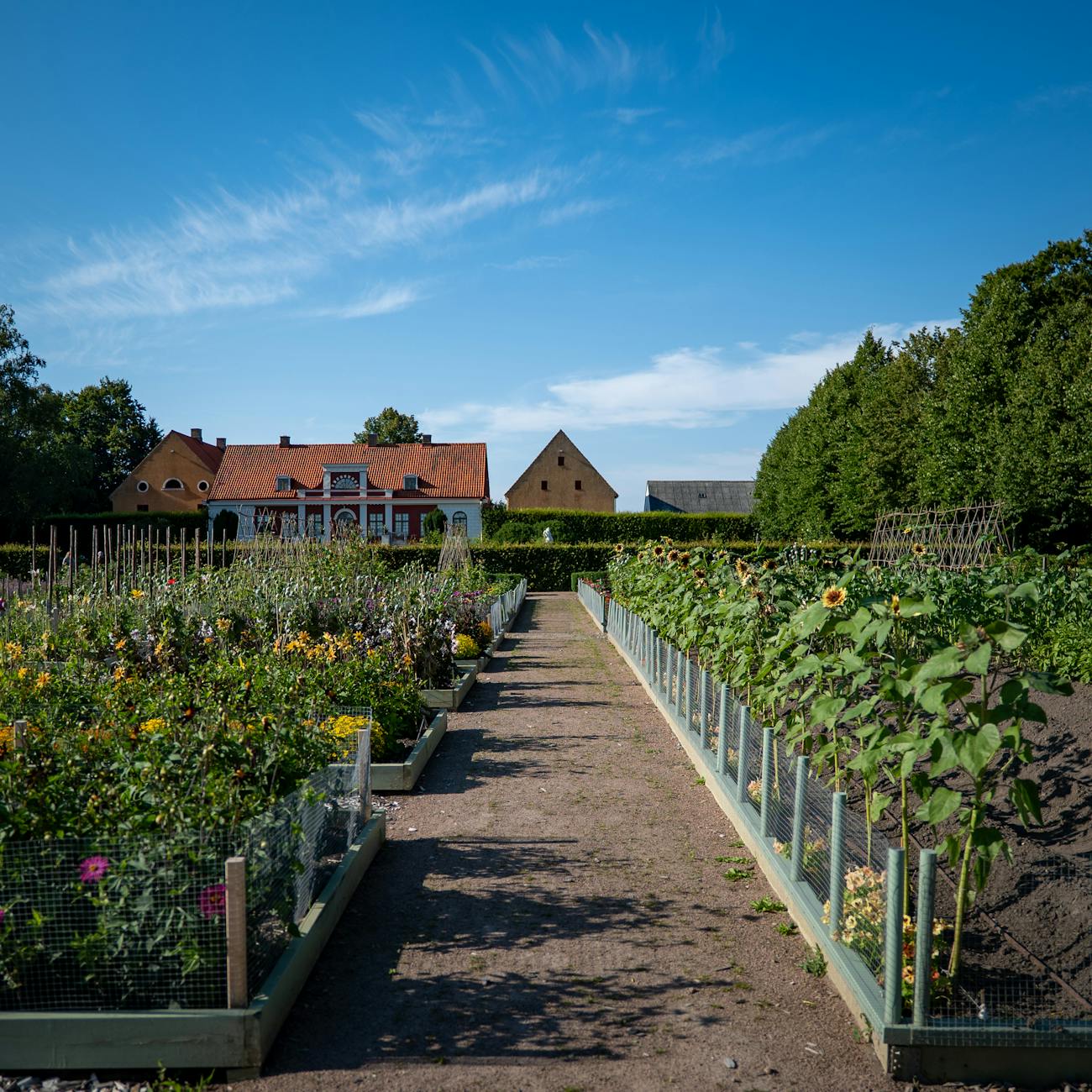
4. Paths and Walkways: Paths and walkways are important design elements in therapeutic gardens, as they help to guide individuals through the space and create a sense of movement and flow. Paths should be easy to navigate and should provide access to all areas of the garden.
5. Art and Sculpture: Art and sculpture can be used as design elements in therapeutic gardens to create visual interest and stimulate the mind. Artwork can help to inspire creativity, promote self-expression, and create a sense of beauty in the garden.
6. Sensory Gardens: Sensory gardens are designed to engage the senses through the use of fragrant plants, textured surfaces, and other sensory stimuli. These gardens are specifically designed to promote relaxation, reduce stress, and improve overall well-being.
7. Healing Spaces: Healing spaces are areas within the garden that are specifically designed to promote healing and well-being. These spaces may include meditation areas, reflection gardens, or other areas that are conducive to relaxation and healing.
Challenges in Therapeutic Garden Design
While therapeutic gardens can have many benefits for individuals experiencing physical or mental health challenges, there are also challenges that designers may face when creating these spaces. Some of the key challenges in therapeutic garden design include:
1. Site Constraints: Site constraints such as limited space, poor soil quality, or existing structures can pose challenges for designers when creating therapeutic gardens. Designers must work within these constraints to create a functional and aesthetically pleasing outdoor space.
2. Budget Constraints: Budget constraints can also be a challenge in therapeutic garden design, as designers may have limited funds to work with. Designers must be creative and resourceful in order to create a successful therapeutic garden within a limited budget.
3. Accessibility Issues: Accessibility issues can be a challenge in therapeutic garden design, as designers must ensure that the garden can be easily accessed and navigated by individuals with mobility challenges. This may involve creating ramps, paths, and other accessible features.
4. Maintenance: Maintenance can be a challenge in therapeutic garden design, as designers must create a space that is easy to maintain and sustainable in the long term. This may involve selecting low-maintenance plants, using durable materials, and designing the garden with maintenance in mind.
5. Community Engagement: Community engagement can be a challenge in therapeutic garden design, as designers must work closely with stakeholders, such as healthcare providers, patients, and community members, to create a space that meets the needs of the community. This may involve conducting surveys, hosting workshops, and gathering feedback from stakeholders.
Conclusion
In conclusion, design principles and elements play a key role in the creation of therapeutic gardens that promote healing, reduce stress, and improve overall well-being for individuals experiencing physical or mental health challenges. By understanding and applying these principles and elements, designers can create outdoor spaces that are both functional and aesthetically pleasing, while also meeting the specific needs of the individuals who will be using the garden. Through careful planning and thoughtful design, therapeutic gardens can provide a peaceful and healing environment for all who visit them.
Key takeaways
- Therapeutic gardens are carefully planned outdoor spaces that are designed to promote healing, reduce stress, and improve overall well-being for individuals experiencing physical or mental health challenges.
- These principles help designers create spaces that are both functional and aesthetically pleasing, while also meeting the specific needs of the individuals who will be using the garden.
- Accessibility: Accessibility is a key design principle that ensures that the garden can be easily accessed and navigated by individuals with mobility challenges.
- Comfort: Comfort is an important consideration in therapeutic garden design, as the goal is to create a space where individuals can relax and unwind.
- Sensory Stimulation: Sensory stimulation is a design principle that focuses on engaging the senses to promote relaxation and reduce stress.
- Privacy: Privacy is an important design principle in therapeutic gardens, as it allows individuals to feel safe and secure while they are using the space.
- Therapeutic Programming: Therapeutic programming is a design principle that involves incorporating activities and programs into the garden that are specifically designed to promote healing and well-being.