
Nutritional Requirements of Animals
Animal nutrition is a complex field that encompasses the study of how animals obtain and utilize nutrients from their diet to support growth, maintenance, reproduction, and overall health. Understanding the nutritional requirements of anima…
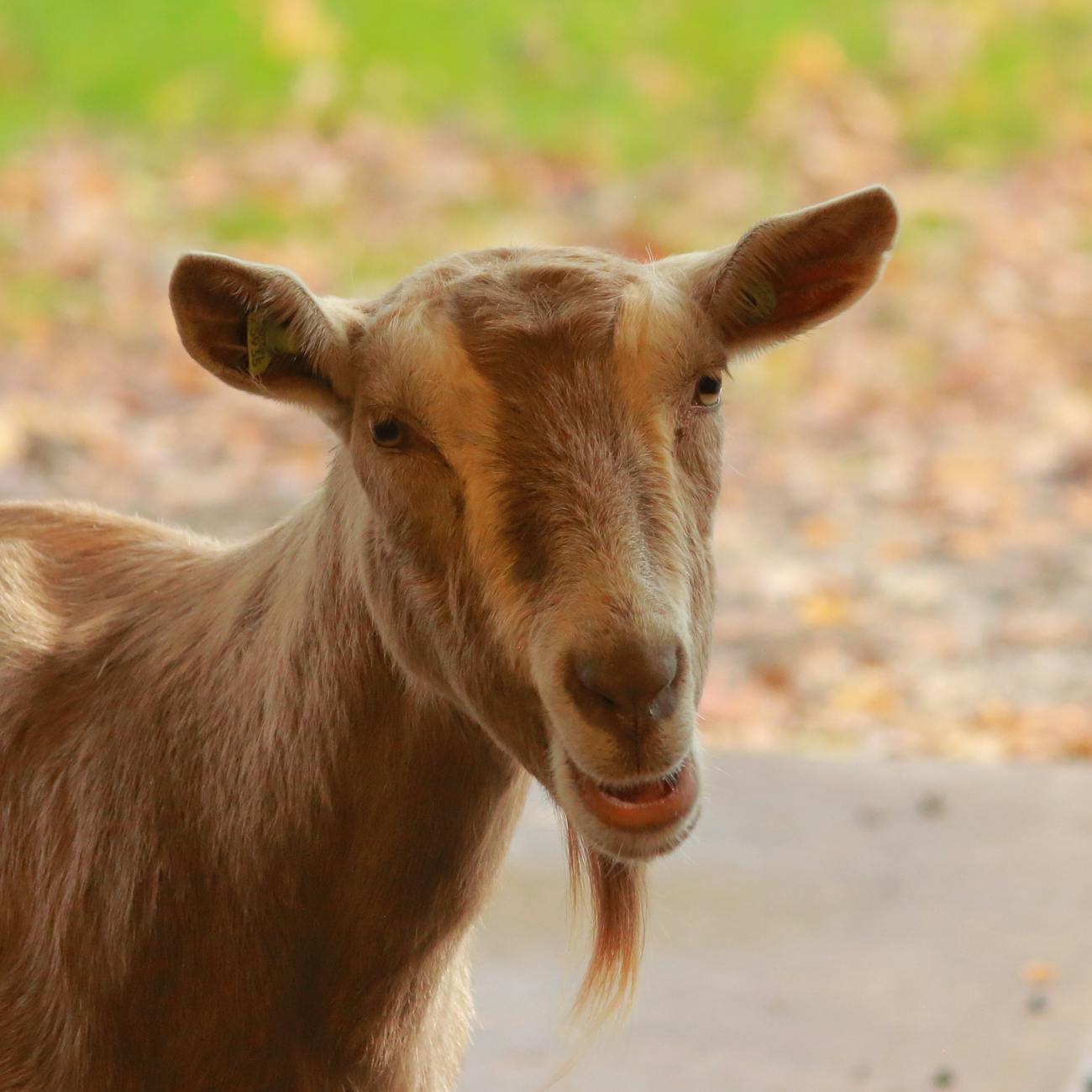
Animal nutrition is a complex field that encompasses the study of how animals obtain and utilize nutrients from their diet to support growth, maintenance, reproduction, and overall health. Understanding the nutritional requirements of animals is crucial for formulating balanced diets that meet their specific needs. In the Certificate Programme in Animal Nutrition and Feed Management, learners will delve into key terms and vocabulary essential for comprehending the principles of animal nutrition.
1. **Nutrition**: Nutrition refers to the process by which animals consume, digest, absorb, transport, utilize, and excrete nutrients to meet their metabolic needs. It is essential for growth, development, reproduction, and maintenance of bodily functions.
2. **Nutrients**: Nutrients are substances obtained from food that are essential for growth, maintenance, and reproduction. They include carbohydrates, proteins, fats, vitamins, minerals, and water.
3. **Digestibility**: Digestibility is the proportion of nutrients in a diet that can be absorbed and utilized by the animal. It is influenced by factors such as feed composition, processing methods, and animal species.
4. **Metabolism**: Metabolism refers to the chemical processes that occur within an organism to maintain life. It involves the breakdown of nutrients to produce energy, build tissues, and regulate physiological functions.
5. **Ruminants**: Ruminants are animals with a complex stomach consisting of four compartments that enable them to digest fibrous plant material efficiently. Examples include cattle, sheep, and goats.
6. **Monogastric**: Monogastric animals have a simple, single-chambered stomach. They include species such as pigs, poultry, and horses. Monogastric animals have different digestive systems compared to ruminants.
7. **Feed**: Feeds are substances consumed by animals to provide nutrients. They can be classified as forages (e.g., grass, hay), concentrates (e.g., grains, oilseeds), and supplements (e.g., vitamins, minerals).
8. **Balanced Diet**: A balanced diet contains the right proportions of nutrients required by an animal for optimal growth, reproduction, and health. It should meet the animal's energy, protein, vitamin, and mineral needs.
9. **Energy**: Energy is a vital nutrient that fuels metabolic processes in animals. It is derived from carbohydrates, fats, and proteins in the diet. Energy requirements vary based on the animal's age, size, activity level, and physiological status.
10. **Protein**: Proteins are essential nutrients made up of amino acids, which are the building blocks of tissues, enzymes, hormones, and antibodies. Animals require specific levels of dietary protein for growth and maintenance.
11. **Vitamins**: Vitamins are organic compounds required in small amounts for various metabolic functions. They play crucial roles in enzyme reactions, immunity, vision, and overall health. Vitamins are classified as water-soluble (e.g., B vitamins, vitamin C) or fat-soluble (e.g., vitamins A, D, E, K).
12. **Minerals**: Minerals are inorganic elements necessary for bone formation, nerve function, muscle contraction, and fluid balance. They include calcium, phosphorus, magnesium, sodium, potassium, iron, zinc, and others. Animals must consume adequate levels of minerals to prevent deficiencies or imbalances.
13. **Water**: Water is the most critical nutrient for animals as it is essential for digestion, nutrient transport, temperature regulation, and waste excretion. Animals should have continuous access to clean, fresh water to maintain health and performance.
14. **Essential Nutrients**: Essential nutrients are substances that animals cannot synthesize in sufficient quantities and must obtain from their diet. They include certain amino acids, fatty acids, vitamins, and minerals. Deficiencies in essential nutrients can lead to growth stunting, reproductive problems, and disease.
15. **Feed Conversion Ratio (FCR)**: Feed conversion ratio is a measure of an animal's efficiency in converting feed into body weight gain. It is calculated by dividing the amount of feed consumed by the weight gained. A lower FCR indicates better feed efficiency.
16. **Antinutritional Factors**: Antinutritional factors are compounds present in feeds that interfere with nutrient digestion, absorption, or utilization. Examples include tannins, phytates, and inhibitors. Processing methods such as soaking, fermenting, or heat treatment can reduce the impact of antinutritional factors.
17. **Ration**: A ration is the total amount of feed given to an animal in a 24-hour period. It is formulated based on the animal's nutrient requirements, energy needs, and production goals. Rations should be balanced to ensure optimal animal performance.
18. **Grazing**: Grazing is the practice of allowing animals to feed on pasture or range plants. It is a natural feeding behavior for ruminants and provides a source of nutrients such as fiber, protein, and minerals. Proper grazing management is essential to maintain pasture health and animal productivity.
19. **Concentrate**: Concentrates are high-energy feed ingredients such as grains, oilseeds, and by-products. They are often used to supplement forages and meet the energy requirements of animals. Concentrates are rich in carbohydrates and support growth and production.
20. **Forage**: Forages are plant materials consumed by animals, including grasses, legumes, and browse. They are rich in fiber, vitamins, and minerals, and provide essential nutrients for ruminants. Forages can be grazed, harvested as hay, or ensiled for winter feeding.
21. **Silage**: Silage is a fermented feed made from chopped forages such as corn, grass, or legumes. It is stored in airtight conditions to undergo lactic acid fermentation, which preserves nutrients and enhances digestibility. Silage is a valuable feed option for ruminants during periods of limited pasture availability.
22. **Metabolic Disorders**: Metabolic disorders are health conditions resulting from imbalances or deficiencies in nutrients. Examples include ketosis, acidosis, and hypocalcemia. Proper nutrition management is essential to prevent metabolic disorders and promote animal well-being.
23. **Feed Additives**: Feed additives are substances added to animal diets to improve feed quality, performance, or health. They include antibiotics, probiotics, enzymes, and antioxidants. Feed additives must be used judiciously to comply with regulations and ensure animal safety.
24. **Gut Health**: Gut health refers to the well-being of the digestive tract, including the stomach, intestines, and microbiota. A healthy gut is essential for nutrient absorption, immunity, and overall animal health. Factors such as diet composition, feed quality, and stress can influence gut health.
25. **Feed Formulation**: Feed formulation is the process of combining various feed ingredients to create a balanced diet that meets the nutrient requirements of animals. It involves calculating nutrient levels, energy content, and cost considerations to optimize animal performance.
26. **Probiotics**: Probiotics are beneficial bacteria or yeast strains that promote gut health and digestion in animals. They help maintain a healthy microbial balance in the intestines, improve nutrient absorption, and enhance immunity. Probiotics are commonly used in livestock and poultry production to support animal health.
27. **Enzymes**: Enzymes are biological catalysts that facilitate chemical reactions in the body. They play a crucial role in nutrient digestion, metabolism, and absorption. Enzymes added to animal feeds can improve nutrient utilization, reduce feed wastage, and enhance performance.
28. **Feed Quality**: Feed quality refers to the nutritional value, palatability, and safety of feed ingredients and finished feeds. High-quality feeds are free from contaminants, mold, toxins, and spoilage. Proper storage, handling, and processing practices are essential to maintain feed quality and ensure animal health.
29. **Feed Analysis**: Feed analysis involves testing feed samples for nutrient content, moisture levels, and contaminants. It helps assess the nutritional value of feeds, identify deficiencies or excesses, and formulate appropriate diets for animals. Feed analysis is crucial for effective feed management and animal nutrition.
30. **Nutritional Requirements**: Nutritional requirements are the specific amounts of nutrients needed by animals to support growth, maintenance, reproduction, and production. They vary based on species, age, weight, activity level, and physiological status. Meeting nutritional requirements is essential for optimizing animal health and performance.
31. **Limiting Nutrient**: A limiting nutrient is a nutrient that is deficient or present in inadequate amounts in the diet, limiting the animal's growth or performance. Identifying and addressing limiting nutrients is crucial for formulating balanced diets and maximizing animal productivity.
32. **Feed Efficiency**: Feed efficiency is a measure of how well animals convert feed into body weight gain or product output. It is influenced by factors such as genetics, diet composition, management practices, and environmental conditions. Improving feed efficiency can enhance profitability and sustainability in animal production systems.
33. **Amino Acids**: Amino acids are the building blocks of proteins and are essential for growth, muscle development, and metabolic functions. Animals require specific amino acids, both essential and non-essential, in their diet to support protein synthesis and physiological processes.
34. **Fiber**: Fiber is a complex carbohydrate found in plant-based feeds such as hay, straw, and forages. It provides bulk, promotes gut motility, and supports microbial fermentation in the digestive tract. Fiber is essential for ruminants to maintain rumen health and maximize nutrient utilization.
35. **Oxidative Stress**: Oxidative stress occurs when there is an imbalance between free radicals and antioxidants in the body, leading to cell damage and inflammation. Factors such as heat stress, disease, and poor nutrition can increase oxidative stress in animals. Antioxidants in the diet help combat oxidative stress and protect animal health.
36. **Feed Contaminants**: Feed contaminants are unwanted substances that can be present in feeds, such as mycotoxins, heavy metals, pesticides, and pathogens. They pose health risks to animals and can affect feed intake, digestion, and overall performance. Regular monitoring and quality control measures are essential to prevent feed contamination.
37. **Metabolic Rate**: Metabolic rate is the rate at which an animal's body utilizes energy to maintain basic physiological functions at rest. It is influenced by factors such as age, size, activity level, and environmental conditions. Understanding metabolic rate is crucial for determining energy requirements and feed intake.
38. **Adaptation**: Adaptation refers to the process by which animals adjust to changes in their environment, diet, or management practices. It involves physiological, behavioral, and metabolic responses to optimize performance and survival. Proper adaptation is essential for transitioning animals to new diets or conditions.
39. **Feed Utilization**: Feed utilization is the efficiency with which animals convert feed into useful products such as growth, milk, eggs, or wool. It is influenced by factors such as nutrient digestibility, gut health, genetics, and environmental factors. Maximizing feed utilization is essential for sustainable and profitable animal production.
40. **Immunity**: Immunity is the body's ability to defend against pathogens, infections, and diseases. Proper nutrition plays a crucial role in supporting immune function and maintaining animal health. Nutrients such as vitamins, minerals, and antioxidants are essential for a robust immune response.
41. **Growth Rate**: Growth rate is the increase in body weight or size over a specific period. It is influenced by genetics, nutrition, management, and environmental factors. Providing adequate nutrients, especially protein and energy, is essential for promoting optimal growth rates in animals.
42. **Reproductive Performance**: Reproductive performance refers to the ability of animals to conceive, carry pregnancies, and produce offspring. Nutrition plays a critical role in reproductive success by ensuring proper development of reproductive organs, hormone production, and fertility. Balancing diets to meet the specific nutrient needs of breeding animals is essential for maximizing reproductive performance.
43. **Toxicity**: Toxicity occurs when animals are exposed to harmful levels of substances that can cause adverse effects on health. Examples include toxic plants, chemicals, medications, and heavy metals. Proper feed management and quality control measures are necessary to prevent toxicity and ensure animal safety.
44. **Dietary Requirements**: Dietary requirements are the specific amounts of nutrients, energy, and water needed by animals in their diet to support life functions. They are influenced by factors such as species, age, weight, activity level, and production goals. Meeting dietary requirements is essential for maintaining animal health, productivity, and welfare.
45. **Feed Management**: Feed management involves the planning, procurement, storage, processing, and feeding of feeds to animals. It encompasses practices to ensure optimal nutrient intake, feed efficiency, and animal performance. Effective feed management strategies are essential for maximizing productivity and profitability in animal production systems.
46. **Nutrient Absorption**: Nutrient absorption is the process by which nutrients from the digestive tract are taken up into the bloodstream for distribution to cells and tissues. Factors such as gut health, feed composition, and digestion efficiency influence nutrient absorption. Maximizing nutrient absorption is essential for meeting animal nutrient requirements and promoting overall health.
47. **Feed Processing**: Feed processing includes various methods such as grinding, mixing, pelleting, and extrusion used to enhance the physical quality, palatability, and nutrient availability of feeds. Proper feed processing can improve feed intake, digestion, and animal performance. Selecting the right processing methods based on feed ingredients and animal requirements is crucial for maximizing feed efficiency.
48. **Palatability**: Palatability refers to the taste, smell, texture, and appearance of feeds that influence animal acceptance and intake. Highly palatable feeds encourage animals to consume adequate nutrients, promoting growth and performance. Formulating diets with balanced nutrition and good palatability is essential for maximizing feed efficiency and animal welfare.
49. **Protein Efficiency**: Protein efficiency is a measure of how effectively animals utilize dietary protein for growth, maintenance, and production. It is influenced by factors such as protein quality, amino acid balance, and metabolic processes. Improving protein efficiency can reduce feed costs and environmental impacts in animal production systems.
50. **Feed Conversion Efficiency**: Feed conversion efficiency is a measure of how well animals convert feed into body weight gain or product output relative to the amount of feed consumed. It is a key indicator of feed efficiency and profitability in animal production. Enhancing feed conversion efficiency through balanced diets, proper management, and genetic selection is essential for sustainable livestock and poultry production.
In conclusion, mastering the key terms and vocabulary related to the nutritional requirements of animals is essential for success in the Certificate Programme in Animal Nutrition and Feed Management. By understanding the roles of nutrients, feed ingredients, digestion processes, and management practices, learners can formulate effective feeding strategies to optimize animal health, performance, and welfare. Continuous learning and application of these concepts in practical settings will contribute to sustainable and efficient animal production systems.
Key takeaways
- Animal nutrition is a complex field that encompasses the study of how animals obtain and utilize nutrients from their diet to support growth, maintenance, reproduction, and overall health.
- **Nutrition**: Nutrition refers to the process by which animals consume, digest, absorb, transport, utilize, and excrete nutrients to meet their metabolic needs.
- **Nutrients**: Nutrients are substances obtained from food that are essential for growth, maintenance, and reproduction.
- **Digestibility**: Digestibility is the proportion of nutrients in a diet that can be absorbed and utilized by the animal.
- **Metabolism**: Metabolism refers to the chemical processes that occur within an organism to maintain life.
- **Ruminants**: Ruminants are animals with a complex stomach consisting of four compartments that enable them to digest fibrous plant material efficiently.
- **Monogastric**: Monogastric animals have a simple, single-chambered stomach.