
Core Stability
Core Stability is a central concept in dance anatomy, referring to the ability of the trunk muscles to maintain a neutral spine while allowing controlled movement. In the context of dance, a stable core provides the foundation for balance, …
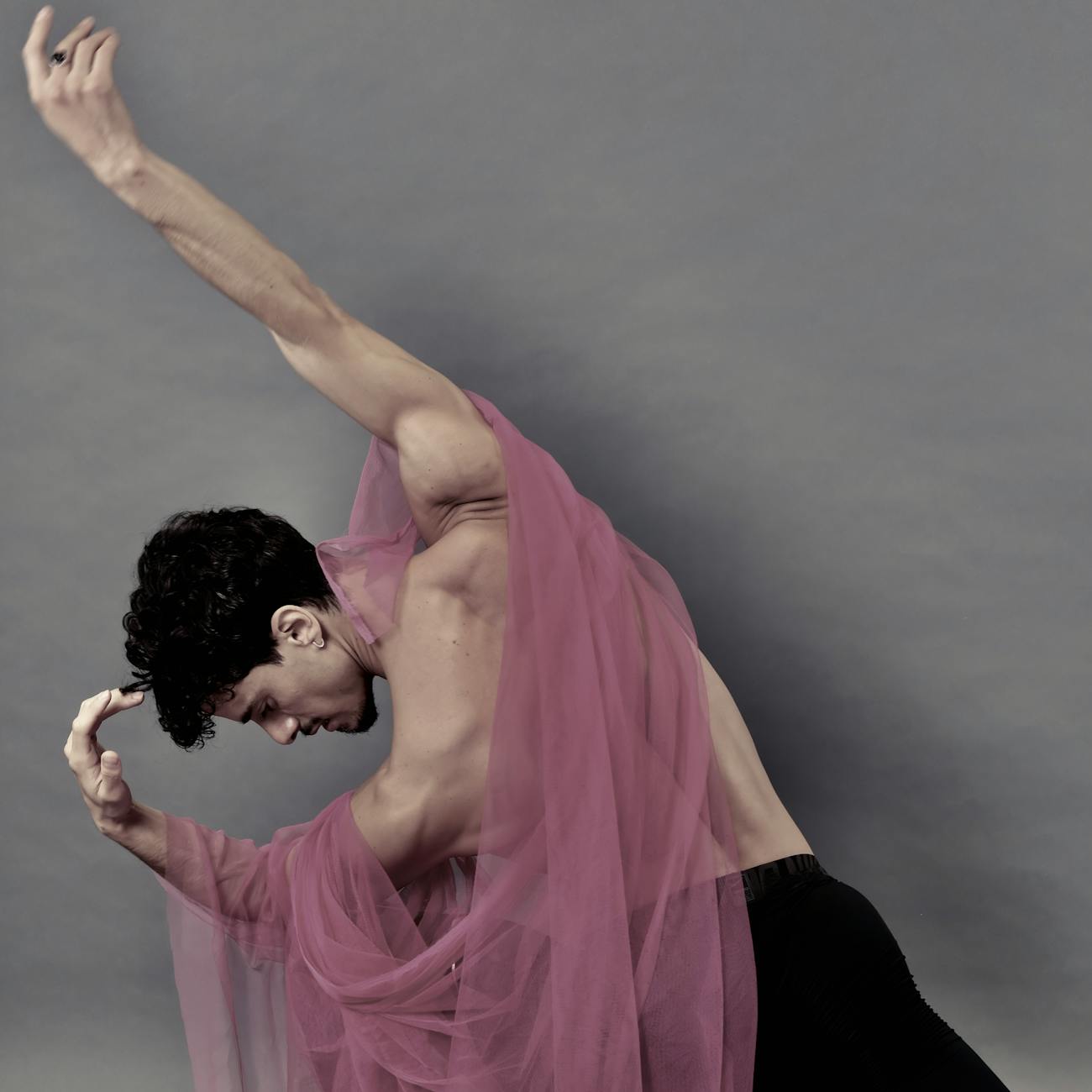
Core Stability is a central concept in dance anatomy, referring to the ability of the trunk muscles to maintain a neutral spine while allowing controlled movement. In the context of dance, a stable core provides the foundation for balance, alignment, and the efficient transfer of energy between the upper and lower body. Understanding the terminology associated with core stability enables dancers to target specific muscles, assess functional performance, and prevent injury.
Transverse Abdominis (TA) – This deepest abdominal muscle wraps horizontally around the abdomen like a corset. Its primary function is to increase intra‑abdominal pressure, which stabilizes the lumbar spine during dynamic movements. Activation of the TA is often assessed by feeling a slight “drawing‑in” of the belly button toward the spine while maintaining normal breathing. In practice, dancers may cue “pull the navel toward the spine” to engage the TA before executing a pirouette or a grand jeté.
Internal Oblique (IO) – Situated just above the TA, the internal oblique fibers run diagonally upward and medially. The IO assists in trunk rotation, lateral flexion, and contributes to compressing the abdominal cavity. When a dancer performs a lateral arabesque, the IO on the supporting side contracts to resist unwanted side bending, thereby preserving alignment.
External Oblique (EO) – The external oblique lies superficial to the internal oblique and its fibers run downward and inward. It is heavily involved in rotational movements and lateral flexion. For example, during a fast turn, the EO on the opposite side of the turn contracts to generate torque, while the EO on the same side works with the internal oblique to stabilize the torso.
Rectus Abdominis (RA) – Often identified as the “six‑pack,” the rectus abdominis runs vertically along the front of the abdomen. Although its contribution to core stability is less than that of the deeper muscles, the RA assists in flexion of the lumbar spine and in maintaining intra‑abdominal pressure during high‑impact jumps. In a controlled landing from a sauté, the RA works synergistically with the TA to absorb shock.
Multifidus – This deep spinal muscle consists of several small fascicles that attach to each vertebra. The multifidus provides segmental stability, especially in the lumbar region. It is crucial for fine‑tuned control during slow, sustained poses such as a sustained arabic balance. Dysfunction of the multifidus can lead to compensatory overuse of the larger back muscles, increasing the risk of low back pain.
Erector Spinae (ES) – The erector spinae group includes the iliocostalis, longissimus, and spinalis muscles. These extensors of the spine are responsible for maintaining upright posture and resisting flexion forces. In dance, the ES must be active when a dancer lifts the arms overhead while keeping the torso upright, as seen in an arabesque penché.
Pelvic Floor Muscles (PFM) – The pelvic floor forms a supportive sling at the base of the pelvis. Its role in core stability is often overlooked but is essential for maintaining intra‑abdominal pressure and preventing excessive lumbar extension. Dancers who practice deep pliés or floor work benefit from a gently engaged pelvic floor to protect the sacroiliac joint.
Diaphragm – The primary muscle of respiration, the diaphragm moves downward during inhalation, increasing thoracic volume. When the diaphragm contracts in coordination with the TA and pelvic floor, it creates a stable “core cylinder” that supports the spine during dynamic movement. Breath control exercises that synchronize diaphragmatic breathing with core engagement are a cornerstone of many dance conditioning programs.
Hip Flexors – The major hip flexors, including the iliopsoas and rectus femoris, cross the pelvis and lumbar spine. Overactive or tight hip flexors can tilt the pelvis anteriorly, compromising lumbar stability. Dancers often perform hip‑flexor stretches and strengthening of the opposing gluteal muscles to maintain a neutral pelvis.
Gluteus Maximus (GMax) – The largest buttock muscle, the gluteus maximus, extends the hip and provides posterior chain strength. Proper activation of GMax during jumps and leaps helps to prevent excessive lumbar extension and contributes to a stable lumbar spine. In a grand battement, the GMax contracts to control the descent of the leg, reducing shear forces on the lower back.
Gluteus Medius (GMed) and Gluteus Minimus (GMin) – These lateral hip stabilizers are essential for controlling frontal plane movements. When a dancer performs a side‑to‑side jump, the GMed on the weight‑bearing leg contracts to keep the pelvis level, preventing a lateral shift that could destabilize the core.
Quadratus Lumborum (QL) – Located on each side of the lumbar spine, the QL assists in lateral flexion and helps maintain lumbar stability during asymmetrical movements. In a sideways leg lift, the QL on the supporting side contracts to resist unwanted side bending.
Latissimus Dorsi (LD) – Though primarily a shoulder girdle muscle, the latissimus dorsi attaches to the lower thoracic vertebrae and provides a stabilizing influence on the trunk when the arms are extended overhead. During a high lift, the LD works with the erector spinae to maintain spinal alignment.
Thoracolumbar Fascia (TLF) – This connective tissue sheet envelops the back muscles and links the lumbar spine to the scapular region. The TLF transmits tension between the core and the upper extremities, providing a conduit for force during arm movements such as a grand battement with arm extension.
Neutral Spine – A neutral spine is the position in which the natural curves of the cervical, thoracic, and lumbar regions are maintained without excessive flexion or extension. Maintaining neutral spine during movement allows the core muscles to function optimally. Dancers are taught to find neutral spine by gently rolling the pelvis forward and backward until a sense of balance between the lumbar curve and the hips is achieved.
Intra‑Abdominal Pressure (IAP) – IAP is the pressure generated within the abdominal cavity by the coordinated contraction of the diaphragm, TA, EO, and pelvic floor. This pressure acts like an internal brace, stiffening the trunk and protecting the spine. During a powerful jeté, a dancer can increase IAP by exhaling forcefully while simultaneously engaging the TA, creating a more stable platform for the leg to launch.
Core Bracing – This technique involves a conscious co‑contraction of the abdominal and back muscles to create a rigid cylinder around the spine. Unlike the “drawing‑in” of the TA, core bracing is a more global activation, often used when performing high‑impact movements such as a turn on one foot or a floor tumble. The cue “tighten the mid‑section as if preparing for a light punch” helps dancers achieve a braced core.
Dynamic Stability – Refers to the ability of the core to maintain alignment while the body is in motion. Dynamic stability is tested in functional movements like a traveling arabesque, where the dancer must keep the pelvis level while the leg extends and the torso rotates. It requires coordinated timing between the deep stabilizers (TA, multifidus) and the superficial muscles (erector spinae, glutes).
Static Stability – The capacity to hold the trunk in a stable position without movement. Static stability is essential for holds such as a grand battement held in the air, or a stationary arabic balance. Training static stability often involves isometric holds, such as holding a plank while maintaining neutral spine.
Proprioception – The sense of body position and movement that arises from receptors in muscles, tendons, and joint capsules. A well‑developed proprioceptive system allows dancers to sense subtle shifts in their pelvis and spine, facilitating rapid adjustments to maintain core stability. Balance exercises on an unstable surface, such as a Bosu ball, improve proprioceptive feedback.
Motor Control – The nervous system’s ability to coordinate muscle activation patterns. Efficient motor control enables a dancer to recruit the appropriate core muscles at the right time. Practicing slow, controlled movements, such as a slow pirouette, enhances motor control by allowing the brain to fine‑tune activation sequences.
Synergy – In core stability, synergy describes the collaborative action of multiple muscles to accomplish a movement. For example, during a rapid turn, the TA, EO, and multifidus work synergistically to stabilize the trunk while the glutes and hip flexors generate the rotational force.
Compensation – When a target muscle is weak or inhibited, other muscles may take over the task, often leading to inefficient movement patterns or injury. A common compensation in dancers is the over‑use of the erector spinae to maintain lumbar stability when the TA is underactive. Identifying compensation patterns through movement analysis is a key diagnostic step.
Activation – The process of engaging a specific muscle or muscle group. Activation can be assessed through palpation, visual observation, or electromyography (EMG). In a dance studio, teachers often cue activation by having the dancer “press the lower back into the floor” or “pull the belly button toward the spine.”
Recruitment Pattern – The sequence in which muscles are activated during a movement. Ideal recruitment for core stability begins with deep stabilizers (TA, multifidus) followed by superficial muscles (erector spinae, glutes). Altered recruitment patterns can lead to fatigue and decreased performance.
Endurance – The ability of core muscles to sustain a contraction over time. Core endurance is critical for long rehearsals and performances. Testing core endurance often involves timed holds such as a side plank or a hollow body hold, measured in seconds.
Strength – The maximum force a muscle can generate. Core strength is built through resistance training, such as weighted trunk rotations or medicine‑ball tosses. While strength is important, it must be balanced with endurance and flexibility for optimal dance performance.
Flexibility – The range of motion available at a joint. Core flexibility, particularly in the lumbar spine and hip flexors, influences a dancer’s ability to achieve deep pliés and extended arabesques without compromising stability. Over‑stretching, however, can reduce the tension needed for optimal IAP.
Mobility – The combination of flexibility and control that allows a joint to move through its full range safely. Core mobility is essential for fluid transitions between positions. Dynamic mobility drills, such as cat‑camel stretches, improve the ability to move the spine while maintaining core activation.
Kinesthetic Awareness – The dancer’s perception of movement and position of body parts. Developing kinesthetic awareness through mindful practice helps dancers sense when their core is disengaged, enabling immediate correction.
Functional Movement Screening (FMS) – A series of tests designed to assess core stability, mobility, and motor control. Common FMS components for dancers include the deep squat, hurdle step, and trunk stability push‑up. Results guide individualized conditioning programs.
Stabilizer Muscles – Muscles that provide support and maintain joint integrity during movement. In the core, stabilizer muscles include the TA, multifidus, and deep hip rotators. Their primary role is to create a stable base for the prime movers.
Prime Movers – Muscles that generate the primary force for a movement. In a high kick, the hip flexors act as prime movers while the core stabilizers maintain trunk alignment.
Co‑Contraction – Simultaneous activation of agonist and antagonist muscles. Co‑contraction of the TA and erector spinae creates a balanced tension that stabilizes the lumbar spine during complex turns.
Segmental Stability – The ability of each spinal segment to remain stable while the body moves. The multifidus provides segmental stability by attaching to individual vertebrae, preventing excessive shear forces.
Axial Loading – The compressive forces applied along the axis of the spine. Proper core activation distributes axial loading evenly across the vertebrae, reducing the risk of disc injury during jumps.
Shear Forces – Forces that cause one vertebra to slide relative to another. Strong core muscles help resist shear by maintaining tension within the abdominal wall and lumbar fascia.
Postural Alignment – The arrangement of body parts in relation to gravity. Correct postural alignment reduces unnecessary muscular effort, allowing the core to function efficiently.
Pelvic Tilt – The orientation of the pelvis in the sagittal plane. An anterior tilt increases lumbar lordosis, while a posterior tilt flattens the lower back. Dancers must learn to control pelvic tilt to preserve neutral spine during extensions.
Hip Hinge – A movement pattern where the hips move backward while maintaining a neutral spine, similar to a plié. Mastering the hip hinge helps dancers engage the glutes and hamstrings without over‑loading the lumbar region.
Spinal Bracing – The act of tightening the muscles surrounding the spine to protect it from excessive motion. Spinal bracing is essential during rapid directional changes, such as a quick change of direction in a contemporary routine.
Core Conditioning – Systematic training aimed at improving the strength, endurance, flexibility, and motor control of the core musculature. Core conditioning programs for dancers typically include Pilates‑based exercises, resistance training, and functional movement drills.
Progressive Overload – The principle of gradually increasing the stress placed on the core muscles to stimulate adaptation. In a dance conditioning class, this might involve adding weight to a plank or increasing the duration of a hollow hold.
Periodization – The planning of training cycles to optimize performance and reduce injury risk. A periodized core program might start with endurance‑focused work in the off‑season, shift to strength and power development in pre‑season, and taper to maintenance during performance season.
Isometric Contraction – A muscle contraction where length does not change, such as holding a plank. Isometric core work enhances static stability and can be incorporated into warm‑ups.
Concentric Contraction – A shortening contraction, as when the TA pulls the abdominal wall inward. Concentric core exercises, like a crunch, develop movement‑specific strength.
Eccentric Contraction – A lengthening contraction that occurs when a muscle resists a load, such as lowering the torso from a back extension. Eccentric core training improves control during deceleration phases of jumps.
Neuromuscular Coordination – The harmony between the nervous system and muscles that allows precise timing of activation. In dance, high neuromuscular coordination enables a dancer to initiate a turn and simultaneously engage the core without conscious effort.
Motor Learning – The process by which repeated practice leads to permanent changes in the brain’s movement patterns. Core stability drills, when performed consistently, become ingrained, allowing automatic recruitment during performance.
Feedback – Information that informs the dancer about the quality of their movement. Visual feedback (mirror work), tactile feedback (hands on the lumbar region), and verbal cues all help refine core activation.
Transfer of Training – The extent to which improvements in core conditioning affect dance performance. A well‑designed core program should demonstrate transfer through measurable gains in balance, jump height, and turn quality.
Biomechanical Efficiency – The optimal use of muscular force to produce movement with minimal energy loss. Efficient core stabilization reduces unnecessary compensations, conserving energy for artistic expression.
Injury Prevention – One of the primary goals of core training. By providing a stable trunk, the core protects the lumbar spine, sacroiliac joint, and hip joints from excessive stress, lowering the incidence of strains and overuse injuries common in dancers.
Rehabilitation – When a dancer experiences a core‑related injury, rehabilitation focuses on restoring activation patterns, rebuilding endurance, and correcting compensations. Progressive core rehab may begin with gentle diaphragmatic breathing, advance to TA activation, and culminate in dynamic stability drills.
Assessment Tools – Methods used to evaluate core stability in dancers. Common tools include the “Plank Test” for endurance, the “Dead‑Bug” for coordination, and EMG analysis for muscle activation patterns. These assessments guide individualized programming.
Core Integration – The concept that core stability is not isolated but integrates with limb movements. For instance, when a dancer executes a rapid arm sweep, the core must contract to prevent excessive spinal rotation, ensuring a clean line.
Movement Quality – The aesthetic and technical aspects of a dancer’s execution. Strong core stability contributes to clean lines, controlled extensions, and fluid transitions, all of which enhance movement quality.
Functional Core Exercises – Exercises that mimic dance movements while challenging core stability. Examples include “single‑leg balance with arm reach,” “standing cable rotation,” and “jump squat with core bracing.” These drills improve both stability and performance relevance.
Progressive Difficulty – A training principle where exercises become more challenging as the dancer’s proficiency improves. A beginner may start with a supine hollow hold, while an advanced dancer progresses to a hanging leg raise with a braced core.
Balance Challenges – Activities designed to test and improve core stability under unstable conditions. Standing on a foam pad while performing an arabesque, or executing a turn on a narrow beam, forces the core to adapt to unpredictable perturbations.
Core Fatigue – The decline in muscle performance after prolonged activation. Dancers may experience core fatigue after long rehearsals, leading to compromised alignment. Recognizing signs of fatigue and incorporating rest or active recovery helps maintain performance quality.
Active Recovery – Low‑intensity activities that promote blood flow and aid in the removal of metabolic waste from core muscles. Gentle yoga, diaphragmatic breathing, or light Pilates movements serve as active recovery for the core.
Warm‑Up Routine – A sequence that prepares the core for the demands of dance. A typical warm‑up may begin with diaphragmatic breathing, progress to TA activation, include dynamic spinal mobilizations, and finish with a series of low‑impact core drills.
Cool‑Down Routine – A post‑class protocol that helps restore the core to its resting state. Stretching the hip flexors, gentle spinal twists, and breathing exercises reduce muscle tension and aid in recovery.
Core‑Centric Choreography – Choreographic material that emphasizes movements requiring strong core engagement, such as sustained lifts, floor work, and intricate turns. Understanding core terminology enables dancers to interpret and execute such choreography safely.
Case Study Example – Consider a dancer who struggles with maintaining a stable torso during a rapid fouette turn. Assessment reveals weak TA activation and over‑reliance on the erector spinae. A targeted program includes diaphragmatic breathing drills, TA “drawing‑in” exercises, and progressive fouette practice with a braced core cue. After six weeks, the dancer demonstrates improved alignment, reduced lumbar strain, and cleaner turn execution.
Practical Application: Daily Core Checklist – Dancers can incorporate a quick checklist into their routine: 1) Initiate diaphragmatic breath; 2) Engage TA by gently pulling the belly button toward the spine; 3) Activate glutes by squeezing the buttocks; 4) Perform a brief plank hold (10–15 seconds) to verify bracing; 5) Check pelvic tilt and adjust to neutral; 6) Confirm shoulder girdle stability before arm extensions. This routine reinforces core activation before every class.
Challenge: Core Stability Circuit – A structured circuit can be used in a studio setting to develop both static and dynamic stability. Stations may include: – Hollow body hold (30 seconds) – Side plank with hip dip (15 seconds each side) – Bird‑dog reach (12 repetitions each side) – Standing cable rotation (10 repetitions each direction) – Single‑leg balance with arm reach (30 seconds each leg). Performing the circuit three times with minimal rest promotes endurance, coordination, and functional strength.
Challenge: Progressive Turn Drill – Begin with a slow, controlled pirouette on a single foot, focusing on TA engagement and neutral spine. Add a small arm movement, then increase the turn speed, and finally incorporate a higher leg extension. At each stage, the dancer must maintain core bracing, demonstrating the integration of core stability with rotational momentum.
Challenge: Integrated Floor Work – Design a floor sequence that requires rolling, bridging, and inversion while maintaining core activation. For example, start in a supine position, perform a “roll‑over” into a bridge, transition into a side plank, and finish with a controlled descent. This sequence tests the dancer’s ability to sustain core tension across varied positions and planes.
Common Mistakes – Over‑arching the lower back during a plank, which reduces TA engagement and places excess load on the lumbar vertebrae. Relying on shallow breathing, which limits diaphragm contribution to intra‑abdominal pressure. Allowing the pelvis to tilt anteriorly during a high leg lift, causing lumbar hyperextension. Ignoring the pelvic floor, leading to reduced IAP and compromised spinal stability.
Correction Strategies – Cue the dancer to “press the low back into the floor” to prevent excessive arching. Teach “belly breathing” where the abdomen expands on inhalation, reinforcing diaphragmatic activation. Use tactile feedback by placing a hand on the lumbar region to remind the dancer of neutral spine. Incorporate pelvic floor engagement cues such as “gently lift the perineum” during core drills.
Progress Tracking – Document core endurance by timing plank holds each week, noting improvements in seconds. Record EMG data if available to track TA activation levels during a standardized movement. Use video analysis to assess pelvic tilt and spinal alignment during key choreography excerpts. Regular tracking helps identify plateaus and informs program adjustments.
Integration with Other Disciplines – Core stability principles overlap with Pilates, yoga, and sports conditioning. Pilates emphasizes “powerhouse” activation, mirroring TA and multifidus engagement. Yoga poses such as “boat” and “plank” develop endurance, while yoga’s emphasis on breath aligns with diaphragmatic techniques. Sports conditioning often uses weighted core exercises, which can be adapted for dancers to increase strength without sacrificing flexibility.
Equipment Options – Stability balls, resistance bands, medicine balls, and suspension trainers (e.G., TRX) can be employed to vary core stimuli. A stability ball roll‑out challenges the TA and shoulder girdle simultaneously. Resistance bands wrapped around the torso provide constant tension, enhancing co‑contraction. Medicine‑ball rotational throws develop power and coordination between core and limbs.
Safety Considerations – Always prioritize proper form over load. Ensure the spine remains neutral, especially when using external resistance. Warm‑up adequately to prepare the core for high‑intensity work. Monitor for signs of over‑use, such as persistent low‑back soreness, and adjust training volume accordingly.
Professional Terminology Summary – Understanding the specific language of core stability enables clear communication between instructors, physiotherapists, and dancers. Terms such as “intra‑abdominal pressure,” “segmental stability,” and “co‑contraction” describe distinct mechanisms that together support the dancer’s trunk. Mastery of this vocabulary facilitates precise cueing, accurate assessment, and effective programming.
Practical Example: Rehearsal Scenario – During a rehearsal for a contemporary piece, the choreographer requests a rapid series of floor slides with extended arm reach. The dancer first engages the diaphragm, draws the navel toward the spine, and squeezes the glutes. While sliding, the core remains braced, preventing excessive lumbar extension as the arms extend overhead. The dancer’s ability to maintain this braced core allows for smooth, fluid movement and reduces strain on the lower back.
Practical Example: Audition Preparation – An audition panel observes a dancer’s ability to hold a sustained arabic balance. The dancer’s preparation includes a core conditioning routine focused on static endurance (plank holds, side planks) and dynamic stability (single‑leg dead‑bugs). By the audition, the dancer can maintain neutral spine and level pelvis for the required duration, demonstrating both strength and control.
Practical Example: Injury Rehabilitation – A dancer recovering from a lumbar strain begins with diaphragmatic breathing and gentle TA activation while supine. Progresses to bird‑dog exercises, then to standing hip hinge movements with core bracing. Over several weeks, the dancer regains functional core stability, allowing a safe return to full‑range dance movements.
Key Takeaway for Learners – Core stability is a multifaceted skill that blends anatomy, biomechanics, and motor learning. Mastery requires consistent practice of activation patterns, awareness of alignment, and integration with limb movements. By internalizing the terminology, dancers can self‑monitor their technique, communicate effectively with instructors, and apply evidence‑based strategies to enhance performance and prevent injury.
Key takeaways
- Core Stability is a central concept in dance anatomy, referring to the ability of the trunk muscles to maintain a neutral spine while allowing controlled movement.
- Activation of the TA is often assessed by feeling a slight “drawing‑in” of the belly button toward the spine while maintaining normal breathing.
- When a dancer performs a lateral arabesque, the IO on the supporting side contracts to resist unwanted side bending, thereby preserving alignment.
- For example, during a fast turn, the EO on the opposite side of the turn contracts to generate torque, while the EO on the same side works with the internal oblique to stabilize the torso.
- Although its contribution to core stability is less than that of the deeper muscles, the RA assists in flexion of the lumbar spine and in maintaining intra‑abdominal pressure during high‑impact jumps.
- Dysfunction of the multifidus can lead to compensatory overuse of the larger back muscles, increasing the risk of low back pain.
- In dance, the ES must be active when a dancer lifts the arms overhead while keeping the torso upright, as seen in an arabesque penché.