
Advanced Meditation Practices in Natural Water Settings
Advanced Certificate in Water-Based Meditation Techniques
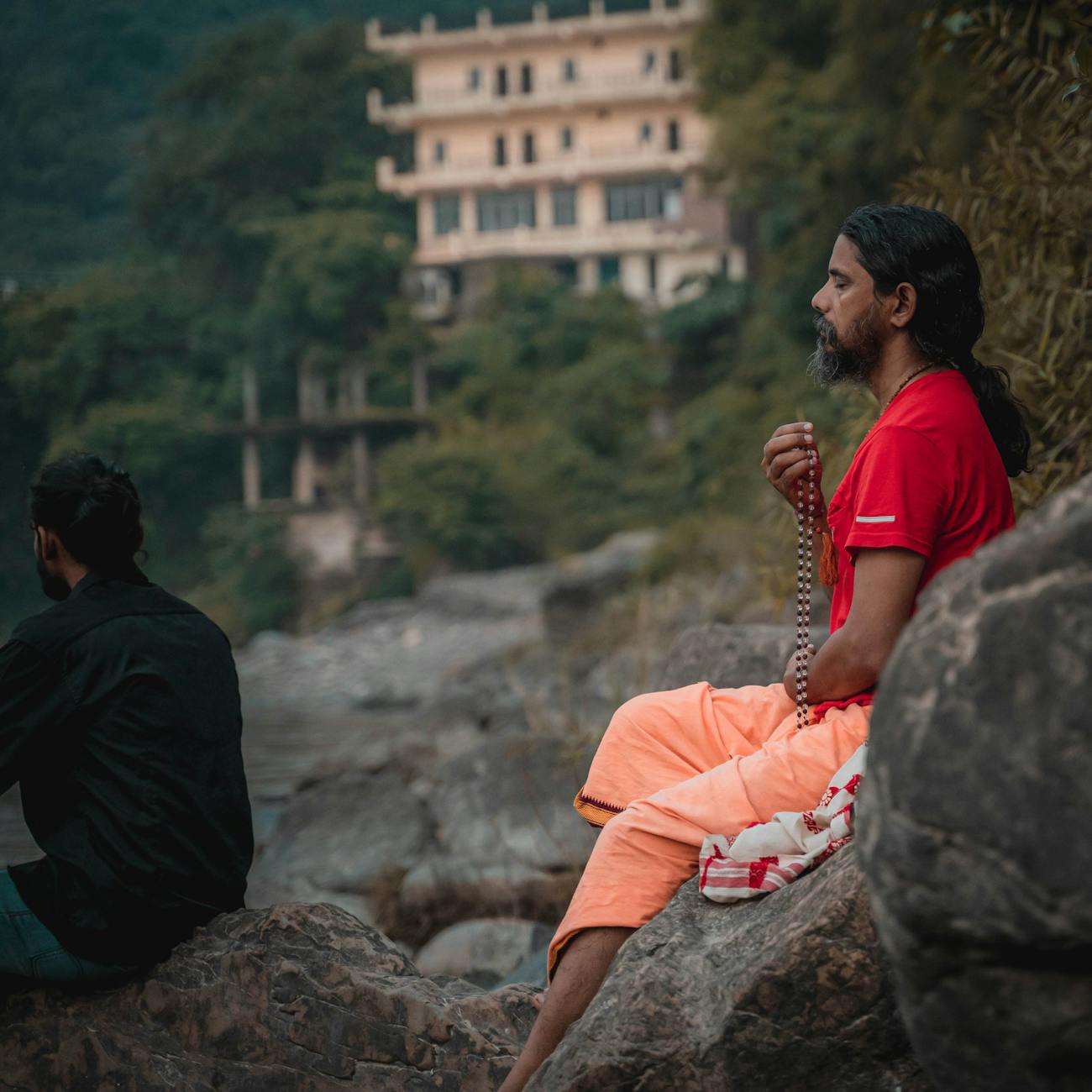
Advanced Certificate in Water-Based Meditation Techniques
In the Advanced Certificate in Water-Based Meditation Techniques, practitioners delve deeper into advanced meditation practices specifically designed for natural water settings. This course builds upon fundamental meditation techniques and introduces students to more challenging and profound methods that utilize the calming and rejuvenating effects of water environments.
Key Terms and Vocabulary
1. Meditation: Meditation is a practice that focuses on training the mind to achieve a state of mental clarity and emotional calmness. It involves various techniques to promote relaxation, concentration, and insight.
2. Water-Based Meditation: Water-based meditation involves practicing meditation in or around bodies of water such as lakes, rivers, oceans, or waterfalls. The presence of water can enhance the meditative experience by providing a soothing and tranquil environment.
3. Natural Water Settings: Natural water settings refer to environments that feature natural bodies of water, including beaches, riversides, and forests with streams or ponds. These settings offer a peaceful and serene backdrop for meditation practices.
4. Advanced Meditation Practices: Advanced meditation practices are techniques that require a higher level of skill, focus, and concentration than traditional meditation methods. These practices aim to deepen the meditative experience and promote spiritual growth.
5. Concentration: Concentration is the ability to focus the mind on a single object, thought, or activity. In meditation, concentration techniques help practitioners develop mental discipline and clarity.
6. Contemplation: Contemplation involves reflecting deeply on specific thoughts, ideas, or concepts. It is a mindfulness practice that encourages introspection and self-awareness.
7. Visualization: Visualization is a technique that involves creating mental images or scenarios to enhance focus and relaxation during meditation. Practitioners may visualize serene water scenes or imagine themselves flowing like water.
8. Awareness: Awareness in meditation refers to being fully present in the moment and observing thoughts, emotions, and sensations without judgment. Cultivating awareness helps practitioners develop mindfulness and inner peace.
9. Breathwork: Breathwork techniques involve focusing on the breath to calm the mind, regulate emotions, and improve concentration. Breathing exercises are essential in meditation to promote relaxation and centering.
10. Mantra: A mantra is a sacred word, phrase, or sound repeated during meditation to enhance focus and spiritual connection. Mantras can be recited silently or aloud to aid in concentration.
11. Chanting: Chanting involves vocalizing repetitive sounds, words, or phrases during meditation. Chants can have a rhythmic quality that helps practitioners enter a deeper state of relaxation and concentration.
12. Mindfulness: Mindfulness is the practice of being aware of the present moment without judgment. It involves observing thoughts, feelings, and sensations as they arise and cultivating a sense of acceptance and non-reactivity.
13. Transcendence: Transcendence in meditation refers to surpassing the limitations of the ego and connecting with a higher state of consciousness. It involves experiencing a sense of oneness with the universe or divine presence.
14. Emotional Release: Emotional release techniques in meditation involve acknowledging and letting go of pent-up emotions or traumas. Practitioners use meditation to process and release negative feelings, promoting emotional healing and wellbeing.
15. Grounding: Grounding techniques help practitioners connect with the earth and establish a sense of stability and security. Grounding practices in water-based meditation can involve feeling the support of the water beneath you and visualizing roots extending into the earth.
16. Flow State: The flow state is a mental state of complete immersion and focus in an activity. In meditation, practitioners aim to enter a flow state where they experience effortless concentration and a sense of timelessness.
17. Self-Reflection: Self-reflection involves introspection and contemplation of one's thoughts, emotions, and behaviors. Meditation provides a space for self-reflection and self-discovery, leading to personal growth and insight.
18. Sensory Awareness: Sensory awareness in meditation involves tuning into the senses and observing external stimuli without attachment. Practitioners learn to appreciate the sights, sounds, and sensations of the water environment without judgment.
19. Intuition: Intuition is the ability to understand or know something instinctively without the need for conscious reasoning. Meditation practices can help develop intuition by quieting the mind and listening to inner guidance.
20. Resilience: Resilience is the capacity to bounce back from adversity and adapt to challenges. Advanced meditation practices in natural water settings can enhance resilience by fostering a sense of calm, clarity, and inner strength.
Practical Applications
1. Deepening Meditation Practice: Advanced meditation techniques in natural water settings provide an opportunity to deepen one's meditation practice and explore new dimensions of consciousness. Practitioners can challenge themselves to go beyond their comfort zones and expand their spiritual growth.
2. Connecting with Nature: Water-based meditation allows practitioners to connect with the healing and rejuvenating powers of nature. By immersing themselves in the sights, sounds, and sensations of water environments, individuals can cultivate a sense of oneness with the natural world.
3. Enhancing Mind-Body Connection: Practicing meditation in natural water settings can enhance the mind-body connection by promoting relaxation, stress reduction, and physical wellbeing. The soothing effects of water can help release tension and restore balance to the body.
4. Cultivating Creativity: Immersing oneself in a water-based meditation practice can stimulate creativity and inspiration. The fluidity and flow of water can inspire new ideas, perspectives, and solutions to creative challenges.
5. Developing Emotional Intelligence: Advanced meditation practices in natural water settings provide a safe space for emotional exploration and release. By acknowledging and processing emotions during meditation, practitioners can develop emotional intelligence and resilience.
6. Improving Focus and Concentration: Water-based meditation techniques require heightened focus and concentration due to the sensory stimuli of the water environment. Practitioners can enhance their mental clarity and focus by practicing advanced concentration techniques in natural water settings.
7. Promoting Self-Discovery: Through self-reflection and introspection in meditation, individuals can embark on a journey of self-discovery and personal growth. Advanced meditation practices in natural water settings offer a transformative experience that deepens self-awareness and inner wisdom.
8. Cultivating Gratitude: Practicing gratitude in meditation can foster a sense of appreciation for the beauty and abundance of nature. By meditating in natural water settings, practitioners can cultivate gratitude for the elements and connect with a sense of interconnectedness with the universe.
Challenges
1. Distractions: Practicing meditation in natural water settings can present challenges such as external distractions from wildlife, weather, or other people. Maintaining focus and concentration amidst these distractions can be difficult but can also enhance resilience and adaptability.
2. Physical Discomfort: Sitting or lying in a water environment for an extended period may lead to physical discomfort or stiffness. Practitioners need to find a comfortable position and practice mindful movement or stretching to alleviate any discomfort.
3. Emotional Release: Advanced meditation practices in natural water settings may bring up intense emotions or memories that require processing and release. Practitioners must be prepared to confront and work through emotional challenges that arise during meditation.
4. Weather Conditions: Weather conditions such as rain, wind, or extreme temperatures can impact the quality of the meditation experience in natural water settings. Practitioners should be mindful of weather forecasts and prepare accordingly to ensure a safe and comfortable practice.
5. Time Commitment: Engaging in advanced meditation practices in natural water settings may require a significant time commitment to fully immerse oneself in the experience. Practitioners need to dedicate sufficient time and energy to reap the benefits of these practices.
6. Self-Doubt: Practitioners may encounter self-doubt or resistance when exploring advanced meditation techniques in natural water settings. Overcoming self-limiting beliefs and building self-confidence are essential for embracing the challenges and growth opportunities that meditation offers.
7. Integration: Integrating the insights and experiences gained from meditation practice into daily life can be a challenge for practitioners. Finding ways to apply mindfulness, self-awareness, and emotional intelligence in everyday situations requires conscious effort and practice.
Conclusion
The Advanced Certificate in Water-Based Meditation Techniques offers practitioners a unique opportunity to explore advanced meditation practices in natural water settings. By delving deeper into concentration, contemplation, visualization, and other techniques, individuals can deepen their meditation practice, connect with nature, and cultivate personal growth. Despite challenges such as distractions, physical discomfort, and emotional release, practitioners can benefit from the transformative power of meditation in water environments. With dedication, resilience, and self-awareness, students can harness the healing and rejuvenating powers of water-based meditation to enhance their well-being and spiritual development.
Key takeaways
- This course builds upon fundamental meditation techniques and introduces students to more challenging and profound methods that utilize the calming and rejuvenating effects of water environments.
- Meditation: Meditation is a practice that focuses on training the mind to achieve a state of mental clarity and emotional calmness.
- Water-Based Meditation: Water-based meditation involves practicing meditation in or around bodies of water such as lakes, rivers, oceans, or waterfalls.
- Natural Water Settings: Natural water settings refer to environments that feature natural bodies of water, including beaches, riversides, and forests with streams or ponds.
- Advanced Meditation Practices: Advanced meditation practices are techniques that require a higher level of skill, focus, and concentration than traditional meditation methods.
- Concentration: Concentration is the ability to focus the mind on a single object, thought, or activity.
- Contemplation: Contemplation involves reflecting deeply on specific thoughts, ideas, or concepts.