
Renewable Energy Systems
Renewable Energy Systems: Renewable energy systems are technologies that generate electricity or heat from naturally replenishing resources such as sunlight, wind, and water. These systems are crucial for reducing greenhouse gas emissions a…
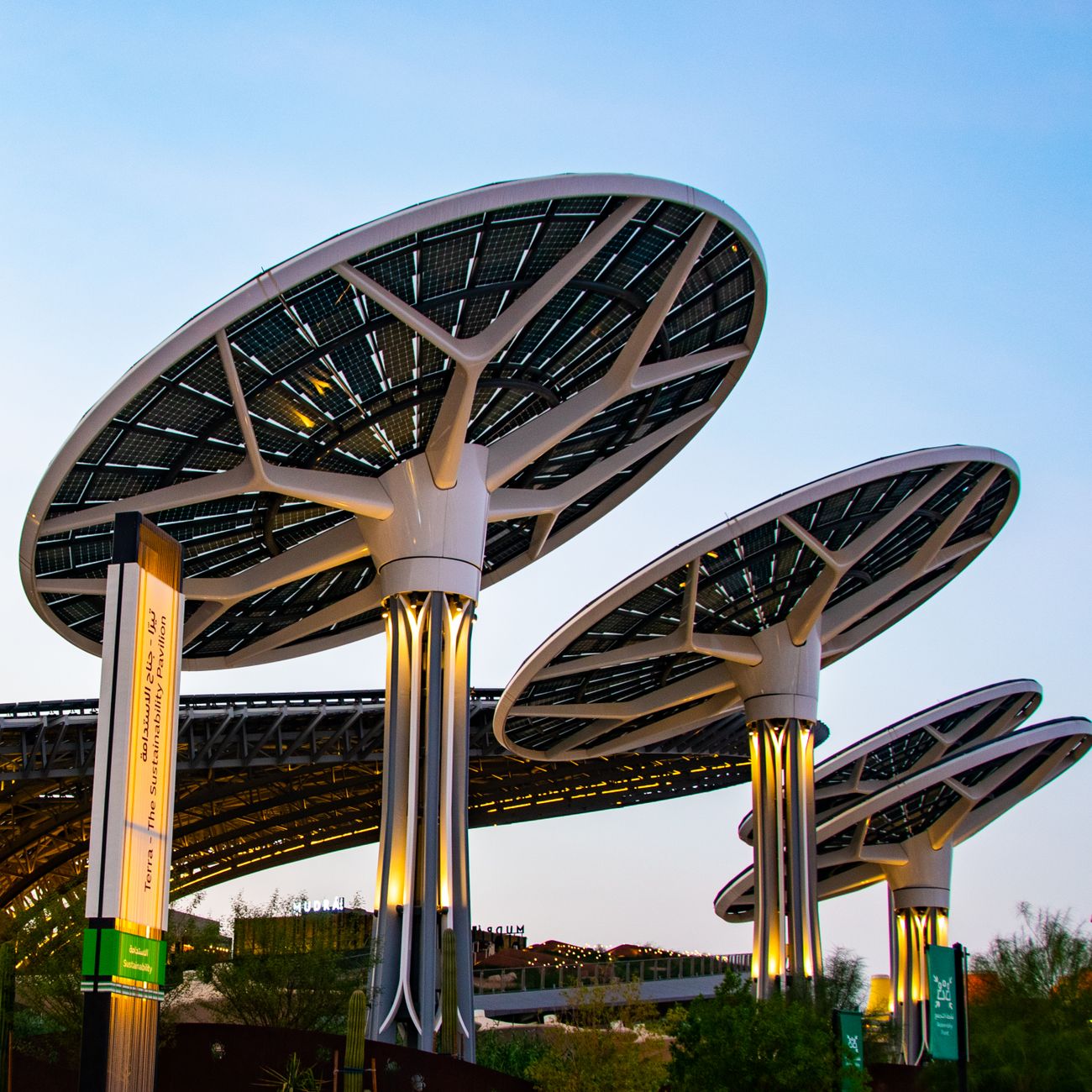
Renewable Energy Systems: Renewable energy systems are technologies that generate electricity or heat from naturally replenishing resources such as sunlight, wind, and water. These systems are crucial for reducing greenhouse gas emissions and combating climate change.
Advanced Certificate in Sustainable Architecture: This certificate program focuses on integrating sustainability principles into architectural design and construction to create environmentally friendly buildings.
Sustainable Architecture: Sustainable architecture is the practice of designing buildings that minimize their environmental impact by using energy-efficient materials and technologies.
Key Terms and Vocabulary for Renewable Energy Systems:
Solar Energy: Solar energy is energy derived from the sun's radiation. It is one of the most abundant sources of renewable energy and can be harnessed through solar panels to generate electricity.
Photovoltaic (PV) System: A photovoltaic system converts sunlight into electricity using solar panels made up of photovoltaic cells. These systems are commonly used on rooftops to generate clean energy.
Wind Energy: Wind energy is generated by harnessing the power of wind to turn turbines, which then generate electricity. Wind farms are large-scale installations of wind turbines that produce renewable energy.
Hydropower: Hydropower is generated by converting the energy of flowing water into electricity. Dams and hydroelectric power plants are common examples of hydropower systems.
Geothermal Energy: Geothermal energy is heat derived from the earth's core. It can be harnessed for heating and cooling buildings or for generating electricity in geothermal power plants.
Biomass Energy: Biomass energy is derived from organic materials such as wood, agricultural residues, and waste. These materials can be burned to produce heat or converted into biofuels for electricity generation.
Net Zero Energy Building: A net zero energy building is a structure that produces as much energy as it consumes over the course of a year. These buildings are highly energy-efficient and often incorporate renewable energy systems.
Energy Efficiency: Energy efficiency refers to the use of technology and practices that reduce the amount of energy required to perform a specific task. Improving energy efficiency is a key strategy for reducing energy consumption and greenhouse gas emissions.
Passive Solar Design: Passive solar design uses the sun's energy to heat and cool buildings without the need for mechanical systems. Features such as south-facing windows and thermal mass are used to maximize solar gain and minimize heat loss.
Daylighting: Daylighting is the practice of using natural light to illuminate interior spaces. By maximizing natural light, buildings can reduce the need for artificial lighting and save energy.
Green Roof: A green roof is a roof covered with vegetation, which helps to improve insulation and reduce heat gain in buildings. Green roofs also provide habitat for wildlife and help to mitigate urban heat island effects.
Life Cycle Assessment (LCA): Life cycle assessment is a methodology used to evaluate the environmental impacts of a product or process throughout its life cycle, from raw material extraction to disposal. LCA can help architects and designers make informed decisions about materials and construction methods.
Embodied Energy: Embodied energy is the total energy consumed in the production, transportation, and disposal of a building material. Minimizing embodied energy is important for reducing the environmental impact of construction projects.
Carbon Footprint: A carbon footprint is the total amount of greenhouse gases emitted directly or indirectly by an individual, organization, or building. Calculating and reducing carbon footprints is essential for mitigating climate change.
Renewable Portfolio Standard (RPS): A renewable portfolio standard is a policy that requires utilities to generate a certain percentage of their electricity from renewable sources. RPS policies help to promote the adoption of renewable energy systems.
Feed-in Tariff: A feed-in tariff is a policy mechanism that incentivizes the generation of renewable energy by providing a guaranteed payment for electricity fed back into the grid. Feed-in tariffs can help to accelerate the deployment of renewable energy systems.
Energy Storage: Energy storage technologies such as batteries and pumped hydroelectric storage are essential for storing excess renewable energy for use when the sun is not shining or the wind is not blowing. Energy storage can help to improve the reliability and resilience of renewable energy systems.
Grid Integration: Grid integration refers to the process of connecting renewable energy systems to the electricity grid. Proper grid integration is essential for balancing supply and demand and ensuring the stability of the grid.
Microgrid: A microgrid is a localized grid that can operate independently or in conjunction with the main grid. Microgrids can incorporate renewable energy systems and energy storage to provide reliable and resilient power.
Challenges of Renewable Energy Systems:
Intermittency: One of the main challenges of renewable energy systems is their intermittency, as they rely on weather conditions such as sunlight and wind. Energy storage and grid integration are key solutions to address this challenge.
Land Use: Large-scale renewable energy projects such as solar and wind farms require significant land area, which can lead to conflicts with agricultural or natural habitats. Proper siting and land use planning are essential to minimize impacts.
Cost: While the cost of renewable energy technologies has decreased in recent years, upfront costs can still be a barrier to widespread adoption. Government incentives and policies can help to make renewable energy more affordable.
Policy and Regulation: Inconsistent policies and regulations can create uncertainty for investors and developers of renewable energy projects. Clear and stable policy frameworks are needed to support the growth of renewable energy systems.
Public Perception: Public perception of renewable energy systems can influence their acceptance and deployment. Education and outreach efforts are important for increasing awareness and understanding of the benefits of renewable energy.
Conclusion: Renewable energy systems play a crucial role in transitioning to a more sustainable energy future. By harnessing the power of renewable resources such as solar, wind, and hydropower, we can reduce greenhouse gas emissions, increase energy security, and create a more resilient energy system. Through innovative technologies, policies, and design strategies, we can build a more sustainable built environment that benefits both people and the planet.
Key takeaways
- Renewable Energy Systems: Renewable energy systems are technologies that generate electricity or heat from naturally replenishing resources such as sunlight, wind, and water.
- Advanced Certificate in Sustainable Architecture: This certificate program focuses on integrating sustainability principles into architectural design and construction to create environmentally friendly buildings.
- Sustainable Architecture: Sustainable architecture is the practice of designing buildings that minimize their environmental impact by using energy-efficient materials and technologies.
- It is one of the most abundant sources of renewable energy and can be harnessed through solar panels to generate electricity.
- Photovoltaic (PV) System: A photovoltaic system converts sunlight into electricity using solar panels made up of photovoltaic cells.
- Wind Energy: Wind energy is generated by harnessing the power of wind to turn turbines, which then generate electricity.
- Hydropower: Hydropower is generated by converting the energy of flowing water into electricity.