
Herbal Remedies for Digestive Disorders in Rabbits
Herbal Remedies for Digestive Disorders in Rabbits
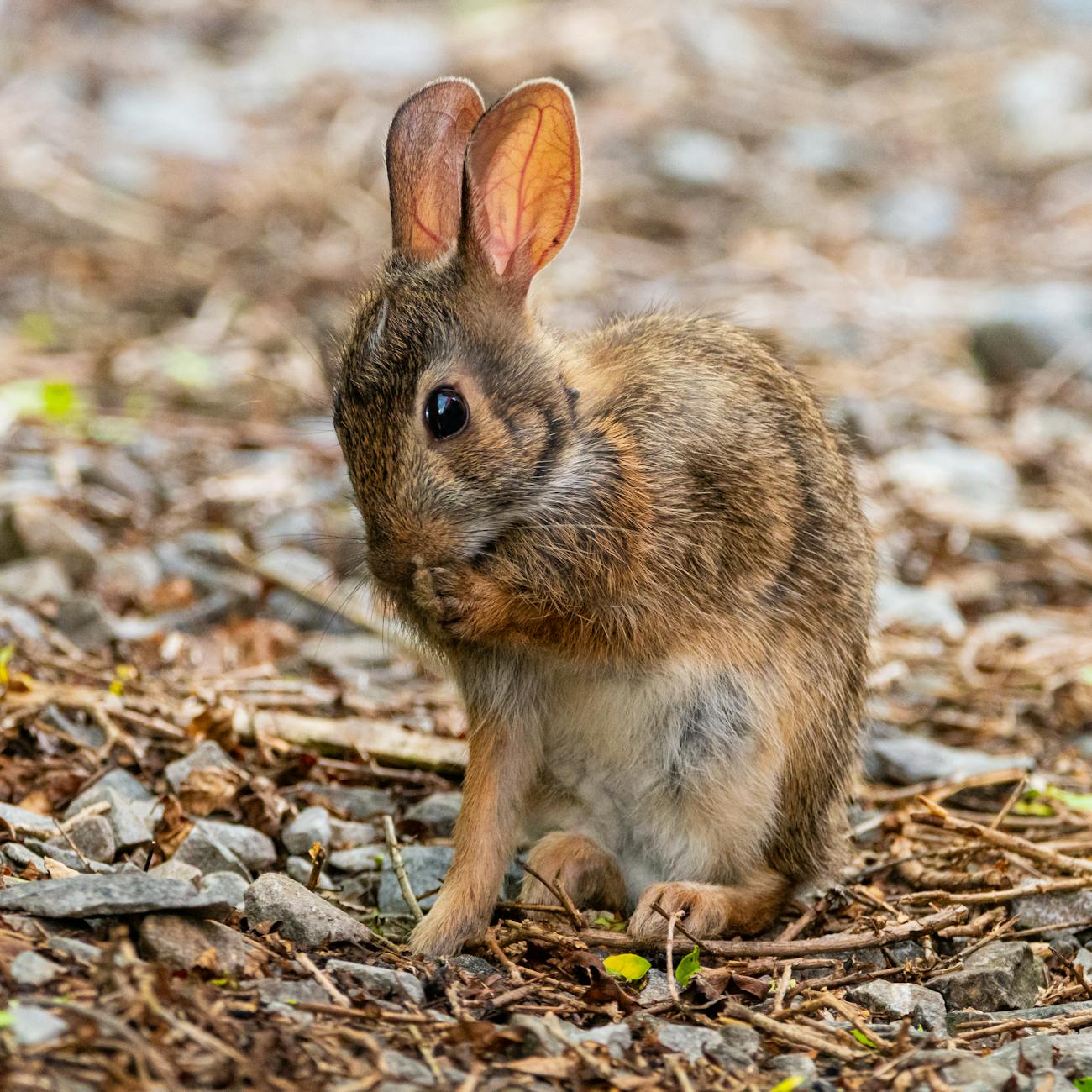
Herbal Remedies for Digestive Disorders in Rabbits
Introduction
Rabbits are known for their sensitive digestive systems, making them prone to various digestive disorders. Herbal remedies can be a natural and effective way to support the digestive health of rabbits. In this course, we will explore key terms and vocabulary related to herbal remedies for digestive disorders in rabbits.
Digestive Disorders in Rabbits
Rabbits can suffer from a range of digestive disorders, including gastrointestinal stasis, diarrhea, bloating, and gas. These conditions can be caused by various factors such as diet, stress, infections, and dental issues. It is essential to address these disorders promptly to prevent further complications and ensure the well-being of the rabbit.
Herbal Remedies
Herbal remedies are natural plant-based products that can be used to support the digestive health of rabbits. These remedies can help alleviate symptoms, promote digestion, and restore balance in the gut. It is essential to use high-quality herbs that are safe for rabbits and consult with a qualified herbalist or veterinarian before administering any herbal remedies.
Key Terms and Vocabulary
1. Gastrointestinal Stasis: Gastrointestinal stasis is a common condition in rabbits where the digestive system slows down or stops working. This condition can lead to a buildup of gas and toxins in the gut, causing pain and discomfort for the rabbit.
2. Diarrhea: Diarrhea is a condition characterized by loose or watery stools. In rabbits, diarrhea can be caused by various factors such as infections, diet changes, or stress. It is essential to address diarrhea promptly to prevent dehydration and nutrient deficiencies.
3. Bloating: Bloating is a condition where the stomach or intestine becomes distended due to the buildup of gas. In rabbits, bloating can be caused by poor digestion, gas-producing foods, or underlying health issues. Bloating can be painful and uncomfortable for the rabbit.
4. Gas: Gas is a common issue in rabbits that can lead to bloating and discomfort. Gas can be produced by the fermentation of food in the gut or swallowed air. Herbal remedies can help relieve gas and improve digestion in rabbits.
5. Antispasmodic: Antispasmodic herbs are plants that can help relax smooth muscles in the digestive tract, reducing spasms and cramping. These herbs can be beneficial for rabbits suffering from gastrointestinal issues such as bloating or diarrhea.
6. Carminative: Carminative herbs are plants that can help expel gas from the digestive system, reducing bloating and discomfort. These herbs can be useful for rabbits with a tendency to develop gas or digestive issues.
7. Digestive Tonic: Digestive tonics are herbal preparations that can help stimulate digestion, improve nutrient absorption, and support overall digestive health. These tonics can be beneficial for rabbits with weak digestion or gastrointestinal issues.
8. Prebiotic: Prebiotics are non-digestible fibers that promote the growth of beneficial bacteria in the gut. These fibers can help improve gut health, prevent digestive disorders, and support the immune system in rabbits.
9. Probiotic: Probiotics are live beneficial bacteria that can help restore the balance of the gut flora. Probiotics can be beneficial for rabbits with digestive disorders, stress, or antibiotic treatment. These supplements can help improve digestion and overall health in rabbits.
10. Mucilaginous: Mucilaginous herbs contain a gel-like substance that can help soothe and protect the digestive tract. These herbs can be beneficial for rabbits with inflamed or irritated digestive systems, providing a protective coating and promoting healing.
11. Demulcent: Demulcent herbs are plants that contain soothing and protective properties, making them ideal for irritated or inflamed tissues. These herbs can help reduce inflammation, promote healing, and provide relief for rabbits with digestive issues.
12. Bitter: Bitter herbs stimulate digestion by promoting the production of digestive juices and enzymes. These herbs can help improve appetite, nutrient absorption, and overall digestive function in rabbits. Bitter herbs can be beneficial for rabbits with weak digestion or poor appetite.
13. Astringent: Astringent herbs have a tightening and drying effect on tissues, making them useful for treating diarrhea and excessive mucus production. These herbs can help reduce inflammation, tone the digestive tract, and promote normal bowel movements in rabbits.
14. Choleretic: Choleretic herbs stimulate the production and flow of bile from the liver, aiding in digestion and nutrient absorption. These herbs can be beneficial for rabbits with liver issues, poor fat digestion, or gallbladder problems.
15. Emollient: Emollient herbs have a softening and soothing effect on tissues, making them ideal for treating dry or irritated mucous membranes. These herbs can help protect and heal the digestive tract, providing relief for rabbits with digestive disorders.
Practical Applications
When using herbal remedies for digestive disorders in rabbits, it is essential to consider the individual needs and health status of the rabbit. Herbal remedies should be administered in appropriate doses and formulations to ensure safety and effectiveness. It is recommended to consult with a qualified herbalist or veterinarian before using any herbal remedies for rabbits. Here are some practical applications of herbal remedies for digestive disorders in rabbits:
1. Gastrointestinal Stasis: A blend of antispasmodic and carminative herbs can help relieve spasms, reduce gas, and promote motility in the digestive tract. Examples of herbs include chamomile, peppermint, and fennel.
2. Diarrhea: A combination of astringent and demulcent herbs can help soothe inflammation, reduce diarrhea, and promote healing in the digestive tract. Examples of herbs include slippery elm, marshmallow root, and plantain.
3. Bloating: Carminative herbs can help expel gas, reduce bloating, and improve digestion in rabbits. Examples of herbs include dill, ginger, and cinnamon.
4. Gas: Mucilaginous herbs can help soothe and protect the digestive tract, reducing gas and promoting healing. Examples of herbs include fenugreek, psyllium, and licorice.
5. Overall Digestive Support: Digestive tonics containing bitter, choleretic, and prebiotic herbs can help improve digestion, nutrient absorption, and gut health in rabbits. Examples of herbs include dandelion, milk thistle, and inulin.
Challenges
While herbal remedies can be beneficial for supporting the digestive health of rabbits, there are some challenges to consider. Some rabbits may be sensitive or allergic to certain herbs, so it is essential to monitor for any adverse reactions when introducing new herbs. Additionally, herbal remedies may interact with medications or underlying health conditions, so it is crucial to consult with a qualified professional before using herbal remedies for rabbits. It is also important to source high-quality herbs from reputable suppliers to ensure safety and effectiveness.
Conclusion
Herbal remedies can be a valuable tool for supporting the digestive health of rabbits. By understanding key terms and vocabulary related to herbal remedies for digestive disorders, rabbit owners and caregivers can make informed decisions about using herbal remedies to promote the well-being of their rabbits. It is essential to approach herbal medicine for rabbits with caution, care, and knowledge to ensure the best outcomes for these sensitive animals.
Key takeaways
- In this course, we will explore key terms and vocabulary related to herbal remedies for digestive disorders in rabbits.
- It is essential to address these disorders promptly to prevent further complications and ensure the well-being of the rabbit.
- It is essential to use high-quality herbs that are safe for rabbits and consult with a qualified herbalist or veterinarian before administering any herbal remedies.
- Gastrointestinal Stasis: Gastrointestinal stasis is a common condition in rabbits where the digestive system slows down or stops working.
- In rabbits, diarrhea can be caused by various factors such as infections, diet changes, or stress.
- Bloating: Bloating is a condition where the stomach or intestine becomes distended due to the buildup of gas.
- Gas: Gas is a common issue in rabbits that can lead to bloating and discomfort.