
Mine Health and Occupational Hygiene
Mine Health and Occupational Hygiene
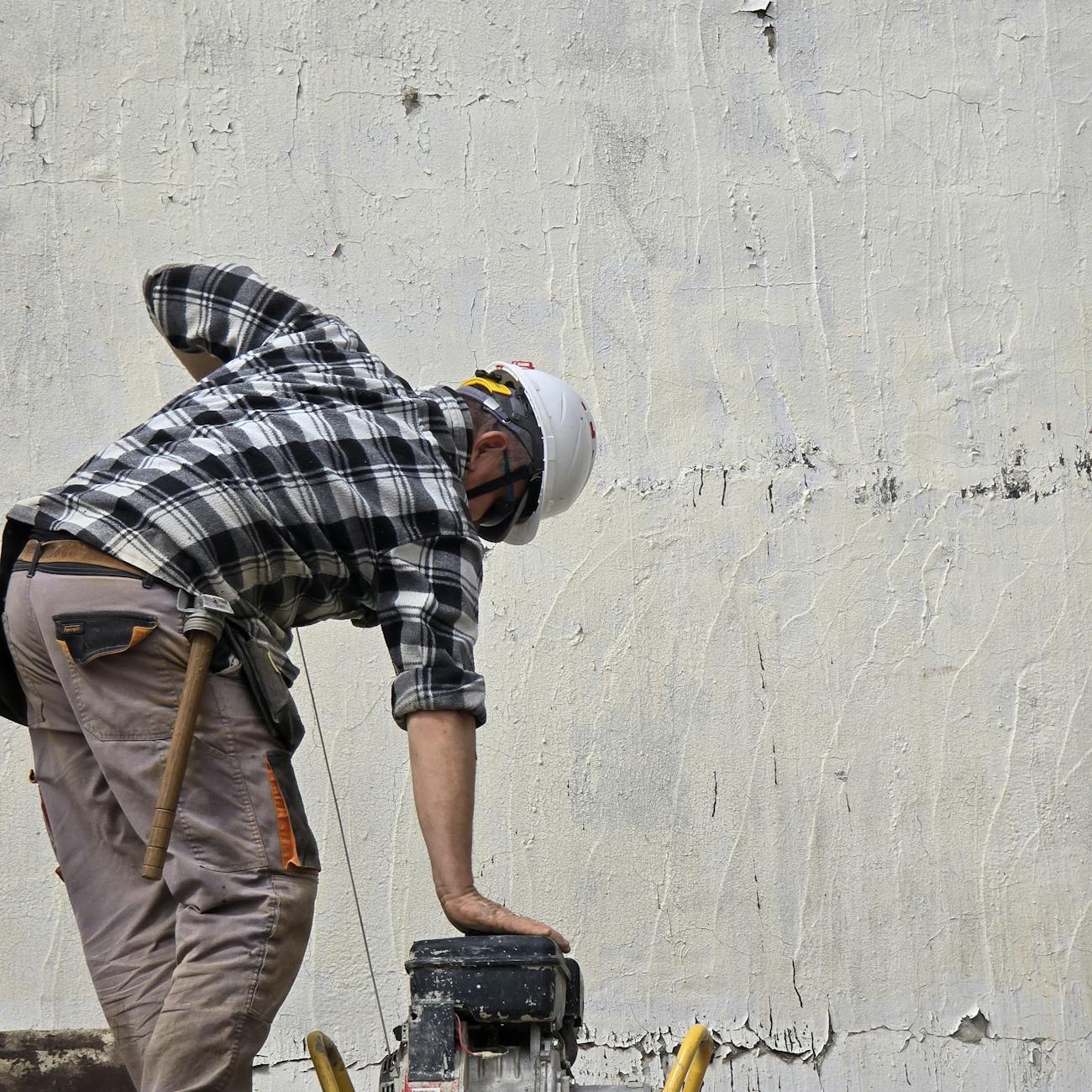
Mine Health and Occupational Hygiene
Mine Health and Occupational Hygiene is a critical aspect of the mining industry that focuses on protecting the health and safety of workers in mining operations. It involves identifying, evaluating, and controlling health hazards in the workplace to prevent occupational illnesses and injuries. This field plays a crucial role in ensuring the well-being of miners and other personnel working in mines, as well as promoting a safe and healthy work environment.
Key Terms and Vocabulary
1. Occupational Health: Occupational health refers to the discipline that focuses on the health and well-being of workers in their workplace. It involves identifying and assessing workplace hazards, implementing control measures to prevent health risks, and promoting a healthy work environment.
2. Industrial Hygiene: Industrial hygiene is the science of anticipating, recognizing, evaluating, and controlling workplace conditions that may cause sickness, impaired health, or significant discomfort among workers. It aims to protect the health and safety of workers by minimizing exposure to occupational hazards.
3. Exposure Assessment: Exposure assessment is the process of measuring or estimating the concentration, frequency, and duration of exposure to hazardous substances or conditions in the workplace. It helps in evaluating the potential health risks associated with occupational exposures.
4. Health Hazard: A health hazard is any agent, condition, or activity that has the potential to cause harm to the health of workers. Health hazards in mining may include exposure to dust, chemicals, noise, vibration, and ergonomic hazards.
5. Occupational Illness: An occupational illness is a disease or health condition that is caused or significantly aggravated by exposure to occupational hazards in the workplace. Common occupational illnesses in mining include respiratory diseases, hearing loss, musculoskeletal disorders, and skin conditions.
6. Personal Protective Equipment (PPE): Personal protective equipment (PPE) refers to equipment or clothing worn by workers to protect them from occupational hazards. PPE in mining may include respirators, hearing protection, gloves, safety glasses, and protective clothing.
7. Exposure Limit: An exposure limit is the maximum allowable concentration of a hazardous substance in the workplace that is considered safe for workers over a specified period. Exposure limits are set by regulatory agencies to protect workers from adverse health effects.
8. Engineering Controls: Engineering controls are physical modifications or changes to equipment, machinery, or processes that help eliminate or reduce exposure to occupational hazards. Examples of engineering controls in mining include ventilation systems, enclosure of equipment, and isolation of noise sources.
9. Administrative Controls: Administrative controls are work practices or policies that are implemented to reduce or minimize exposure to occupational hazards. Examples of administrative controls in mining include job rotation, training programs, and scheduling of tasks to limit exposure.
10. Biological Monitoring: Biological monitoring involves the measurement of biological markers in workers, such as blood or urine samples, to assess the level of exposure to hazardous substances. It helps in evaluating the effectiveness of control measures and identifying early signs of health effects.
11. Risk Assessment: Risk assessment is the process of identifying, analyzing, and evaluating potential hazards in the workplace to determine the likelihood and severity of adverse health effects on workers. It helps in prioritizing control measures to reduce risks to an acceptable level.
12. Hazard Communication: Hazard communication is the process of informing and educating workers about the hazards present in the workplace, including the risks associated with exposure to hazardous substances and the necessary precautions to protect their health. It is crucial for ensuring worker awareness and compliance with safety measures.
13. Respirable Dust: Respirable dust is fine particles of dust that can penetrate deep into the lungs when inhaled. Exposure to respirable dust in mining operations can lead to respiratory diseases such as coal workers' pneumoconiosis (black lung) and silicosis.
14. Noise Exposure: Noise exposure refers to the level of noise that workers are exposed to in the workplace. Prolonged exposure to high noise levels in mining can cause hearing loss and other auditory problems. Control measures such as engineering controls and PPE are essential to reduce noise exposure.
15. Chemical Exposure: Chemical exposure refers to the contact or inhalation of hazardous chemicals in the workplace. Workers in mining may be exposed to various chemicals, such as lead, mercury, and cyanide, which can cause acute or chronic health effects. Proper handling, storage, and disposal of chemicals are important to prevent exposure.
16. Ergonomic Hazards: Ergonomic hazards are physical factors in the workplace that can lead to musculoskeletal injuries and disorders. In mining, ergonomic hazards may include repetitive tasks, awkward postures, and heavy lifting, which can result in injuries such as back pain and carpal tunnel syndrome.
17. Heat Stress: Heat stress occurs when the body is unable to regulate its internal temperature in hot working conditions. Miners working in underground mines or in hot climates are at risk of heat-related illnesses, such as heat exhaustion and heat stroke. Adequate hydration, rest breaks, and ventilation are essential to prevent heat stress.
18. Cold Stress: Cold stress occurs when the body loses heat faster than it can produce it in cold working environments. Miners working in cold climates or in refrigerated areas may experience cold-related injuries, such as frostbite and hypothermia. Proper clothing, shelter, and heating are necessary to prevent cold stress.
19. Confined Spaces: Confined spaces are enclosed areas with limited access and ventilation, which pose a risk of asphyxiation, engulfment, or exposure to toxic gases. Miners working in confined spaces must follow strict safety procedures, such as testing the atmosphere, using gas detectors, and having a rescue plan in place.
20. Emergency Response: Emergency response involves the procedures and protocols that are implemented in the event of an emergency or accident in the workplace. Miners must be trained in emergency response techniques, such as first aid, evacuation procedures, and communication protocols, to ensure a prompt and effective response to emergencies.
21. Health Promotion: Health promotion initiatives aim to improve the overall health and well-being of workers through education, awareness, and lifestyle changes. In mining, health promotion programs may include smoking cessation, physical fitness activities, mental health support, and nutrition counseling to promote a healthy workforce.
22. Occupational Health and Safety Management System: An occupational health and safety management system is a framework that helps organizations manage and improve their health and safety performance. It involves policies, procedures, and practices to identify, assess, and control risks, as well as monitor and review health and safety performance to ensure continuous improvement.
23. Regulatory Compliance: Regulatory compliance refers to the adherence to laws, regulations, and standards set by government agencies and industry bodies to ensure the health and safety of workers. Mining companies must comply with occupational health and safety regulations to protect their employees and maintain a safe work environment.
24. Occupational Hygienist: An occupational hygienist is a professional who specializes in identifying and controlling workplace hazards to protect the health and safety of workers. Occupational hygienists conduct exposure assessments, recommend control measures, and provide guidance on health and safety practices to minimize occupational risks.
25. Health Surveillance: Health surveillance involves the systematic monitoring of workers' health over time to detect early signs of occupational illnesses or injuries. Health surveillance programs in mining may include medical examinations, biological monitoring, and health risk assessments to ensure the well-being of workers.
26. Workplace Wellness: Workplace wellness programs aim to promote the physical, mental, and emotional well-being of workers in the workplace. In mining, workplace wellness initiatives may include stress management, fitness programs, mental health support, and ergonomic assessments to improve the overall health and productivity of employees.
27. Contractor Management: Contractor management involves the oversight and control of external contractors working on mining sites to ensure compliance with health and safety standards. Mining companies must establish clear expectations, provide training, and monitor contractor performance to prevent occupational hazards and incidents.
28. Health and Safety Culture: A health and safety culture refers to the attitudes, beliefs, and values that shape the behavior of individuals and organizations towards health and safety in the workplace. A positive health and safety culture in mining promotes a proactive approach to risk management, encourages open communication, and fosters a safe work environment for all.
29. Incident Investigation: Incident investigation is the process of examining and analyzing workplace incidents, accidents, or near misses to identify the root causes and prevent recurrence. Mining companies conduct incident investigations to improve safety practices, implement corrective actions, and learn from past incidents to prevent future accidents.
30. Continuous Improvement: Continuous improvement is the ongoing process of enhancing health and safety performance through the identification of opportunities for improvement, implementation of corrective actions, and monitoring of results. Mining companies strive for continuous improvement in health and safety to prevent injuries, protect workers, and promote a culture of safety excellence.
Practical Applications
- Conducting Exposure Assessments: Occupational hygienists in mining conduct exposure assessments to measure the concentration of hazardous substances in the air, water, or soil at mining sites. By analyzing exposure data, they can identify high-risk areas, recommend control measures, and monitor compliance to protect workers from health hazards.
- Implementing Engineering Controls: Mining companies install engineering controls, such as ventilation systems and noise barriers, to reduce exposure to occupational hazards and create a safer work environment. By implementing engineering controls, companies can minimize risks, improve worker health, and comply with health and safety regulations.
- Providing Personal Protective Equipment: Miners are provided with personal protective equipment, such as respirators, hearing protection, and safety glasses, to reduce exposure to occupational hazards and prevent injuries. By wearing PPE correctly and consistently, workers can protect themselves from health risks and maintain a safe work environment.
- Conducting Health Surveillance: Mining companies conduct health surveillance programs to monitor the health of workers over time and detect early signs of occupational illnesses or injuries. By conducting regular medical examinations, biological monitoring, and health risk assessments, companies can ensure the well-being of workers and prevent health issues.
- Promoting Health and Safety Culture: Mining companies promote a positive health and safety culture by fostering open communication, providing training, and recognizing safety achievements. By instilling a culture of safety excellence, companies can engage employees, reduce incidents, and create a safer work environment for all.
Challenges
- Compliance with Regulations: Mining companies face challenges in complying with complex and evolving health and safety regulations, which may vary across jurisdictions. Ensuring compliance with regulatory requirements requires ongoing monitoring, training, and investment in health and safety programs to protect workers and avoid penalties.
- Hazard Recognition and Control: Identifying and controlling emerging health hazards in mining, such as new chemicals or technologies, can be challenging for occupational hygienists. Keeping up-to-date with industry trends, conducting risk assessments, and implementing control measures are essential to protect workers from evolving occupational hazards.
- Contractor Management: Managing external contractors working on mining sites presents challenges in ensuring their compliance with health and safety standards. Establishing clear expectations, providing adequate training, and monitoring contractor performance are crucial to prevent occupational hazards and incidents involving contractors.
- Changing Work Environments: The dynamic nature of mining operations, including shifting work locations, varying tasks, and evolving technologies, can create challenges in maintaining health and safety standards. Adapting health and safety programs, conducting risk assessments, and providing ongoing training are essential to address changing work environments and protect workers.
- Employee Engagement: Engaging employees in health and safety initiatives and promoting a positive safety culture can be challenging in the mining industry. Encouraging participation, providing feedback mechanisms, and recognizing safety contributions are key strategies to engage employees, improve safety practices, and create a culture of safety excellence.
Conclusion
In conclusion, Mine Health and Occupational Hygiene is a critical aspect of the mining industry that focuses on protecting the health and safety of workers in mining operations. By understanding key terms and vocabulary related to occupational health, industrial hygiene, exposure assessment, and control measures, mining professionals can effectively identify, evaluate, and control health hazards to prevent occupational illnesses and injuries. Practical applications, such as conducting exposure assessments, implementing engineering controls, providing personal protective equipment, and promoting a positive health and safety culture, are essential for creating a safe and healthy work environment in mining. Despite challenges in regulatory compliance, hazard recognition, contractor management, changing work environments, and employee engagement, continuous improvement in health and safety practices is crucial to protect workers, prevent incidents, and promote a culture of safety excellence in the mining industry.
Key takeaways
- Mine Health and Occupational Hygiene is a critical aspect of the mining industry that focuses on protecting the health and safety of workers in mining operations.
- It involves identifying and assessing workplace hazards, implementing control measures to prevent health risks, and promoting a healthy work environment.
- Industrial Hygiene: Industrial hygiene is the science of anticipating, recognizing, evaluating, and controlling workplace conditions that may cause sickness, impaired health, or significant discomfort among workers.
- Exposure Assessment: Exposure assessment is the process of measuring or estimating the concentration, frequency, and duration of exposure to hazardous substances or conditions in the workplace.
- Health Hazard: A health hazard is any agent, condition, or activity that has the potential to cause harm to the health of workers.
- Occupational Illness: An occupational illness is a disease or health condition that is caused or significantly aggravated by exposure to occupational hazards in the workplace.
- Personal Protective Equipment (PPE): Personal protective equipment (PPE) refers to equipment or clothing worn by workers to protect them from occupational hazards.