
Technology Integration and Optimization
Building Information Modeling is the digital representation of the physical and functional characteristics of a facility. In the context of facilities management, BIM serves as a shared knowledge resource for information about a building th…
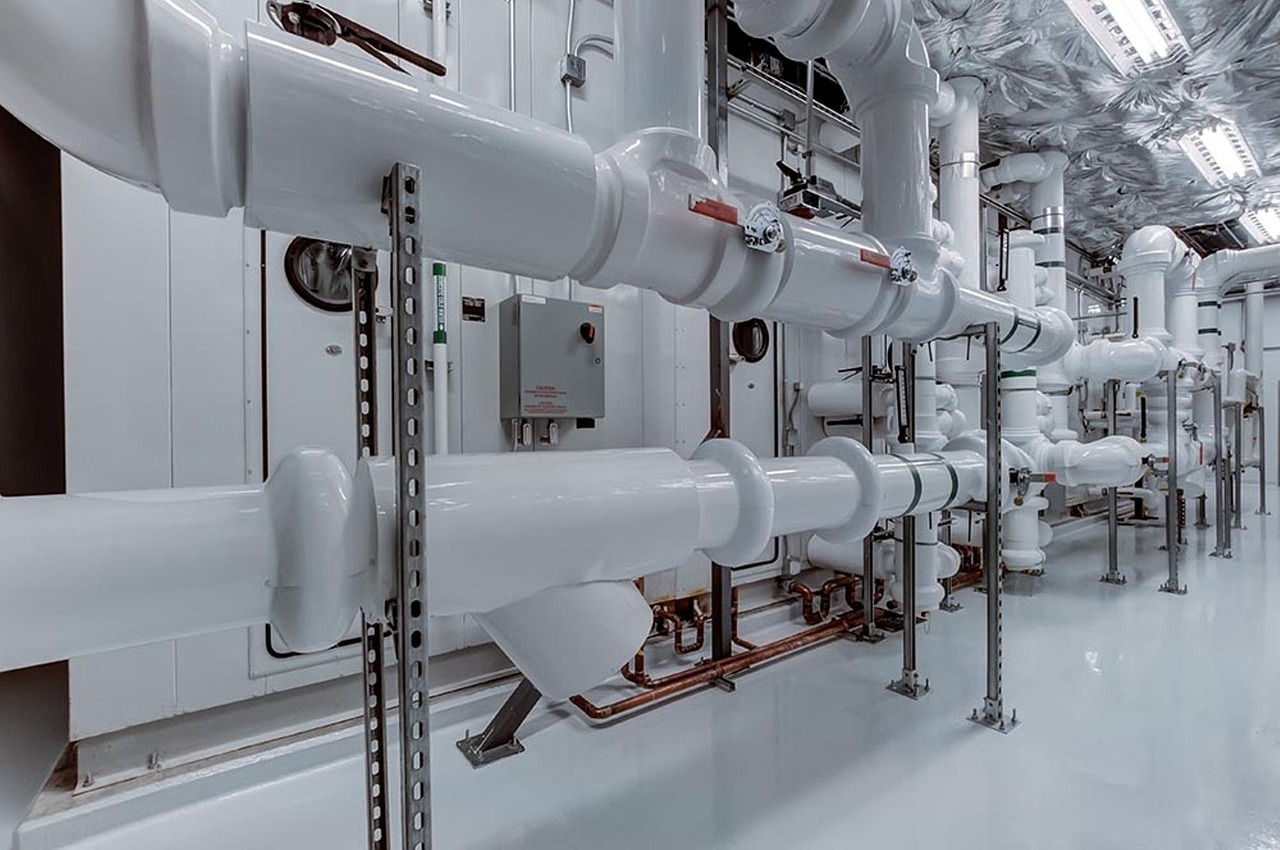
Building Information Modeling is the digital representation of the physical and functional characteristics of a facility. In the context of facilities management, BIM serves as a shared knowledge resource for information about a building throughout its life cycle, from design and construction through operation and maintenance. For example, a facility manager can query the BIM model to locate the exact position of a mechanical valve, retrieve its maintenance history, and schedule a service without physically inspecting the site. The challenge with BIM integration lies in ensuring that the model remains up‑to‑date as changes occur on the ground, which often requires disciplined change‑control processes and coordination among architects, engineers, contractors, and the FM team.
Computer‑Aided Facilities Management (CAFM) software provides a centralized platform to store asset data, manage work orders, and generate performance reports. A typical CAFM system will include modules for space planning, preventive maintenance scheduling, and inventory control. Practical application of CAFM can be seen when a university campus consolidates its multiple building records into a single CAFM database, enabling the staff to quickly identify under‑utilized classrooms and reassign them to meet demand. A common obstacle is data migration; legacy spreadsheets and paper records must be cleansed and imported, which can be time‑consuming and error‑prone if not carefully planned.
Internet of Things (IoT) devices embed sensors, actuators, and communication capabilities into building components such as HVAC units, lighting fixtures, and security systems. The continuous stream of data generated by IoT sensors allows facilities managers to monitor environmental conditions in real time. For instance, a smart thermostat equipped with an IoT sensor can report temperature, humidity, and occupancy levels to a cloud platform, where the data is analyzed to adjust set points automatically, reducing energy consumption. Integration challenges include ensuring reliable network connectivity, managing the sheer volume of data, and protecting the devices from cyber‑threats.
Artificial Intelligence (AI) and Machine Learning (ML) extend the value of IoT data by identifying patterns that humans might overlook. Predictive maintenance is a classic AI application: By training an ML model on historical vibration data from a pump, the system can forecast when the pump is likely to fail and recommend replacement before a breakdown occurs. The practical benefit is reduced downtime and lower repair costs. However, developing accurate models requires high‑quality labeled data, and organizations often struggle with data silos that prevent the necessary aggregation of information.
Digital Twin technology creates a virtual replica of a physical asset, process, or entire facility. The digital twin mirrors real‑time sensor inputs, so any change in the physical environment is reflected instantly in the virtual model. For a large hospital, a digital twin can simulate airflow patterns to assess how changes to ventilation affect infection control. By testing scenarios in the virtual environment, managers can make informed decisions without disrupting operations. The primary difficulty lies in the initial effort to model complex systems accurately and to maintain synchronization between the physical and virtual worlds over time.
Asset Management refers to the systematic approach to operating, maintaining, and upgrading assets cost‑effectively. In facilities management, assets include HVAC equipment, elevators, fire‑suppression systems, and even furniture. An asset register within a CAFM system captures details such as manufacturer, serial number, warranty status, and depreciation schedule. When a facility manager reviews a portfolio of assets, they can prioritize refurbishment projects based on the remaining useful life and criticality. One challenge is ensuring that asset information is captured at the point of acquisition; otherwise, gaps in the register can lead to missed maintenance windows.
Predictive Maintenance leverages data analytics to anticipate equipment failures before they happen. Unlike reactive maintenance, which responds after a breakdown, predictive maintenance schedules interventions based on condition indicators. For example, a building’s chilled water system may be equipped with flow meters and temperature sensors that feed data into a predictive algorithm. When the algorithm detects a trend indicating a potential clog, it generates a work order for cleaning. The difficulty with predictive maintenance is the need for continuous data collection and the expertise to interpret algorithmic outputs correctly.
Work Order Management is the process of creating, assigning, tracking, and closing service requests. A well‑designed workflow ensures that each request moves from initiation to completion with clear accountability. In a corporate office, an employee might submit a request through a mobile app to replace a broken light fixture. The CAFM system automatically routes the request to the appropriate technician, notifies the requester of progress, and records the time spent on the task for performance analysis. Common obstacles include duplicate requests, unclear prioritization, and insufficient integration with mobile devices.
Smart Sensors are IoT devices that collect specific environmental data such as temperature, humidity, occupancy, or air quality. When integrated with a building automation system, smart sensors enable dynamic control strategies. For example, occupancy sensors in conference rooms can dim lights and adjust HVAC set points when a room is empty, yielding energy savings. The challenge is avoiding sensor overload; too many devices can create network congestion and increase maintenance overhead if sensors are not properly calibrated or maintained.
Data Integration is the process of combining data from disparate sources into a unified view. In facilities management, data may originate from BIM models, CAFM databases, IoT platforms, and external enterprise resource planning (ERP) systems. An integration layer—often built using Application Programming Interfaces (APIs)—facilitates the flow of information between these systems. For instance, a building’s energy consumption data from a utility provider can be imported into the CAFM system to correlate usage with equipment performance. Integration challenges include mismatched data formats, differing update frequencies, and the need for robust error handling.
Interoperability describes the ability of different software components to exchange and use information seamlessly. Standards such as IFC (Industry Foundation Classes) support BIM interoperability, allowing models created in one authoring tool to be read by another. In facilities management, ensuring that the CAFM platform can consume IFC files means that asset data can be imported directly from the BIM model without manual entry. The main barrier to interoperability is the prevalence of proprietary data structures that lock vendors into closed ecosystems.
Application Programming Interface (API) is a set of rules that enables software applications to communicate with each other. APIs are essential for integrating modern cloud services with on‑premise CAFM solutions. For example, a facility manager can use a RESTful API to pull real‑time sensor data from an IoT platform into the CAFM dashboard, creating a single pane of glass for monitoring. The difficulty often lies in authentication management and handling rate limits imposed by third‑party APIs.
Cloud Computing provides on‑demand access to computing resources over the internet. When CAFM software is delivered as a Software as a Service (SaaS) solution, organizations benefit from reduced infrastructure costs, automatic updates, and scalability. A multinational corporation can host its global facilities data in the cloud, granting regional managers secure access from any location. However, concerns about data sovereignty and latency can arise, especially when strict regulatory requirements dictate where data must be stored.
Software as a Service (SaaS) is a delivery model where applications are hosted by a vendor and accessed via a web browser. In the context of facilities management, SaaS platforms often include built‑in mobile apps, reporting tools, and integration capabilities. A practical example is a SaaS CAFM solution that allows technicians to receive push notifications for new work orders on their smartphones. The challenge with SaaS is reliance on internet connectivity; organizations must ensure reliable broadband connections to avoid service interruptions.
Edge Computing brings data processing closer to the source of data generation, reducing latency and bandwidth consumption. In a high‑rise building, edge devices can aggregate sensor readings locally, perform preliminary analytics, and only transmit critical alerts to the cloud. This approach is valuable for time‑sensitive applications such as fire detection, where a delay of even a few seconds could be consequential. Implementing edge computing requires careful hardware selection and the development of lightweight analytics algorithms that can run on constrained devices.
Cybersecurity is the practice of protecting systems, networks, and data from unauthorized access or attacks. As facilities become more connected, the attack surface expands, making security a top priority. A typical vulnerability is an unsecured IoT device that could be hijacked to launch a ransomware attack on the building’s automation system. Mitigation strategies include device authentication, encryption of data in transit, regular firmware updates, and network segmentation. Addressing cybersecurity often involves cross‑functional collaboration between IT, facilities, and risk management teams.
Data Analytics encompasses the techniques used to examine raw data in order to draw conclusions. In facilities management, analytics can reveal trends such as peak energy usage periods, recurring maintenance issues, or space utilization patterns. For instance, a dashboard that visualizes monthly energy consumption per square foot can help a sustainability officer identify underperforming zones and target retrofits. The primary obstacle is the need for skilled analysts who can interpret data correctly and translate insights into actionable strategies.
Key Performance Indicator (KPI) is a measurable value that demonstrates how effectively an organization is achieving its objectives. Facilities managers often track KPIs such as mean time to repair (MTTR), work order completion rate, and energy use intensity (EUI). By establishing baseline values and monitoring trends, managers can assess the impact of technology integration initiatives. Selecting appropriate KPIs is critical; focusing on too many metrics can dilute attention, while overlooking key metrics may hide underlying problems.
Return on Investment (ROI) quantifies the financial benefit of an investment relative to its cost. In technology integration projects, ROI calculations typically consider savings from reduced energy consumption, lower maintenance expenses, and increased asset lifespan. For example, installing smart lighting controls might cost $50,000, but if the projected annual energy savings are $15,000, the simple payback period would be just over three years. Accurately estimating ROI requires reliable baseline data and realistic assumptions about adoption rates.
Change Management refers to the structured approach for transitioning individuals, teams, and organizations from a current state to a desired future state. When introducing new CAFM tools or IoT devices, resistance from staff can impede adoption. Effective change management includes communication plans, training programs, and stakeholder involvement. A case study might describe how a hospital engaged its maintenance crew early in the selection process for a new asset management system, resulting in higher user acceptance and smoother rollout. Common challenges include insufficient leadership support and lack of clear benefits communicated to end users.
User Adoption measures the extent to which intended users embrace a new technology. High adoption rates are essential for realizing the full benefits of integration projects. Techniques to boost adoption include intuitive user interfaces, mobile accessibility, and gamified training modules. For instance, a facilities team might be encouraged to log work orders through a mobile app by offering badge rewards for completing a certain number of entries. Barriers to adoption often include complex workflows, inadequate training, and perceived loss of control over established processes.
Scalability describes the ability of a system to handle increasing workloads without performance degradation. A CAFM platform that can support a single campus may need to scale to manage a global portfolio of thousands of sites. Cloud‑based architectures typically provide elastic scaling, allowing resources to be provisioned automatically as demand grows. The challenge lies in designing integration points that remain robust as the number of connected devices and data volume expands.
Legacy Systems are older applications or hardware that continue to operate despite newer alternatives being available. Many facilities departments still rely on spreadsheets or on‑premise databases that lack modern integration capabilities. Migrating from legacy systems often involves data extraction, transformation, and loading (ETL) processes, as well as stakeholder buy‑in. Risks include data loss, extended downtime, and resistance from users accustomed to familiar tools.
System Architecture defines the structural design of hardware and software components, their relationships, and the principles governing their operation. A well‑planned architecture for technology integration includes layers for data acquisition, processing, storage, and presentation. For example, an architecture might consist of edge devices collecting sensor data, a middleware layer aggregating and normalizing the data, a cloud data lake for long‑term storage, and a visualization layer for dashboards. Poor architectural decisions can lead to bottlenecks, security gaps, and difficulty in future enhancements.
Middleware is software that connects disparate applications and enables communication and data management. In facilities management, middleware can translate proprietary sensor protocols into standard formats that the CAFM system can consume. A practical scenario involves using an iPaaS (Integration Platform as a Service) solution to map data fields from an IoT platform to corresponding asset attributes in the CAFM database. The main challenge is ensuring that middleware does not become a single point of failure and that it can handle the required throughput.
Integration Platform as a Service (iPaaS) provides a cloud‑based environment for building, deploying, and managing integration flows. IPaaS tools often include pre‑built connectors for common systems such as SAP, Microsoft Dynamics, and popular IoT platforms. A facilities manager might use iPaaS to synchronize work order data between a CAFM system and an ERP solution, ensuring that financial records reflect maintenance costs accurately. However, reliance on third‑party connectors can introduce licensing costs and may limit customization.
Workflow Automation uses software to streamline repetitive tasks, reducing manual effort and the potential for errors. In a facilities context, automation can trigger a work order when a sensor detects a temperature deviation beyond a defined threshold. The automation engine then assigns the task to the appropriate technician, updates the status, and notifies the requester. While automation improves efficiency, over‑automation can obscure visibility if users become detached from the underlying processes, making troubleshooting more difficult.
Mobile Workforce refers to employees who perform tasks away from a central office, often using handheld devices to access information and record activities. Mobile apps linked to CAFM platforms enable technicians to receive work orders, capture photos, and update task status in real time. A practical benefit is reduced paperwork and faster response times. Challenges include ensuring device security, providing offline functionality for areas with limited connectivity, and maintaining consistent data synchronization.
Augmented Reality (AR) overlays digital information onto the physical environment, enhancing situational awareness. In facilities management, AR can assist technicians by displaying wiring diagrams directly onto a wall when they point a tablet at an electrical panel. This reduces the time spent searching for manuals and minimizes errors. Implementing AR requires accurate spatial mapping and integration with asset databases. User acceptance can be a hurdle if the hardware feels cumbersome or the interface is not intuitive.
Virtual Reality (VR) creates immersive, computer‑generated environments that can be used for training or design review. Facilities managers can use VR to simulate emergency evacuation scenarios, allowing staff to practice response procedures without disrupting building operations. The technology also enables stakeholders to experience proposed renovations before construction begins, facilitating better decision‑making. High costs of VR hardware and the need for specialized content creation are common barriers.
Building Automation System (BAS) controls and monitors building services such as HVAC, lighting, and security. Integration of a BAS with CAFM and IoT platforms creates a unified control environment where data flows bidirectionally. For instance, a BAS can receive a maintenance schedule from the CAFM system and automatically adjust equipment set points to accommodate service windows. The complexity of configuring control sequences and ensuring compatibility across vendor devices often poses integration difficulties.
Energy Management System (EMS) focuses specifically on monitoring and optimizing energy consumption. By aggregating data from smart meters, sub‑metering devices, and weather forecasts, an EMS can recommend load‑shifting strategies or identify inefficiencies. A practical example is using an EMS to detect that a set of rooftop HVAC units are operating at full capacity during off‑peak hours, prompting a schedule adjustment that saves electricity. Integration challenges include aligning data granularity and dealing with disparate billing cycles.
Space Management involves the allocation, tracking, and optimization of physical space within a facility. CAFM tools often provide floor‑plan visualizations that allow managers to see occupancy levels, move desks, or plan future expansions. An organization might use space management analytics to reduce real‑estate costs by consolidating under‑utilized office areas. The difficulty lies in maintaining accurate occupancy data, especially in flexible work environments where employees rotate between hot‑desking locations.
Preventive Maintenance schedules routine inspections and service tasks based on time intervals or usage metrics. By performing preventive maintenance, organizations aim to avoid unexpected failures and extend asset life. A CAFM system can automatically generate work orders for filter replacements every 3,000 operating hours. However, overly aggressive preventive schedules can lead to unnecessary labor costs, making it essential to balance frequency with actual equipment condition.
Condition‑Based Monitoring uses real‑time data to assess the health of equipment and trigger maintenance actions only when specific thresholds are crossed. Sensors measuring vibration, temperature, or oil quality provide the inputs needed to evaluate equipment condition. For a building’s chillers, a rise in motor temperature beyond a set point could automatically create a high‑priority work order. Implementing condition‑based monitoring requires careful selection of sensor types, calibration, and the development of threshold logic that minimizes false alarms.
Service Level Agreement (SLA) defines the expected performance and responsibilities between service providers and customers. In facilities management, an SLA might stipulate a maximum response time of 2 hours for critical equipment failures. Tracking SLA compliance through the CAFM system enables managers to assess vendor performance and enforce penalties if necessary. Challenges include setting realistic SLA targets and ensuring that data captured in the system accurately reflects real‑world response times.
Incident Management is the process of identifying, logging, and resolving unplanned events that disrupt normal operations. An incident could be a power outage, a water leak, or a security breach. Effective incident management requires rapid detection, clear communication channels, and coordinated response actions. Integration of incident management tools with building sensors and communication platforms enables automatic ticket creation when an alarm is triggered. The main difficulty is avoiding alert fatigue, where too many notifications cause staff to ignore critical alerts.
Process Optimization involves analyzing existing workflows to identify inefficiencies and redesigning them for better performance. Techniques such as value‑stream mapping and Lean principles can be applied to facilities processes like work order routing or asset procurement. A practical outcome might be reducing the average work order turnaround from 48 hours to 24 hours by eliminating redundant approval steps. Resistance to change, lack of data visibility, and entrenched habits are common barriers to successful optimization.
Continuous Improvement is an ongoing effort to enhance processes, products, or services over time. In the context of technology integration, continuous improvement may involve regularly reviewing system performance metrics, gathering user feedback, and iterating on integration designs. For example, after deploying a new IoT sensor network, a facilities team might hold quarterly review sessions to assess data quality, adjust sensor placement, and refine analytics models. Maintaining momentum requires dedicated resources and a culture that values incremental progress.
Digital Transformation describes the holistic shift from analog or manual processes to digital, data‑driven operations. For facilities management, digital transformation encompasses adopting BIM, IoT, AI, and cloud‑based CAFM platforms to create a smarter, more responsive environment. Benefits include improved asset visibility, reduced operating costs, and enhanced occupant experience. The transformation journey is often complex, involving legacy system replacement, workforce reskilling, and governance framework updates. Without clear leadership and a phased roadmap, initiatives can stall or fail.
Standardization refers to the adoption of common protocols, data models, and naming conventions across systems. Standards such as ISO 45001 for occupational health and safety, or ISO 50001 for energy management, provide frameworks that facilitate consistency. In technology integration, standardization simplifies data exchange, reduces integration effort, and improves interoperability. Achieving organization‑wide standardization can be difficult when departments have established their own practices and tools.
Data Governance is the set of policies, procedures, and responsibilities that ensure data quality, security, and compliance. In a facilities context, data governance defines who can create, edit, or delete asset records, sets retention schedules, and enforces privacy regulations such as GDPR. A robust data governance program helps prevent duplicate asset entries, unauthorized data access, and compliance breaches. Implementing governance requires clear role definitions, training, and ongoing monitoring.
Metadata describes information about data, such as its source, format, and timestamp. Proper metadata management enables users to understand the context of sensor readings, asset records, or maintenance logs. For example, a temperature reading might be accompanied by metadata indicating the sensor ID, location, calibration date, and measurement unit. Poor metadata practices can lead to misinterpretation of data and flawed decision‑making.
Data Lake is a centralized repository that stores raw data in its native format, allowing for flexible analysis later. In facilities management, a data lake can hold high‑frequency IoT sensor streams, historical maintenance records, and energy consumption data. By preserving the full fidelity of data, analysts can apply advanced analytics or machine‑learning models without the constraints of predefined schemas. Managing a data lake requires careful attention to data cataloging, security, and cost control, as uncontrolled growth can become expensive.
Data Warehouse structures data into predefined schemas optimized for reporting and query performance. Unlike a data lake, a data warehouse typically contains cleaned, transformed data suitable for business intelligence dashboards. Facilities managers may use a data warehouse to generate monthly performance reports that combine energy usage, work order metrics, and occupancy statistics. The ETL process required to move data from operational systems into the warehouse can be resource‑intensive and must be carefully orchestrated.
Business Intelligence (BI) tools enable the visualization, reporting, and analysis of data to support decision‑making. In a CAFM context, BI dashboards can display KPI trends, asset health scores, and cost breakdowns across multiple facilities. Interactive features such as drill‑down and filter allow managers to explore data at various granularities. Selecting the right BI solution involves balancing ease of use, integration capabilities, and scalability. User training is essential to ensure that insights are correctly interpreted and acted upon.
Key Risk Indicator (KRI) is a metric used to monitor potential threats that could impact objectives. For facilities, KRIs might include the percentage of critical assets without recent maintenance, or the frequency of security alarm false positives. By tracking KRIs, organizations can proactively address emerging risks before they materialize into incidents. Defining meaningful KRIs requires a clear understanding of the risk landscape and the ability to collect reliable data.
Enterprise Resource Planning (ERP) systems integrate core business processes such as finance, procurement, and human resources. Integration between ERP and CAFM allows for seamless cost allocation, purchase order generation, and budgeting. For instance, when a work order is approved in the CAFM system, an automatic purchase requisition can be created in the ERP to order required spare parts. Integration complexities often stem from differing data models and the need for custom middleware.
Procurement Management involves acquiring goods and services needed for facility operations. Technology integration can streamline procurement by linking asset lifecycle data with purchasing workflows. When an asset reaches the end of its useful life, the CAFM system can trigger a procurement request, ensuring that replacement parts are ordered in a timely manner. Challenges include aligning procurement cycles with maintenance schedules and managing supplier performance.
Lifecycle Cost Analysis evaluates the total cost of ownership of an asset over its entire lifespan, including acquisition, operation, maintenance, and disposal. This analysis helps facilities managers make informed decisions about capital investments. For example, a lifecycle cost analysis might reveal that a high‑efficiency HVAC system, although more expensive upfront, yields lower operating costs and a shorter payback period compared to a standard unit. Accurate analysis requires comprehensive data on energy consumption, maintenance frequency, and depreciation.
Asset Criticality classifies assets based on their importance to operations, safety, and compliance. Critical assets receive higher priority for monitoring, maintenance, and redundancy planning. In a data center, cooling units and UPS systems are typically classified as high‑criticality assets, whereas office furniture may be low‑criticality. Determining criticality involves stakeholder input, risk assessment, and impact analysis. Misclassification can lead to insufficient protection of vital equipment.
Redundancy Planning ensures that backup systems are in place to maintain functionality when primary components fail. In facilities, redundancy might involve duplicate power feeds, parallel chillers, or standby generators. Integration with monitoring systems allows for automatic failover when a primary system detects an anomaly. Designing redundancy requires careful cost‑benefit analysis, as excessive duplication can inflate capital expenditures without proportional risk reduction.
Compliance Management tracks adherence to regulations, standards, and internal policies. Facilities managers must ensure that fire safety systems, environmental controls, and accessibility features meet legal requirements. A compliance module within a CAFM platform can store inspection records, generate renewal alerts, and produce audit reports. Maintaining compliance can be challenging due to changing regulations and the need for continuous documentation.
Regulatory Reporting involves submitting required information to government agencies or industry bodies. For example, an organization may need to report annual energy consumption to meet sustainability mandates. Integrated systems can automate data extraction and formatting, reducing manual effort and minimizing errors. The difficulty lies in mapping internal data fields to the specific formats demanded by regulators.
Stakeholder Engagement is the process of involving all parties who have an interest in the outcomes of technology integration. Stakeholders may include facility staff, occupants, IT departments, senior leadership, and external vendors. Engaging stakeholders early helps identify requirements, manage expectations, and secure buy‑in. A common pitfall is neglecting end‑user input, leading to solutions that are technically sound but poorly adopted.
Training and Enablement equips users with the knowledge and skills needed to operate new technologies effectively. Training programs may consist of classroom sessions, e‑learning modules, hands‑on labs, and job aids. For a new mobile CAFM app, a blended learning approach that combines short video tutorials with in‑field mentoring can accelerate proficiency. Measuring training effectiveness through post‑training assessments and usage analytics helps refine the program.
Performance Monitoring continuously tracks system health, usage patterns, and service quality. Monitoring tools can alert administrators to issues such as sensor downtime, API latency spikes, or database storage thresholds. Real‑time dashboards provide visibility into operational status, enabling rapid response to problems. Over‑monitoring can generate excessive alerts, so thresholds must be calibrated to balance sensitivity and relevance.
Service Catalog is a structured collection of all services offered by the facilities department, each with defined descriptions, service levels, and pricing. A digital service catalog can be integrated with the CAFM system, allowing occupants to request services directly from a portal. Maintaining an up‑to‑date catalog requires regular review of service offerings, cost structures, and performance metrics.
Incident Response Plan outlines the steps to be taken when a critical event occurs, such as a cyber‑attack on building automation controls. The plan includes roles and responsibilities, communication protocols, escalation paths, and recovery procedures. Integration of the incident response plan with monitoring systems enables automated triggering of response actions, such as isolating compromised devices. Testing the plan through tabletop exercises is essential to identify gaps and improve readiness.
Vendor Management encompasses the selection, contracting, performance evaluation, and relationship maintenance with external suppliers. Effective vendor management ensures that service providers deliver on SLAs, adhere to security standards, and align with strategic goals. A CAFM platform can store vendor contracts, track certifications, and generate performance scorecards. Challenges include managing multiple contracts across different jurisdictions and ensuring consistent communication channels.
Contract Management involves the creation, execution, and analysis of agreements that govern the procurement of goods and services. Integrated contract management tools can link contract terms to asset records, automatically flagging upcoming renewal dates or compliance clauses. Automating contract alerts helps avoid lapses in service or penalties for missed deadlines. Complexity arises when contracts include variable pricing, service bundles, or multi‑year terms that require nuanced tracking.
Financial Management in facilities covers budgeting, cost tracking, and financial reporting. Integration with ERP and CAFM systems enables real‑time visibility into spend by category, location, or project. For example, a manager can drill down from a high‑level budget overview to specific line items such as filter replacements, seeing actual versus planned expenditures. Accurate financial management relies on consistent data entry, proper cost allocation rules, and timely reconciliations.
Strategic Planning defines long‑term objectives and the roadmap to achieve them. In the realm of technology integration, strategic planning aligns technology investments with organizational goals such as sustainability, resilience, or occupant satisfaction. A strategic plan might prioritize the rollout of smart lighting in high‑energy‑use zones, followed by the deployment of a digital twin for the entire campus. The planning process must incorporate risk assessments, resource constraints, and change‑management considerations.
Project Management provides the framework for delivering integration initiatives on time, within scope, and on budget. Core project management activities include defining deliverables, creating schedules, allocating resources, and monitoring progress. Using project management software that integrates with CAFM and ERP systems can provide a unified view of tasks, milestones, and financials. Common project challenges include scope creep, unclear requirements, and insufficient stakeholder communication.
Risk Assessment systematically identifies, evaluates, and prioritizes potential threats to project success. In technology integration, risks may include data loss, vendor lock‑in, or insufficient technical expertise. A risk matrix can be used to assign probability and impact scores, guiding mitigation strategies. Effective risk management requires continuous monitoring, as new risks can emerge during implementation phases.
Business Continuity planning ensures that essential operations can continue during and after disruptive events. For facilities, business continuity may involve backup power systems, redundant network paths, and disaster‑recovery procedures for critical data. Integration of continuity plans with monitoring tools enables automatic activation of fallback systems when primary components fail. Testing continuity plans through simulated outages validates effectiveness and uncovers hidden dependencies.
Disaster Recovery focuses on restoring IT systems and data after a catastrophic event. A disaster‑recovery strategy for a CAFM solution might include regular backups to a geographically separate cloud region, and a failover environment that can be brought online within a defined recovery time objective (RTO). The challenge lies in balancing the cost of redundant infrastructure with the acceptable level of downtime for the organization.
Scalable Architecture designs systems that can grow in capacity without requiring major redesign. Techniques such as microservices, containerization, and horizontal scaling enable components to be added or removed based on demand. For a large university campus, a scalable architecture allows the addition of new IoT sensor clusters without overhauling the entire data pipeline. Ensuring that each component adheres to standardized interfaces is critical for seamless scaling.
Containerization packages applications and their dependencies into isolated units called containers, promoting consistency across development, testing, and production environments. Using containers for data‑processing services in a facilities integration platform simplifies deployment and version control. Kubernetes or similar orchestration tools can manage container lifecycles, providing automated scaling and self‑healing capabilities. Security considerations include controlling container image provenance and limiting privileged access.
Microservices break down monolithic applications into small, independent services that communicate through APIs. In a facilities context, separate microservices might handle work‑order routing, sensor data ingestion, and analytics reporting. This approach enhances flexibility, allowing teams to update or replace individual services without affecting the entire system. However, microservices introduce complexity in terms of service discovery, network latency, and distributed tracing.
API Management governs the creation, publishing, security, and monitoring of APIs. An API gateway can enforce authentication, rate limiting, and request transformation, protecting backend services from abuse. For facilities integration, API management ensures that external partners, such as energy providers or third‑party analytics vendors, can access data securely and consistently. Poorly managed APIs can become bottlenecks or expose sensitive information.
Data Security encompasses measures to protect data from unauthorized access, alteration, or destruction. Encryption at rest and in transit, role‑based access control (RBAC), and regular security audits are core components. In a CAFM environment, sensitive data such as employee personal information or financial records must be safeguarded. Implementing a zero‑trust model, where every request is authenticated and authorized, strengthens the overall security posture.
Identity and Access Management (IAM) controls user identities and their permissions across systems. Single sign‑on (SSO) solutions enable users to access multiple integrated platforms with one set of credentials, improving usability while maintaining security. For facilities staff, IAM can assign technicians to specific asset groups, ensuring they only see work orders relevant to their expertise. Challenges include managing lifecycle events such as onboarding, role changes, and off‑boarding.
Compliance Auditing verifies that systems and processes adhere to regulatory and internal standards. Automated compliance checks can scan configuration settings, data retention policies, and access logs to detect deviations. In facilities management, compliance auditing might involve confirming that fire alarm testing records are up‑to‑date and that sensor firmware versions meet security baselines. Auditing tools must be kept current to reflect evolving regulations.
Data Privacy concerns the proper handling of personal information, ensuring that individuals’ rights are respected. Regulations such as GDPR or CCPA impose obligations on data controllers and processors. A facilities department that collects occupant occupancy data via badge readers must implement privacy‑by‑design principles, anonymizing data where possible and providing clear notice to occupants. Balancing operational needs with privacy requirements can be a delicate task.
Incident Logging captures detailed information about events, actions taken, and outcomes. Comprehensive incident logs support root‑cause analysis, compliance reporting, and continuous improvement. Integration with ticketing systems enables automatic population of log fields, reducing manual entry errors. Maintaining log integrity and preventing tampering are essential for reliable investigations.
Root‑Cause Analysis seeks to identify the underlying reasons for a problem rather than merely addressing symptoms. Techniques such as the “5 Whys” or fishbone diagrams can be applied to recurring maintenance issues. For example, repeated failures of a building’s boiler may be traced back to inadequate water treatment, prompting a corrective action plan. Effective root‑cause analysis requires accurate data collection and cross‑functional collaboration.
Corrective Action Planning defines the steps needed to eliminate identified root causes and prevent recurrence. A corrective action plan may include updating maintenance procedures, retraining staff, or installing additional sensors. Tracking the implementation status of corrective actions within the CAFM system ensures accountability and visibility. Failure to follow through on corrective actions can erode confidence in the improvement process.
Key Success Factors are the essential elements that determine whether a technology integration initiative will achieve its intended outcomes. In facilities management, key success factors often include executive sponsorship, clear business objectives, robust data governance, and user‑centric design. Regularly reviewing these factors against project milestones helps keep the initiative on track. Ignoring any of these factors can lead to cost overruns, low adoption, or unmet performance goals.
Metrics Dashboard provides a visual representation of performance indicators, allowing managers to monitor trends and make data‑driven decisions. Dashboards can be customized to display real‑time sensor alerts, work‑order statistics, and energy consumption charts side by side. Effective dashboards use appropriate visualizations, avoid clutter, and highlight anomalies. Overloading users with too many metrics can reduce the impact of critical information.
Service Integration brings together disparate services into a cohesive workflow. In a facilities context, service integration might connect a building’s security system with the CAFM platform so that a door‑forced‑open event automatically generates a security incident ticket. Achieving seamless integration requires consistent data models, reliable communication protocols, and well‑defined error‑handling mechanisms.
Automation Governance establishes policies and controls for the use of automation technologies. Governance ensures that automated processes align with organizational standards, do not create unintended side effects, and remain auditable.
Key takeaways
- In the context of facilities management, BIM serves as a shared knowledge resource for information about a building throughout its life cycle, from design and construction through operation and maintenance.
- Practical application of CAFM can be seen when a university campus consolidates its multiple building records into a single CAFM database, enabling the staff to quickly identify under‑utilized classrooms and reassign them to meet demand.
- For instance, a smart thermostat equipped with an IoT sensor can report temperature, humidity, and occupancy levels to a cloud platform, where the data is analyzed to adjust set points automatically, reducing energy consumption.
- Predictive maintenance is a classic AI application: By training an ML model on historical vibration data from a pump, the system can forecast when the pump is likely to fail and recommend replacement before a breakdown occurs.
- The primary difficulty lies in the initial effort to model complex systems accurately and to maintain synchronization between the physical and virtual worlds over time.
- One challenge is ensuring that asset information is captured at the point of acquisition; otherwise, gaps in the register can lead to missed maintenance windows.
- For example, a building’s chilled water system may be equipped with flow meters and temperature sensors that feed data into a predictive algorithm.