
Warehouse Management
Warehouse Management is a crucial part of the supply chain process in manufacturing. It involves the planning, organizing, and controlling of all warehouse operations to ensure efficient utilization of resources, accurate inventory manageme…
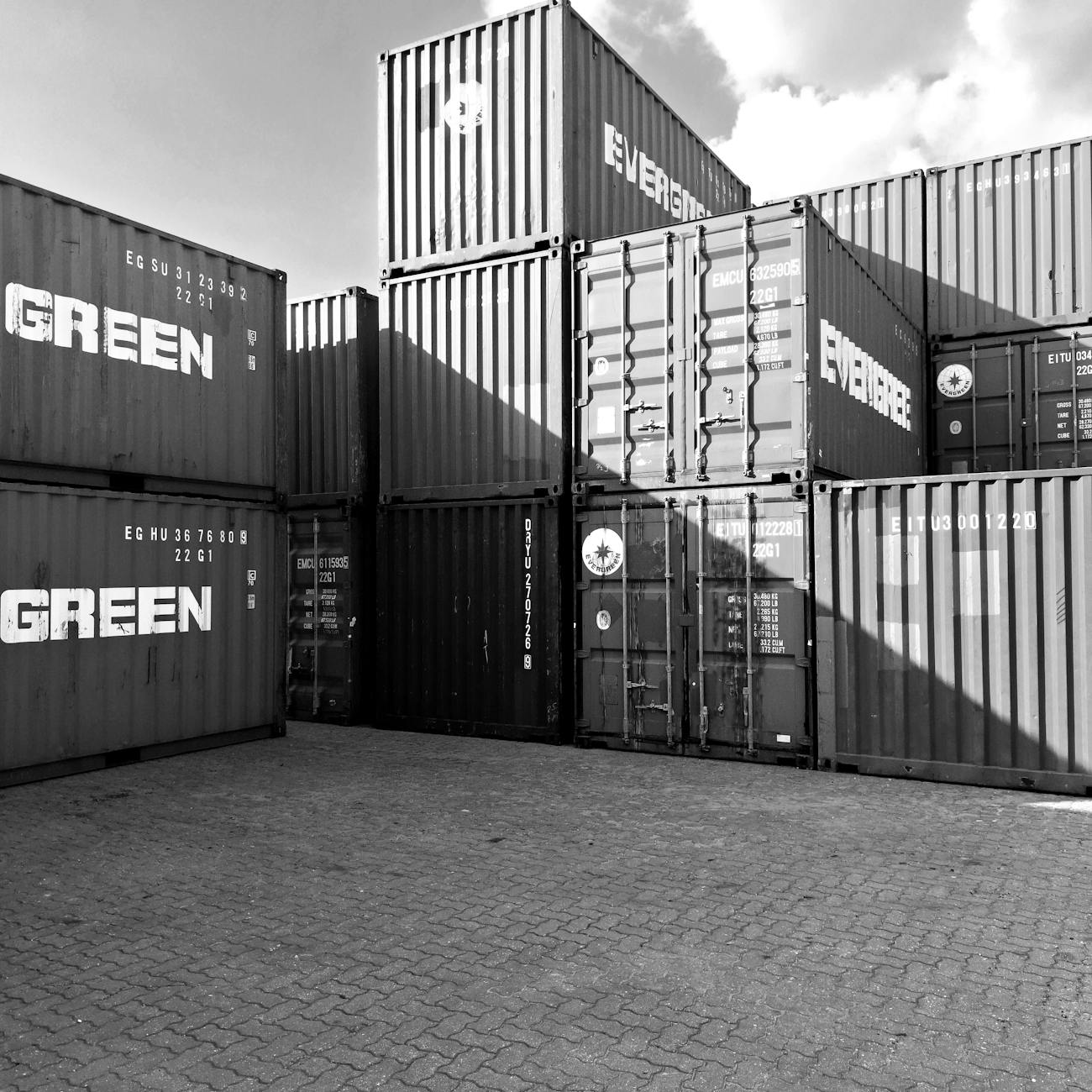
Warehouse Management is a crucial part of the supply chain process in manufacturing. It involves the planning, organizing, and controlling of all warehouse operations to ensure efficient utilization of resources, accurate inventory management, and timely order fulfillment.
Inventory Management plays a vital role in warehouse management as it involves overseeing the flow of goods into and out of the warehouse. Effective inventory management helps in minimizing stockouts, reducing excess inventory, and optimizing storage space.
Manufacturing is the process of producing goods by transforming raw materials or components into finished products through various production processes. In a manufacturing setting, warehouses are used to store raw materials, work-in-progress inventory, and finished goods.
Supply Chain refers to the network of organizations involved in the production, distribution, and sale of a product. It includes suppliers, manufacturers, distributors, retailers, and customers. Warehouse management is a critical part of the supply chain as it ensures the seamless movement of goods from suppliers to customers.
Order Fulfillment is the process of receiving, processing, and delivering customer orders. It involves picking, packing, and shipping products accurately and on time. Efficient warehouse management is essential for smooth order fulfillment operations.
Storage Systems are the physical structures and equipment used to store goods in a warehouse. Common storage systems include pallet racking, shelving units, mezzanines, and automated storage and retrieval systems (AS/RS). Choosing the right storage system is crucial for maximizing storage space and improving warehouse efficiency.
Material Handling involves the movement, storage, and control of materials in a warehouse. It includes tasks such as receiving, put-away, picking, packing, and shipping. Efficient material handling processes help in reducing labor costs, minimizing errors, and increasing productivity.
Picking is the process of selecting items from the warehouse to fulfill customer orders. There are different picking methods, including batch picking, zone picking, and wave picking. Choosing the right picking method can improve order accuracy and reduce picking time.
Receiving is the process of accepting incoming goods into the warehouse. It involves inspecting, counting, and documenting received items before storing them in the appropriate location. Efficient receiving processes help in maintaining accurate inventory records and preventing stockouts.
Put-away is the process of storing received goods in the warehouse. It involves determining the optimal location for each item based on factors like size, weight, and demand. Proper put-away procedures help in maximizing storage space and facilitating efficient picking operations.
Shipping is the process of preparing and dispatching customer orders from the warehouse. It includes tasks like packing items securely, generating shipping labels, and loading packages onto delivery vehicles. Efficient shipping processes help in meeting customer delivery deadlines and reducing shipping costs.
Inventory Accuracy is the measure of how well the actual inventory levels in the warehouse match the recorded inventory levels in the system. Maintaining high inventory accuracy is critical for preventing stockouts, reducing excess inventory, and improving order fulfillment efficiency.
Warehouse Layout refers to the physical arrangement of storage areas, aisles, workstations, and equipment in the warehouse. A well-designed warehouse layout can improve workflow, reduce travel time, and optimize space utilization.
Warehouse Management System (WMS) is a software application used to manage and control warehouse operations. It helps in automating tasks like inventory tracking, order processing, and labor management. Implementing a WMS can enhance warehouse efficiency and accuracy.
Just-in-Time (JIT) is a manufacturing philosophy that aims to minimize inventory levels by producing goods only when they are needed. JIT helps in reducing carrying costs, improving cash flow, and increasing production efficiency.
Lean Manufacturing is a production methodology focused on eliminating waste and improving efficiency in manufacturing processes. Lean principles, such as value stream mapping and continuous improvement, can be applied to warehouse management to optimize operations and reduce costs.
Cycle Counting is a method of inventory auditing where a small subset of inventory is counted on a regular basis. Cycle counting helps in identifying and correcting inventory discrepancies quickly, without the need for a full physical inventory count.
Slotting is the process of assigning optimal storage locations to items in the warehouse based on factors like demand, size, and weight. Proper slotting can reduce picking time, minimize travel distance, and improve overall warehouse efficiency.
Cross-Docking is a logistics strategy where incoming goods are unloaded from an inbound truck and loaded directly onto an outbound truck with minimal or no storage in between. Cross-docking helps in reducing inventory holding costs and speeding up order fulfillment.
Reverse Logistics involves managing the return of goods from customers back to the warehouse. It includes processes like product inspection, restocking, and disposal. Effective reverse logistics can help in reducing product returns and improving customer satisfaction.
Key Performance Indicators (KPIs) are measurable values that indicate the performance of a warehouse operation. Common warehouse KPIs include order accuracy, on-time delivery, inventory turnover, and labor productivity. Monitoring KPIs can help in identifying areas for improvement and tracking performance over time.
Batch Tracking is a method of tracing and monitoring groups of items that were produced or received together. Batch tracking helps in managing product recalls, expiration dates, and quality control. It is especially important in industries like pharmaceuticals and food manufacturing.
Material Requirements Planning (MRP) is a system that helps in planning and managing the materials needed for production. MRP software calculates the materials required based on production schedules, inventory levels, and lead times. Integrating MRP with warehouse management can improve inventory accuracy and production efficiency.
Radio Frequency Identification (RFID) is a technology that uses radio waves to identify and track items in the warehouse. RFID tags are attached to products or pallets, allowing for real-time visibility and accurate inventory tracking. RFID technology can improve inventory accuracy and streamline warehouse operations.
Slotting Optimization is the process of continuously analyzing and adjusting the storage locations of items in the warehouse to maximize efficiency. Slotting optimization considers factors like SKU velocity, picking frequency, and order volume to ensure that popular items are stored in easily accessible locations.
Warehouse Automation involves using technology like conveyor systems, robotics, and automated picking machines to streamline warehouse operations. Warehouse automation can help in reducing labor costs, improving accuracy, and increasing throughput.
Vendor-Managed Inventory (VMI) is a supply chain model where the supplier is responsible for monitoring and replenishing inventory levels at the customer's warehouse. VMI can help in reducing stockouts, improving inventory turns, and strengthening supplier relationships.
Deadstock refers to inventory that has become obsolete or is no longer in demand. Deadstock ties up valuable warehouse space and ties up capital that could be used for more profitable items. Proper inventory management practices can help in reducing deadstock levels.
Material Safety Data Sheets (MSDS) are documents that provide information about the hazards and safe handling practices of chemicals and materials stored in the warehouse. MSDS sheets are important for ensuring worker safety and compliance with regulations.
Continuous Improvement is a philosophy focused on making incremental changes to processes and systems to achieve ongoing improvements in efficiency and quality. Implementing continuous improvement practices in warehouse management can lead to reduced costs, increased productivity, and enhanced customer satisfaction.
Forecasting is the process of predicting future demand for products based on historical data, market trends, and other factors. Accurate forecasting helps in optimizing inventory levels, minimizing stockouts, and improving order fulfillment efficiency.
Quality Control involves monitoring and inspecting products to ensure they meet quality standards before being shipped to customers. Quality control processes help in reducing returns, improving customer satisfaction, and maintaining brand reputation.
SKU (Stock Keeping Unit) is a unique code assigned to each product or item in inventory for tracking and management purposes. SKUs help in identifying products, managing stock levels, and facilitating order fulfillment.
Material Handling Equipment (MHE) includes tools and machinery used to move, store, and transport materials in the warehouse. Common MHE includes forklifts, pallet jacks, conveyors, and automated guided vehicles (AGVs). Using the right MHE can improve efficiency and safety in warehouse operations.
Batch Processing is a method of processing multiple orders or tasks together as a group. Batch processing helps in reducing setup time, improving efficiency, and optimizing resources in warehouse operations.
Lead Time is the amount of time it takes for a supplier to deliver goods after an order is placed. Lead time plays a crucial role in inventory management as it influences reorder points, safety stock levels, and customer satisfaction.
Work-In-Progress (WIP) refers to items that are in the process of being manufactured but are not yet completed. WIP inventory is typically stored in the production area or warehouse until it is ready for further processing or shipment.
Outsourcing is the practice of contracting out certain warehouse operations or functions to third-party logistics providers. Outsourcing can help in reducing costs, improving flexibility, and focusing on core business activities.
Value Stream Mapping is a lean management tool used to visualize and analyze the flow of materials and information in a production process. Value stream mapping helps in identifying waste, optimizing workflows, and improving overall efficiency.
Batch Control is the process of managing and tracking groups of items that are produced or processed together. Batch control helps in ensuring traceability, quality control, and compliance with regulations in industries like pharmaceuticals and food manufacturing.
Order Picking is the process of retrieving items from the warehouse to fulfill customer orders. Order picking can be done manually, using paper-based lists, or through automated systems like voice picking or pick-to-light technologies.
Quality Assurance involves establishing processes and standards to ensure that products meet customer requirements and quality specifications. Quality assurance practices help in preventing defects, reducing rework, and maintaining consistent product quality.
ABC Analysis is a method of categorizing inventory based on its value and importance. ABC analysis classifies items into three categories: A items (high value, low quantity), B items (moderate value, moderate quantity), and C items (low value, high quantity). This classification helps in prioritizing inventory management efforts and optimizing stock levels.
Kitting is the process of assembling individual items or components into a kit or package for sale or distribution. Kitting helps in improving order fulfillment efficiency, reducing picking errors, and enhancing customer satisfaction.
Interleaving is a picking strategy where items from multiple orders are picked simultaneously to optimize picking routes and minimize travel time. Interleaving can improve order picking efficiency in warehouses with a high volume of small orders.
Backorder refers to an order that cannot be fulfilled immediately due to stockouts or other issues. Managing backorders effectively involves communicating with customers, prioritizing orders, and expediting replenishment to minimize delays.
Capacity Planning is the process of determining the optimal storage capacity and layout of a warehouse based on factors like inventory levels, order volume, and space constraints. Effective capacity planning helps in maximizing storage space and improving warehouse efficiency.
Batch Tracking is a method of tracing and monitoring groups of items that were produced or received together. Batch tracking helps in managing product recalls, expiration dates, and quality control. It is especially important in industries like pharmaceuticals and food manufacturing.
Material Requirements Planning (MRP) is a system that helps in planning and managing the materials needed for production. MRP software calculates the materials required based on production schedules, inventory levels, and lead times. Integrating MRP with warehouse management can improve inventory accuracy and production efficiency.
Radio Frequency Identification (RFID) is a technology that uses radio waves to identify and track items in the warehouse. RFID tags are attached to products or pallets, allowing for real-time visibility and accurate inventory tracking. RFID technology can improve inventory accuracy and streamline warehouse operations.
Slotting Optimization is the process of continuously analyzing and adjusting the storage locations of items in the warehouse to maximize efficiency. Slotting optimization considers factors like SKU velocity, picking frequency, and order volume to ensure that popular items are stored in easily accessible locations.
Warehouse Automation involves using technology like conveyor systems, robotics, and automated picking machines to streamline warehouse operations. Warehouse automation can help in reducing labor costs, improving accuracy, and increasing throughput.
Vendor-Managed Inventory (VMI) is a supply chain model where the supplier is responsible for monitoring and replenishing inventory levels at the customer's warehouse. VMI can help in reducing stockouts, improving inventory turns, and strengthening supplier relationships.
Deadstock refers to inventory that has become obsolete or is no longer in demand. Deadstock ties up valuable warehouse space and ties up capital that could be used for more profitable items. Proper inventory management practices can help in reducing deadstock levels.
Material Safety Data Sheets (MSDS) are documents that provide information about the hazards and safe handling practices of chemicals and materials stored in the warehouse. MSDS sheets are important for ensuring worker safety and compliance with regulations.
Continuous Improvement is a philosophy focused on making incremental changes to processes and systems to achieve ongoing improvements in efficiency and quality. Implementing continuous improvement practices in warehouse management can lead to reduced costs, increased productivity, and enhanced customer satisfaction.
Forecasting is the process of predicting future demand for products based on historical data, market trends, and other factors. Accurate forecasting helps in optimizing inventory levels, minimizing stockouts, and improving order fulfillment efficiency.
Quality Control involves monitoring and inspecting products to ensure they meet quality standards before being shipped to customers. Quality control processes help in reducing returns, improving customer satisfaction, and maintaining brand reputation.
SKU (Stock Keeping Unit) is a unique code assigned to each product or item in inventory for tracking and management purposes. SKUs help in identifying products, managing stock levels, and facilitating order fulfillment.
Material Handling Equipment (MHE) includes tools and machinery used to move, store, and transport materials in the warehouse. Common MHE includes forklifts, pallet jacks, conveyors, and automated guided vehicles (AGVs). Using the right MHE can improve efficiency and safety in warehouse operations.
Batch Processing is a method of processing multiple orders or tasks together as a group. Batch processing helps in reducing setup time, improving efficiency, and optimizing resources in warehouse operations.
Lead Time is the amount of time it takes for a supplier to deliver goods after an order is placed. Lead time plays a crucial role in inventory management as it influences reorder points, safety stock levels, and customer satisfaction.
Work-In-Progress (WIP) refers to items that are in the process of being manufactured but are not yet completed. WIP inventory is typically stored in the production area or warehouse until it is ready for further processing or shipment.
Outsourcing is the practice of contracting out certain warehouse operations or functions to third-party logistics providers. Outsourcing can help in reducing costs, improving flexibility, and focusing on core business activities.
Value Stream Mapping is a lean management tool used to visualize and analyze the flow of materials and information in a production process. Value stream mapping helps in identifying waste, optimizing workflows, and improving overall efficiency.
Batch Control is the process of managing and tracking groups of items that are produced or processed together. Batch control helps in ensuring traceability, quality control, and compliance with regulations in industries like pharmaceuticals and food manufacturing.
Order Picking is the process of retrieving items from the warehouse to fulfill customer orders. Order picking can be done manually, using paper-based lists, or through automated systems like voice picking or pick-to-light technologies.
Quality Assurance involves establishing processes and standards to ensure that products meet customer requirements and quality specifications. Quality assurance practices help in preventing defects, reducing rework, and maintaining consistent product quality.
ABC Analysis is a method of categorizing inventory based on its value and importance. ABC analysis classifies items into three categories: A items (high value, low quantity), B items (moderate value, moderate quantity), and C items (low value, high quantity). This classification helps in prioritizing inventory management efforts and optimizing stock levels.
Kitting is the process of assembling individual items or components into a kit or package for sale or distribution. Kitting helps in improving order fulfillment efficiency, reducing picking errors, and enhancing customer satisfaction.
Interleaving is a picking strategy where items from multiple orders are picked simultaneously to optimize picking routes and minimize travel time. Interleaving can improve order picking efficiency in warehouses with a high volume of small orders.
Backorder refers to an order that cannot be fulfilled immediately due to stockouts or other issues. Managing backorders effectively involves communicating with customers, prioritizing orders, and expediting replenishment to minimize delays.
Capacity Planning is the process of determining the optimal storage capacity and layout of a warehouse based on factors like inventory levels, order volume, and space constraints. Effective capacity planning helps in maximizing storage space and improving warehouse efficiency.
Batch Tracking is a method of tracing and monitoring groups of items that were produced or received together. Batch tracking helps in managing product recalls, expiration dates, and quality control. It is especially important in industries like pharmaceuticals and food manufacturing.
Material Requirements Planning (MRP) is a system that helps in planning and managing the materials needed for production. MRP software calculates the materials required based on production schedules, inventory levels, and lead times. Integrating MRP with warehouse management can improve inventory accuracy and production efficiency.
Radio Frequency Identification (RFID) is a technology that uses radio waves to identify and track items in the warehouse. RFID tags are attached to products or pallets, allowing for real-time visibility and accurate inventory tracking. RFID technology can improve inventory accuracy and streamline warehouse operations.
Slotting Optimization is the process of continuously analyzing and adjusting the storage locations of items in the warehouse to maximize efficiency. Slotting optimization considers factors like SKU velocity, picking frequency, and order volume to ensure that popular items are stored in easily accessible locations.
Warehouse Automation involves using technology like conveyor systems, robotics, and automated picking machines to streamline warehouse operations. Warehouse automation can help in reducing labor costs, improving accuracy, and increasing throughput
Key takeaways
- It involves the planning, organizing, and controlling of all warehouse operations to ensure efficient utilization of resources, accurate inventory management, and timely order fulfillment.
- Inventory Management plays a vital role in warehouse management as it involves overseeing the flow of goods into and out of the warehouse.
- Manufacturing is the process of producing goods by transforming raw materials or components into finished products through various production processes.
- Warehouse management is a critical part of the supply chain as it ensures the seamless movement of goods from suppliers to customers.
- Order Fulfillment is the process of receiving, processing, and delivering customer orders.
- Common storage systems include pallet racking, shelving units, mezzanines, and automated storage and retrieval systems (AS/RS).
- Efficient material handling processes help in reducing labor costs, minimizing errors, and increasing productivity.