
Indigenous Perspectives on Ecology and Environment
Indigenous Perspectives on Ecology and Environment: In the Professional Certificate in Traditional Ecological Knowledge and Modern Science course, it is essential to understand the key terms and vocabulary associated with Indigenous perspec…
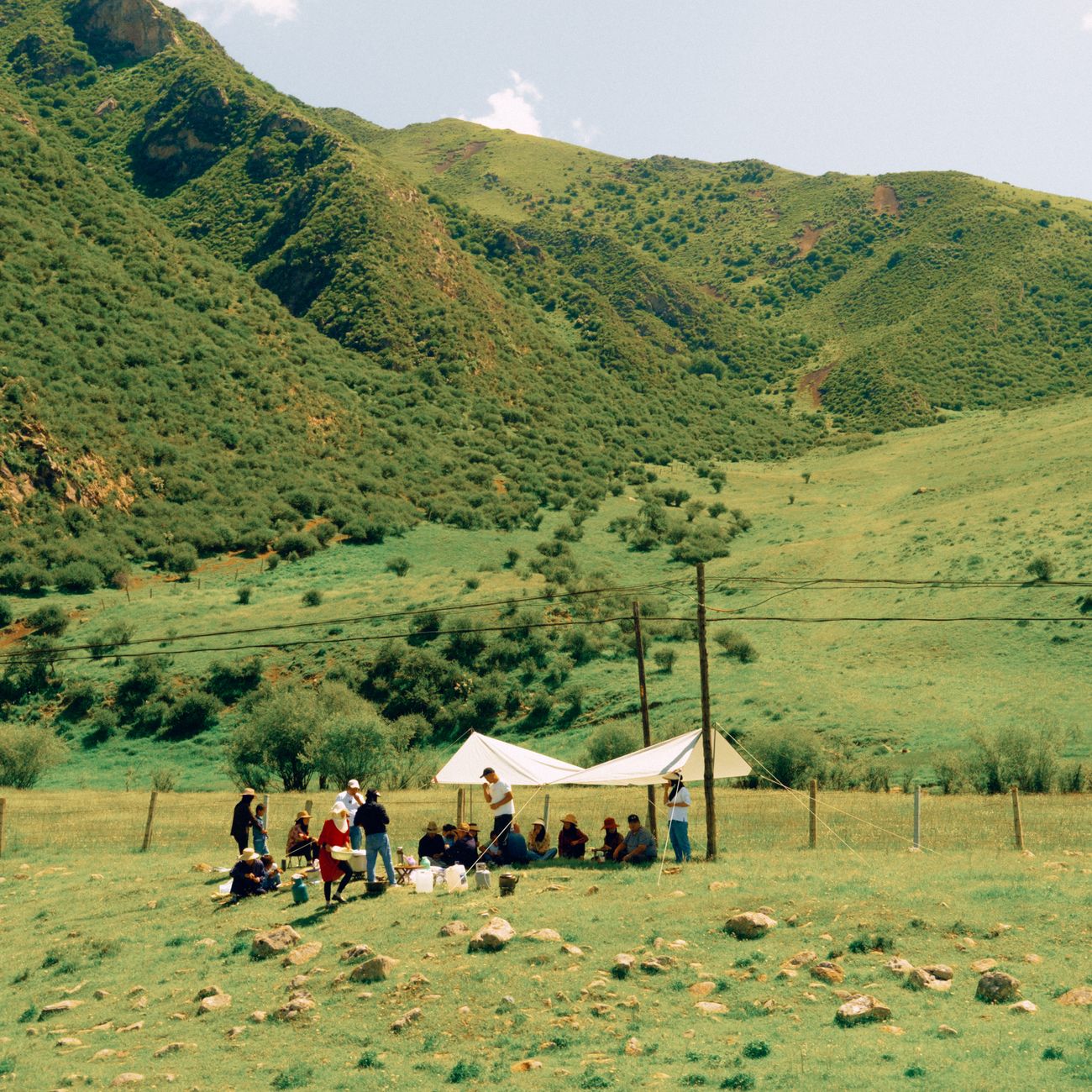
Indigenous Perspectives on Ecology and Environment: In the Professional Certificate in Traditional Ecological Knowledge and Modern Science course, it is essential to understand the key terms and vocabulary associated with Indigenous perspectives on ecology and the environment. This knowledge is crucial for bridging the gap between traditional knowledge and modern scientific practices, creating a more holistic approach to environmental management and conservation. Let's explore some of the key terms and concepts in this field:
1. **Traditional Ecological Knowledge (TEK)**: Traditional Ecological Knowledge refers to the knowledge, practices, and beliefs of Indigenous communities that have been passed down through generations. TEK encompasses a deep understanding of the environment, including ecosystems, wildlife, plants, and natural resources. It is based on observation, experience, and a profound connection to the land.
2. **Sacred Sites**: Sacred sites are locations within the natural environment that hold spiritual significance for Indigenous communities. These sites are often associated with creation stories, ceremonies, and traditional practices. Protecting sacred sites is essential for maintaining cultural identity and spiritual connection to the land.
3. **Land Stewardship**: Land stewardship is the practice of responsibly managing and caring for the land. Indigenous communities have been practicing land stewardship for centuries, using traditional knowledge to maintain the health and balance of ecosystems. This approach emphasizes sustainability, respect for nature, and intergenerational equity.
4. **Biocultural Diversity**: Biocultural diversity refers to the interconnectedness of biological diversity and cultural diversity. Indigenous communities play a vital role in preserving both biological and cultural diversity through their traditional practices and knowledge systems. This concept highlights the importance of protecting both natural and cultural heritage.
5. **Ethnoecology**: Ethnoecology is the study of how different cultures perceive, understand, and interact with their environments. It explores the intricate relationship between humans and nature, focusing on traditional knowledge systems and ecological practices. Ethnoecology provides valuable insights into sustainable resource management and conservation strategies.
6. **Traditional Resource Management**: Traditional resource management involves the sustainable use of natural resources based on Indigenous knowledge and practices. This approach emphasizes the importance of maintaining ecological balance, conserving biodiversity, and respecting traditional protocols. Traditional resource management strategies have proven to be effective in promoting ecosystem health and resilience.
7. **Indigenous Governance**: Indigenous governance refers to the systems of decision-making, leadership, and authority within Indigenous communities. It often involves traditional forms of governance that prioritize collective well-being, environmental stewardship, and cultural preservation. Indigenous governance structures play a crucial role in managing natural resources and addressing environmental challenges.
8. **Cultural Landscapes**: Cultural landscapes are environments that have been shaped by human interaction and cultural practices over time. These landscapes reflect the relationship between people and their surroundings, including land use patterns, sacred sites, and traditional knowledge systems. Cultural landscapes are important for maintaining cultural identity and heritage.
9. **Traditional Ecological Calendar**: A traditional ecological calendar is a system used by Indigenous communities to track seasonal changes, natural cycles, and ecological events. This calendar is based on observations of the environment and is often linked to traditional practices such as planting, harvesting, and hunting. The ecological calendar guides resource management decisions and cultural activities throughout the year.
10. **Two-Eyed Seeing**: Two-Eyed Seeing is a concept rooted in Mi'kmaq teachings that emphasizes the importance of integrating Indigenous knowledge and Western science. It encourages individuals to see the world through both Indigenous and scientific perspectives, recognizing the value of diverse ways of knowing. Two-Eyed Seeing promotes collaboration, respect, and innovation in addressing environmental issues.
11. **Climate Change Adaptation**: Climate change adaptation refers to the strategies and actions taken to minimize the impacts of climate change and build resilience in communities and ecosystems. Indigenous communities are at the forefront of climate change adaptation, drawing on traditional knowledge to respond to shifting environmental conditions. These adaptation strategies often include changes in land use, resource management, and cultural practices.
12. **Biopiracy**: Biopiracy refers to the exploitation and unauthorized use of Indigenous knowledge, resources, and genetic material by external entities for commercial gain. Biopiracy undermines Indigenous rights, sovereignty, and intellectual property, leading to cultural appropriation and environmental degradation. Protecting against biopiracy is essential for safeguarding Indigenous knowledge and biodiversity.
13. **Environmental Justice**: Environmental justice is the principle that all people, regardless of race, ethnicity, or socio-economic status, have the right to a clean and healthy environment. Indigenous communities often face environmental injustices, including pollution, land dispossession, and resource extraction on their traditional territories. Environmental justice movements seek to address these inequalities and promote environmental equity.
14. **Decolonizing Conservation**: Decolonizing conservation is a process of challenging and transforming colonial practices and ideologies within the conservation field. It involves centering Indigenous perspectives, knowledge, and rights in conservation efforts, moving away from top-down approaches and fostering partnerships with Indigenous communities. Decolonizing conservation is essential for promoting environmental justice and sustainable stewardship of the land.
15. **Sustainable Development**: Sustainable development is a holistic approach to meeting the needs of the present without compromising the ability of future generations to meet their own needs. Indigenous perspectives on sustainable development prioritize social, economic, and environmental well-being in a way that respects traditional knowledge, cultural values, and ecological integrity. This approach ensures the long-term health and vitality of communities and ecosystems.
In conclusion, understanding the key terms and concepts related to Indigenous perspectives on ecology and the environment is essential for promoting collaboration, respect, and sustainability in environmental management. By embracing traditional knowledge, cultural diversity, and ethical practices, we can work towards a more inclusive and equitable approach to conservation and stewardship. By integrating Indigenous perspectives with modern science, we can create innovative solutions to complex environmental challenges and ensure a harmonious relationship between people and the planet.
Key takeaways
- This knowledge is crucial for bridging the gap between traditional knowledge and modern scientific practices, creating a more holistic approach to environmental management and conservation.
- **Traditional Ecological Knowledge (TEK)**: Traditional Ecological Knowledge refers to the knowledge, practices, and beliefs of Indigenous communities that have been passed down through generations.
- **Sacred Sites**: Sacred sites are locations within the natural environment that hold spiritual significance for Indigenous communities.
- Indigenous communities have been practicing land stewardship for centuries, using traditional knowledge to maintain the health and balance of ecosystems.
- Indigenous communities play a vital role in preserving both biological and cultural diversity through their traditional practices and knowledge systems.
- It explores the intricate relationship between humans and nature, focusing on traditional knowledge systems and ecological practices.
- **Traditional Resource Management**: Traditional resource management involves the sustainable use of natural resources based on Indigenous knowledge and practices.